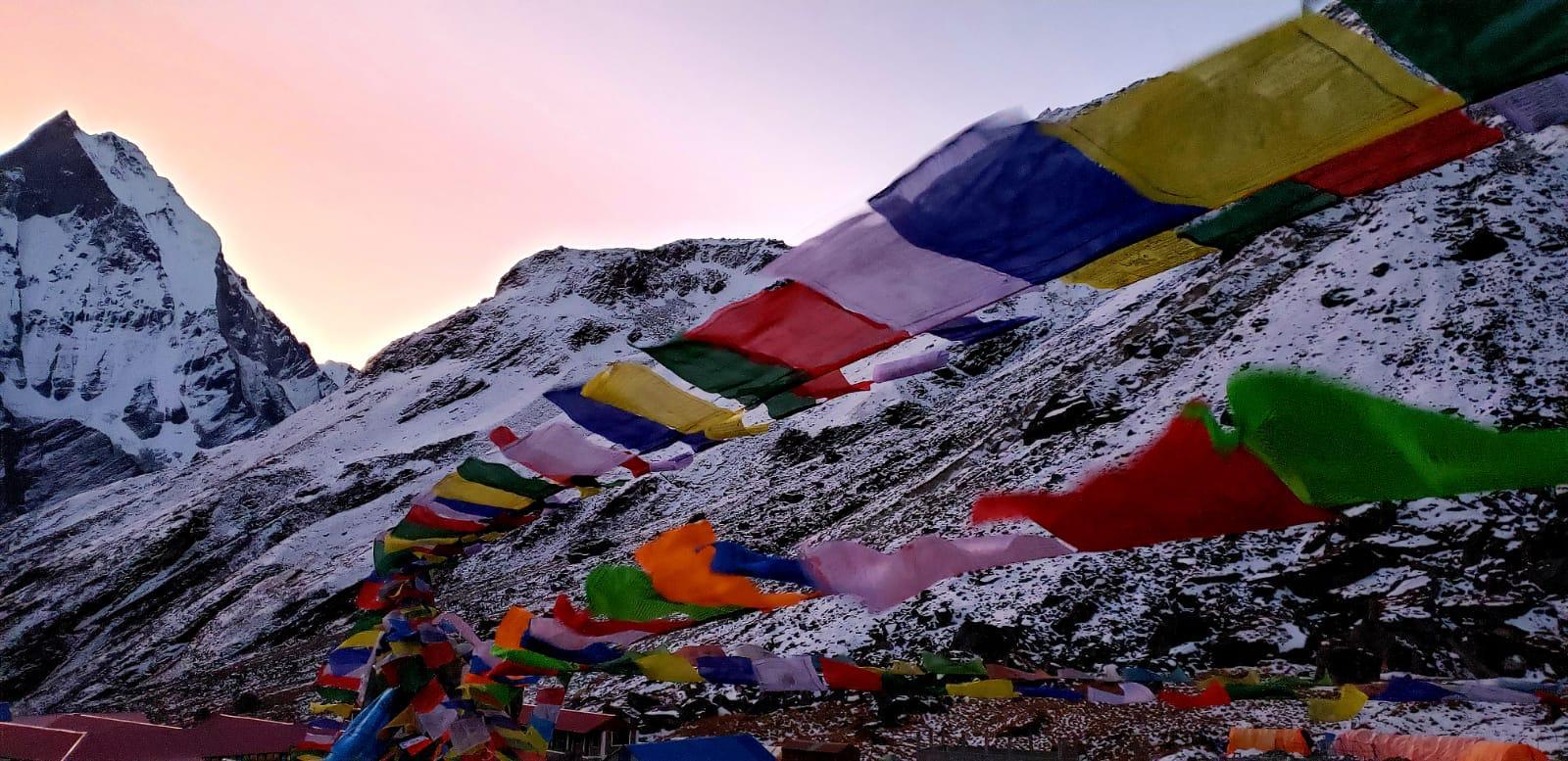


Everest Base Camp Trek 2026 – The recent Rasuwa flood has raised understandable concerns among travelers planning Himalayan journeys in 2026. Images of damaged roads, disrupted communities, and severe weather have made many people wonder whether trekking in Nepal, including the Everest Base Camp route, is still safe.
The important distinction is that the Rasuwa flood has affected the Rasuwa area, while the Everest Base Camp trek takes place in the Khumbu region of Solukhumbu District. These are separate trekking areas with different trail systems, access points, local authorities, and geographic conditions. The Rasuwa flood has not directly affected the standard Everest Base Camp trekking route.
Therefore, the Everest Base Camp Trek 2026 is not considered affected by the recent Rasuwa flood. However, travelers should still monitor conditions carefully because Nepal’s mountain regions remain vulnerable to changing weather, landslides, flooding, flight disruptions, and other natural hazards.
A journey to Everest Base Camp is never completely risk-free. The trail reaches elevations above 5,000 meters, crosses unstable mountain terrain, and is exposed to rapidly changing weather. The Rasuwa flood is a reminder that extreme weather can cause serious damage in one part of the country without necessarily closing or affecting trekking routes in another.
Table of Contents
Understanding the Difference between Rasuwa and Everest Base Camp Trek 2026
Rasuwa and Everest Base Camp are located in different parts of Nepal.
Rasuwa lies north of Kathmandu and is associated with destinations such as Langtang Valley, Gosaikunda, and the Nepal–China border area. The Everest Base Camp trek begins with access to the Khumbu region, usually through Lukla, and follows the trail through settlements such as Phakding, Namche Bazaar, Tengboche, Dingboche, Lobuche, and Gorak Shep.
Because the two regions have separate routes and infrastructure, a flood in Rasuwa does not automatically mean that the Everest Base Camp trail is damaged or closed. The standard EBC route has not been directly affected by the recent Rasuwa flood.
Nevertheless, travelers should avoid making assumptions based only on the name “Nepal” or on general disaster reports. Conditions must be checked for the specific destination and route.
What the Rasuwa Flood Means for Everest Trekkers – Everest Base Camp Trek 2026
The Rasuwa flood does not currently prevent travelers from trekking to Everest Base Camp. It does, however, highlight several important lessons for anyone planning a Himalayan trip in 2026.
First, natural disasters can be highly localized. A flood may damage roads, bridges, homes, or trails in one district while another trekking region continues to operate normally. Second, weather patterns can affect multiple areas at different times, so conditions should be monitored throughout the journey. Third, travelers should rely on route-specific information rather than social media rumors or general headlines.
For Everest Base Camp Trek 2026 trekkers, the main concerns remain:
- Landslides caused by heavy rain or unstable slopes
- Avalanches and falling ice at higher elevations
- Severe storms and heavy snowfall
- Glacial hazards
- Flight cancellations and airport closures
- Trail congestion and delays
- Limited emergency response in remote areas
- Altitude sickness and cold-related illness
The Rasuwa flood itself has not damaged the EBC trail, but responsible trekkers should still check updates from Nepal’s tourism authorities, Sagarmatha National Park officials, local municipalities, airlines, trekking agencies, and reputable weather services.
Is the Everest Base Camp Trek 2026 Route Open?
The Everest Base Camp route is not affected by the recent Rasuwa flood and remains a separate trekking destination. Whether the route is open on a particular date will depend on seasonal weather, local trail conditions, flight operations, and any temporary restrictions issued by authorities.
The standard route from Lukla to Everest Base Camp is generally used during the spring and autumn trekking seasons. Access can still be interrupted by bad weather, airport closures, trail repairs, snowfall, or local safety concerns.
An open route does not necessarily mean that every section is easy or completely risk-free. Trekkers should confirm:
- Whether flights to Lukla or alternative airports are operating
- Whether bridges and major trail sections are intact
- Whether lodges and teahouses are accepting guests
- Whether permits and local entry requirements have changed
- Whether there are warnings about landslides, avalanches, or flooding
- Whether rescue and evacuation services are available
- Whether the route is experiencing unusual congestion
A reputable local trekking company can provide practical, current information about the Khumbu region. Conditions can change faster than published itineraries, even when a route is officially open.
The Biggest Safety Risks on the Everest Base Camp Trek 2026
Altitude Sickness
Altitude is the most common serious danger on the Everest Base Camp trek. The route rises from lowland elevations to more than 5,300 meters at Everest Base Camp, with some itineraries reaching even higher viewpoints.
Altitude sickness can affect anyone, regardless of age, fitness, or previous trekking experience. Symptoms may include:
- Headache
- Nausea
- Dizziness
- Fatigue
- Loss of appetite
- Shortness of breath
- Difficulty sleeping
More severe conditions, including high-altitude pulmonary edema and high-altitude cerebral edema, can become life-threatening. The safest response to worsening symptoms is to stop ascending and descend immediately. Trekkers should never continue upward simply to stay on schedule.
A responsible itinerary should include gradual acclimatization days, especially around Namche Bazaar and Dingboche or another suitable high-altitude settlement.
Landslides and Unstable Trails
Landslides are a particular concern during and after the monsoon season. Heavy rainfall can loosen slopes, damage paths, and make river crossings dangerous. Although the recent Rasuwa flood did not affect the EBC route, it demonstrates how quickly intense rainfall can create dangerous conditions in Nepal’s mountain districts.
Trekkers should avoid crossing active landslide zones unless local authorities or experienced guides confirm that the route is safe. They should also be cautious after heavy rain, during strong winds, and when traveling beneath steep, fractured slopes.
Avalanches and Falling Ice
Higher sections of the route, especially near Everest Base Camp and the Khumbu Glacier, can be exposed to avalanches, serac falls, and shifting ice. These hazards are different from the flooding experienced in Rasuwa but are equally important for EBC trekkers to understand.
Travelers should follow guide instructions, avoid restricted areas, and never approach glacier zones independently. Conditions can change even when the weather appears calm.
Extreme Weather
Temperatures can fall sharply at night, and storms may arrive with little warning. Snow, wind, fog, and freezing conditions can reduce visibility and make navigation difficult.
A trekker should carry suitable layers, waterproof clothing, gloves, a warm hat, sunglasses, sunscreen, and reliable footwear. A sleeping bag rated for cold conditions is also essential, even when staying in teahouses.
Flight Disruptions
Flights between Kathmandu and Lukla are frequently affected by wind, cloud, visibility, and airport operating conditions. Delays can last for hours or several days, particularly during unstable weather.
The Rasuwa flood does not directly affect Lukla flights or the Everest Base Camp trail. However, broader weather systems can still disrupt aviation in Nepal, so travelers should build extra days into their itinerary and avoid scheduling an international departure immediately after the planned return from the mountains.
Travel insurance should cover delays, cancellations, and emergency evacuation where possible.
How to Prepare for a Safer Everest Base Camp Trek 2026
Choose the Right Season
The most popular trekking periods are generally spring and autumn. Spring offers improving weather and views of mountaineering activity, while autumn often brings clearer skies after the monsoon.
Winter can provide quieter trails but brings colder temperatures and possible snow closures. The monsoon season may involve rain, cloud, slippery paths, landslides, and flight disruptions.
The recent Rasuwa flood is a reminder that heavy rainfall can create serious problems in Nepal. Travelers considering a monsoon trek should be especially cautious and should obtain current, route-specific advice before departure.
The best season depends on current forecasts and local conditions rather than tradition alone.
Hire an Experienced Guide
A qualified local guide can recognize altitude symptoms, identify unstable trail conditions, communicate with lodge owners, and coordinate changes when plans are disrupted. Guides also understand local customs and emergency procedures.
A guide can also help distinguish between reports affecting Rasuwa, Langtang, and other regions and those relevant to the Khumbu and Everest Base Camp Trek 2026 route.
Independent trekking may be possible in some circumstances, but it can be a poor choice when conditions are uncertain or when a traveler lacks high-altitude experience.
Build in Acclimatization Days
A rushed itinerary increases the risk of altitude illness. A safer plan includes rest and acclimatization days, slow walking, adequate hydration, and careful monitoring of symptoms.
Trekkers should not rely on medication as a substitute for acclimatization. Any altitude-related medicine should be discussed with a qualified medical professional before departure.
Purchase Comprehensive Insurance
Insurance should cover:
- High-altitude trekking to the planned elevation
- Helicopter evacuation
- Medical treatment
- Trip cancellation
- Flight delays
- Natural disasters
- Lost or delayed baggage
Policies often contain altitude limits and exclusions, so travelers should read the wording carefully. Some insurers require trekkers to follow the advice of a licensed guide or medical professional before approving evacuation claims.
Travelers should also confirm whether their policy covers disruptions caused by severe weather or natural disasters, even when the event occurs in a different region of Nepal.
Pack for Delays and Emergencies
In addition to normal trekking equipment, travelers should carry:
- A first-aid kit
- Personal medications
- Water purification tablets or a filter
- Extra snacks
- A headlamp and spare batteries
- Power banks
- Copies of passports and permits
- Emergency contact details
- Offline maps
- Warm and waterproof clothing
- A basic communication plan
Mobile coverage and internet access can be unreliable, particularly in remote sections. Trekkers should not assume that they can contact help immediately.
What to Do If Conditions Deteriorate
If a storm, landslide, earthquake, avalanche warning, or medical emergency occurs, follow local instructions and your guide’s advice. Do not attempt to bypass barriers or continue along a closed trail to protect an itinerary.
If you develop symptoms of altitude sickness, stop ascending. Inform your guide, rest at an appropriate elevation, and descend if symptoms persist or worsen. Severe symptoms require urgent evacuation.
During a natural disaster, move away from unstable slopes, river channels, damaged structures, and exposed ridgelines. Keep essential documents, medication, water, and warm clothing accessible in case you need to relocate quickly.
If you are traveling through multiple regions of Nepal, remember that conditions in Rasuwa may be different from those in the Khumbu. Do not assume that a flood warning in Rasuwa means the Everest Base Camp route is closed, but do confirm the status of every destination included in your itinerary.
Is Everest Base Camp Worth Visiting in 2026?
For well-prepared travelers, Everest Base Camp Trek 2026 can still be a rewarding and meaningful journey in 2026. The recent Rasuwa flood has not affected the EBC trekking route, and the Khumbu remains a separate and accessible trekking region when local conditions permit.
The trek offers dramatic mountain scenery, Sherpa culture, historic monasteries, and a close view of one of the world’s most remarkable high-altitude environments.
However, visitors should approach the trek with flexibility and respect. The route is not a controlled tourist attraction, and natural hazards cannot be eliminated through planning alone. A responsible traveler accepts that the itinerary may change, the trek may be delayed, or the journey may need to be abandoned if conditions become unsafe.
Final Verdict
The recent Rasuwa flood has not affected the Everest Base Camp Trek 2026 trekking route. EBC trekking remains possible in 2026, subject to normal seasonal conditions, flight operations, trail status, and official guidance.
The flood is nevertheless an important reminder that Nepal’s mountain regions can experience sudden and localized natural disasters. Travelers should check information for the specific route they plan to follow rather than relying on general reports about the country.
Before departure, verify official Khumbu route information, use an experienced guide, allow time for acclimatization and delays, purchase suitable insurance, and prepare for changing weather and limited infrastructure. During the trek, prioritize health and local advice over reaching the destination on schedule.
With careful preparation and realistic expectations, Everest Base Camp Trek 2026 can remain an extraordinary adventure in 2026. The Rasuwa flood has not closed or damaged the EBC route, but no photograph or itinerary is worth taking unnecessary risks in the mountains.