7 Unforgettable Experiences on the Langtang and Tamang Heritage Trek 2027

Langtang and Tamang Heritage Trek

7 Unforgettable Experiences on the Langtang and Tamang Heritage Trek. The Langtang Valley and Tamang Heritage Trek is more than a journey through the Himalayas. It is an immersive adventure where dramatic mountain landscapes, ancient traditions, peaceful villages, Buddhist culture, forests, and warm Himalayan hospitality come together.

Unlike some of Nepal’s more crowded trekking routes, this journey allows you to experience the mountains at a more intimate pace. You walk through communities where culture remains an important part of everyday life, while the scenery gradually changes from green hills and forests to rugged high-altitude landscapes.

If you’re looking for a trek that combines natural beauty, authentic culture, adventure, and meaningful encounters, here are 7 unforgettable experiences that make the Langtang Valley and Tamang Heritage Trek special.

7 Unforgettable Experiences on the Langtang and Tamang Heritage Trek

1. Walking Through the Authentic Langtang and Tamang Heritage Trek

One of the most memorable parts of the trek is the opportunity to walk through traditional Tamang villages.

The Tamang Heritage Trail takes you through settlements where traditional stone houses, Buddhist prayer flags, mani walls, chortens, and mountain views form part of everyday life.

Villages such as Gatlang, Tatopani, Thuman, and Briddim offer opportunities to experience local traditions and hospitality away from the busier trekking routes.

Instead of simply passing through the landscape, you get a chance to connect with the communities that have called these mountains home for generations.

2. Watching the Himalayas Reveal Themselves Along the Langtang and Tamang Heritage Trek

The scenery changes dramatically as you enter the Langtang Valley.

The trail winds through forests and alongside rushing rivers before opening into increasingly dramatic Himalayan landscapes. Snow-covered peaks begin to dominate the horizon, creating spectacular views as you approach the upper valley.

One of the major highlights is the sight of Langtang Lirung, rising to approximately 7,227 meters.

The surrounding peaks, glaciers, cliffs, and alpine terrain create a completely different atmosphere from the lower forested sections of the trek.

Every bend in the trail seems to offer another reason to stop, breathe, and take in the mountains.

3. Experiencing Genuine Himalayan Hospitality – Langtang and Tamang Heritage Trek

A trek through Langtang and Tamang Heritage is also a journey through local hospitality.

Teahouses and homestays provide a place to rest after long days on the trail. In Tamang Heritage villages, staying with local families can make the experience particularly personal.

Sharing meals, talking with hosts, learning about their traditions, and experiencing daily life in the mountains can become some of the most treasured memories of the trek.

Sometimes, the most unforgettable moment isn’t reaching a viewpoint—it’s sitting beside a warm stove in a mountain home while snow-covered peaks disappear behind the evening clouds.

4. Relaxing in Natural Himalayan Hot Springs -Langtang and Tamang Heritage Trek

After several days of trekking, few experiences are more rewarding than soaking in a natural hot spring.

Tatopani, whose name means “hot water” in Nepali, is famous for its natural thermal springs.

The opportunity to rest your tired muscles in warm mineral-rich water while surrounded by Himalayan scenery creates a memorable contrast between adventure and relaxation.

It is one of those simple experiences that can make the trek feel even more special.

5. Discovering Buddhist Culture and Spiritual Landscapes -Langtang and Tamang Heritage Trek

Buddhist traditions are deeply connected with life in the Langtang and Tamang regions.

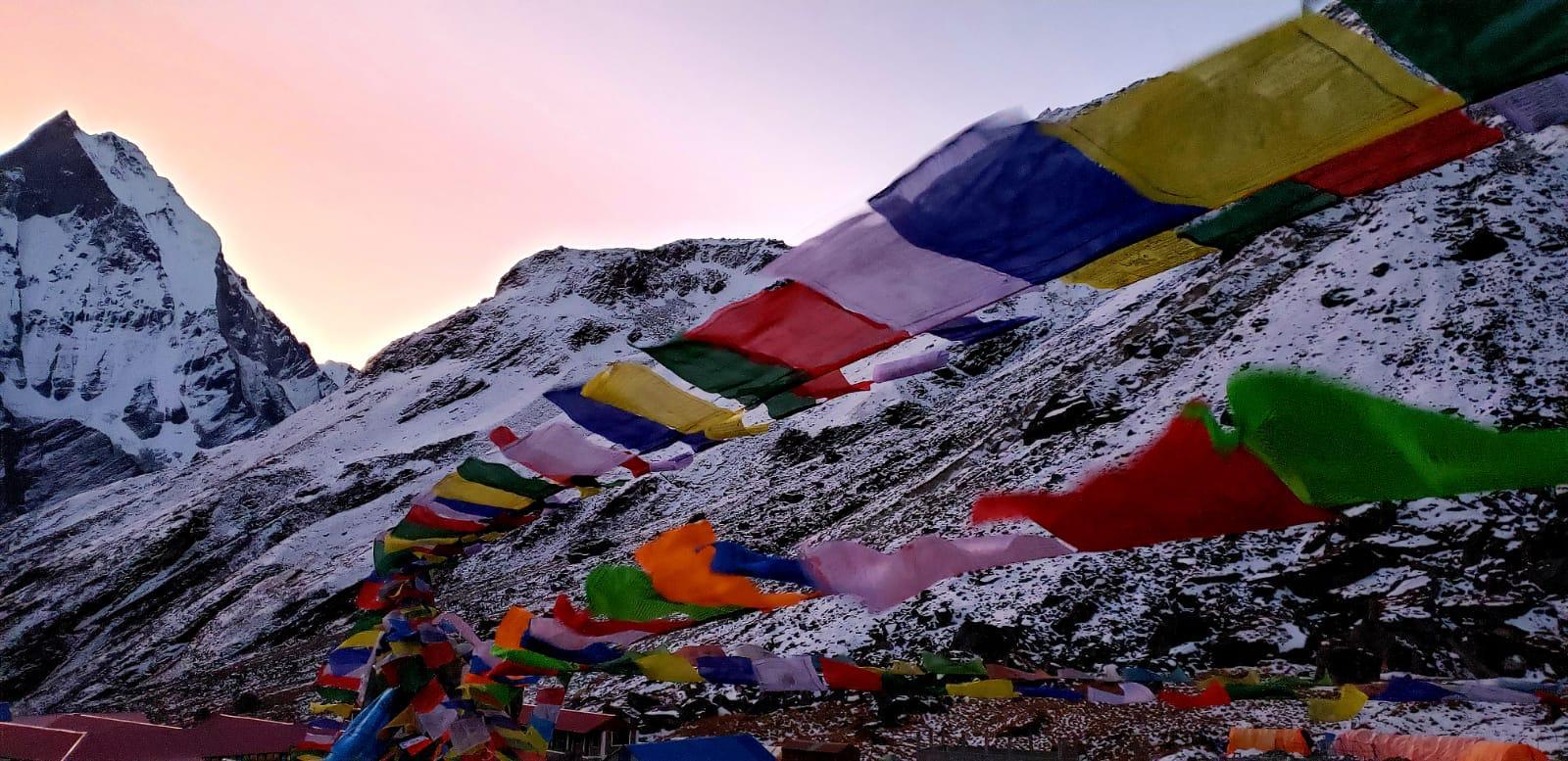
Throughout the trek, you encounter prayer wheels, mani walls, chortens, monasteries, and colorful prayer flags decorating the trail and villages.

Reaching Kyanjin Gompa is particularly meaningful. Situated at around 3,870 meters, the settlement is surrounded by spectacular mountain scenery and represents an important cultural and spiritual point within the Langtang Valley.

Walking past prayer flags fluttering in the mountain wind and hearing prayer wheels turn as you follow the trail creates an atmosphere that is difficult to experience anywhere else.

6. Reaching the High Himalayan World Around Kyanjin Gompa – Langtang and Tamang Heritage Trek

The journey to Kyanjin Gompa marks one of the great highlights of the Langtang section.

As you climb higher, forests gradually give way to alpine terrain. The landscape becomes more rugged, the air thinner, and the surrounding mountains increasingly impressive.

Kyanjin Gompa also provides an opportunity for optional acclimatization hikes.

Trekkers can explore viewpoints such as Kyanjin Ri or attempt Tserko Ri, depending on their itinerary, fitness, weather conditions, and acclimatization.

Standing above the valley with panoramic Himalayan views is a powerful reminder of how far you’ve traveled from Kathmandu.

7. Experiencing Two Different Sides in One Trek – Langtang and Tamang Heritage Trek

Perhaps the greatest advantage of combining the two routes is the diversity of experiences.

The Tamang Heritage Trail introduces you to traditional villages, local culture, homestays, forests, hot springs, and rural Himalayan life.

The Langtang Valley then takes you deeper into the mountains, with spectacular peaks, glaciers, alpine landscapes, and high-altitude trekking around Kyanjin Gompa.

Together, they create a journey that feels much more complete than experiencing either trail alone.

You don’t simply trek toward a destination—you experience the people, culture, landscapes, and mountains of the Langtang region along the way.

Why Combine Langtang Valley and Tamang Heritage Trail?

Combining the two routes is ideal for travelers who want more than just mountain views.

The journey offers a unique balance of:

Dramatic Himalayan scenery

Traditional Tamang villages

Buddhist culture and monasteries

Beautiful Himalayan forests

Natural hot springs

Local homestay experiences

Authentic trekking away from heavily crowded routes

High-altitude landscapes around Kyanjin Gompa

It is particularly appealing to trekkers who want to experience both the cultural and natural sides of Nepal’s Himalayas.

Best Time for the Langtang Valley & Tamang Heritage Trek

The best seasons are generally spring and autumn.

March to May brings warmer temperatures, blooming rhododendrons, and beautiful mountain scenery. Spring can be particularly rewarding for photographers and nature lovers.

September to November is another excellent period, with generally clear skies, good mountain visibility, and comfortable trekking conditions.

Winter can bring cold temperatures and snow at higher elevations, while the monsoon months can bring rain, clouds, and slippery trails.

Choosing the right season can significantly improve your trekking experience.

How Difficult Is the Trek?

The Langtang Valley and Tamang Heritage Trek is generally considered a moderate trek, but the combination is more demanding than a short Langtang Valley itinerary because of its longer duration and varied terrain.

You should be prepared for several hours of walking each day, including uphill and downhill sections.

Altitude is another important consideration, particularly as you approach Kyanjin Gompa and undertake optional hikes to higher viewpoints.

Good physical preparation, gradual acclimatization, adequate hydration, and a sensible itinerary are essential for enjoying the trek safely.

A Trek That Goes Beyond the Mountains

The most remarkable thing about the Langtang Valley and Tamang Heritage Trek is that the mountains are only part of the story.

You remember the snow-covered peaks, but you also remember the smile of a local host.

You remember the long days on the trail, but you also remember the warmth of a village teahouse.

You remember reaching Kyanjin Gompa, but you also remember turning a prayer wheel, crossing a suspension bridge, walking through rhododendron forests, and relaxing in the hot springs at Tatopani.

These experiences transform a trekking itinerary into a genuine Himalayan adventure.

Final Thoughts

The Langtang Valley and Tamang Heritage Trek is an excellent choice for travelers searching for a Himalayan journey that combines spectacular scenery with authentic culture and meaningful experiences.

From traditional Tamang villages and natural hot springs to Buddhist monasteries and the towering peaks surrounding Kyanjin Gompa, every section of the trek offers something different.

If you want to experience Nepal beyond the classic trekking routes, this journey deserves a place on your adventure list.

The mountains may be what bring you to Langtang but the people, culture, and unforgettable moments are what stay with you long after you leave.

QUICK INQUIRY

10 Incredible Reasons to Trek the Langtang Valley in 2026

Langtang Valley in 2026

10 Incredible Reasons to Trek the Langtang Valley in 2026, nestled in the heart of Nepal’s Himalayas, the Langtang Valley offers an unforgettable combination of spectacular mountain scenery, peaceful trails, rich Tamang and Tibetan-influenced culture, and authentic Himalayan hospitality. While Everest Base Camp and the Annapurna region often receive the most attention, Langtang provides a more intimate trekking experience without compromising on breathtaking landscapes.

If you are planning a Himalayan adventure in 2026, here are 10 incredible reasons to put the Langtang Valley Trek on your list.

Langtang Valley in 2026: 10 Incredible Reasons to Visit

1. Experience Breathtaking Himalayan Mountain Views

5
10 Incredible Reasons to Trek the Langtang Valley in 2026 12

One of the biggest attractions of the Langtang Valley Trek is its spectacular mountain scenery. As you ascend through the valley, the landscape gradually transforms from lush forests and rivers into dramatic alpine terrain.

You can enjoy impressive views of peaks such as Langtang Lirung (7,227 m), Langtang Ri, Dorje Lakpa, and other surrounding Himalayan summits. The changing scenery makes almost every day on the trail feel different.

2. Enjoy a Less Crowded Himalayan Trek

If you prefer peaceful mountain trails over busy trekking routes, Langtang is an excellent choice.

Compared with some of Nepal’s more famous trekking destinations, the Langtang Valley generally offers a quieter atmosphere. This allows you to enjoy the surrounding mountains, forests, villages, and rivers at a more relaxed pace.

For trekkers looking for a more peaceful Himalayan experience in 2026, this can be a major advantage.

3. Discover Authentic Tamang and Himalayan Culture

IMG 29e02dde58d10b445323e4a0ef01a22c V
10 Incredible Reasons to Trek the Langtang Valley in 2026 13

The Langtang region is home to communities with strong Tamang and Tibetan cultural influences. Trekking through the valley gives you opportunities to experience traditional villages, Buddhist monasteries, prayer wheels, mani walls, colorful prayer flags, and local customs.

Villages such as Lama Hotel, Langtang Village, and Kyanjin Gompa provide glimpses into life in the high Himalayas.

The cultural experience is one of the elements that makes Langtang more than simply a mountain trek.

4. Visit the Beautiful Kyanjin Gompa

1
10 Incredible Reasons to Trek the Langtang Valley in 2026 14

For many trekkers, reaching Kyanjin Gompa is the highlight of the Langtang Valley Trek.

Located at around 3,870 meters, Kyanjin Gompa is surrounded by spectacular Himalayan peaks and alpine landscapes. The village also serves as an excellent base for exploring the surrounding mountains and viewpoints.

Trekkers with extra time can take day hikes toward Kyanjin Ri or Tserko Ri for even more impressive panoramic views.

5. Explore Dramatic Himalayan Landscapes

1 1
10 Incredible Reasons to Trek the Langtang Valley in 2026 15

The Langtang trail passes through an incredible variety of landscapes.

Your journey can include:

  • Dense rhododendron and oak forests
  • Waterfalls and mountain streams
  • Suspension bridges
  • Traditional Himalayan villages
  • Glacial valleys
  • Alpine meadows
  • Snow-covered peaks
  • High-altitude viewpoints
4
10 Incredible Reasons to Trek the Langtang Valley in 2026 16

The dramatic transformation of the landscape as you gain elevation is one of the most rewarding parts of the trek.

6. Trek through Beautiful Rhododendron Forests

Langtang is particularly beautiful during spring when Nepal’s national flower, the rhododendron, blooms across the hillsides.

The trail winds through forests filled with rhododendron, oak, pine, and other Himalayan vegetation. In spring, the combination of colorful flowers and snow-covered mountains creates an especially spectacular setting.

However, Langtang remains an attractive trekking destination throughout much of the year, depending on weather and trail conditions.

7. Explore the Langtang National Park

The Langtang Valley lies within Langtang National Park, one of Nepal’s remarkable protected areas.

The park protects diverse Himalayan ecosystems ranging from subtropical forests to high alpine environments. Trekkers may encounter wildlife such as Himalayan langurs, musk deer, Himalayan black bears, and numerous bird species, although wildlife sightings are never guaranteed.

The national park setting adds another fascinating dimension to the trekking experience.

8. Experience Himalayan Hospitality

One of the most memorable aspects of trekking in Nepal is staying in local teahouses and interacting with the people who live along the trail.

During the Langtang Valley Trek, you can enjoy warm hospitality, traditional meals, comfortable teahouse stays, and conversations with local families.

After a long day of walking through the mountains, sitting down with a hot meal and looking out toward the Himalayas can become one of the simplest—and most rewarding—memories of the journey.

9. Reach an Incredible Himalayan Viewpoint

The Langtang Valley Trek offers opportunities to climb higher than the main trekking route without requiring technical mountaineering skills.

IMG 73185cedd892e21b9350b3ece486dd4c V
10 Incredible Reasons to Trek the Langtang Valley in 2026 17

Kyanjin Ri and Tserko Ri are popular viewpoints around Kyanjin Gompa. From these high points, trekkers can enjoy expansive views of the Langtang range and surrounding Himalayan landscape.

For adventurous trekkers, adding one of these viewpoints can turn an already beautiful trek into an even more rewarding experience.

10. Combine Adventure with a Manageable Trekking Duration

Another major advantage of Langtang is its relatively accessible location from Kathmandu.

The trek can often be completed in around 7–10 days, depending on the chosen itinerary, acclimatization schedule, side trips, and transportation arrangements.

This makes it particularly appealing to travelers who want to experience the Himalayas but have limited vacation time.

You can also extend your adventure by combining the Langtang Valley with Gosaikunda, creating a longer and more diverse Himalayan trekking experience.

When Is the Best Time to Trek Langtang Valley in 2026?

6
10 Incredible Reasons to Trek the Langtang Valley in 2026 18

The best trekking seasons are generally spring and autumn.

Spring (March to May) offers pleasant trekking conditions, blooming rhododendrons, and excellent mountain scenery. Autumn (September to November) is popular for generally stable weather, clear skies, and excellent Himalayan visibility.

Winter can bring freezing temperatures and snow at higher elevations, while the monsoon season can bring rain, clouds, and slippery trails.

Your ideal travel period will ultimately depend on whether you prioritize clear mountain views, warmer temperatures, fewer trekkers, or the chance to see rhododendrons in bloom.

Langtang Valley in 2026: How Difficult Is the Langtang Valley Trek?

The Langtang Valley Trek is generally considered a moderate trek, although difficulty depends on your fitness level, itinerary, altitude, weather, and daily walking distance.

The highest point varies depending on your chosen side trips. Trekkers attempting Tserko Ri will reach significantly higher elevations than those who finish their trek around Kyanjin Gompa.

Proper acclimatization is important, particularly as you approach higher elevations.

You do not need technical climbing experience for the standard Langtang Valley Trek, but good physical preparation will make the experience considerably more enjoyable.

Langtang Valley in 2026: What Makes Langtang Different From Everest Base Camp?

Both Langtang and Everest Base Camp offer extraordinary Himalayan experiences, but they have different personalities.

Langtang is particularly appealing if you want a shorter, quieter, culturally rich trekking experience with beautiful forests and dramatic mountain scenery.

Everest Base Camp is ideal if reaching the legendary base camp of Mount Everest is your primary goal and you want to experience the famous Khumbu region.

If you have already completed Everest Base Camp, Langtang can also provide a completely different perspective of Nepal’s Himalayas.

Langtang Valley in 2026: Is Langtang Valley Worth Visiting?

Absolutely.

For travelers searching for spectacular scenery, authentic Himalayan culture, peaceful trails, and a rewarding adventure without committing to a very long expedition, the Langtang Valley Trek is an excellent option.

The combination of mountains, forests, Buddhist culture, traditional villages, wildlife, and high-altitude viewpoints makes Langtang one of Nepal’s most rewarding trekking regions.

Whether you are a first-time Himalayan trekker or an experienced adventurer looking for something beyond the classic routes, 2026 could be the perfect year to discover Langtang Valley.

Langtang Valley in 2026: Plan Your Langtang Valley Adventure

Ready to experience the incredible landscapes of the Langtang region?

A well-planned itinerary, appropriate acclimatization, reliable local support, and the right trekking season can make a significant difference to your experience.

Treks Planner Nepal can help you plan your Langtang adventure according to your available time, fitness level, and trekking preferences from a classic Langtang Valley itinerary to an extended Langtang and Gosaikunda Trek.

The Himalayas are waiting. Make 2026 the year you discover Langtang Valley.

QUICK INQUIRY

Ultimate Guide to Solo Trekking to Manaslu Circuit: 10 Expert Tips for 2027

Solo Trekking to Manaslu Circuit

Introduction

Ultimate Guide to Solo Trekking to Manaslu Circuit: 10 Expert Tips for 2027 is your complete resource for planning an unforgettable adventure in one of Nepal’s most remote and spectacular trekking destinations. The Manaslu Circuit Trek is one of Nepal’s most breathtaking Himalayan journeys, taking trekkers through remote mountain villages, deep river gorges, ancient Buddhist monasteries, and across the dramatic Larke Pass (5,106 m). Often regarded as a quieter alternative to the Everest Base Camp and Annapurna Circuit treks, the Manaslu region rewards adventurers with pristine mountain landscapes, authentic Tibetan-influenced culture, and a true off-the-beaten-path experience.

For many adventure enthusiasts, the idea of solo trekking on the Manaslu Circuit is incredibly appealing. Trekking independently allows for greater flexibility, personal reflection, and the opportunity to explore the Himalayas at your own pace. However, unlike many other trekking routes in Nepal, the Manaslu Circuit is governed by special regulations that make true solo trekking impossible for foreign nationals.

So, can you trek the Manaslu Circuit alone in 2027?

The short answer is no at least not in the traditional sense. The Manaslu region is a restricted area, and the Nepalese government requires international trekkers to obtain a Restricted Area Permit (RAP), travel with a licensed guide, and be part of a group of at least two trekkers.

The good news is that you can still enjoy a private trekking experience, even if you’re traveling alone. Many trekking agencies can arrange a private departure by pairing your permit with another trekker or organizing the required paperwork while ensuring you have your own guide and personalized itinerary.

In this comprehensive guide, you’ll learn everything you need to know about solo trekking on the Manaslu Circuit in 2027, including the latest permit regulations, safety considerations, costs, practical tips, and the best alternatives for independent travelers.

Why the Manaslu Circuit Is Different – Solo Trekking to Manaslu Circuit

Unlike popular trekking regions such as Everest or Annapurna, the Manaslu region is classified as a restricted trekking area by the Government of Nepal.

These regulations were introduced to:

  • Preserve the region’s unique Tibetan Buddhist culture.
  • Protect the fragile Himalayan environment.
  • Improve trekker safety in remote mountain areas.
  • Strengthen border security due to the proximity of Tibet (China).
  • Support sustainable tourism and benefit local communities.

Because of these regulations, the Manaslu Circuit follows stricter trekking rules than many other destinations in Nepal.

Can You Trek the Manaslu Circuit Completely Solo?

This is one of the most frequently asked questions by trekkers planning a Himalayan adventure.

The answer is yes.

Under the latest trekking regulations, international travelers can now trek the Manaslu Circuit as solo trekkers, provided they book their trek through a government-registered Nepali trekking agency. This means you no longer need to be part of a group of at least two trekkers to obtain the necessary permits.

To trek solo on the Manaslu Circuit, you must:

Book your trek through a registered Nepali trekking agency.

Obtain the required trekking permits, including the Manaslu Restricted Area Permit (RAP), Manaslu Conservation Area Permit (MCAP), and Annapurna Conservation Area Permit (ACAP).

Follow the latest trekking regulations and permit procedures arranged by your trekking agency.

While you can now travel as a solo trekker, organizing your trek through an experienced local agency remains mandatory. Your agency will handle all permit applications, logistics, transportation, accommodation arrangements, and provide up-to-date information on trail conditions and local regulations.

This change offers greater flexibility for independent travelers while ensuring that trekking in the remote Manaslu region remains well-managed, safe, and environmentally responsible. Whether you’re looking for complete independence or prefer additional services such as a guide or porter, a registered trekking agency can customize the experience to match your travel style.

What Does “Solo Trekking” Really Mean on the Manaslu Circuit?

Many trekkers use the term solo trekking to mean traveling without friends or family rather than hiking entirely alone.

If you’re traveling independently, you can still enjoy:

A private guide dedicated to your trek.

A flexible itinerary tailored to your pace.

Personal accommodation arrangements.

Freedom to stop, explore, and photograph as you wish.

This provides much of the independence solo travelers seek while meeting Nepal’s legal requirements.

Solo Trekking to Manaslu Circuit – Why Are Guides Mandatory?

Some trekkers initially view the guide requirement as a limitation, but most discover it becomes one of the highlights of the journey.

An experienced local guide can:

Navigate remote trails with confidence.

Monitor your health and acclimatization.

Communicate with local communities.

Arrange accommodation and meals.

Respond quickly in emergencies.

Share fascinating stories about local culture, history, and traditions.

Instead of restricting your adventure, a knowledgeable guide often makes it richer, safer, and more meaningful.

Is the Rule Likely to Change in 2027?

As of 2027, there has been no indication that Nepal plans to remove the mandatory guide and permit requirements for the Manaslu Circuit.

Travelers should plan their trek assuming the current regulations will remain in place. Always confirm the latest permit policies with your trekking agency before booking.

Who Should Consider the Manaslu Circuit?

The Manaslu Circuit is an excellent choice for trekkers who:

Want to avoid the crowds of Everest and Annapurna.

Enjoy remote wilderness and authentic mountain culture.

Are physically prepared for high-altitude trekking.

Appreciate slower-paced, immersive adventures.

Want to cross one of Nepal’s most scenic mountain passes.

It’s particularly rewarding for experienced hikers seeking a quieter Himalayan experience.

10 Expert Tips for Solo Travelers Planning the Manaslu Circuit

1. Book Through a Reputable Trekking Agency

Choose a government-registered trekking company with experienced guides and transparent pricing. A reliable agency will handle permits, transportation, accommodation, and logistics, allowing you to focus on the adventure.

2. Don’t Worry About Traveling Alone

Many people arrive in Nepal as solo travelers. Trekking agencies often coordinate permit arrangements for individual clients while providing a private guide, so you can still enjoy an independent experience.

3. Train Before You Arrive

The Manaslu Circuit involves long hiking days, steep ascents, and high altitude. Build your endurance with regular hiking, stair climbing, strength training, and cardiovascular exercise before your trip.

4. Respect the Altitude

Crossing Larke Pass (5,106 m) is physically demanding. Take acclimatization seriously, stay hydrated, and avoid rushing your ascent.

5. Pack Light but Smart

Bring only the essentials. A lightweight backpack makes long trekking days more comfortable while still allowing space for warm clothing, rain gear, and emergency supplies.

6. Carry Enough Cash

There are no ATMs along the Manaslu Circuit. Bring enough Nepalese Rupees to cover drinks, snacks, Wi-Fi, charging, showers, and personal expenses.

7. Purchase Comprehensive Travel Insurance

Ensure your insurance covers high-altitude trekking and helicopter evacuation. This is one of the most important investments you can make before your trip.

8. Stay Flexible

Weather, trail conditions, and altitude can all affect your schedule. Building an extra day into your itinerary provides valuable flexibility.

9. Embrace the Local Culture

Visit monasteries, learn a few Nepali greetings, and interact respectfully with local communities. These cultural experiences often become the most memorable part of the trek.

10. Enjoy the Journey

The Manaslu Circuit isn’t just about reaching Larke Pass—it’s about immersing yourself in one of Nepal’s most remote and culturally rich mountain regions. Slow down, appreciate the scenery, and enjoy every step.

Manaslu Circuit Permit Requirements for Solo Travelers

One of the biggest differences between the Manaslu Circuit and many other trekking routes in Nepal is its permit system.

Since the Manaslu region is classified as a restricted area, international trekkers must obtain several permits before beginning their journey.

1. Manaslu Restricted Area Permit (RAP)

The Restricted Area Permit is mandatory for all foreign trekkers entering the restricted section between Jagat and Dharapani.

The permit:

  • Must be arranged through a registered Nepali trekking agency
  • Cannot be obtained independently
  • Requires a licensed trekking guide
  • Requires a minimum of two trekkers on the permit application
  • Permit prices vary depending on the trekking season.

2. Manaslu Conservation Area Permit (MCAP)

This permit helps support conservation projects and environmental protection within the Manaslu Conservation Area.

Every trekker must obtain an MCAP before entering the region.

3. Annapurna Conservation Area Permit (ACAP)

After crossing Larke Pass, the trail enters the Annapurna Conservation Area.

An ACAP is therefore required to complete the trek.

How Can Solo Travelers Meet the Two-Person Rule?

Many first-time visitors assume they must find a trekking partner before arriving in Nepal.

Fortunately, that’s usually unnecessary.

Most reputable trekking agencies can:

Match solo travelers with another trekker for permit purposes.

Arrange a private departure while meeting permit requirements.

Organize all paperwork before the trek begins.

This means you can still enjoy your own guide and personal itinerary without joining a large trekking group.

Cost of Solo Trekking on the Manaslu Circuit

Traveling alone often costs slightly more than joining a shared group because transportation, guide services, and logistics are not divided among multiple participants.

Typical expenses include:

Expense               Estimated Cost (USD)

Permits $160–220

Licensed Guide $30–40 per day

Porter (Optional)             $25–35 per day

Accommodation               $8–15 per night

Meals    $25–40 per day

Transportation  $35–80

Personal Expenses          Varies

While a private trek costs more, many travelers find the added flexibility and personalized experience well worth the investment.

Is Solo Trekking Safe on the Manaslu Circuit?

Yes, provided you follow the regulations and trek with an experienced licensed guide.

The Manaslu Circuit is considered safe, but it remains a remote high-altitude trail with limited infrastructure.

Potential challenges include:

High altitude

Rapid weather changes

Long distances between villages

Limited medical facilities

Rocky and uneven terrain

A knowledgeable guide significantly improves safety by monitoring your condition, assisting with navigation, and coordinating emergency support if needed.

Advantages of Traveling Solo

Although regulations prevent completely independent trekking, traveling without friends or family offers several benefits.

Flexible Schedule

You can walk at your own pace, spend extra time photographing landscapes, or enjoy longer breaks without compromising someone else’s plans.

Personalized Experience

A private guide tailors the itinerary to your interests, fitness level, and acclimatization needs.

Greater Cultural Interaction

Solo travelers often find it easier to connect with local families, monastery caretakers, and fellow trekkers along the trail.

Quiet Himalayan Experience

Without the distractions of a large group, many trekkers feel a deeper connection with the mountains and the peaceful atmosphere of the Manaslu region.

Challenges Solo Travelers Should Consider

Solo travel also comes with a few disadvantages.

Higher Cost

Private departures generally cost more because guide services and transportation aren’t shared.

Fewer Shared Experiences

Some travelers enjoy celebrating milestones like crossing Larke Pass with a group of friends. Traveling alone offers a different, more introspective experience.

Greater Personal Responsibility

Even with a guide, you’ll need to manage your own fitness, gear, hydration, and overall preparation.

Essential Packing Tips

Your packing list should include:

Passport and permit copies

Warm layers

Waterproof jacket

Down jacket

Hiking boots

Sleeping bag

Trekking poles

Sunglasses

Sunscreen

Headlamp

Water purification tablets

Personal medications

Power bank

Cash in Nepalese Rupees

Packing efficiently makes long trekking days more comfortable.

Frequently Asked Questions

Can I obtain the Restricted Area Permit by myself?

No. The permit must be processed through a registered trekking agency.

Can I hike without a guide?

No. A licensed guide is mandatory throughout the restricted section of the Manaslu Circuit.

Do I have to join a large group?

No. Many agencies arrange private departures for solo travelers while ensuring all permit requirements are met.

Is a porter required?

No. Hiring a porter is optional, but many trekkers appreciate the extra support, especially during the climb to Larke Pass.

Is the Manaslu Circuit suitable for first-time trekkers?

Yes, provided you have good physical fitness, prepare adequately, and allow sufficient time for acclimatization. A private guide can also make the experience more accessible for first-time visitors.

Final Verdict

Although true independent trekking is not permitted on the Manaslu Circuit, solo travelers can still enjoy an incredibly personal and rewarding Himalayan adventure. By booking through a registered trekking agency, you’ll receive the required permits, a licensed guide, and a flexible itinerary that lets you experience the trail at your own pace.

For those seeking dramatic mountain scenery, authentic Tibetan-influenced culture, and fewer crowds than Nepal’s more famous trekking routes, the Manaslu Circuit remains one of the country’s finest trekking experiences. With proper planning and the support of an experienced guide, traveling solo can be just as enriching as trekking with a group.

QUICK INQUIRY