9 Hidden Secrets of the Tsho Rolpa Trek Most Tourists Never Discover

Tsho Rolpa Trek

9 Hidden Secrets of the Tsho Rolpa Trek Most Tourists Never Discover , hidden deep within the wild Rolwaling Valley of Nepal lies a breathtaking Himalayan adventure that remains untouched by mass tourism, the Tsho Rolpa Trek. While thousands of trekkers crowd the trails of Everest and Annapurna every year, only a small number of travelers venture into this remote mountain region where glacial lakes, ancient Sherpa villages, and towering snow-covered peaks create an experience unlike anywhere else in Nepal.

At over 4,500 meters above sea level, Tsho Rolpa is one of Nepal’s largest and most spectacular glacial lakes. Its surreal turquoise waters sit beneath dramatic Himalayan giants, surrounded by rugged cliffs, glaciers, and untouched alpine wilderness. But the true magic of this trek goes far beyond the lake itself.

The Tsho Rolpa Trek is filled with hidden secrets most tourists never discover, sacred monasteries tucked into isolated valleys, forgotten trails leading to breathtaking viewpoints, rare Himalayan wildlife, mysterious local legends, and authentic mountain culture preserved far from commercial trekking routes.

If you are searching for a raw Himalayan adventure that feels genuinely undiscovered, this trek may become one of the most unforgettable journeys of your life.

Here are the 9 hidden secrets of the Tsho Rolpa Trek that make this remote Himalayan trail so special.

1. The Valley Feels like Old Nepal – Tsho Rolpa Trek

One of the first things trekkers notice in the Rolwaling region is the silence. Unlike Everest or Annapurna, there are no busy tea house crowds, no traffic of trekkers, and no commercialized villages.

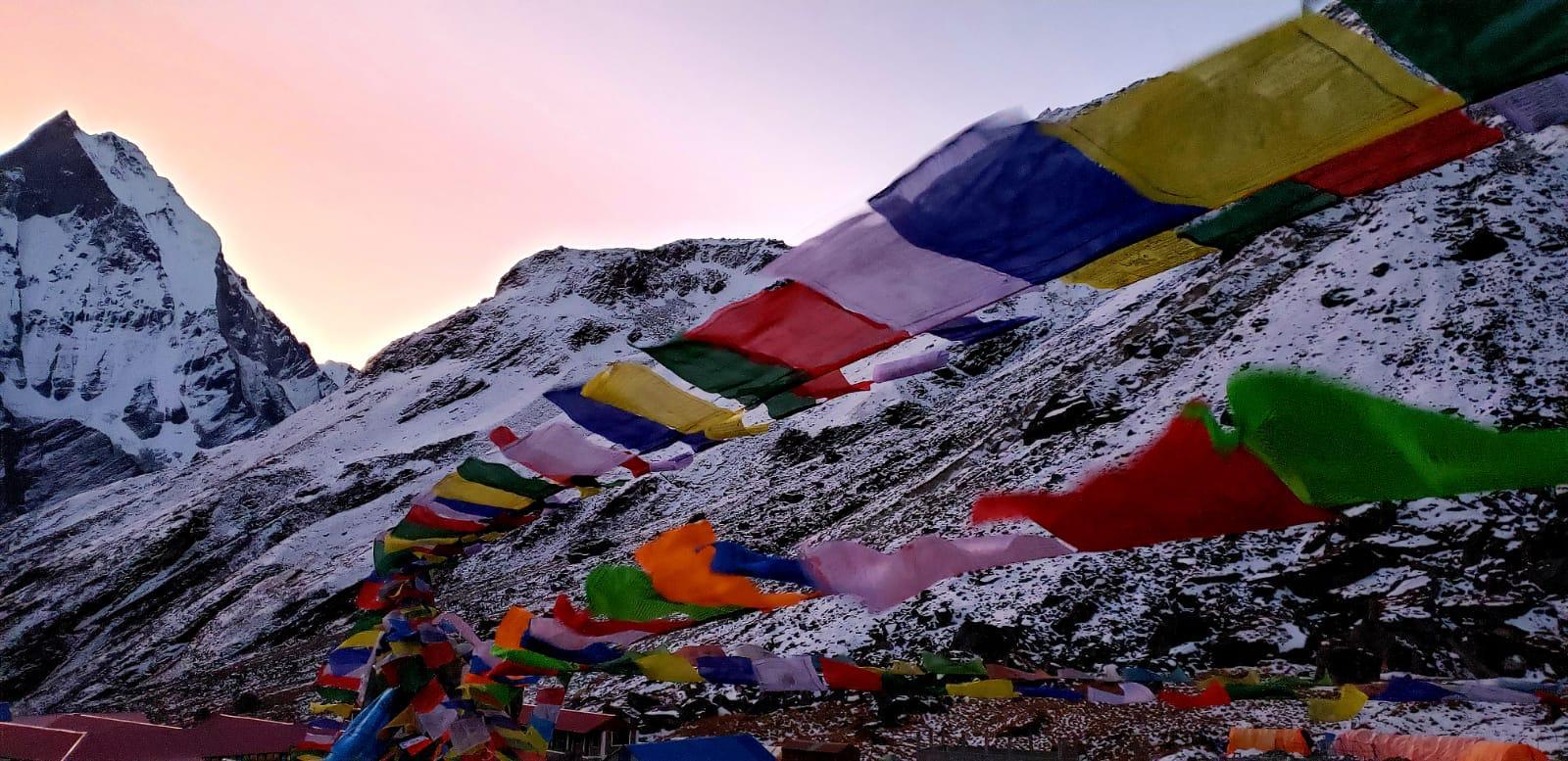
The trail passes through remote settlements where traditional stone houses, prayer walls, and yak caravans still dominate daily life. In many places, it feels as though time has stopped decades ago.

For travelers searching for the “real Himalayas,” this untouched atmosphere becomes the most unforgettable part of the journey.

2. Tsho Rolpa Trek Changes Color Throughout the Day

1
9 Hidden Secrets of the Tsho Rolpa Trek Most Tourists Never Discover 7

Most photos online show the lake in a single shade of turquoise, but very few visitors realize how dramatically Tsho Rolpa changes color depending on sunlight and weather.

At sunrise, the lake often appears deep blue and mysterious. By midday, sunlight transforms it into a glowing turquoise mirror beneath the glaciers. During cloudy weather, the lake turns dark and dramatic, creating an almost surreal landscape.

This constantly shifting beauty makes every moment at the lake feel different.

3. Hidden Buddhist Monasteries along the Trail – Tsho Rolpa Trek

Scattered throughout the valley are ancient monasteries and meditation sites that many trekkers walk past without noticing.

Small gompas decorated with faded prayer flags sit quietly against steep cliffs, while monks continue centuries-old Tibetan Buddhist traditions in near isolation. Some villages even have hidden chortens and sacred stones believed to protect travelers from mountain spirits.

These spiritual landmarks give the trek a deeply peaceful atmosphere rarely found on Nepal’s popular routes.

4. You Can Witness Rare Himalayan Wildlife from Tsho Rolpa Trek

2
9 Hidden Secrets of the Tsho Rolpa Trek Most Tourists Never Discover 8

The Rolwaling Valley is one of Nepal’s least explored wildlife regions. Because of its remoteness, the area remains home to elusive Himalayan animals that are rarely spotted elsewhere.

Trekkers occasionally encounter:

Himalayan thar

Musk deer

Langur monkeys

Himalayan griffon vultures

Blue sheep

Locals even speak of snow leopard sightings in the upper valley during winter months.

For nature lovers, the wilderness around Tsho Rolpa feels completely untouched.

5. The Night Sky Is Absolutely Unreal at Tsho Rolpa Trek

One secret nobody talks about enough is the night sky in Rolwaling Valley.

With almost no light pollution, the stars appear astonishingly bright. On clear nights, the Milky Way stretches across the Himalayan sky while snow peaks glow faintly under moonlight.

Many trekkers describe the experience as more memorable than reaching the lake itself.

Camping or staying overnight in the upper valley becomes magical after dark.

6. Local Sherpa Culture Is Deeply Preserved at Tsho Rolpa Trek

Because tourism remains limited, local traditions in the Rolwaling region are still strongly preserved.

Villagers continue practicing ancient customs connected to Tibetan Buddhism, yak herding, and seasonal mountain migration. Traditional clothing, handmade tools, and local dialects are still commonly seen in everyday life.

Unlike heavily commercialized trekking regions, interactions here feel genuine rather than tourist-oriented.

Travelers who take time to speak with locals often leave with a far deeper connection to the region.

7. The Trek Offers Stunning Glacier Views Few People Ever See from Tsho Rolpa Trek

3

Most visitors focus only on the lake itself, but the surrounding glaciers are equally breathtaking.

Massive icefalls descend from surrounding Himalayan giants, creating dramatic frozen landscapes that feel closer to Tibet than mainstream Nepal trekking routes.

The glacier scenery near Tsho Rolpa is raw, wild, and incredibly photogenic — especially during early morning light.

Few trekkers realize how vast and beautiful the upper valley truly is until they stand there themselves.

8. There Are Sacred Legends Hidden in the Mountains of Tsho Rolpa Trek

The Rolwaling Valley is filled with myths and spiritual stories passed down for generations.

Locals believe certain caves were used by great Buddhist masters for meditation, while nearby peaks are considered sacred protector mountains. Some villagers even speak about mysterious hidden valleys known as “Beyul” spiritual sanctuaries believed to reveal themselves only to pure-hearted travelers.

These ancient legends add a mysterious energy to the entire trek.

You don’t just walk through mountains here — you walk through stories.

9. Almost Nobody Knows About the Nearby Dudh Kunda Connection

Dudh Kunda
9 Hidden Secrets of the Tsho Rolpa Trek Most Tourists Never Discover 9

One of the biggest hidden secrets is that experienced trekkers sometimes combine the Tsho Rolpa route with remote passes leading toward the famous sacred lake of Dudh Kunda.

This extended journey crosses wild alpine terrain rarely visited by outsiders. The route becomes far more challenging, but also far more rewarding for serious adventure seekers.

Very few tourists ever experience this hidden side of the Rolwaling region.

Final Thoughts

The Tsho Rolpa Trek is not just another Himalayan trek. It is a journey into one of Nepal’s last untouched mountain valleys  a place where silence, spirituality, wilderness, and authentic culture still exist far from mass tourism.

For travelers willing to step away from crowded trekking routes, Rolwaling offers something increasingly rare in today’s world: genuine discovery.

The hidden secrets of Tsho Rolpa are not found in guidebooks or social media posts. They are found in quiet monasteries, conversations with villagers, glacier winds, and the feeling of standing completely alone beneath the Himalayas.

And perhaps that is exactly what makes this trek so unforgettable.

10 Unforgettable Langtang Valley Experiences You Can’t Miss

Langtang Valley Experiences

10 Unforgettable Langtang Valley Experiences You Can’t Miss. If you’re planning a trek in Nepal, here are 10 experiences that will define your Langtang journey.

Introduction: A Valley That Stays with You

Tucked just north of Kathmandu, the Langtang Valley Trek is often called the “closest Himalayan escape” but that description doesn’t do it justice.

This is not just a trekking destination. It’s a journey through shifting landscapes, ancient Tamang culture, glacial rivers, and towering snow peaks that quietly dominate the horizon. Unlike the more commercial trekking routes in Nepal, Langtang still feels raw, peaceful, and deeply personal.

From moss-covered forests to high alpine viewpoints, every step in this valley brings something new something unforgettable.

1. Walking Through Rhododendron Forest Langtang Valley Experiences

Forest
10 Unforgettable Langtang Valley Experiences You Can’t Miss 17

One of the first magical experiences in Langtang is walking through dense forests filled with rhododendron trees, pine, and oak.

In spring, the entire trail bursts into color—reds, pinks, and whites painting the hillsides like a natural festival.

  • Best seen between March–April
  • Ideal for photography and nature lovers
  • Peaceful forest trails with occasional wildlife sightings

This section of the trek feels almost cinematic—quiet, colorful, and alive.

2. Mountain Views That Define Langtang Valley Experiences

57034635 598149547320645 1614949093895831552 n
10 Unforgettable Langtang Valley Experiences You Can’t Miss 18

There’s a moment on the trail when the valley suddenly opens up—and there it is: Langtang Lirung (7,227m), dominating the skyline.

It often appears unexpectedly, making the experience even more powerful.

  • Massive glacier-fed peak
  • Dramatic sunrise and sunset views
  • One of the most photographed mountains in the region

Most trekkers say this is the moment they realize why they came.

3. Cultural Immersion in Tamang Villages Langtang Valley Experiences

2 1
10 Unforgettable Langtang Valley Experiences You Can’t Miss 19

The Langtang region is home to the Tamang community, one of Nepal’s most culturally rich Himalayan ethnic groups.

Along the trail, you’ll stay in small villages where life remains deeply traditional.

Warm homestays and teahouses

Traditional meals like dal bhat and buckwheat roti

Buddhist prayer flags and monasteries everywhere

This cultural immersion is just as powerful as the mountains themselves.

4. Spiritual Langtang Valley Experiences at Kyanjin Gompa

At the heart of the valley lies Kyanjin Gompa, a serene village surrounded by peaks.

The monastery here is a place of silence, prayer, and reflection.

Ancient Buddhist monastery

Prayer wheels and spiritual ambiance

Incredible mountain backdrop

Many trekkers spend an extra day here just to slow down and absorb the atmosphere.

5. Food & Local Life Langtang Valley Experiences (Yak Cheese & More)

A surprising highlight for many travelers is the famous yak cheese produced in Kyanjin.

Locally made at high altitude dairy farms

Unique taste influenced by Himalayan herbs

A must-try snack during your stay

It’s simple but deeply tied to the local economy and lifestyle.

6. Adventure Trekking Langtang Valley Experiences at Tserko Ri Viewpoint (5,000m+)

If you want the best view in the entire Langtang region, the hike to Tserko Ri is essential.

It’s challenging but unforgettable.

  • Panoramic Himalayan views (360°)
  • Early morning summit experience
  • Physical endurance rewarded with surreal scenery

This is often the highest point of the trek for most travelers.

 7. Thrilling River Crossings in Langtang Valley Experiences

Throughout the trek, you’ll cross multiple suspension bridges hanging above roaring rivers.

  • Deep valleys below
  • Glacier-fed water rushing beneath
  • Adds adventure and adrenaline to the trek

It’s a simple experience but one that always gets remembered.

8. Wildlife Encounters in Langtang Valley Experiences

57417764 598149347320665 7157323734745874432 n rotated
10 Unforgettable Langtang Valley Experiences You Can’t Miss 20

The Langtang region lies within Langtang National Park, home to rare Himalayan wildlife.

If you’re lucky, you may spot:

  • Red panda (rare and endangered)
  • Himalayan monals (Nepal’s national bird)
  • Musk deer and langurs

Even when wildlife is hidden, the forest itself feels alive.

Unlike many trekking regions, Langtang remains largely untouched by road networks deep inside the valley.

9. Remote Himalayan Lifestyle Langtang Valley Experiences

WhatsApp Image 2019 09 27 at 8.00.32 AM1
10 Unforgettable Langtang Valley Experiences You Can’t Miss 21

That means:

No vehicle noise

No urban distractions

Pure walking trails and silence

This creates a rare feeling of complete disconnect from modern life.

10. Night Sky & Stargazing Langtang Valley Experiences

At night, Langtang transforms completely.

With almost zero light pollution, the sky becomes a canvas.

  • Milky Way visibility on clear nights
  • Shooting stars common
  • Peaceful silence in mountain lodges

It’s one of the most underrated experiences in the Himalayas.

Things to Know Before You Go

While Langtang is stunning, it’s also a real mountain trek.

Expect:

  • Moderate to challenging terrain
  • Cold nights (especially above 3,000m)
  • Limited luxury facilities
  • Slow altitude gain required for safety

Preparation makes a huge difference in your experience.

Best Time to Visit Langtang Valley

Spring (March–May): Flowers, clear trails, best colors

Autumn (Sept–Nov): Crystal-clear Mountain views

Winter (Dec–Feb): Quiet but cold conditions

Monsoon (June–Aug): Not recommended due to rain and landslides

Essential Packing List

  • Warm layers (thermal + down jacket)
  • Waterproof trekking boots
  • Sleeping bag (cold-rated)
  • Sunscreen & sunglasses
  • Water purification tablets
  • Basic first aid kit

How to Reach Langtang Valley

Drive from Kathmandu to Syabrubesi (starting point)

Trek begins from Syabrubesi village

Typically, 7–10-day trekking itinerary

Final Thoughts

The Langtang Valley Trek is not just about mountains it’s about how it makes you feel.

It’s quiet, powerful, and deeply grounding. Every forest walk, every village stop, and every snowy peak view adds up to something bigger than a trek.

For many travelers, Langtang isn’t just a destination they visit it’s a place they carry with them long after they’ve left.

The Manaslu Circuit Trek Experience: 10 Surprising Truths Nobody Tells You

The Manaslu Circuit Trek Experience

The Manaslu Circuit Trek Experience: 10 Surprising Truths Nobody Tells You. The Manaslu Circuit Trek is often described as one of the last great wilderness treks in Nepal. Travelers expect giant mountains, remote villages, and a challenging Himalayan adventure and they absolutely get all of that.

But what many trekkers don’t realize is that Manaslu is full of surprises.

Some are inspiring.

Some are uncomfortable.

And some completely change the way you experience the mountains.

From brutal altitude mornings to unexpectedly deep cultural moments, here are 10 surprising truths about the Manaslu Circuit Trek that nobody really tells you before you go.

1. The Trek Feels Far More Remote Than You Expect – The Manaslu Circuit Trek Experience

IMG 45012f12d72056eb822f99ec49f07f5f V
The Manaslu Circuit Trek Experience: 10 Surprising Truths Nobody Tells You 31

People often compare Manaslu to the Annapurna Circuit, but the atmosphere feels completely different.

Once you leave the lower villages behind, the trail becomes noticeably quieter. There are long stretches where you’ll hear nothing except rivers, yak bells, and the wind pushing through the valleys.

Unlike the busy Everest and Annapurna regions, Manaslu still feels genuinely isolated. In some villages, life moves at a pace that hasn’t changed for generations.

That remoteness becomes one of the trek’s greatest strengths but also one of its biggest challenges.

2. The Suspension Bridges Can Be Terrifying – The Manaslu Circuit Trek Experience

Manaslu Suspension Bridge
The Manaslu Circuit Trek Experience: 10 Surprising Truths Nobody Tells You 32

Nepal is famous for suspension bridges, but the ones in the Manaslu region hit differently.

Some bridges hang dramatically high above roaring glacial rivers. Others sway heavily in the wind while mule caravans and yaks cross from the opposite direction.

If you’re even slightly afraid of heights, a few crossings may seriously test your nerves.

Oddly enough, many trekkers end up loving them by the end of the journey.

3. The Altitude Can Humble Even Experienced Trekkers – The Manaslu Circuit Trek Experience

WhatsApp Image 2024 04 29 at 13.26.51 c6194770
The Manaslu Circuit Trek Experience: 10 Surprising Truths Nobody Tells You 33

The trail gradually climbs toward Larke Pass at 5,106 meters, and the altitude becomes very real.

Simple things suddenly feel exhausting:

Putting on boots

Walking uphill

Carrying a backpack

Climbing stairs

Even strong hikers are surprised by how quickly thin air drains energy.

One of the biggest mistakes trekkers make is underestimating acclimatization. Manaslu rewards patience and punishes rushing.

4. The Food Is Better Than Most People Expect – The Manaslu Circuit Trek Experience

When people hear “remote Himalayan trek,” they usually imagine limited meals and bland food.

Surprisingly, the teahouses on the Manaslu Circuit offer a pretty impressive variety:

Dal bhat

Fried rice

Tibetan bread

Momos

Noodles

Pancakes

Soups

Pasta

Nothing tastes better than hot garlic soup after a freezing trekking day.

And somehow, tea at high altitude always feels more comforting than tea anywhere else in the world.

5. The Weather Changes Incredibly Fast – The Manaslu Circuit Trek Experience

WhatsApp Image 2023 10 29 at 13.48.11 55381102
The Manaslu Circuit Trek Experience: 10 Surprising Truths Nobody Tells You 34

A sunny Himalayan morning can turn into snow, fog, or freezing winds within hours.

The Manaslu region has unpredictable mountain weather, especially near the higher elevations around Samdo and Larke Pass.

Trekkers are often shocked by how quickly temperatures drop once the sun disappears behind the mountains.

Layering properly becomes essential, not optional.

6. The Cultural Experience Feels Deeply Personal

WhatsApp Image 2023 10 29 at 13.48.07 64f466e0
The Manaslu Circuit Trek Experience: 10 Surprising Truths Nobody Tells You 35

One of the most unexpected parts of the trek is how authentic the cultural interactions feel.

The upper Manaslu region carries strong Tibetan Buddhist influences. Villages like Samagaun feel ancient, peaceful, and spiritually rich.

You’ll pass:

Monasteries

Prayer wheels

Mani walls

Yak caravans

Elderly locals spinning prayer beads

Because tourism is still relatively limited, many interactions feel natural rather than commercialized.

You don’t just observe the culture you feel welcomed into it.

7. Sleeping Can Become Surprisingly Difficult

Many trekkers expect the walking to be the hardest part.

Instead, they’re shocked by the sleep.

At higher altitude, it’s common to wake up repeatedly during the night. The combination of thin air, cold temperatures, and altitude can make deep sleep difficult.

Some people experience vivid dreams.

Others wake up feeling like they forgot to breathe.

It’s a strange but very normal part of high-altitude trekking.

8. Crossing Larke Pass Is More Emotional Than Physical

4
The Manaslu Circuit Trek Experience: 10 Surprising Truths Nobody Tells You 36

Most people focus on the physical challenge of crossing Larke Pass.

What surprises many trekkers is the emotional side of it.

The early morning darkness, freezing temperatures, exhaustion, and massive Himalayan scenery create a powerful atmosphere. Reaching the top often feels overwhelming in the best possible way.

Some people laugh.

Some cry.

Some simply stand silently staring at the mountains.

It becomes more than just another trekking milestone.

9. The Simplicity Starts Changing Your Mindset

After several days in the mountains, something strange happens.

Your priorities shrink down to very basic things:

Warm food

A dry bed

Hot tea

Sunshine

Reaching the next village

And weirdly, that simplicity feels incredibly satisfying.

Many trekkers realize how mentally cluttered modern life feels only after spending time in remote Himalayan valleys with almost no distractions.

Manaslu has a way of slowing your mind down.

10. You’ll Probably Want to Return to Nepal Again

WhatsApp Image 2024 04 29 at 13.26.55 6c1f0ab1
The Manaslu Circuit Trek Experience: 10 Surprising Truths Nobody Tells You 37

This is the truth almost nobody warns you about.

The Manaslu Circuit Trek rarely feels like a one-time adventure.

Something about the raw landscapes, mountain culture, and daily rhythm of trekking gets under your skin. Many travelers finish the trek already thinking about future adventures in the Himalayas.

Maybe it’s Everest next.

Maybe Annapurna.

Maybe another hidden valley somewhere deep in the mountains of Nepal.

But for many trekkers, Manaslu becomes the beginning of a lifelong obsession with the Himalayas.

Final Thoughts

The Manaslu Circuit Trek is more than just a beautiful trekking route.

It’s unpredictable.

It’s physically demanding.

It’s culturally fascinating.

And at times, it can be brutally uncomfortable.

But that’s exactly what makes it unforgettable.

In a world where many famous travel experiences are becoming crowded and commercialized, Manaslu still feels wild, honest, and deeply real.

And once you experience that kind of adventure, ordinary travel never quite feels the same again.

Contact us for Package Details

Manaslu Circuit Trek: 10 Reasons You’ll Fall in Love With Nepal’s Wildest Trail

Manaslu Circuit Trek

Manaslu Circuit Trek: 10 Reasons You’ll Fall in Love With Nepal’s Wildest Trail. When people dream of trekking in Nepal, the spotlight usually lands on Everest or Annapurna. But hidden in the shadows of those famous routes lies something far more raw, untouched, and unforgettable, the Manaslu Circuit Trek.

Wrapped around the world’s eighth-highest mountain, Mount Manaslu, this trail is where ancient Himalayan culture, dramatic landscapes, and true wilderness collide. It’s not just another trek. It feels like stepping into a forgotten world where suspension bridges swing above roaring rivers, yak caravans still dominate the trails, and snow-covered passes test both your legs and your spirit.

If you’re searching for a Himalayan adventure that still feels authentic, here are 10 reasons why the Manaslu Circuit Trek might completely steal your heart.

1. It’s One of Nepal’s Last Truly Wild Treks – Manaslu Circuit Trek

Unlike the crowded trails of Everest and Annapurna, Manaslu still feels untouched. Days can pass without seeing large trekking groups. The villages remain quiet, the forests dense, and the mountains overwhelmingly massive.

There’s a rare sense of isolation here, the good kind. The kind that reminds you how small you are compared to the Himalayas.

The trail winds through remote valleys where modern roads barely exist, making every step feel like a real expedition rather than a tourist route.

2. The Mountain Views Are Absolutely Unreal – Manaslu Circuit Trek

The trek circles around Mount Manaslu at 8,163 meters, but that’s only the beginning.

You’ll also witness towering Himalayan giants like:

  • Himalchuli
  • Ngadi Chuli
  • Ganesh Himal
  • Annapurna II

And because the trails are quieter, you often get these views entirely to yourself.

Sunrise in the high Himalayas here feels less like sightseeing and more like witnessing something sacred.

3. Crossing Larke Pass Feels Like a Real Achievement – Manaslu Circuit Trek

Every legendary trek has its defining moment. For Manaslu, it’s crossing Larke Pass at 5,106 meters.

The climb begins before dawn. Headlamps flicker across icy trails while freezing winds sweep down from the glaciers. But once you finally stand at the top, prayer flags snapping wildly in the wind, the feeling is indescribable.

It’s exhausting.

It’s emotional.

And it’s worth every painful step.

Many trekkers say crossing Larke Pass becomes one of the proudest moments of their lives.

4. The Culture Feels Deeply Authentic -Manaslu Circuit Trek

The Manaslu region sits close to the Tibetan border, and the cultural influence is everywhere.

You’ll walk through ancient Buddhist villages filled with:

  • Stone mani walls
  • Prayer wheels
  • Monasteries
  • Chortens
  • Colorful prayer flags

Villages like Samagaun and Samdo feel timeless, preserving traditions that have existed for centuries.

Unlike heavily commercial trekking areas, local life here still revolves around farming, yak herding, and Buddhist rituals rather than tourism alone.

5. Every Day Brings Completely Different Landscapes

One of the best things about the Manaslu Circuit is how dramatically the scenery changes.

You begin in subtropical lowlands with waterfalls, rice terraces, and lush forests. Gradually, the trail transforms into alpine meadows, glacial rivers, and barren Himalayan landscapes.

Within just a few days, you experience:

  • Dense jungles
  • Cliffside trails
  • Pine forests
  • Suspension bridges
  • Glacier valleys
  • Snow-covered mountain passes

It feels like trekking through several different countries in one journey.

6. It’s Far Less Commercialized

On some trekking routes in Nepal, Wi-Fi signs, bakeries, and crowded tea houses can sometimes dilute the wilderness experience.

Manaslu still holds onto its rugged identity.

Accommodation remains simple.

Villages remain traditional.

And the mountains remain the main attraction.

That simplicity becomes part of the magic. You stop caring about luxury and start appreciating hot tea, warm meals, and the sound of rivers outside your tea house window.

7. Wildlife Encounters Are Possible

The Manaslu Conservation Area is rich in biodiversity.

If you’re lucky, you may spot:

  • Himalayan blue sheep
  • Marmots
  • Himalayan monals
  • Musk deer
  • Snow leopard tracks

The forests are alive with birdsong, and the higher elevations feel wonderfully untamed.

Nature lovers often fall deeply in love with this trek because it still feels genuinely wild.

8. The Teahouse Experience Feels More Personal

Because the region receives fewer trekkers, interactions with locals often feel warmer and more meaningful.

Teahouse owners remember your name.

Guides share stories around the fireplace.

Families invite trekkers into kitchens heated by yak-dung stoves.

Those little human moments become just as memorable as the mountains themselves.

In many ways, the Manaslu Circuit feels like old-school Himalayan trekking before mass tourism changed the experience.

9. It Perfectly Blends Adventure and Solitude

Some treks are beautiful but easy.

Others are challenging but overcrowded.

Manaslu strikes a rare balance.

It gives you:

  • Physical challenge
  • High-altitude adventure
  • Cultural immersion
  • Incredible scenery
  • Genuine solitude

You get the thrill of a demanding Himalayan expedition without constantly sharing the trail with hundreds of people.

For many experienced trekkers, that combination is hard to beat.

10. It Changes You Long After the Trek Ends

The best treks don’t just show you mountains, they leave something behind inside you.

The Manaslu Circuit has that effect.

Maybe it’s the silence of the valleys.

Maybe it’s the kindness of the people.

Maybe it’s the struggle of crossing high passes.

Or maybe it’s simply the realization that life can feel incredibly simple and meaningful in the mountains.

Long after you return home, parts of Manaslu stay with you.

And sooner or later, you’ll probably find yourself wanting to return to the Himalayas again.

Is the Manaslu Circuit Trek Right for You?

The Manaslu Circuit Trek is ideal for travelers who want:

A less crowded alternative to Everest and Annapurna

  • Authentic Himalayan culture
  • Remote mountain wilderness
  • A physically rewarding challenge
  • Spectacular high-altitude scenery

It’s moderately to highly challenging and best suited for trekkers with decent fitness and a sense of adventure.

But if you’re willing to embrace the cold mornings, steep climbs, and remote conditions, the rewards are extraordinary.

Final Thoughts

In a world where many famous trekking routes are becoming increasingly busy and commercialized, the Manaslu Circuit Trek still feels wonderfully untamed.

  • It’s raw.
  • It’s remote.
  • It’s deeply human.

And that’s exactly why people fall in love with it.

If you’re looking for a Himalayan journey that feels authentic, adventurous, and unforgettable, Manaslu may just become your favorite trek in Nepal.

Contact us for more details

7 Reason Lobuche Peak: Best First 6000m Climb

Lobuche Peak Best First 6000m Climb

7 Reasons Lobuche Peak: Best First 6000m Climb, if you’re serious about stepping into high-altitude mountaineering, this peak doesn’t just introduce you to climbing, it forces you to prove you’re ready for the realities of the mountains.

1. Perfect Gateway to 6000m Climbing – Lobuche Peak Best First 6000m Climb

Lobuche Peak (6,119m) sits in a very strategic position in the climbing world, it’s not too easy to be dismissed, and not too extreme to be dangerous for a first attempt. That balance is exactly what makes it powerful.

For most people, the jump from trekking to mountaineering is overwhelming. You go from walking on trails to suddenly dealing with ice, altitude, and technical gear. Lobuche smooths that transition.

  • The climb is naturally progressive:
  • You begin with well-established trekking routes
  • Move into rocky glacial terrain
  • Then transition to snow and ice climbing
  • Finally face a steep, exposed summit section

This gradual exposure matters. Instead of being thrown into technical terrain immediately, your body and mind adapt step by step.

More importantly, Lobuche teaches you how your body reacts above 6000m. This is where altitude becomes brutally honest your breathing changes, your pace slows, and every step requires focus. Learning this in a relatively controlled environment is critical before attempting higher peaks.

In simple terms: Lobuche is where ambition meets reality and you find out if you’re built for this.

2. Real Mountaineering Experience (Not Just Trekking) – Lobuche Peak Best First 6000m Climb

A lot of so-called “climbing peaks” in Nepal are essentially extended treks with a small snowy section at the end. Lobuche Peak is not one of them—it demands actual mountaineering involvement.

From the moment you leave high camp, everything changes. You’re no longer just walking—you’re climbing with intent.

You’ll use:

  • Crampons to grip into ice and prevent slipping
  • Ice axe for stability and self-arrest if needed
  • Harness and ropes to stay secured on exposed sections

The summit push is where it all comes together. You’re often starting in the dark, navigating steep slopes under freezing temperatures. The air is thin, your energy is low, and every movement has to be controlled.

Fixed ropes are typically installed on the steeper sections, and you’ll use ascenders (jumars) to climb up safely. This introduces you to one of the most fundamental systems in high-altitude climbing.

Mentally, this is a shift. You’re no longer sightseeing—you’re managing risk, conserving energy, and making decisions under pressure.

That’s what makes Lobuche valuable. It doesn’t let you pretend—you either engage with real mountaineering or you struggle.

3. Unreal Himalayan Views – Lobuche Peak Best First 6000m Climb

Climbing Lobuche Peak places you in the heart of the Khumbu region, surrounded by some of the most legendary mountains on Earth. And unlike a trek, you’re not viewing them from below you’re standing at their level.

From high camp and especially the summit, you’re rewarded with panoramic views of:

  • Mount Everest rising in the distance
  • The massive wall of Lhotse dominating the skyline
  • The sharp ridges of Nuptse
  • The stunning, symmetrical beauty of Ama Dablam

But it’s not just about ticking off famous peaks. The real impact is the perspective.

At this altitude:

  • Clouds sit below you
  • Glaciers stretch endlessly across valleys
  • The scale of the Himalayas becomes almost overwhelming

It’s the kind of view that resets your sense of size and importance. And because you’ve earned it through effort and discomfort, it hits differently than anything you see on a normal trek.

4. Technical but Manageable – Lobuche Peak Best First 6000m Climb

One of the biggest fears for first-time climbers is technical difficulty—and rightfully so. Too easy, and you learn nothing. Too hard, and you’re in danger. Lobuche sits right in the middle.

The climb includes:

  • Snow slopes that can reach 40–50 degrees near the summit
  • Sections where you must clip into fixed ropes
  • Glacier crossings that require awareness and balance
  • These are real mountaineering challenges but they’re introduced in a controlled way.

Most expeditions:

  • Provide basic training before the summit push
  • Have guides fixing ropes and monitoring conditions
  • Use established routes that are regularly climbed

This structure allows beginners to experience technical climbing without being overwhelmed.

However, don’t misunderstand this as “easy.” If you’re careless, exhausted, or unprepared, even these manageable sections can become dangerous.

The beauty of Lobuche is that it gives you a safe environment to learn under pressure. You’re pushed but not thrown into chaos.

5. Built-In Acclimatization via Everest Base Camp Trek – Lobuche Peak Best First 6000m Climb

Altitude is the biggest factor in any Himalayan climb. You can be physically strong and still fail if your body doesn’t adapt properly.

This is where Lobuche has a massive advantage it follows the classic Everest Base Camp route.

Instead of rushing upward, your body acclimatizes gradually over several days.

Typical acclimatization process includes:

  • Spending time in Namche Bazaar to adjust to thinner air
  • Gaining altitude slowly through Tengboche and Dingboche
  • Taking rest days to allow your body to adapt
  • Reaching Lobuche village already partially acclimatized

By the time you reach high camp, your body has already gone through multiple adaptation stages:

  • Increased red blood cell production
  • Improved oxygen efficiency
  • Better tolerance to exertion at altitude

This dramatically increases your chances of a successful and safe summit.

It also gives you time to observe how your body reacts—headaches, appetite changes, sleep patterns which is critical knowledge for future climbs.

6. High Success Rate (If You’re Not Lazy) – Lobuche Peak Best First 6000m Climb

Let’s drop the sugarcoating Lobuche Peak has a solid success rate, but it’s not because it’s easy. It’s because the path to success is clear.

People who summit usually:

  • Show up with strong cardiovascular fitness
  • Have experience trekking at altitude
  • Stay disciplined with hydration and pacing
  • Listen to their guides

People who fail tend to:

  • Underestimate the physical demand
  • Ignore altitude symptoms
  • Skip training and rely on “hope”

At 6000m, your body is under constant stress. Fatigue builds faster, recovery is slower, and mistakes cost more.

Lobuche exposes this reality. It doesn’t care how confident you are it responds to how prepared you are.

If you train properly and respect the mountain, your chances are strong. If you cut corners, it will show.

7. Feels Like a Real Expedition Without Extreme Risk -Lobuche Peak Best First 6000m Climb

One of the most rewarding aspects of Lobuche Peak is that it gives you the full expedition experience without the extreme risks of higher Himalayan climbs.

You’ll experience:

  • Living at high altitude camps in cold, harsh conditions
  • Preparing gear for a midnight or early morning summit push
  • Climbing in darkness with headlamps
  • Battling wind, cold, and fatigue simultaneously
  • This is the essence of mountaineering.

But compared to bigger expeditions:

  • The climb is shorter in duration
  • Logistics are simpler
  • Rescue and support systems are more accessible
  • Objective risks (like avalanches on standard routes) are lower

This makes Lobuche the perfect training ground. You experience the intensity of a real expedition but in a more controlled and forgiving environment.

It builds not just physical strength, but mental resilience arguably the most important trait in mountaineering.

Final Thoughts

Lobuche Peak isn’t just a “beginner climb” it’s a proving ground.

It forces you to answer uncomfortable questions:

Can you handle altitude when it actually hurts?

Can you keep moving when your body wants to stop?

Can you stay focused when the environment becomes hostile?

This climb strips away ego and replaces it with experience.

If you summit, you don’t just gain a memory you gain confidence backed by reality. And if you struggle, you gain something even more valuable: awareness of your limits.

Either way, Lobuche gives you exactly what you need before moving on to bigger mountains.

7 Brutal Challenges of Climbing Lobuche Peak 6119 m

Climbing Lobuche Peak 6119 m

7 Brutal Challenges of Climbing Lobuche Peak 6119 m. Rising to 6,119 meters (20,075 ft) in the heart of Nepal’s Everest region, Lobuche Peak is often described as one of the best introductory Himalayan climbing peaks. Yet, many trekkers and climbers who begin the journey never make it to the summit.

Despite being considered a “trekking peak,” Lobuche is far from easy. Harsh weather, extreme altitude, and demanding terrain make it a serious mountaineering objective. Each year, climbers are forced to turn back due to challenges that test both physical endurance and mental resilience.

Here are seven brutal challenges that often stop climbers from reaching Lobuche Peak’s summit.

1. Extreme Altitude and Thin Air – Climbing Lobuche Peak 6119 m

Altitude is the biggest enemy on Lobuche Peak. At over 6,000 meters, oxygen levels drop to nearly half of what they are at sea level.

Many climbers experience symptoms of Acute Mountain Sickness, which can include:

  • Severe headaches
  • Nausea
  • Loss of appetite
  • Dizziness
  • Extreme fatigue

If ignored, it can progress into life-threatening conditions such as High-Altitude Pulmonary Edema or High-Altitude Cerebral Edema.

Without proper acclimatization during the trek through places like Everest Base Camp, many climbers are forced to abandon their summit attempt.

2. Technical Climbing Sections – Climbing Lobuche Peak 6119 m

Unlike many trekking peaks, Lobuche requires basic mountaineering skills. The final summit push includes:

  • Steep snow slopes
  • Ice walls
  • Fixed rope sections
  • Narrow ridgelines

Climbers must know how to use equipment like crampons, ice axes, and ascenders. Those without previous alpine experience often struggle in the upper sections.

3. Unpredictable Himalayan Weather – Climbing Lobuche Peak 6119 m

Weather in the Khumbu can change within minutes.

Common hazards include:

  • Sudden snowstorms
  • Strong winds above 70 km/h
  • Whiteout conditions

A clear morning can quickly turn into a dangerous climb. Poor weather frequently forces teams to retreat before reaching the summit ridge.

4. Long and Exhausting Summit Day – Climbing Lobuche Peak 6119 m

Summit day on Lobuche typically begins around 1–2 AM from High Camp.

Climbers must endure:

  • 10–14 hours of climbing
  • Freezing temperatures below -20°C
  • Steep ascents on snow and ice

By the time climbers reach the summit ridge, exhaustion often becomes the biggest obstacle.

5. Dangerous Glacier and Crevasse Zones – Climbing Lobuche Peak 6119 m

The route to Lobuche High Camp crosses sections of the Khumbu Glacier, one of the most unstable glaciers in the Himalayas.

Hidden crevasses can form without warning. Climbers must rope up and move carefully through these areas. Even experienced mountaineers treat these sections with extreme caution.

6. Mental Pressure and Fear Exposure – Climbing Lobuche Peak 6119 m

The psychological side of climbing is often underestimated.

The final ridge toward the summit of Lobuche Peak is narrow and exposed, with steep drop-offs on both sides. Fatigue combined with altitude can cause:

  • Panic
  • Loss of focus
  • Poor decision making

Some climbers choose to turn back simply because the exposure feels overwhelming.

7. Lack of Proper Preparation – Climbing Lobuche Peak 6119 m

Many trekkers underestimate Lobuche because it is labeled a “trekking peak” by the Nepal Mountaineering Association.

However, successful climbers usually prepare for months with:

  • Cardiovascular endurance training
  • Strength conditioning
  • Technical climbing practice
  • High-altitude trekking experience

Without proper preparation, the climb becomes far more difficult and riskier.

Final Thoughts

Climbing Lobuche Peak is an unforgettable Himalayan adventure, but it should never be underestimated. The mountain demands respect, preparation, and resilience.

Those who successfully reach the summit overcome brutal altitude, technical terrain, and unpredictable weather. But for many climbers, these seven challenges become the reason they must turn back before the top.

With proper acclimatization, strong physical training, and experienced guides, however, Lobuche Peak remains one of the most rewarding climbing experiences in the Himalayas.

Have you ever dreamed of climbing Lobuche Peak? Proper preparation and understanding these challenges can make the difference between turning back and standing proudly on the summit.

Contact Us or more information

Lobuche Peak Difficulty Explained: Altitude, Training and Ultimate Adventure 2026

Lobuche Peak Difficulty Explained

Lobuche Peak Difficulty Explained: Altitude, Training & a Truly Rewarding Adventure begins with a question many aspiring mountaineers ask is Lobuche Peak difficult, and am I capable of climbing it? The honest and encouraging answer is that Lobuche Peak is a challenging yet highly achievable Himalayan climb, especially for fit trekkers who prepare well and respect altitude.

Lobuche Peak: Where Trekkers Become Climbers

Lobuche Peak is often described as the moment when a trekker crosses an invisible line and truly becomes a climber. Nestled in the heart of the Everest region, this iconic 6,119-meter peak offers more than altitude it offers transformation. The journey begins on familiar trekking trails, but gradually introduces snow, ice, and technical terrain that demand new skills and confidence.

For many adventurers, Lobuche Peak is their first real mountaineering experience. Here, trekking boots meet crampons, and walking poles are replaced by ice axes. Under the guidance of experienced mountain professionals, climbers learn rope techniques, glacier travel, and summit strategy. It’s not about speed or strength alone—it’s about adapting, learning, and discovering what you’re capable of at high altitude.

By the time you step onto the summit ridge, you’re no longer just a trekker passing through the Himalayas you’re a climber standing among them.

Above the Khumbu Glacier: The Challenge of Lobuche Peak

Rising dramatically above the vast Khumbu Glacier, Lobuche Peak commands respect from every angle. The challenge here is not extreme technical difficulty, but the combination of altitude, terrain, and endurance. As climbers move higher, oxygen thins, temperatures drop, and every step requires focus and controlled breathing.

The route involves crossing glacial moraines, ascending steep snow slopes, and navigating exposed sections near the summit. The final climb, often completed in the early hours of the morning, is both demanding and exhilarating. Headlamps illuminate the frozen landscape as climbers steadily gain height, with Everest, Lhotse, and Nuptse towering silently nearby.

Above the Khumbu Glacier, the mountain tests patience and determination but rewards those who move steadily, listen to their bodies, and trust the process. It’s a challenge that feels earned, not overwhelming.

Lobuche Peak Climbing: More Than Just a Summit

Reaching the summit of Lobuche Peak is a powerful moment, but the true value of the climb goes far beyond standing at the top. The experience is about personal growth, resilience, and perspective. Long before summit day, climbers form strong bonds with their team, share stories in teahouses, and learn to move in harmony with the mountains.

The climb teaches respect for altitude, for weather, and for the strength of the human body when given time to adapt. Every acclimatization hike, every early morning start, and every careful step builds confidence that stays with you long after the expedition ends.

When you finally descend, the memories linger: the crunch of snow under crampons, the sunrise over the Himalayas, and the quiet pride of having pushed beyond your comfort zone. Lobuche Peak is not just a summit it’s a milestone in an adventurer’s journey, marking the beginning of a lifelong connection with the high mountains.

Understanding Lobuche Peak and Its Altitude Challenge : Lobuche Peak Difficulty Explained

Lobuche East Peak rises to an impressive 6,119 meters (20,075 ft) in Nepal’s Everest region, placing it firmly in the high-altitude mountaineering category. While it is not among the most technical peaks in the Himalayas, the thin air above 5,000 meters is the primary challenge.

As climbers ascend through the Khumbu Valley passing iconic places like Namche Bazaar, Dingboche, and Lobuche village the body must gradually adapt to lower oxygen levels. This is why well-designed itineraries include acclimatization days, which significantly reduce the risk of altitude sickness and improve summit success.

Key altitude facts:

Base Camp: approx. 4,950 m

High Camp: approx. 5,400 m

Summit: 6,119 m

With proper acclimatization, the altitude becomes manageable rather than overwhelming.

How Technical Is Lobuche Peak Climbing? Lobuche Peak Difficulty Explained

When it comes to technical difficulty, Lobuche Peak is considered moderately challenging. The climb involves:

  • Steep snow slopes
  • Glacier travel
  • Use of crampons, ice axe, fixed ropes, and harness

The final summit ridge is the most demanding section, requiring steady footwork and mental focus rather than advanced climbing skills. The good news? You’ll receive pre-climb training at Base Camp, where experienced guides teach and refresh essential mountaineering techniques.

This makes Lobuche Peak an excellent first Himalayan peak for trekkers looking to step into mountaineering.

Training: How Fit Do You Need to Be? Lobuche Peak Difficulty Explained

Physical preparation plays a huge role in how difficult the climb feels. You don’t need to be a professional climber, but you should be comfortably fit and mentally resilient.

Recommended training focus (8–12 weeks before the climb):

Cardio endurance: hiking, stair climbing, cycling, or running

Leg strength: squats, lunges, step-ups

Core stability: planks and balance exercises

Backpack training: hiking with a loaded pack

Previous high-altitude trekking experience such as Everest Base Camp or Annapurna Base Camp is a big advantage, though not mandatory.

Mental Strength & Experience Level: Lobuche Peak Difficulty Explained

Lobuche Peak rewards climbers who are patient, positive, and adaptable. Summit day often starts around midnight and can last 8–10 hours round trip, testing determination more than technical ability.

Ideal candidates include:

  • Fit trekkers seeking their first 6,000m peak
  • Adventurers with basic snow and ice experience
  • Those ready to challenge themselves beyond trekking
  • A strong mindset, trust in your guide, and willingness to move at a steady pace make all the difference.

Why the Challenge Is Truly Worth It: Lobuche Peak Difficulty Explained

Despite the effort, Lobuche Peak delivers one of the most breathtaking summit experiences in Nepal. From the top, climbers are rewarded with panoramic views of:

  • Mount Everest
  • Lhotse
  • Nuptse
  • Ama Dablam
  • The vast Khumbu Glacier

The sense of achievement standing above 6,000 meters surrounded by the world’s highest peaks is deeply empowering and unforgettable.

Final Verdict: Is Lobuche Peak Difficult?

Yes, Lobuche Peak is challenging but in the best possible way. With proper training, gradual acclimatization, and professional guidance, it is a safe, achievable, and incredibly rewarding adventure. It bridges the gap between trekking and technical mountaineering, making it a perfect goal for those ready to push their limits in the Himalayas.

Send us an Inquiry

Ultimate High-Success Lobuche Peak Climbing Program 2026: Professionally Guided for a Safe and Successful Summit

Lobuche Peak Climbing Program 2026

The Ultimate High-Success Lobuche Peak Climbing Program 2026 is a professionally designed Himalayan expedition to Lobuche Peak (6,119m), created to maximize summit success through expert guidance, proper acclimatization, and strong logistical support in Nepal’s Everest region. Set in the heart of the Khumbu, this climb offers a true introduction to Himalayan mountaineering with spectacular views of Everest, Lhotse, Nuptse, Ama Dablam, and surrounding peaks.

The program is ideal for climbers seeking a safe, structured, and results-focused ascent, where careful planning and climber well-being take priority over rushed schedules or unnecessary risk.

Why Choose Our High-Success Lobuche Peak Climbing Program 2026?

Summit success on Lobuche Peak depends on preparation, pacing, and professional decision-making. Our program is built around proven strategies that significantly improve the chances of reaching the summit safely.

Key advantages include:

  • Extended acclimatization and rest days
  • Conservative ascent profile
  • High guide-to-client ratio
  • Flexible summit planning based on weather and health
  • Strong safety and evacuation systems

We prioritize climber well-being first—because healthy climbers summit more often.

Route & Climbing Experience: Lobuche Peak Climbing Program 2026

Lobuche Peak involves glacier travel, snow slopes, and a short but steep technical section near the summit. Fixed ropes are used where necessary, and climbers move as a team under the guidance of experienced mountain professionals.

Highlights of the climb:

  • Glacier crossing above Lobuche village
  • Snow and ice climbing near high camp
  • Technical summit ridge with panoramic Himalayan views
  • Views of Everest, Lhotse, Nuptse, Pumori, and Ama Dablam

This climb offers an excellent introduction to Himalayan mountaineering.

Acclimatization & Itinerary Design: Lobuche Peak Climbing Program 2026

Proper acclimatization is the foundation of our high-success approach. Our itinerary includes multiple adaptation days at key elevations to reduce altitude-related risks and improve performance on summit day.

Strategic acclimatization stops include:

  • Namche Bazaar
  • Dingboche
  • Lobuche High Camp

Our guides closely monitor each climber’s condition and adjust the pace or schedule when needed.

Technical Training & Preparation: Lobuche Peak Climbing Program 2026

Before the summit attempt, climbers receive practical, hands-on training to ensure confidence and safety on technical terrain.

Training covers:

  • Use of crampons and ice axe
  • Fixed rope climbing techniques
  • Glacier travel and rope movement
  • High-altitude safety awareness

No advanced technical experience is required, but prior high-altitude trekking experience is recommended.

Professional Guides & Safety Standards

Our Lobuche Peak expeditions are led by licensed, highly experienced mountain guides, supported by skilled Sherpa climbers and trekking staff.

Safety measures include:

  • Daily health and oxygen-level monitoring
  • Emergency medical kits and oxygen supply
  • Satellite communication systems
  • Clear evacuation and rescue plans

Safety decisions are never compromised for summit ambition.

Best Time to Climb Lobuche Peak in 2026

We operate Lobuche Peak climbs during the most reliable seasons:

Spring (March–May):

  • Stable weather
  • Warmer temperatures
  • Excellent climbing conditions

Autumn (September–November):

  • Clear skies and crisp visibility
  • Cooler temperatures
  • Ideal post-monsoon conditions

Fitness Requirements & Preparation

Lobuche Peak is physically demanding. Participants should be capable of long trekking days at altitude and maintain endurance over multiple weeks.

Recommended preparation includes:

  • Cardiovascular endurance training
  • Strength training for legs and core
  • Practice hikes with elevation gain

A good fitness base greatly increases summit success and enjoyment.

Equipment & Gear Support

We provide all group climbing equipment, including ropes and safety gear. Climbers must bring personal gear such as boots, harness, helmet, crampons, and cold-weather clothing.

A detailed packing list and gear rental assistance in Kathmandu are provided after booking.

Permits & Documentation

We handle all required permits and paperwork, including:

  • Lobuche Peak climbing permit
  • Sagarmatha National Park entry permit
  • Local trekking permits

This ensures a smooth and legally compliant expedition.

Responsible & Sustainable Climbing

Our program follows ethical and environmentally responsible practices:

  • Leave No Trace principles
  • Proper waste management
  • Fair wages and insurance for staff
  • Support for local communities

Who Is This Program For?

This program is ideal for:

  • Trekkers aiming for their first 6,000m peak
  • Climbers preparing for higher Himalayan objectives
  • Adventure travelers seeking a well-supported ascent

Frequently Asked Questions (FAQs)

Is Lobuche Peak suitable for beginners?

Lobuche Peak is suitable for fit trekkers with prior high-altitude experience. No advanced technical climbing background is required, as training is provided.

What is the success rate of this program?

Our success rate is higher than average due to extended acclimatization, experienced guides, and flexible summit planning based on real-time conditions.

How long is the Lobuche Peak expedition?

The full program typically lasts 18–20 days, including acclimatization and contingency days.

Do I need travel or rescue insurance?

Yes. Comprehensive travel and high-altitude rescue insurance is mandatory for all participants.

What happens if I cannot summit?

Safety comes first. If conditions or health do not allow a summit attempt, our guides will make the safest decision. Partial refunds are not generally available, but the experience remains valuable and professionally guided.

Book Your Lobuche Peak Climb 2026

Ready to Summit with Confidence?

Join our High-Success Lobuche Peak Climbing Program 2026 and experience a Himalayan ascent built on preparation, professionalism, and proven results.

  • Small group sizes
    • Expert guides & high safety standards
  • Carefully designed high-success itinerary

Contact us today for detailed itinerary, dates, pricing, and availability and take your next step into Himalayan mountaineering with confidence.

Send us a Inquiry

Mera Peak Climbing – 10 most common mistakes first-time climbers make (And How to Avoid Them)

Mera Peak Climbing

Mera Peak Climbing (6,476m) is one of the best ways to experience high-altitude mountaineering in Nepal. As Nepal’s highest trekking peak, it attracts trekkers from around the world who are ready to step beyond classic trekking routes and into true Himalayan climbing.

However, many first-time Mera Peak climbers underestimate the challenges involved. At high altitude, small mistakes can have a big impact on safety, comfort, and summit success. Based on our experience guiding Mera Peak expeditions, here are the 10 most common mistakes first-time climbers make and how professional planning helps avoid them.

1. Underestimating the Altitude of Mera Peak Climbing

Although Mera Peak is considered a non-technical climb, 6,476 meters is extreme altitude. Oxygen levels are significantly lower, and even fit trekkers can struggle above 5,500m.

Our approach:
We design itineraries with gradual altitude gain, proper acclimatization days, and continuous guide monitoring to help your body adapt safely.

2. Choosing a Short or Rushed Itinerary

Trying to complete Mera Peak too quickly is one of the main reasons climbers fail to summit or experience altitude issues.

Our approach:
We recommend 16–18 day itineraries, allowing sufficient rest days and flexibility for weather and acclimatization.

3. Inadequate Physical Preparation

Mera Peak requires long trekking days, cold conditions, and endurance at altitude. Many climbers arrive without proper training.

Our approach:
We provide a detailed pre-trip fitness and training guide so climbers arrive physically and mentally prepared.

4. Ignoring Acclimatization Guidelines

Skipping acclimatization hikes or hiding early symptoms of altitude discomfort can be dangerous.

Our approach:
Our guides follow strict acclimatization protocols, encourage open communication, and prioritize client health over summit pressure.

5. Wearing Incorrect Mountaineering Boots

Lightweight trekking boots are not suitable for Mera Peak, especially on summit day when temperatures are extremely low.

Our approach:
We advise all climbers on proper double or insulated high-altitude boots and equipment well before arrival.

6. Poor Cold-Weather Clothing Choices

Temperatures on Mera Peak can drop dramatically, particularly during early morning summit pushes.

Our approach:
We provide a complete gear checklist and rental options in Kathmandu to ensure climbers are fully equipped for extreme cold.

7. Skipping Technical Skills Practice

Although Mera Peak is not highly technical, climbers must be comfortable with crampons, harnesses, and fixed ropes.

Our approach:
We include basic mountaineering training at Khare, covering glacier travel, rope techniques, and summit safety procedures.

8. Choosing the Cheapest Mera Peak Climbing Package

Low-cost expeditions often compromise on guide experience, acclimatization days, safety equipment, or logistics.

Our approach:
We focus on safety, experienced local guides, quality equipment, and proper support, ensuring a responsible and successful climb.

9. Not Planning for Weather Delays

High-altitude weather in the Himalayas is unpredictable. Fixed schedules without contingency days often lead to rushed or unsafe decisions.

Our approach:
Our itineraries include buffer days to wait for the safest summit window.

10. Measuring Success Only by the Summit

Focusing solely on reaching the top can lead to unnecessary risk. The mountain always decides.

Our approach:
We emphasize a safety-first, experience-focused approach, where a well-managed climb and safe return define success.

Why Climb Mera Peak Climbing with a Professional Operator?

When properly planned, Mera Peak is an achievable and deeply rewarding climb. A professional guiding team ensures:

  • Safe acclimatization
  • Experienced climbing guides
  • Proper equipment and logistics
  • Emergency preparedness
  • Higher summit success rates

Choosing the right operator makes the difference between a stressful experience and a truly unforgettable Himalayan adventure.

Plan Your Mera Peak Climbing with Confidence

If you are planning your first Mera Peak climb, expert guidance, proper acclimatization, and responsible planning are essential. With the right preparation, Mera Peak becomes the perfect introduction to high-altitude mountaineering in Nepal.

Contact us today to receive a detailed itinerary, gear list, and personalized advice for your Mera Peak expedition.

1. Common Mera Peak Mistakes at a Glance

  • Rushing the itinerary
  • Underestimating altitude (6,476m)
  • Inadequate fitness and training
  • Wrong boots and cold-weather gear
  • Poor acclimatization habits
  • Choosing budget operators over safety

Pro tip: A well-planned itinerary and experienced guides significantly improve summit success and safety.

2. This guide is ideal for:

  • First-time Mera Peak climbers
  • Strong trekkers moving into mountaineering
  • Everest Base Camp trekkers planning a higher goal
  • Climbers comparing Mera Peak vs Island Peak

3. Mera Peak Climbing Difficulty Explained

  • Altitude: Very high (major challenge)
  • Technical level: Moderate
  • Fitness required: High endurance
  • Climbing skills: Basic (crampons, rope use)
  • Best for: First-time 6,000m climbers

4. Common Gear Mistakes on Mera Peak Climbing

  • Using trekking boots instead of mountaineering boots
  • Inadequate down jacket for summit day
  • Poor glove layering (cold hands = failed summit)
  • Sleeping bag not rated for extreme cold

Packing list or gear guide page.

5. Why Proper Itinerary Design Matters


A typical safe Mera Peak itinerary includes

  • Gradual ascent through the Hinku Valley
  • Acclimatization days at Khote and Khare
  • Pre-climb training day at Khare
  • High Camp setup before summit push
  • Buffer day for weather

6. How Professional Expeditions Reduce Risk

  • Certified climbing guides
  • Fixed ropes on summit section
  • Emergency oxygen availability
  • First-aid and altitude response training
  • Clear helicopter evacuation procedures

7. Avoiding Seasonal Mistakes

  • Best seasons: Spring (Mar–May), Autumn (Sep–Nov)
  • Avoid: Monsoon and extreme winter conditions

Many mistakes happen simply because climbers choose the wrong season.

8. Frequently Asked Questions

Is Mera Peak suitable for beginners?

Yes, for strong trekkers with proper training and acclimatization.

Do I need prior climbing experience?

No advanced experience is required, but basic training is provide

How long does Mera Peak climbing take?

Typically 17–19 days, depending on the itinerary.

What happens if I cannot summit?

Safety comes first. Turning back is sometimes the correct decision.

9. Plan Your Mera Peak Climb the Right Way

Avoiding common mistakes starts with proper planning. Our experienced local guides design itineraries focused on safety, acclimatization, and long-term success in the Himalayas.

Contact us for a detailed Mera Peak itinerary, training advice, and packing checklist.

6,476 Reasons to Fall in Love with Mera Peak (Here Are 10 of Them)

Mera Peak

Mera peak – 6,476 Reasons to Fall in Love with isn’t just a catchy phrase, it reflects the magic of standing at 6,476 meters on Nepal’s highest trekking peak, surrounded by some of the world’s tallest mountains and an experience that changes how you see the Himalayas forever.

Mera Peak is often described as the perfect introduction to high-altitude mountaineering, but that simple label doesn’t do it justice. Below are 10 powerful reasons why Mera Peak captures the hearts of trekkers and climbers from around the world.

1. Nepal’s Highest Trekking Peak at 6,476m – Mera Peak

At 6,476 meters, Mera Peak is the highest trekking peak in Nepal. While it doesn’t require advanced technical climbing skills, the altitude alone makes the achievement deeply rewarding. Reaching this height gives you a true taste of Himalayan mountaineering without the extreme technical demands of 7,000m or 8,000m expeditions.

2. One of the Best First 6,000m Peaks – Mera Peak

Mera Peak is widely considered the best first Himalayan peak. The climb involves glacier travel, basic crampon use, rope techniques, and an ice axe—making it ideal for beginners who want to step into mountaineering in a controlled, guided environment.

No prior climbing experience is required, but good fitness and preparation are essential.

3. Jaw-Dropping Views of Five 8,000m Giants from Mera Peak

From the summit, you’re rewarded with one of the widest panoramic views in Nepal. On a clear day, you can see:

  • Everest (8,848m)
  • Lhotse (8,516m)
  • Makalu (8,485m)
  • Cho Oyu (8,188m)
  • Kangchenjunga (8,586m, in the distance)

Very few peaks in the world offer such an incredible lineup in a single view.

4. A Remote and Less-Crowded Route – Mera Peak

Unlike Everest Base Camp or Annapurna Circuit, this Peak route is quieter and more remote. After leaving Lukla, the trail heads into the less-traveled Hinku Valley, where you’ll experience peaceful forests, isolated villages, and untouched alpine landscapes.

This sense of wilderness is a major reason climbers fall in love with Mera Peak.

5. Gradual Acclimatization for Better Safety

The itineraries are designed with excellent acclimatization profiles. The slow ascent through villages like Paiya, Panggom, and Khote allows your body to adapt properly to altitude, reducing the risk of Acute Mountain Sickness (AMS).

Extra acclimatization days at Khare and Mera High Camp play a crucial role in summit success.

6. A True Expedition Experience without the Chaos

While still accessible, it feels like a real Himalayan expedition. You’ll stay in teahouses during the trek and transition to tented camps higher up. Fixed ropes, early-morning summit pushes, glacier crossings, and teamwork all combine to create an authentic mountaineering experience—without the extreme logistics of bigger peaks.

7. Ideal for Training and Future Big Mountains

Many climbers use Mera Peak as preparation for higher goals such as Island Peak, Ama Dablam, or even Everest. The altitude, endurance demands, and cold conditions make it excellent physical and mental training.

It builds confidence at high altitude, something no gym or lower trek can replicate.

8. Spring and Autumn Offer Near-Perfect Conditions

The best seasons for Mera Peak climbing are:

  • Spring (March–May): Stable weather, warmer temperatures, clear summit mornings
  • Autumn (September–November): Crisp air, excellent visibility, and dramatic mountain views

During these seasons, summit success rates are high when proper acclimatization and experienced guides are involved.

9. Strong Safety Record with Professional Guidance

Mera Peak has a good safety record when climbed with licensed guides and a well-planned itinerary. Professional expeditions include:

  • Experienced climbing guides
  • Fixed ropes on the summit section
  • Emergency oxygen and first-aid kits
  • Clear evacuation protocols

This makes it a responsible and safe choice for motivated trekkers stepping into mountaineering.

10. A Personal Victory That Stays with You Forever

Summiting Mera Peak isn’t just about altitude, it’s about self-belief. The long days, cold mornings, and final push in the dark test your patience and determination. Standing on the summit at sunrise, with the Himalayas glowing around you, is a moment that stays with you for life.

Many climbers say Mera Peak is the moment they truly fell in love with the mountains.

Practical Information: What You Should Know

Typical Duration

  • 13–18 days (Kathmandu to Kathmandu)

Difficulty Level

  • Physically demanding due to altitude
  • Technically moderate
  • Requires strong cardiovascular fitness

Required Permits

  • Mera Peak Climbing Permit
  • Makalu Barun National Park Permit

Accommodation & Meals

  • Teahouses during the trek
  • Tented camps above Khare
  • Hot meals prepared by support staff at higher camps

Cost Range

  • Generally, USD 2,200–3,500, depending on services, group size, and inclusions

Final Thoughts

Mera Peak is not the hardest mountain in Nepal, but it might be one of the most rewarding. It offers altitude, beauty, solitude, and challenge in perfect balance. Whether you’re a strong trekker dreaming of your first summit or an aspiring mountaineer building experience, there are truly 6,476 reasons to fall in love with Mera Peak and these 10 are just the beginning.