Teahouse Trekking in Nepal: 12 Amazing Things to Expect

Teahouse Trekking in Nepal

Planning a Himalayan adventure? Teahouse trekking in Nepal is one of the most rewarding ways to explore the country’s breathtaking mountains, experience authentic local hospitality and discover traditional mountain life.

Imagine waking up to breathtaking Himalayan views, enjoying a warm breakfast surrounded by snow-capped mountains, and spending the evening beside a cozy dining-room stove after a rewarding day on the trail. This is the beauty of teahouse trekking in Nepal.

Teahouse trekking is one of the most popular ways to explore the Himalayas. From the famous Everest Base Camp and Annapurna Circuit to the beautiful Langtang Valley and Manaslu Circuit, trekkers can experience remote mountain landscapes without carrying camping equipment or setting up tents every night.

However, if this is your first Himalayan adventure, you may have plenty of questions. What are the rooms like? Is the food good? Are toilets clean? Can you take a hot shower? Is Wi-Fi available at high altitude?

The good news is that teahouse trekking in Nepal is generally more comfortable than many first-time trekkers expect. Although facilities become more basic as you climb higher, mountain lodges offer the essential services needed for an enjoyable journey.

In this guide, we explain 12 important things to expect on a teahouse trek in Nepal so you can prepare confidently and enjoy every moment of your Himalayan adventure.

1. Comfortable but Basic Mountain Accommodation

Teahouses in Nepal range from simple family-run lodges to relatively comfortable mountain hotels. The facilities depend on the trekking region, altitude, location and season.

Most standard teahouses offer twin-sharing rooms with two single beds, mattresses, pillows and blankets. Some lodges also provide private rooms, attached bathrooms and additional amenities, particularly in lower-altitude villages.

However, do not expect luxury hotels throughout your trek. As you gain altitude and move into more remote areas, accommodation becomes increasingly basic.

For example:

Everest Region:

Namche Bazaar offers a variety of comfortable lodges, while accommodation becomes simpler around Dingboche, Lobuche and Gorakshep.

Annapurna Region:

Villages along the Annapurna Circuit and Annapurna Base Camp routes offer a wide range of teahouses, with facilities varying from village to village.

Langtang Valley:

You will find traditional mountain lodges with basic but welcoming rooms.

Manaslu Circuit:

Accommodation is generally simpler in remote villages, especially at higher elevations.

One of the best parts of teahouse trekking is the hospitality of local families. Many lodges are family-operated, giving trekkers an opportunity to experience the warmth of mountain communities.

Travel tip: During peak trekking seasons (March–May and September–November), popular villages can become crowded. Booking accommodation in advance through your trekking company can help secure suitable rooms.

2. Delicious Food Options Throughout the Trek

Worried about what you will eat during a multi-day trek in Nepal? You will be pleasantly surprised by the variety of food available.

Most teahouses have a menu offering traditional Nepali meals, Tibetan-inspired dishes and familiar international options.

Some popular meals include:

Dal Bhat: The traditional Nepali meal of rice, lentil soup, vegetables and pickles. It is one of the best choices for trekkers because it provides energy for long walking days.

Momo: Delicious steamed or fried dumplings filled with vegetables, chicken or other available ingredients.

Fried Rice and Noodles: Convenient and filling meals for lunch or dinner.

Pasta and Macaroni: Popular options in many trekking regions.

Sherpa Stew: A warm, hearty mountain dish, particularly enjoyable in colder weather.

Tibetan Bread: A traditional fried bread often served with eggs, honey or jam.

Porridge and Pancakes: Common breakfast choices.

Tea, coffee, hot chocolate and other warm drinks are also widely available.

Food menus are generally more extensive in lower villages and popular trekking destinations. At higher elevations, the selection may become limited because supplies need to be transported by porters, mules or other available means.

Our recommendation: Dal Bhat is an excellent trekking meal. It is filling, nutritious and often comes with additional servings. Eating enough carbohydrates and staying hydrated are important when trekking at high altitude.

3. Toilets: Western and Squat Options

Toilet facilities are one of the most common concerns among first-time trekkers.

The good news is that many teahouses have Western-style toilets, particularly in popular trekking destinations and lower-altitude villages. However, squat toilets are also common, especially in remote and higher-altitude locations.

Depending on the lodge, you may find:

  • Western-style toilets with flush systems.
  • Traditional squat toilets.
  • Shared bathrooms outside your room.
  • Private attached bathrooms in selected lodges.

In remote mountain areas, water availability can be limited, so some toilets use manual flushing systems or traditional facilities.

Toilet paper is not always provided, so carrying your own is highly recommended. It is also useful to bring hand sanitiser and a small packet of tissues.

Important: Avoid flushing toilet paper where the lodge requests that it be placed in a designated bin. This helps prevent plumbing problems.

4. Hot Showers Are Available, but Not Everywhere

After walking for five to seven hours through mountain trails, a hot shower can feel like a luxury!

Many teahouses offer hot showers, but availability depends on the location and lodge facilities.

Common heating methods include:

  • Solar-powered water heating.
  • Gas-powered showers.
  • Electric water heaters.
  • Traditional water heating systems.

In lower-altitude villages, hot showers are generally easier to find. At higher elevations, facilities may be limited, and hot showers often come at an additional cost.

During winter or periods of cloudy weather, solar-powered systems may not provide enough hot water.

At very high-altitude locations, such as Lobuche and Gorakshep on the Everest Base Camp route, shower facilities can be extremely limited.

Our advice: Take advantage of a hot shower whenever it is conveniently available, but do not depend on having one every day. Wet wipes and a small personal hygiene kit can be useful alternatives.

5. Wi-Fi and Internet Connectivity in the Mountains

Can you stay connected while trekking in Nepal? Yes, but internet availability and quality vary considerably.

Many teahouses in popular trekking regions provide Wi-Fi, usually for an additional charge. Some lodges offer free Wi-Fi, while others charge depending on the location and service.

Connectivity is generally better in larger villages such as Namche Bazaar, Manang and Kyangjin Gompa.

At higher elevations and in remote locations, the connection may be slow, unstable or unavailable.

Some trekking regions also have mobile network coverage through local providers, but signals can be unreliable in mountain valleys.

Keep in mind:

  • Wi-Fi may not support video calls or large downloads.
  • Internet speeds can become slower when many trekkers connect simultaneously.
  • Weather conditions and power interruptions can affect connectivity.
  • Mobile network coverage varies depending on your route and provider.

Travel tip: Download offline maps, important documents, trekking itineraries and entertainment before leaving Kathmandu. Inform your family that internet access may be limited during certain sections of the trek.

6. Charging Your Phone, Camera and Other Devices

You do not need to leave your electronic devices behind when trekking in Nepal. Most teahouses provide charging facilities, either in individual rooms or shared dining areas.

However, charging is not always free.

In lower villages, electricity is generally more accessible. In higher and remote locations, lodges may rely on solar panels or alternative power systems.

You may need to pay an additional fee to charge your phone, camera batteries or power bank.

For a comfortable trekking experience, we recommend carrying:

  • A high-capacity power bank.
  • Spare camera batteries.
  • A universal travel adapter.
  • Charging cables for all essential devices.

A fully charged power bank is particularly useful on longer trekking days when electricity is unavailable.

Pro tip: Keep your phone and power bank inside your sleeping bag or close to your body during extremely cold nights. Cold temperatures can reduce battery performance.

7. Drinking Water: Safe Hydration at High Altitude

Staying hydrated is essential during a Himalayan trek, particularly as you gain altitude.

Teahouses generally provide boiled drinking water, bottled water and refills, depending on the location.

Common options include:

  • Boiled water.
  • Bottled mineral water.
  • Filtered or purified water.
  • Refilling your reusable water bottle.

Bottled water is widely available in many trekking areas, but prices increase with altitude because transportation becomes more difficult.

For environmental reasons, we encourage trekkers to avoid relying on single-use plastic bottles.

Instead, carry a reusable water bottle and a reliable water purification method, such as purification tablets or a suitable filter.

Important: Do not assume that clear mountain water is automatically safe to drink. Always use an appropriate treatment method unless the water has been confirmed safe.

8. Warm and Cozy Dining Rooms

The dining room is often the heart of a mountain teahouse.

After a long day of trekking, this is where travelers gather, enjoy warm meals, share stories and relax with other trekkers.

Most dining rooms have a central stove or heating system. In many traditional lodges, the stove burns wood, yak dung or other locally available fuel.

The dining area is usually warmer than the bedrooms, making it a popular place to spend the evening.

You may find trekkers:

  • Enjoying a cup of hot tea.
  • Playing cards or board games.
  • Reading books.
  • Sharing trekking experiences.
  • Planning the next day’s adventure.

The atmosphere is one of the most memorable parts of teahouse trekking. You may arrive as strangers but leave with new friends from different parts of the world.

Travel tip: Bring a book, a deck of cards or downloaded entertainment to enjoy during your evenings in the mountains.

9. Limited Heating in Bedrooms

Although dining rooms are often heated, bedrooms usually do not have individual heating systems.

This is particularly noticeable at higher elevations, where nighttime temperatures can drop significantly below freezing.

Most teahouses provide blankets, but bringing a suitable sleeping bag is strongly recommended.

A sleeping bag with an appropriate temperature rating for the season and altitude will help you stay warm and sleep comfortably.

Other useful items include:

  • Thermal base layers.
  • Warm sleeping socks.
  • A fleece jacket.
  • A down jacket.
  • A warm hat and gloves.

You can also ask your lodge for additional blankets if needed.

Remember: Staying warm at night is important for recovery, comfort and enjoying the following day’s trek.

10. What Does a Teahouse Trek Cost?

One of the advantages of teahouse trekking is that you do not need to carry camping equipment or arrange a full expedition-style support team.

Accommodation and meals are generally available along the trekking routes, making teahouse trekking a convenient option for independent trekkers and guided groups.

However, prices vary depending on:

  • Trekking region and altitude.
  • Season and demand.
  • Type of accommodation.
  • Food and drink choices.
  • Availability of electricity, hot showers and Wi-Fi.

In some trekking packages, accommodation and meals are included in the overall price. In other arrangements, trekkers pay for meals and accommodation separately.

It is also worth remembering that hot showers, Wi-Fi, device charging, bottled drinks and snacks may involve additional expenses.

If you are trekking with a registered trekking company, ask clearly which services are included in your package and which expenses you should cover independently.

Budget tip: Carry enough Nepalese cash for personal expenses. ATMs are available in some larger villages, but you should not depend on finding one throughout your trek.

11. Local Culture and Mountain Hospitality

Teahouse trekking is not only about reaching a mountain viewpoint or crossing a high-altitude pass. It is also an opportunity to experience Nepal’s rich mountain culture.

Depending on your trekking region, you may encounter Sherpa, Gurung, Tamang, Thakali and other Himalayan communities.

You can experience:

Traditional mountain architecture.

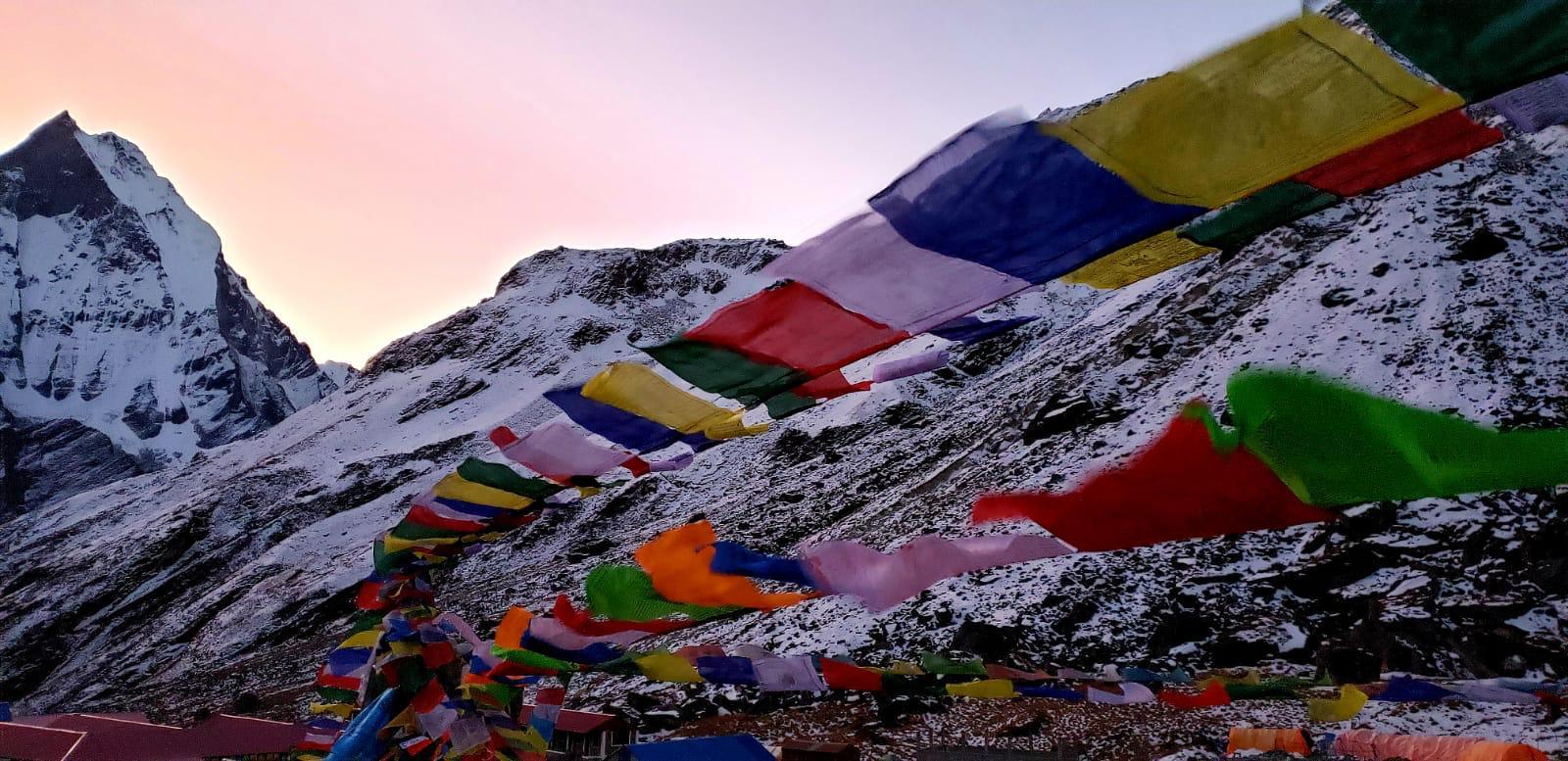
Buddhist monasteries and prayer flags.

Local food and hospitality.

Traditional customs and festivals.

Everyday life in remote Himalayan villages.

Most teahouses are family-run businesses, and supporting them contributes directly to the local economy.

A little cultural awareness goes a long way. Greet people politely, ask permission before photographing individuals, respect religious sites and follow local customs.

Learning a few simple Nepali greetings, such as “Namaste”, is also a lovely way to connect with local people.

12. Different Facilities at Different Altitudes

One of the most important things to understand about teahouse trekking in Nepal is that facilities change as you gain elevation.

The higher you go, the more challenging it becomes to transport food, fuel, construction materials and other supplies.

Here is a general idea of what to expect:

Facility

Lower-altitude villages

Higher-altitude villages

Rooms

More comfortable options

Basic rooms

Toilets

Western and squat options

Squat toilets more common

Hot showers

Generally available

Limited availability

Wi-Fi

More accessible

Limited or unreliable

Charging

Generally accessible

Often additional cost

Food

Wider menu

More limited menu

Heating

Dining room heating

Limited heating

These are general patterns rather than fixed rules. Facilities vary between individual lodges, even within the same village.

For example, accommodation in Namche Bazaar can be significantly more comfortable than in Gorakshep. Similarly, facilities in popular Annapurna villages may differ from those in more remote sections of the Manaslu Circuit.

Being flexible and keeping realistic expectations will make your trekking experience much more enjoyable.

What Should You Pack for a Teahouse Trek in Nepal?

You do not need to carry everything from home, but a few essential personal items can make a big difference.

Here is our recommended teahouse trekking checklist:

  • Personal hygiene
  • Toothbrush and toothpaste.
  • Quick-drying towel.
  • Hand sanitizer.
  • Wet wipes.
  • Toilet paper and tissues.
  • Personal toiletries.
  • Sleeping and clothing
  • Suitable sleeping bag.
  • Thermal base layers.
  • Warm fleece or down jacket.
  • Comfortable trekking clothes.
  • Warm socks.
  • Sleeping clothes.
  • Electronics
  • Power bank.
  • Phone and charger.
  • Camera and spare batteries.
  • Universal travel adapter.
  • Headlamp.
  • Health and safety
  • Personal first-aid kit.
  • Personal medications.
  • Water purification tablets or filter.
  • Sunscreen and lip balm.
  • Reusable water bottles.

You should also carry a small amount of Nepalese cash for additional services and personal purchases along the route.

Frequently Asked Questions About Teahouse Trekking in Nepal

1. Do I need to book teahouses in advance?

During peak trekking seasons, booking ahead is recommended, particularly in popular destinations such as Everest Base Camp and Annapurna Base Camp. If you are travelling with a trekking company, your guide can help arrange suitable accommodation along the route.

2. Can I get a private room during a teahouse trek?

Yes, private rooms are available in many villages. However, availability becomes limited at higher elevations and during busy trekking seasons. Twin-sharing rooms are the standard arrangement in many mountain lodges.

3. Is vegetarian food available during Nepal treks?

Yes. Most teahouses offer vegetarian options, including dal bhat, vegetable noodles, fried rice, soups, potatoes and other local dishes. Vegan and special dietary requirements should be communicated in advance.

4. Are teahouses clean and hygienic?

Most established teahouses maintain basic cleanliness standards, but facilities vary. In remote areas, bathrooms may be shared and basic. Carrying hand sanitiser, tissues and personal toiletries is recommended.

5. Can I use my credit card at mountain teahouses?

Some larger lodges and businesses in popular villages accept card payments, but most remote teahouses primarily accept cash. Carry sufficient Nepalese rupees for your personal expenses.

6. Is there mobile network coverage during the trek?

Mobile coverage is available in some trekking villages, but it varies by location, provider and terrain. Do not expect uninterrupted connectivity throughout the trek.

7. Can I charge my power bank during the trek?

Yes, many teahouses offer charging facilities for power banks. However, charging may involve an additional fee, and electricity may be limited in remote locations.

8. Is teahouse trekking suitable for beginners?

Absolutely! Teahouse trekking is suitable for beginners who choose an appropriate route and prepare adequately. Routes such as Ghorepani Poon Hill and shorter sections of the Langtang Valley are popular options. However, physical preparation, gradual acclimatization and proper guidance are important, particularly at higher elevations.

Final Thoughts: Experience the Real Beauty of Himalayan Teahouse Trekking

Teahouse trekking in Nepal offers much more than a place to sleep between walking days. It brings together breathtaking mountain scenery, warm local hospitality, delicious traditional food and unforgettable cultural experiences.

You may not find luxury facilities in every mountain village, but you will discover something far more meaningful: the simplicity of mountain life and the incredible hospitality of the people who call the Himalayas home.

Whether you are planning to trek to Everest Base Camp, explore the Annapurna Circuit, discover the beautiful Langtang Valley or take on the remote Manaslu Circuit, understanding what to expect from teahouse accommodation will help you prepare for a smoother and more rewarding adventure.

Ready to experience the Himalayas?

At Treks Planner Nepal, we help trekkers explore Nepal with experienced local guides, carefully planned itineraries and reliable accommodation arrangements. Whether you are a first-time trekker or an experienced Himalayan adventurer, we can help you find the right trekking experience.

Explore our trekking packages or contact our team to start planning your next adventure in Nepal.

Travel this New Year in Nepal: Best of Nepal Tour Package

architecture city crowd 2177708 scaled

Travel this New Year in Nepal: Best of Nepal Tour Package. Nepal, a nation tucked up in the Himalayas, is known for its breathtaking scenery, vibrant culture, and kind people. Nepal has much to offer everyone, including its historic temples, tranquil beauty, and rich cultural legacy. The itinerary of the Nepal trip package is thoughtfully designed to give you enough time to see the main attractions of each location.

TRIP HIGHLIGHTS

KATHMANDU

The trip starts in Nepal’s capital city of Kathmandu, a sanctuary for those who enjoy history and culture. The city’s historic palaces, monuments, and temples reflect witness to Nepal’s rich cultural past. Numerous ancient structures and temples can be seen at Durbar Square, a UNESCO World Heritage site, and are definitely worth seeing. Along with exploring the city’s famous sites, you’ll see the revered Pashupatinath Hindu Temple and the Swayambhunath stupa (Monkey Temple).

CHITWAN

Another highlight of the Nepal trip package is the UNESCO World Heritage Site, Chitwan National Park, which is home to a wide variety of animals, such as tigers, rhinos, elephants, and crocodiles. You can further experience the park by joining a guided forest walk, seeing the elephant breeding center, and taking a canoe trip on the Rapti River.

POKHARA

Pokhara is known for its breathtaking beauty and exciting adventure activities. It is a natural paradise. The town is encircled by the magnificent Himalayan mountains and is situated in Nepal’s Annapurna area. You’ll see the well-known Phewa Lake, go to the Barahi Temple by boat, and tour the International Mountain Museum, which showcases Nepal’s history of climbing. The popular viewpoint of Sarangkot, which is close to Pokhara and offers stunning views of the dawn over the Himalayan ranges, is also included in the Nepal trip package. You will always remember this amazing experience and the memories it leaves behind.

DETAIL ITINERARY:

Day 01: Arrive at Kathmandu

The first glimpse of Nepal through the plane window may be an image that will stick in your memory for the rest of your life—the distinct, broad, and snowy Himalayan range rising directly before you. You won’t be able to blink since the vivid beauty is so exceptional. One of our staff will meet you when you arrive at Kathmandu International Airport, take you to the hotel, and assist you with check-in. Following your refreshment, you will receive an overview of the upcoming day tour. Treks Planner Nepal will provide you with a welcome dinner in the evening that will introduce you to Nepalese cuisine.

Day 02: Cultural heritage tour in Kathmandu

HIGHLIGHTS: Pashupatinath Temple | Soyambhunath Stupa (Monkey Temple) | Boudhanath Stupa

After breakfast, a guide will meet you and accompany you to the valley’s UNESCO Heritage sites, where you can see the ongoing legacy of medieval Nepal. Witness the most significant Hindu temple in Nepal, Pashupatinath, and record the holy moments of the Hindu funeral rites at Aryaghat. Visit the “Swyambhu” Stupa, a hilltop world heritage monument in the heart of Kathmandu. The name “Swyambhu” means “self-emerge,” the legend behind it is that the hill spontaneously erupted from the vast lake that formerly covered the Kathmandu valley. You will also see the largest stupa in the world, surrounded by vibrant shops selling Tibetan goods and Buddhist prayer materials. The stupa itself is modeled like Tibet. Following your exploration of Boudhanath, you will return to our hotel.

Day 03: Short Cultural Tour & drive to Chitwan

HIGHLIGHTS: Kathmandu Durbar Square | Chitwan National Park

You will be escorted to Kathmandu Durbar Square and Basantapur after breakfast. Kathmandu Durbar Square, a collection of historic temples, palaces, courtyards, and alleys that span the 12th through the 18th centuries, is recognized by UNESCO as a cultural World Heritage site. See the Hanumandhoka Palace Museum, Taleju Temple, Kumari Ghar (House of the Living Goddess), and Nepalese architecture in the square, along with wooden artwork that demonstrates medieval skill.

After that, we will drive to Chitwan National Park. Witness the verdant hills and highway life as you go along the Trishuli River on the winding Prithvi Highway, which has a black surface. After arriving in Chitwan, you can rest and return to the lobby where your safari guide will give you a quick rundown of the itinerary for the Chitwan Tour. Prepare to go on a walk around Tharu village after some time. The Tharu ethnic group is heavily concentrated in Nepal’s Terai region. Discover the lifestyle and traditional homes of the Tharus, and even visit a museum that displays traditional artifacts that symbolize the Tharu culture.

Walk to the Rapti River’s bank in the evening for a picture-perfect view of the sunset. You will have some time to prepare for a traditional Tharu dance performance, which includes the wild peacock dance and the stick dance. Your guide will also give you this time. Enjoy a lovely afternoon and a delicious dinner at the hotel.

Day 04: Safari Activities in Chitwan National Park

HIGHLIGHTS: Chitwan National Park and Safari activities

The One-horned Rhino and the Royal Bengal Tiger are two uncommon and endangered animals that are protected in Chitwan National Park, a Natural Heritage Site. You’ll participate in a variety of jungle activities today. You will be taken on a dugout canoe journey where you can observe the abundant bird life in the area as well as the water life. You will be escorted to the dugout boat trip, which offers a chance to view the park’s water life as well as its abundant avian life. Observe crocodiles on the Rapti River’s bank, including the endangered Gharial. The Gharial is a critically endangered species of crocodile that may be found in Nepal near the Ganges tributaries.

The park’s most notable feature is the Jungle Safari, which takes you deep into the forest and gives you plenty of chances to see one-horned rhinos and, with luck, Bengal tigers. Enjoy a campfire in the evening and have a great time.

Day 05: Drive to Pokhara

HIGHLIGHTS: Explore Pokhara City

Your guide will take you on an early morning nature walk in the wildlife park today, providing you with a chance to see several bird species. Have breakfast after the walk, and then head to Pokhara via car. After a brief ride to Mugling via the retrace road, you will follow the Prithvi Highway to Pokhara. You will arrive in Pokhara around midday and check into the hotel, which is located on the lake and is the main tourist destination in Nepal. After that, you are free to start exploring Lake City. Fewa Lake is a great place to go boating in the evening.

Day 06: Full Day sightseeing of Lake City- Pokhara

HIGHLIGHTS: Sarangkot | Devi’s fall | Mahendra Cave | Seti Gorge | Boating in Phewa Lake

Prepare for an excursion trip to Sarangkot early in the morning. Sarangkot is an hour’s hike (up the mountain) from Pokhara. Situated at a height of 1592 meters, it is the highest point on the rim of the Pokhara valley. The Annapurna ranges (Annapurna South, Annapurna I, Machhapuchure, Annapurna III, Annapurna II, Annapurna IV, and Lamjung Himal) and the entire Pokhara Valley are visible from this location. It’s the ideal spot to watch the gorgeous snow-capped mountains before dawn.

After breakfast, ready to spend the entire day exploring the breathtaking lake town of Pokhara. You will take a boat trip on Fewa Lake and a sightseeing tour of Davis Falls, Mahendra Cave, and Seti Gorge. If you’d like, you may also attempt zip-lining, paragliding, and bungee jumping in Pokhara in the afternoon. Take a stroll around the busy tourist area of Lakeside in the evening.

Day 07: Excursion trip to Peace Pagoda; drive to Kathmandu

HIGHLIGHTS: Peace pagoda

You will fall in love with Pokhara right away if the morning is sunny and you get to witness the breathtaking Himalayan landscape that can be seen from every window in the city. Prepare to retreat back to Kathmandu. Following breakfast, you will be met by our driver and taken to Peace Pagoda, where you may explore and spend some time instilling tranquility in your mind. Drive back to Kathmandu. Spend some time relaxing, rejuvenating, and exploring Thamel.

Day 08: Full Day Sightseeing

HIGHLIGHTS: Bhaktapur Durbar Square | Patan Durbar Square

You may have a leisurely breakfast after a lazy morning. The tour guide will pick you up from the hotel and take you on a tour of Bhaktapur Durbar Square. Located in the east corner of the valley is the ancient town of Bhaktapur. The city’s Bhaktapur Durbar Square is an assemblage of pagodas and Shikhara-style homes around the brick-and-wood, 55-window palace. The cultural wealth that permeates every corner of this place is what makes your camera click so frequently. You are transported back in time to the medieval era by the streets’ cobblestone pavement, the expansive courtyards typical of the Middle Ages, and the best woodworking found in the many ancient buildings in the area.

We will drive to Patan Durbar Square after lunch. This city has amazing artistic and handcrafted creations. The historical site is home to several exquisitely crafted historic buildings and hallowed sanctuaries. Among the noteworthy structures you will see are the Golden Temple, Kumbheshwor Temple, Patan Museum, and Krishna Temple. As you stroll around the site, you will notice that most of the monuments have sensual images etched into the wooden boards. Around Durbar Square, you will also catch some glimmers of the traditional Newari way of life. You will be brought to the hotel following your tour of two medieval kingdoms. Savor the time you have left to yourself.

Day 09: Depart Kathmandu

Three hours before your scheduled departure time, your driver will come to your hotel to pick you up. When it comes time for your last departure, a private car will transport you to the airport. Have a secure return trip.

Contact us for more details:

13 Reasons Why You Should Visit Nepal

The People: Nepal

There are countless reasons for you to visit Nepal, however, we’ve listed 13 reasons why you should visit Nepal.

Nepal is a colorful and contrasted nation. It is a secluded Shangri-La filled with adventure, culture, and environment. Nepal has more diversity than any other country on Earth.  Despite being a small country in the world and situated between the great powers China and India, it offers a wide variety of cuisines. There are many reasons to visit Nepal, including its stunning Himalayas, diverse and colorful cultures and festivals, mouthwatering cuisine, and the friendliest people on the planet.

1. The number of UNESCO World Heritage Sites

Boudhanath Stupa
13 Reasons Why You Should Visit Nepal 18

There are seven World Heritage Sites in the Kathmandu Valley alone, and more in Lumbini, Chitwan National Park, and other places. Finding a country with as many world heritage sites as Nepal would be difficult. These are reasons why history, art, and architecture buffs should visit Nepal.

A visit to Lumbini, the birthplace of Lord Buddha, can also be a joyful and enriching experience. The Kathmandu valley is home to many historic temples, beautiful Buddhist monasteries, and stupas. Therefore, a trip to Nepal will put you far ahead of the game if your goal is to visit as many UNESCO World Heritage Sites as you can.

2. The diverse cultures

Bhairav
13 Reasons Why You Should Visit Nepal 19

More than 35 different ethnic groups call Nepal home, each with their language, beliefs, festivals, and artistic style. For instance, the Newar people, who were the first to settle in the Kathmandu Valley, still speak their language, Newari or Nepal Bhasa, and celebrate their holidays, such as Swanti, a costly five-day festival that emphasizes the importance of women in the home. You can have a wonderful opportunity to step outside of your usual environment and become fully immersed in Nepal’s unique culture by traveling there.

3. The people

P3131441
13 Reasons Why You Should Visit Nepal 20

Nepalis are incredibly friendly and welcoming. They always make you feel at home and consider visitors to be God. They assist when you ask for it. An acquaintance who has been to Nepal before can vouch for the friendliness of the Nepali people. Therefore, a trip to Nepal is certainly necessary to witness compassionate humanity. There is a saying, that while you first come to Nepal for the mountains, you stay for the people. Well, let us know how it goes for you.

4. The High-altitude Breath-taking Lakes

Shey Phoksundo
13 Reasons Why You Should Visit Nepal 21

Along with some of the tallest mountains in the world, Nepal is home to some of the most majestic and beautiful glacial lakes. The best adventure activity in Nepal is trekking, and the country has no shortage of breathtaking trekking destinations. Nepal has a wealth of natural resources, including glaciers and snow-capped Himalayan peaks. Massive mountains and glaciers in Nepal are where rivers and lakes are formed.

With its extensive natural beauty, Nepal is home to some of the most spectacular lakes in the world, drawing tourists from all around. God has blessed Nepal with breathtaking high-altitude lakes that leave no one breathless. One of the most well-liked tourist destinations in Nepal is its breathtaking lakes.

5. The tranquility and peace

Prayer Flag
13 Reasons Why You Should Visit Nepal 22

It’s no surprise that the Nepalese are regarded as cheerful people and that Nepal itself has long been revered as a sacred location given the influence of Buddhism, the abundance of lakes, and the breathtaking views. If you want to get away from it all, this is the place to go. It’s spiritual and ideally conducive to some peaceful reflection, whether you’re hiking, visiting countless temples, or simply gazing over a silent, crystal lake. Even the most exhilarating activities will bring you some calmness.

6. The opportunities for volunteering

Nepal has a lot of cheerful people, but it’s still developing, so there are lots of volunteer opportunities you may take advantage of to become engaged in the community and lend a hand. Especially in the wake of the 2015 earthquake, Nepal is a destination where you can truly go for a good reason. You will make some unique connections with people from quite different backgrounds and cultures than you and receive fantastic insights that could ultimately alter your entire outlook on life.

7. The Wildlife and Bird Watching

Go Green
13 Reasons Why You Should Visit Nepal 23

A lover of nature would enjoy their time spent traveling across Nepal’s vast and lush jungles. Red pandas, one-horned rhinoceroses, royal Bengal tigers, and several other rare plant and bird species can all be found in Nepal’s forests. Therefore, those who enjoy the outdoors can enjoy a jungle safari or a jungle walk while watching animals in their natural habitat without upsetting them. As you travel through Chitwan National Park, Nepal’s first national park, you can see a variety of species. The eastern section, dominated by Mount Everest, is home to Sagarmatha National Park, which is traversed in the same manner.

In addition, you can see Himalayan monal, blood pheasant, red panda, musk deer, and other animals while taking in the breathtaking views of Everest. In terms of outdoor activities, whether it be bird watching or animal spotting, it is typically rather rich. Nepal is a beautiful location for such a venture.

8. The Nepali cuisine

Momos
13 Reasons Why You Should Visit Nepal 24

Nepal’s geographic and cultural variety contributes to its abundance of food. Despite being heavily affected by its neighbors, India and China, Nepali cuisine still has its own distinctive flavor. You must taste some of Nepal’s specialties before leaving the country. The national meal of Nepal, dal Bhat (lentils with rice and curried vegetables), is available at almost every eatery and is eaten for breakfast, lunch, and dinner. A popular food that can be found on every corner and is well worth tasting several times is momo or Nepalese dumplings. It is filled with veggies and meat and is often served with a tomato-based sauce. Chatamari, dheedo, aloo tama, and other well-known Nepali dishes are also available. Do not forget ti try these delicacies while you are in Nepal.

9. The Highest peaks

Nepal Mountains
13 Reasons Why You Should Visit Nepal 25

Eight of the top ten mountains in the world are located in Nepal. Our pride and identity are Everest and Kanchenjunga, the third and fourth highest mountains in the world, respectively. Lhotse, Makalu, Cho Yu, Dhaulagiri, Manaslu, and Annapurna are some of the other tallest peaks.

To draw tourists, they are always covered in snow and perform some type of miracle. These mountains’ peaks are part of vast mountain ranges that are gorgeous and inspiring. Mountain tourism and adventure tourism are also supported by these peaks, the Himalayas, and the hills.

10. The Himalayas

Ama Dablam
13 Reasons Why You Should Visit Nepal 26

Nepal is referred to as the “Kingdom of the Himalayas.” where Mt. Everest, the roof of the globe at 8,848 meters, Where eight highest mountains out of 10 remain in the world. Nepal is regarded as a trekking paradise with a wide variety of trekking routes, where visitors may undertake everything from quick and simple trips to multi-week extreme adventure expeditions in the Himalayan mountains. Mt. Everest Base Camp Trekking, Annapurna Base Camp Trekking, Upper Mustang Restricted Area Trip, and Langtang Valley Trek are the most well-known trekking routes in Nepal. Recently, a tea house and homestay tour has become the most well-known aspect of Manaslu Restricted Area Trekking. Any of these trekking paths are an excellent way to experience the Himalayan scenery.

11. The Affordable Cost

Nepal is a country that is affordable. Yes, there are places where you can spend your money extravagantly if you so desire. However, if you travel on a tight budget, you may easily find affordable lodging and even have a fantastic trip without breaking the bank. The country’s economy depends heavily on the tourist sector because it is a developing country. Therefore, every dollar you spend while visiting Nepal has a direct and good impact on the country’s economy.

12. The Grand Festivals of Nepal

Kids playing holi
13 Reasons Why You Should Visit Nepal 27

We are defined by our festivals. These celebrations deepen interpersonal bonds and promote peace and harmony in the community. Nepalese proudly celebrate one another’s holidays despite our diverse cultural and religious backgrounds. Furthermore, sharing in one another’s cultures and traditions is made possible through these events. Dashain, Tihar, Holi, Jatras, Teej, Eid, Gai Jatra, Buddha Jayanti, and many other major celebrations are just a few of Nepal. No of your preferred religion, people celebrate these holidays with love and respect. If you stay in Nepal long enough, you’ll undoubtedly find a festival to attend, and the people there are always friendly to visitors!

13. The Sunrise and Sunset

Trekking in Nepal
13 Reasons Why You Should Visit Nepal 28

Nothing compares to watching the sunrise or sunset behind the world’s tallest mountains. Popular locations to observe the sun at either end of the day include Sarangkot and the World Peace Pagoda from Pokhara, or Nagarkot and Namo Buddha from Kathmandu. Getting up early to view the sunrise is highly recommended if you’re embarking on a mountain trek.

To rejuvenate your spirit and mind, travel to Nepal’s serene and breathtaking places. Your mind will be refreshed and you’ll get a fresh outlook on the world if you travel to Nepal. Enjoy a wonderful day in the grandeur of nature by waterfalls, mountains, or by tranquil lakes and a little town. You will be enthralled by Nepal’s spectacular natural and cultural beauty.