

Tsho Rolpa Trek Complete Guide: Cost, Itinerary & Difficulty. Nestled in the remote Rolwaling Valley of eastern Nepal, the Tsho Rolpa Trek is one of the country’s most spectacular hidden trekking adventures. Far from the busy Everest and Annapurna routes, this trek takes travelers through untouched Sherpa villages, dense forests, glacial rivers, alpine landscapes, and finally to the breathtaking turquoise waters of Tsho Rolpa Lake — one of the largest glacial lakes in Nepal.
Perfect for trekkers seeking raw Himalayan beauty and authentic mountain culture, the Tsho Rolpa Trek offers a unique combination of adventure, solitude, and stunning scenery. However, before planning this incredible journey, many travelers want to know three important things: the cost, itinerary, and difficulty level of the trek.
This complete guide covers everything you need to know before trekking to Tsho Rolpa.
Where Is Tsho Rolpa Located?
Tsho Rolpa lies in the remote Rolwaling Valley of Dolakha District in eastern Nepal at an altitude of approximately 4,580 meters (15,026 feet). The lake sits beneath towering Himalayan peaks and glaciers, surrounded by rugged alpine terrain and dramatic mountain scenery.
The trek usually begins with a long drive from Kathmandu to Chetchet or Simigaun, the gateway to the Rolwaling region.
Because the area remains less commercialized, the trail offers a peaceful trekking experience with very few crowds.
Tsho Rolpa Trek Complete Guide – Itinerary
The Tsho Rolpa Trek can be completed in 7 to 10 days depending on pace, acclimatization, and route variations. Below is a popular 8-day itinerary suitable for most trekkers.
Day 01: Drive from Kathmandu to Chetchet & Trek to Simigaun
Drive Duration: 7–9 hours
Trek Duration: 2–3 hours
Overnight at Simigaun
The journey begins with a scenic drive through hills, rivers, and rural villages before reaching the trekking starting point.
Day 02: Trek from Simigaun to Dongang
Trek Duration: 6–7 hours
Overnight at Dongang
The trail passes through dense forests, waterfalls, suspension bridges, and traditional villages.
Day 03: Trek from Dongang to Beding
Trek Duration: 5–6 hours
Overnight at Beding
Beding is the largest Sherpa settlement in Rolwaling Valley and offers stunning mountain views.
Day 04: Acclimatization Day at Beding
Explore local monasteries
Short hikes around the valley
Rest and acclimatization
This day helps trekkers adjust to higher altitude before continuing upward.
Day 05: Trek from Beding to Na Village
Trek Duration: 4–5 hours
Overnight at Na
The landscape becomes more rugged and alpine as the trail climbs higher into the valley.
Day 06: Hike to Tsho Rolpa Lake & Return to Na
Trek Duration: 6–7 hours
Explore the glacial lake
Overnight at Na
This is the highlight of the trek. The breathtaking turquoise lake surrounded by glaciers and snow peaks creates one of the most dramatic landscapes in Nepal.
Day 07: Trek Back to Dongang
Trek Duration: 6–7 hours
Overnight at Dongang
Descend through alpine valleys and forests.
Day 08: Trek to Chetchet & Drive Back to Kathmandu
Trek Duration: 4–5 hours
Drive Duration: 7–9 hours
Return to Kathmandu after completing the adventure.
Tsho Rolpa Trek Complete Guide: Difficulty
The Tsho Rolpa Trek is considered a moderate to challenging trek. While it does not require technical climbing skills, trekkers should still be physically prepared for long walking days, steep ascents, and high altitude conditions.
Main Challenges of the Trek
High Altitude
The trek reaches over 4,500 meters, where altitude sickness can become a concern. Proper acclimatization and hydration are essential.
Long Trekking Hours
- Trekkers often walk 5–7 hours daily on rugged mountain trails.
- Remote Terrain
- Facilities in Rolwaling Valley are basic compared to popular trekking routes like Everest Base Camp.
- Weather Conditions
- Mountain weather can change quickly, especially during spring and autumn seasons.
Who Can Do the Tsho Rolpa Trek?
The trek is suitable for:
Physically fit beginners with hiking experience
Intermediate trekkers
Adventure travelers seeking less crowded routes
Nature and photography lovers
Training with regular hiking, cardio exercises, and stamina-building activities before the trek is highly recommended.
Tsho Rolpa Trek Complete Guide: Cost
The total cost of the Tsho Rolpa Trek depends on trekking style, group size, services, and duration. On average, trekkers can expect to spend between USD 650 to USD 1,300 per person.
What Affects the Cost?
Guide & Porter Services
Hiring licensed guides and porters increases safety and comfort during the trek.
Transportation
Private jeep transportation costs more than local buses but offers greater comfort and flexibility.
Accommodation & Meals
Tea houses in Rolwaling are basic but comfortable. Food and accommodation costs rise with altitude.
Permits
Trekkers need:
Gaurishankar Conservation Area Permit
TIMS Card (if applicable)
Trekking Package vs Independent Trek
Guided packages often include transportation, accommodation, meals, permits, and guide services, making logistics easier for foreign travelers.
Tsho Rolpa Trek Complete Guide: Best Time
The best seasons for the trek are:
Spring (March to May)
Rhododendron forests bloom beautifully
Stable weather
Excellent mountain views
Autumn (September to November)
Clear skies
Dry trails
Best visibility
Winter trekking is possible but can be extremely cold with snow-covered trails.
The monsoon season is generally not recommended due to slippery paths and landslide risks.
Tsho Rolpa Trek Complete Guide: Accommodation
Accommodation mainly consists of basic tea houses and lodges run by local families. Rooms are simple, usually with twin-sharing beds and shared bathrooms.
Electricity, Wi-Fi, and hot showers may be limited in higher villages.
However, the hospitality of the local Sherpa communities makes the experience incredibly authentic and memorable.
Why Choose the Tsho Rolpa Trek?
The Tsho Rolpa Trek is ideal for travelers who want:
Less crowded trekking routes
Authentic Himalayan culture
Spectacular glacial lake scenery
Remote mountain wilderness
A genuine off-the-beaten-path experience
Unlike Nepal’s busy commercial trekking regions, Rolwaling Valley still feels wild, peaceful, and untouched.
Tsho Rolpa Trek Complete Guide: Food & Drinking Water
Food during the Tsho Rolpa Trek is simple, fresh, and filling. Most tea houses serve traditional Nepali meals along with a few basic international dishes. The famous “Dal Bhat” — rice, lentil soup, vegetables, and pickles — is the most common trekking meal because it provides excellent energy for long walking days.
Other commonly available foods include:
Fried rice
Noodles
Tibetan bread
Momos
Soups
Pancakes
Eggs and potatoes
Tea and coffee
As the trek climbs higher, menu options become more limited and prices increase due to transportation difficulties in remote mountain regions.
Trekkers should also carry energy snacks such as protein bars, nuts, chocolate, or dried fruits for extra energy during long trekking days.
For drinking water, boiled water and filtered water are available in most villages. Carrying a reusable water bottle with purification tablets or a water filter is highly recommended to reduce plastic waste.
Tsho Rolpa Trek Complete Guide: Internet, Electricity & Mobile Network
Because the Tsho Rolpa Trek passes through remote Himalayan villages, internet and communication services remain very limited.
Electricity
Most villages offer basic electricity or solar charging facilities, but charging electronic devices usually comes with an additional fee.
Wi-Fi
Wi-Fi is available only in some villages and may be slow or unreliable.
Mobile Network
Nepal Telecom and Ncell networks work in lower areas but become weak or unavailable at higher altitudes.
Trekkers should prepare for several days of limited connectivity and enjoy the rare opportunity to disconnect completely from modern distractions.
Tsho Rolpa Trek Complete Guide: Cultural Experience in Rolwaling Valley
One of the most rewarding parts of the Tsho Rolpa Trek is the opportunity to experience authentic Himalayan culture.
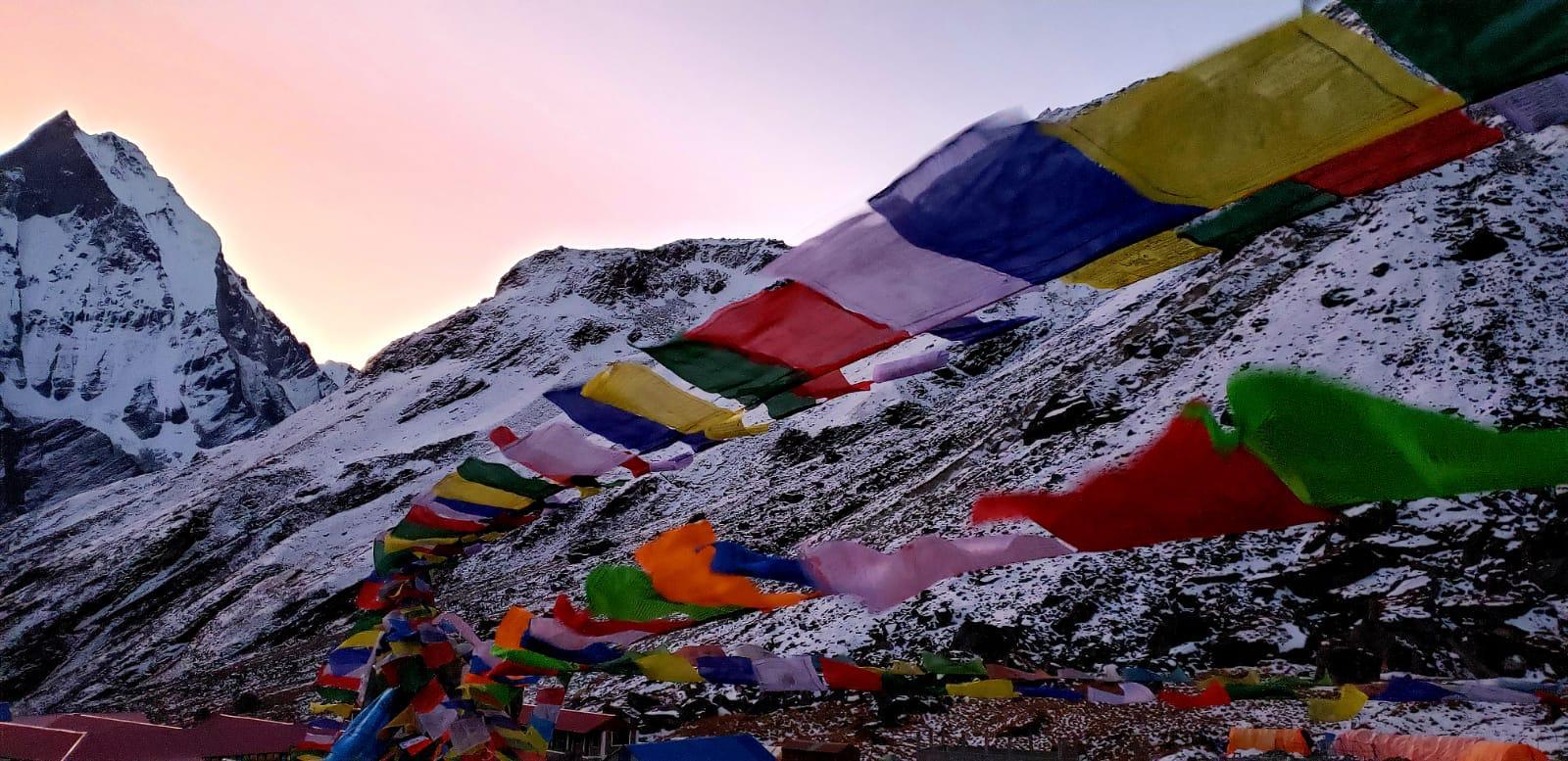
The Rolwaling region is heavily influenced by Tibetan Buddhist traditions. Prayer flags flutter across mountain passes, mani walls line the trails, and ancient monasteries stand quietly beneath towering peaks.
Local Sherpa communities continue practicing traditional lifestyles centered around farming, yak herding, and mountain spirituality.
Unlike heavily commercialized trekking routes, interactions with locals here feel natural and genuine. Visitors often experience warm hospitality, traditional foods, and unique cultural traditions rarely seen in busier trekking regions.
Tsho Rolpa Trek Complete Guide: Packing Lists
Packing properly is extremely important for a successful trek in the remote Rolwaling region.
Essential Trekking Gear
Warm down jacket
Waterproof trekking jacket
Thermal layers
Trekking pants
Hiking boots
Sleeping bag
Gloves and wool hat
Sunglasses
Trekking poles
Headlamp
Reusable water bottle
Personal Essentials
Basic first aid kit
Sunscreen and lip balm
Water purification tablets
Snacks and energy bars
Power bank
Personal medications
Weather conditions can change quickly in the Himalayas, so layering clothing is highly recommended.
Photography Opportunities on the Tsho Rolpa Trek
The Tsho Rolpa Trek is a paradise for photographers and nature lovers.
The trail offers endless photography opportunities including:
Snow-covered Himalayan peaks
Glacial rivers
Waterfalls
Traditional Sherpa villages
Colorful prayer flags
Yak caravans
Alpine meadows
Turquoise glacial lakes
Sunrise and sunset around Tsho Rolpa Lake create especially dramatic lighting conditions, making the landscape appear almost surreal.
Because the region receives fewer visitors, photographers can capture untouched Himalayan scenery without crowded viewpoints.
Is Travel Insurance Necessary?
Yes, travel insurance is strongly recommended for the Tsho Rolpa Trek.
A good trekking insurance policy should cover:
High altitude trekking
Emergency helicopter evacuation
Medical expenses
Trip cancellation
Accidents and injuries
Since the Rolwaling region is remote, emergency evacuation services may be necessary in serious situations involving altitude sickness or injuries.
Trekkers should always carry a copy of their insurance documents during the trek.
Why the Tsho Rolpa Trek Is Different From Popular Treks
Unlike Everest Base Camp or Annapurna, the Tsho Rolpa Trek remains peaceful and relatively unexplored.
Here, trekkers experience:
Quiet trails without heavy crowds
More authentic village life
Raw Himalayan wilderness
Untouched natural scenery
Genuine cultural encounters
This sense of isolation and discovery is what makes the trek so special for adventure travelers seeking something beyond mainstream trekking routes.
For many trekkers, the silence of Rolwaling Valley becomes more memorable than the destination itself.
Conclusion
The Tsho Rolpa Trek is one of Nepal’s most rewarding hidden adventures. Combining remote mountain landscapes, rich Sherpa culture, dramatic glaciers, and the spectacular beauty of Tsho Rolpa Lake, this trek offers a truly unforgettable Himalayan experience.
While the journey requires good physical fitness and preparation, the rewards are extraordinary. From peaceful villages and sacred monasteries to breathtaking alpine scenery and untouched wilderness, every step through Rolwaling Valley feels authentic and inspiring.
For travelers looking to escape crowded trekking routes and discover a quieter side of the Himalayas, the Tsho Rolpa Trek is an adventure worth experiencing at least once in a lifetime.
Final Thoughts
The Tsho Rolpa Trek is one of Nepal’s most underrated Himalayan adventures. Combining remote trails, breathtaking alpine landscapes, traditional Sherpa culture, and the stunning beauty of Tsho Rolpa Lake, this trek offers an unforgettable experience for adventurous travelers.
Whether you are looking for solitude, photography opportunities, cultural encounters, or dramatic Himalayan scenery, the Rolwaling Valley delivers an authentic trekking experience far beyond the ordinary.
If you are ready to explore one of Nepal’s hidden trekking gems, the Tsho Rolpa Trek deserves a place at the top of your adventure bucket list.


