8 Amazing Reasons Langtang Valley Trek Is Worth It

Langtang Valley Trek

8 Amazing Reasons Langtang Valley Trek Is Worth It. Nestled north of Kathmandu and surrounded by some of Nepal’s most spectacular Himalayan landscapes, Langtang Valley is one of the country’s most rewarding trekking destinations. Despite being relatively close to the capital, the valley feels wonderfully remote, with snow-capped peaks, ancient villages, dense forests, high-altitude meadows, and centuries-old Tamang culture shaping the journey.

The Langtang Valley Trek is also an excellent choice for travelers who want a genuine Himalayan experience without committing to the longer and more demanding routes of the Everest or Annapurna regions.

From walking through rhododendron forests to reaching the dramatic viewpoint of Tserko Ri,

Here are 8 amazing reasons Langtang Valley Trek is worth it

1. It Offers Stunning Himalayan Views

56942485 598149760653957 4751877023733907456 n
8 Amazing Reasons Langtang Valley Trek Is Worth It 5

One of the biggest attractions of the Langtang Valley Trek is its impressive mountain scenery.

As you gain altitude, the landscape gradually opens to reveal spectacular peaks including Langtang Lirung (7,227 m), Langtang II, Yala Peak, Dorje Lakpa, and other surrounding mountains.

The scenery constantly changes throughout the trek. Lower sections take you through lush forests and river valleys, while higher elevations offer rugged cliffs, glaciers, alpine meadows, and expansive Himalayan panoramas.

For photographers and mountain lovers, the combination of dramatic peaks and traditional villages makes Langtang particularly rewarding.

2. You Can Experience Authentic Tamang Culture

Langtang is not just about mountains. Its Tamang heritage cultural is one of the highlights of the trek.

Many communities in the region have strong Tamang cultural traditions, reflected in their architecture, language, clothing, food, monasteries, and daily life.

Villages such as Lama Hotel, Langtang Village, and Kyanjin Gompa provide opportunities to experience mountain life beyond the typical tourist trail.

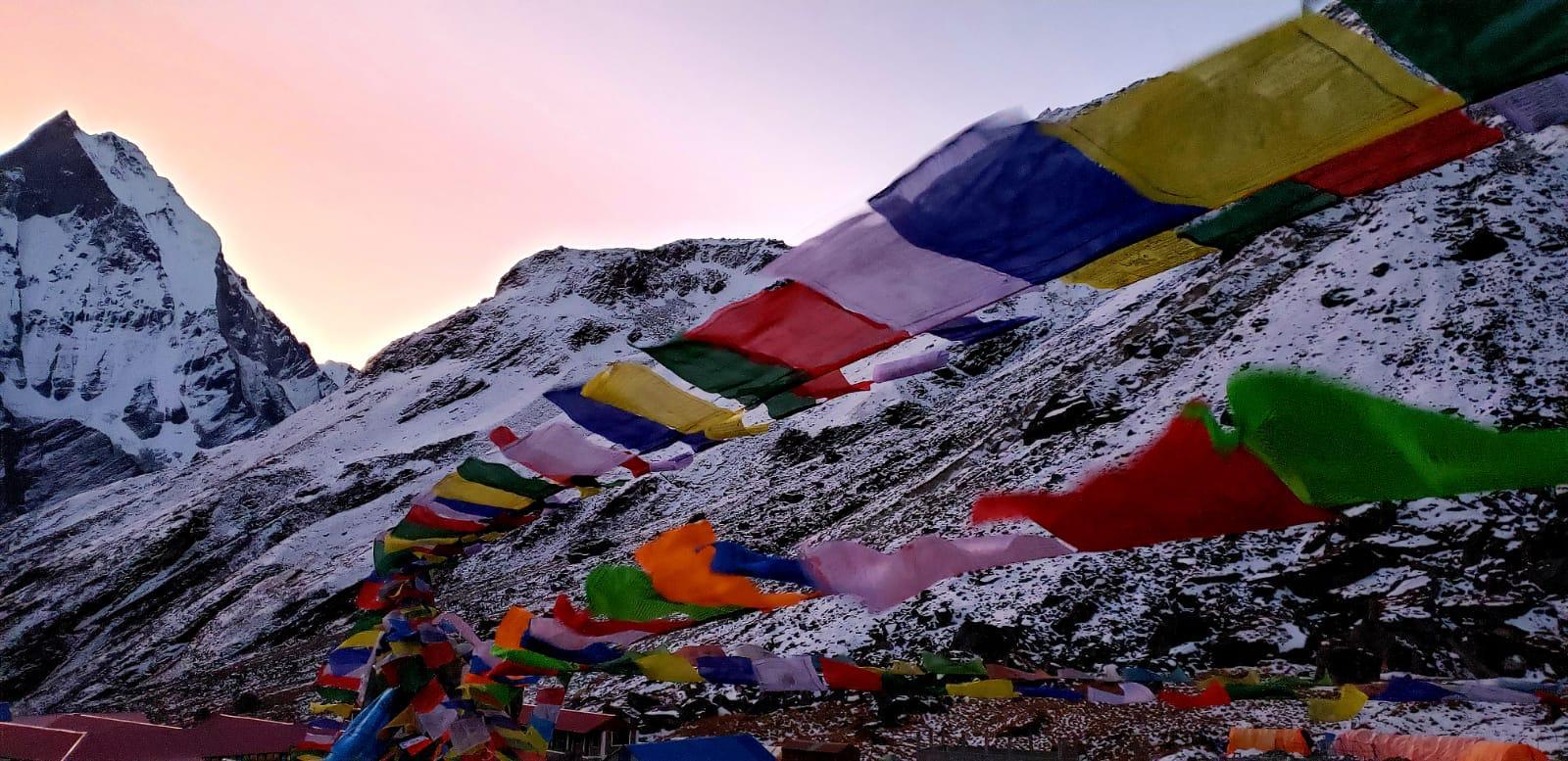
You may see prayer flags fluttering above stone houses, mani walls decorated with Buddhist inscriptions, and prayer wheels turning beside the trail.

This cultural element gives the trek a deeper sense of place you are not simply walking through the Himalayas; you are traveling through a living mountain community.

3. The Trek Is Relatively Accessible From Kathmandu

Another major advantage of Langtang is its accessibility.

The traditional starting point, Syabrubesi, can be reached by road from Kathmandu. This means trekkers do not need to take a domestic mountain flight to begin their adventure.

The road journey itself offers a fascinating transition from Kathmandu’s urban environment into Nepal’s rural hills and mountain landscapes.

For travelers with limited time in Nepal, this makes Langtang an attractive alternative to longer Himalayan treks.

4. Kyanjin Gompa Is an Incredible Destination

6 1 768x1024 1
8 Amazing Reasons Langtang Valley Trek Is Worth It 6

Reaching Kyanjin Gompa is one of the defining moments of the Langtang Valley Trek.

Situated at approximately 3,870 meters, Kyanjin is surrounded by spectacular Himalayan scenery and serves as the main acclimatization and exploration point in the upper valley.

Rather than simply arriving at the village and turning around, trekkers can spend an extra day exploring the surrounding area.

Popular excursions include:

Tserko Ri – a challenging viewpoint offering spectacular mountain panoramas

Kyanjin Ri – a shorter alternative with excellent views

Langshisha Kharka – a longer excursion into the upper valley

Langtang Glacier – an opportunity to see the dramatic glacial landscape

The extra day around Kyanjin can transform the trek from a simple valley walk into a much more immersive Himalayan adventure.

5. You Walk Through Diverse Landscapes

The Langtang Valley Trek is surprisingly diverse for a relatively compact route.

The trail passes through several distinct environments, including:

Subtropical forests → Rhododendron forests → Alpine landscapes → Glacial terrain

Lower sections are characterized by lush vegetation and rushing rivers. As the trail climbs, forests become dominated by pine, oak, birch, and rhododendron.

Higher up, trees gradually disappear and the landscape becomes more rugged and alpine.

This variety keeps the trek visually interesting because every few hours can bring a completely different environment.

6. Langtang Has a Rich Buddhist Heritage

Buddhism is deeply connected to the identity of the Langtang region.

Throughout the trek, you will encounter mani walls, prayer wheels, chortens, monasteries, and colorful prayer flags.

Kyanjin Gompa is particularly significant, providing trekkers with a chance to experience the spiritual atmosphere of the high Himalayas.

The trail also follows ancient cultural traditions that have shaped the communities of the region for generations.

For travelers interested in combining trekking with culture and spirituality, this is one of Langtang’s strongest attractions.

7. It Can Be Less Crowded Than Everest and Annapurna

The Everest Base Camp and Annapurna trekking routes are famous worldwide—and for good reason but their popularity also means that some sections can become busy during peak trekking seasons.

Langtang generally offers a quieter experience.

You still meet fellow trekkers along the trail, particularly during the spring and autumn seasons, but the overall atmosphere can feel more peaceful and intimate.

For travelers who prefer mountains, nature, and local communities over busy trekking hubs, Langtang can be an excellent choice.

8. You Can Complete a Himalayan Adventure in a Shorter Time

Not everyone has two or three weeks available for a Himalayan trek.

The classic Langtang Valley Trek can generally be completed in around 7–10 trekking days, depending on the itinerary, transportation arrangements, acclimatization days, and optional side trips.

A typical itinerary might include:

Kathmandu → Syabrubesi → Lama Hotel → Langtang Village → Kyanjin Gompa → exploration day → return to Syabrubesi → Kathmandu

This makes Langtang particularly appealing for travelers who want a meaningful Himalayan trekking experience while working with a limited vacation schedule.

When Is the Best Time to Trek Langtang Valley?

The best seasons for the Langtang Valley Trek are generally spring and autumn.

Spring: March to May

Spring brings relatively stable weather, clear mountain views, and colorful rhododendron forests.

April and May can be particularly beautiful when rhododendrons are in bloom.

Autumn: September to November

Autumn is widely considered one of the best trekking seasons in Nepal.

The monsoon has generally cleared the atmosphere, creating excellent mountain visibility, while daytime trekking conditions are usually comfortable.

Winter: December to February

Winter trekking is possible, but temperatures can become very cold at higher elevations and snowfall may affect the trail around Kyanjin Gompa and the high viewpoints.

Monsoon: June to August

The monsoon brings heavy rainfall, cloudy mountain views, muddy trails, and a greater risk of landslides in some areas. However, experienced trekkers may still find the region rewarding during this period.

How Difficult Is the Langtang Valley Trek?

The Langtang Valley Trek is generally considered a moderate-level Himalayan trek.

You do not need technical mountaineering skills for the standard route, but you should be prepared for several consecutive days of walking and significant elevation gain.

The biggest challenge is altitude.

Starting from the lower valley and gradually climbing toward Kyanjin Gompa gives your body time to adjust. A well-planned itinerary should include appropriate acclimatization and avoid unnecessarily rapid altitude gain.

Regular walking, stair climbing, hiking, and cardiovascular exercise in the weeks before your trip can help prepare you for the trek.

What Makes Langtang Valley Trek Different?

Langtang’s greatest strength is its balance.

You get mountains without an extremely long expedition, culture without leaving the trekking route, remote landscapes without complicated logistics, and adventure without technical climbing.

It is an excellent option for first-time Himalayan trekkers as well as experienced hikers looking for a shorter alternative to Nepal’s more famous routes.

Final Thoughts on Langtang Valley Trek

The Langtang Valley Trek may not have the global fame of Everest Base Camp, but that is precisely part of its appeal.

From the first mountain views to the traditional villages, Buddhist heritage, alpine landscapes, and spectacular surroundings of Kyanjin Gompa, the trek offers an impressive variety of experiences within a relatively short journey.

If you are looking for a Himalayan adventure that combines spectacular scenery, authentic culture, manageable logistics, and a quieter trekking atmosphere, Langtang Valley is absolutely worth considering.

Eight reasons may be enough to explain why Langtang is worth it but experiencing the valley for yourself is even better.

QUICK INQUIRY

7 Unforgettable Experiences on the Langtang and Tamang Heritage Trek 2027

Langtang and Tamang Heritage Trek

7 Unforgettable Experiences on the Langtang and Tamang Heritage Trek. The Langtang Valley and Tamang Heritage Trek is more than a journey through the Himalayas. It is an immersive adventure where dramatic mountain landscapes, ancient traditions, peaceful villages, Buddhist culture, forests, and warm Himalayan hospitality come together.

Unlike some of Nepal’s more crowded trekking routes, this journey allows you to experience the mountains at a more intimate pace. You walk through communities where culture remains an important part of everyday life, while the scenery gradually changes from green hills and forests to rugged high-altitude landscapes.

If you’re looking for a trek that combines natural beauty, authentic culture, adventure, and meaningful encounters, here are 7 unforgettable experiences that make the Langtang Valley and Tamang Heritage Trek special.

7 Unforgettable Experiences on the Langtang and Tamang Heritage Trek

1. Walking Through the Authentic Langtang and Tamang Heritage Trek

One of the most memorable parts of the trek is the opportunity to walk through traditional Tamang villages.

The Tamang Heritage Trail takes you through settlements where traditional stone houses, Buddhist prayer flags, mani walls, chortens, and mountain views form part of everyday life.

Villages such as Gatlang, Tatopani, Thuman, and Briddim offer opportunities to experience local traditions and hospitality away from the busier trekking routes.

Instead of simply passing through the landscape, you get a chance to connect with the communities that have called these mountains home for generations.

2. Watching the Himalayas Reveal Themselves Along the Langtang and Tamang Heritage Trek

The scenery changes dramatically as you enter the Langtang Valley.

The trail winds through forests and alongside rushing rivers before opening into increasingly dramatic Himalayan landscapes. Snow-covered peaks begin to dominate the horizon, creating spectacular views as you approach the upper valley.

One of the major highlights is the sight of Langtang Lirung, rising to approximately 7,227 meters.

The surrounding peaks, glaciers, cliffs, and alpine terrain create a completely different atmosphere from the lower forested sections of the trek.

Every bend in the trail seems to offer another reason to stop, breathe, and take in the mountains.

3. Experiencing Genuine Himalayan Hospitality – Langtang and Tamang Heritage Trek

A trek through Langtang and Tamang Heritage is also a journey through local hospitality.

Teahouses and homestays provide a place to rest after long days on the trail. In Tamang Heritage villages, staying with local families can make the experience particularly personal.

Sharing meals, talking with hosts, learning about their traditions, and experiencing daily life in the mountains can become some of the most treasured memories of the trek.

Sometimes, the most unforgettable moment isn’t reaching a viewpoint—it’s sitting beside a warm stove in a mountain home while snow-covered peaks disappear behind the evening clouds.

4. Relaxing in Natural Himalayan Hot Springs -Langtang and Tamang Heritage Trek

After several days of trekking, few experiences are more rewarding than soaking in a natural hot spring.

Tatopani, whose name means “hot water” in Nepali, is famous for its natural thermal springs.

The opportunity to rest your tired muscles in warm mineral-rich water while surrounded by Himalayan scenery creates a memorable contrast between adventure and relaxation.

It is one of those simple experiences that can make the trek feel even more special.

5. Discovering Buddhist Culture and Spiritual Landscapes -Langtang and Tamang Heritage Trek

Buddhist traditions are deeply connected with life in the Langtang and Tamang regions.

Throughout the trek, you encounter prayer wheels, mani walls, chortens, monasteries, and colorful prayer flags decorating the trail and villages.

Reaching Kyanjin Gompa is particularly meaningful. Situated at around 3,870 meters, the settlement is surrounded by spectacular mountain scenery and represents an important cultural and spiritual point within the Langtang Valley.

Walking past prayer flags fluttering in the mountain wind and hearing prayer wheels turn as you follow the trail creates an atmosphere that is difficult to experience anywhere else.

6. Reaching the High Himalayan World Around Kyanjin Gompa – Langtang and Tamang Heritage Trek

The journey to Kyanjin Gompa marks one of the great highlights of the Langtang section.

As you climb higher, forests gradually give way to alpine terrain. The landscape becomes more rugged, the air thinner, and the surrounding mountains increasingly impressive.

Kyanjin Gompa also provides an opportunity for optional acclimatization hikes.

Trekkers can explore viewpoints such as Kyanjin Ri or attempt Tserko Ri, depending on their itinerary, fitness, weather conditions, and acclimatization.

Standing above the valley with panoramic Himalayan views is a powerful reminder of how far you’ve traveled from Kathmandu.

7. Experiencing Two Different Sides in One Trek – Langtang and Tamang Heritage Trek

Perhaps the greatest advantage of combining the two routes is the diversity of experiences.

The Tamang Heritage Trail introduces you to traditional villages, local culture, homestays, forests, hot springs, and rural Himalayan life.

The Langtang Valley then takes you deeper into the mountains, with spectacular peaks, glaciers, alpine landscapes, and high-altitude trekking around Kyanjin Gompa.

Together, they create a journey that feels much more complete than experiencing either trail alone.

You don’t simply trek toward a destination—you experience the people, culture, landscapes, and mountains of the Langtang region along the way.

Why Combine Langtang Valley and Tamang Heritage Trail?

Combining the two routes is ideal for travelers who want more than just mountain views.

The journey offers a unique balance of:

Dramatic Himalayan scenery

Traditional Tamang villages

Buddhist culture and monasteries

Beautiful Himalayan forests

Natural hot springs

Local homestay experiences

Authentic trekking away from heavily crowded routes

High-altitude landscapes around Kyanjin Gompa

It is particularly appealing to trekkers who want to experience both the cultural and natural sides of Nepal’s Himalayas.

Best Time for the Langtang Valley & Tamang Heritage Trek

The best seasons are generally spring and autumn.

March to May brings warmer temperatures, blooming rhododendrons, and beautiful mountain scenery. Spring can be particularly rewarding for photographers and nature lovers.

September to November is another excellent period, with generally clear skies, good mountain visibility, and comfortable trekking conditions.

Winter can bring cold temperatures and snow at higher elevations, while the monsoon months can bring rain, clouds, and slippery trails.

Choosing the right season can significantly improve your trekking experience.

How Difficult Is the Trek?

The Langtang Valley and Tamang Heritage Trek is generally considered a moderate trek, but the combination is more demanding than a short Langtang Valley itinerary because of its longer duration and varied terrain.

You should be prepared for several hours of walking each day, including uphill and downhill sections.

Altitude is another important consideration, particularly as you approach Kyanjin Gompa and undertake optional hikes to higher viewpoints.

Good physical preparation, gradual acclimatization, adequate hydration, and a sensible itinerary are essential for enjoying the trek safely.

A Trek That Goes Beyond the Mountains

The most remarkable thing about the Langtang Valley and Tamang Heritage Trek is that the mountains are only part of the story.

You remember the snow-covered peaks, but you also remember the smile of a local host.

You remember the long days on the trail, but you also remember the warmth of a village teahouse.

You remember reaching Kyanjin Gompa, but you also remember turning a prayer wheel, crossing a suspension bridge, walking through rhododendron forests, and relaxing in the hot springs at Tatopani.

These experiences transform a trekking itinerary into a genuine Himalayan adventure.

Final Thoughts

The Langtang Valley and Tamang Heritage Trek is an excellent choice for travelers searching for a Himalayan journey that combines spectacular scenery with authentic culture and meaningful experiences.

From traditional Tamang villages and natural hot springs to Buddhist monasteries and the towering peaks surrounding Kyanjin Gompa, every section of the trek offers something different.

If you want to experience Nepal beyond the classic trekking routes, this journey deserves a place on your adventure list.

The mountains may be what bring you to Langtang but the people, culture, and unforgettable moments are what stay with you long after you leave.

QUICK INQUIRY

10 Incredible Reasons to Trek the Langtang Valley in 2026

Langtang Valley in 2026

10 Incredible Reasons to Trek the Langtang Valley in 2026, nestled in the heart of Nepal’s Himalayas, the Langtang Valley offers an unforgettable combination of spectacular mountain scenery, peaceful trails, rich Tamang and Tibetan-influenced culture, and authentic Himalayan hospitality. While Everest Base Camp and the Annapurna region often receive the most attention, Langtang provides a more intimate trekking experience without compromising on breathtaking landscapes.

If you are planning a Himalayan adventure in 2026, here are 10 incredible reasons to put the Langtang Valley Trek on your list.

Langtang Valley in 2026: 10 Incredible Reasons to Visit

1. Experience Breathtaking Himalayan Mountain Views

5
10 Incredible Reasons to Trek the Langtang Valley in 2026 18

One of the biggest attractions of the Langtang Valley Trek is its spectacular mountain scenery. As you ascend through the valley, the landscape gradually transforms from lush forests and rivers into dramatic alpine terrain.

You can enjoy impressive views of peaks such as Langtang Lirung (7,227 m), Langtang Ri, Dorje Lakpa, and other surrounding Himalayan summits. The changing scenery makes almost every day on the trail feel different.

2. Enjoy a Less Crowded Himalayan Trek

If you prefer peaceful mountain trails over busy trekking routes, Langtang is an excellent choice.

Compared with some of Nepal’s more famous trekking destinations, the Langtang Valley generally offers a quieter atmosphere. This allows you to enjoy the surrounding mountains, forests, villages, and rivers at a more relaxed pace.

For trekkers looking for a more peaceful Himalayan experience in 2026, this can be a major advantage.

3. Discover Authentic Tamang and Himalayan Culture

IMG 29e02dde58d10b445323e4a0ef01a22c V
10 Incredible Reasons to Trek the Langtang Valley in 2026 19

The Langtang region is home to communities with strong Tamang and Tibetan cultural influences. Trekking through the valley gives you opportunities to experience traditional villages, Buddhist monasteries, prayer wheels, mani walls, colorful prayer flags, and local customs.

Villages such as Lama Hotel, Langtang Village, and Kyanjin Gompa provide glimpses into life in the high Himalayas.

The cultural experience is one of the elements that makes Langtang more than simply a mountain trek.

4. Visit the Beautiful Kyanjin Gompa

1
10 Incredible Reasons to Trek the Langtang Valley in 2026 20

For many trekkers, reaching Kyanjin Gompa is the highlight of the Langtang Valley Trek.

Located at around 3,870 meters, Kyanjin Gompa is surrounded by spectacular Himalayan peaks and alpine landscapes. The village also serves as an excellent base for exploring the surrounding mountains and viewpoints.

Trekkers with extra time can take day hikes toward Kyanjin Ri or Tserko Ri for even more impressive panoramic views.

5. Explore Dramatic Himalayan Landscapes

1 1
10 Incredible Reasons to Trek the Langtang Valley in 2026 21

The Langtang trail passes through an incredible variety of landscapes.

Your journey can include:

  • Dense rhododendron and oak forests
  • Waterfalls and mountain streams
  • Suspension bridges
  • Traditional Himalayan villages
  • Glacial valleys
  • Alpine meadows
  • Snow-covered peaks
  • High-altitude viewpoints
4
10 Incredible Reasons to Trek the Langtang Valley in 2026 22

The dramatic transformation of the landscape as you gain elevation is one of the most rewarding parts of the trek.

6. Trek through Beautiful Rhododendron Forests

Langtang is particularly beautiful during spring when Nepal’s national flower, the rhododendron, blooms across the hillsides.

The trail winds through forests filled with rhododendron, oak, pine, and other Himalayan vegetation. In spring, the combination of colorful flowers and snow-covered mountains creates an especially spectacular setting.

However, Langtang remains an attractive trekking destination throughout much of the year, depending on weather and trail conditions.

7. Explore the Langtang National Park

The Langtang Valley lies within Langtang National Park, one of Nepal’s remarkable protected areas.

The park protects diverse Himalayan ecosystems ranging from subtropical forests to high alpine environments. Trekkers may encounter wildlife such as Himalayan langurs, musk deer, Himalayan black bears, and numerous bird species, although wildlife sightings are never guaranteed.

The national park setting adds another fascinating dimension to the trekking experience.

8. Experience Himalayan Hospitality

One of the most memorable aspects of trekking in Nepal is staying in local teahouses and interacting with the people who live along the trail.

During the Langtang Valley Trek, you can enjoy warm hospitality, traditional meals, comfortable teahouse stays, and conversations with local families.

After a long day of walking through the mountains, sitting down with a hot meal and looking out toward the Himalayas can become one of the simplest—and most rewarding—memories of the journey.

9. Reach an Incredible Himalayan Viewpoint

The Langtang Valley Trek offers opportunities to climb higher than the main trekking route without requiring technical mountaineering skills.

IMG 73185cedd892e21b9350b3ece486dd4c V
10 Incredible Reasons to Trek the Langtang Valley in 2026 23

Kyanjin Ri and Tserko Ri are popular viewpoints around Kyanjin Gompa. From these high points, trekkers can enjoy expansive views of the Langtang range and surrounding Himalayan landscape.

For adventurous trekkers, adding one of these viewpoints can turn an already beautiful trek into an even more rewarding experience.

10. Combine Adventure with a Manageable Trekking Duration

Another major advantage of Langtang is its relatively accessible location from Kathmandu.

The trek can often be completed in around 7–10 days, depending on the chosen itinerary, acclimatization schedule, side trips, and transportation arrangements.

This makes it particularly appealing to travelers who want to experience the Himalayas but have limited vacation time.

You can also extend your adventure by combining the Langtang Valley with Gosaikunda, creating a longer and more diverse Himalayan trekking experience.

When Is the Best Time to Trek Langtang Valley in 2026?

6
10 Incredible Reasons to Trek the Langtang Valley in 2026 24

The best trekking seasons are generally spring and autumn.

Spring (March to May) offers pleasant trekking conditions, blooming rhododendrons, and excellent mountain scenery. Autumn (September to November) is popular for generally stable weather, clear skies, and excellent Himalayan visibility.

Winter can bring freezing temperatures and snow at higher elevations, while the monsoon season can bring rain, clouds, and slippery trails.

Your ideal travel period will ultimately depend on whether you prioritize clear mountain views, warmer temperatures, fewer trekkers, or the chance to see rhododendrons in bloom.

Langtang Valley in 2026: How Difficult Is the Langtang Valley Trek?

The Langtang Valley Trek is generally considered a moderate trek, although difficulty depends on your fitness level, itinerary, altitude, weather, and daily walking distance.

The highest point varies depending on your chosen side trips. Trekkers attempting Tserko Ri will reach significantly higher elevations than those who finish their trek around Kyanjin Gompa.

Proper acclimatization is important, particularly as you approach higher elevations.

You do not need technical climbing experience for the standard Langtang Valley Trek, but good physical preparation will make the experience considerably more enjoyable.

Langtang Valley in 2026: What Makes Langtang Different From Everest Base Camp?

Both Langtang and Everest Base Camp offer extraordinary Himalayan experiences, but they have different personalities.

Langtang is particularly appealing if you want a shorter, quieter, culturally rich trekking experience with beautiful forests and dramatic mountain scenery.

Everest Base Camp is ideal if reaching the legendary base camp of Mount Everest is your primary goal and you want to experience the famous Khumbu region.

If you have already completed Everest Base Camp, Langtang can also provide a completely different perspective of Nepal’s Himalayas.

Langtang Valley in 2026: Is Langtang Valley Worth Visiting?

Absolutely.

For travelers searching for spectacular scenery, authentic Himalayan culture, peaceful trails, and a rewarding adventure without committing to a very long expedition, the Langtang Valley Trek is an excellent option.

The combination of mountains, forests, Buddhist culture, traditional villages, wildlife, and high-altitude viewpoints makes Langtang one of Nepal’s most rewarding trekking regions.

Whether you are a first-time Himalayan trekker or an experienced adventurer looking for something beyond the classic routes, 2026 could be the perfect year to discover Langtang Valley.

Langtang Valley in 2026: Plan Your Langtang Valley Adventure

Ready to experience the incredible landscapes of the Langtang region?

A well-planned itinerary, appropriate acclimatization, reliable local support, and the right trekking season can make a significant difference to your experience.

Treks Planner Nepal can help you plan your Langtang adventure according to your available time, fitness level, and trekking preferences from a classic Langtang Valley itinerary to an extended Langtang and Gosaikunda Trek.

The Himalayas are waiting. Make 2026 the year you discover Langtang Valley.

QUICK INQUIRY

The Manaslu Circuit Trek Experience: 10 Surprising Truths Nobody Tells You

The Manaslu Circuit Trek Experience

The Manaslu Circuit Trek Experience: 10 Surprising Truths Nobody Tells You. The Manaslu Circuit Trek is often described as one of the last great wilderness treks in Nepal. Travelers expect giant mountains, remote villages, and a challenging Himalayan adventure and they absolutely get all of that.

But what many trekkers don’t realize is that Manaslu is full of surprises.

Some are inspiring.

Some are uncomfortable.

And some completely change the way you experience the mountains.

From brutal altitude mornings to unexpectedly deep cultural moments, here are 10 surprising truths about the Manaslu Circuit Trek that nobody really tells you before you go.

1. The Trek Feels Far More Remote Than You Expect – The Manaslu Circuit Trek Experience

IMG 45012f12d72056eb822f99ec49f07f5f V
The Manaslu Circuit Trek Experience: 10 Surprising Truths Nobody Tells You 34

People often compare Manaslu to the Annapurna Circuit, but the atmosphere feels completely different.

Once you leave the lower villages behind, the trail becomes noticeably quieter. There are long stretches where you’ll hear nothing except rivers, yak bells, and the wind pushing through the valleys.

Unlike the busy Everest and Annapurna regions, Manaslu still feels genuinely isolated. In some villages, life moves at a pace that hasn’t changed for generations.

That remoteness becomes one of the trek’s greatest strengths but also one of its biggest challenges.

2. The Suspension Bridges Can Be Terrifying – The Manaslu Circuit Trek Experience

Manaslu Suspension Bridge
The Manaslu Circuit Trek Experience: 10 Surprising Truths Nobody Tells You 35

Nepal is famous for suspension bridges, but the ones in the Manaslu region hit differently.

Some bridges hang dramatically high above roaring glacial rivers. Others sway heavily in the wind while mule caravans and yaks cross from the opposite direction.

If you’re even slightly afraid of heights, a few crossings may seriously test your nerves.

Oddly enough, many trekkers end up loving them by the end of the journey.

3. The Altitude Can Humble Even Experienced Trekkers – The Manaslu Circuit Trek Experience

WhatsApp Image 2024 04 29 at 13.26.51 c6194770
The Manaslu Circuit Trek Experience: 10 Surprising Truths Nobody Tells You 36

The trail gradually climbs toward Larke Pass at 5,106 meters, and the altitude becomes very real.

Simple things suddenly feel exhausting:

Putting on boots

Walking uphill

Carrying a backpack

Climbing stairs

Even strong hikers are surprised by how quickly thin air drains energy.

One of the biggest mistakes trekkers make is underestimating acclimatization. Manaslu rewards patience and punishes rushing.

4. The Food Is Better Than Most People Expect – The Manaslu Circuit Trek Experience

When people hear “remote Himalayan trek,” they usually imagine limited meals and bland food.

Surprisingly, the teahouses on the Manaslu Circuit offer a pretty impressive variety:

Dal bhat

Fried rice

Tibetan bread

Momos

Noodles

Pancakes

Soups

Pasta

Nothing tastes better than hot garlic soup after a freezing trekking day.

And somehow, tea at high altitude always feels more comforting than tea anywhere else in the world.

5. The Weather Changes Incredibly Fast – The Manaslu Circuit Trek Experience

WhatsApp Image 2023 10 29 at 13.48.11 55381102
The Manaslu Circuit Trek Experience: 10 Surprising Truths Nobody Tells You 37

A sunny Himalayan morning can turn into snow, fog, or freezing winds within hours.

The Manaslu region has unpredictable mountain weather, especially near the higher elevations around Samdo and Larke Pass.

Trekkers are often shocked by how quickly temperatures drop once the sun disappears behind the mountains.

Layering properly becomes essential, not optional.

6. The Cultural Experience Feels Deeply Personal

WhatsApp Image 2023 10 29 at 13.48.07 64f466e0
The Manaslu Circuit Trek Experience: 10 Surprising Truths Nobody Tells You 38

One of the most unexpected parts of the trek is how authentic the cultural interactions feel.

The upper Manaslu region carries strong Tibetan Buddhist influences. Villages like Samagaun feel ancient, peaceful, and spiritually rich.

You’ll pass:

Monasteries

Prayer wheels

Mani walls

Yak caravans

Elderly locals spinning prayer beads

Because tourism is still relatively limited, many interactions feel natural rather than commercialized.

You don’t just observe the culture you feel welcomed into it.

7. Sleeping Can Become Surprisingly Difficult

Many trekkers expect the walking to be the hardest part.

Instead, they’re shocked by the sleep.

At higher altitude, it’s common to wake up repeatedly during the night. The combination of thin air, cold temperatures, and altitude can make deep sleep difficult.

Some people experience vivid dreams.

Others wake up feeling like they forgot to breathe.

It’s a strange but very normal part of high-altitude trekking.

8. Crossing Larke Pass Is More Emotional Than Physical

4
The Manaslu Circuit Trek Experience: 10 Surprising Truths Nobody Tells You 39

Most people focus on the physical challenge of crossing Larke Pass.

What surprises many trekkers is the emotional side of it.

The early morning darkness, freezing temperatures, exhaustion, and massive Himalayan scenery create a powerful atmosphere. Reaching the top often feels overwhelming in the best possible way.

Some people laugh.

Some cry.

Some simply stand silently staring at the mountains.

It becomes more than just another trekking milestone.

9. The Simplicity Starts Changing Your Mindset

After several days in the mountains, something strange happens.

Your priorities shrink down to very basic things:

Warm food

A dry bed

Hot tea

Sunshine

Reaching the next village

And weirdly, that simplicity feels incredibly satisfying.

Many trekkers realize how mentally cluttered modern life feels only after spending time in remote Himalayan valleys with almost no distractions.

Manaslu has a way of slowing your mind down.

10. You’ll Probably Want to Return to Nepal Again

WhatsApp Image 2024 04 29 at 13.26.55 6c1f0ab1
The Manaslu Circuit Trek Experience: 10 Surprising Truths Nobody Tells You 40

This is the truth almost nobody warns you about.

The Manaslu Circuit Trek rarely feels like a one-time adventure.

Something about the raw landscapes, mountain culture, and daily rhythm of trekking gets under your skin. Many travelers finish the trek already thinking about future adventures in the Himalayas.

Maybe it’s Everest next.

Maybe Annapurna.

Maybe another hidden valley somewhere deep in the mountains of Nepal.

But for many trekkers, Manaslu becomes the beginning of a lifelong obsession with the Himalayas.

Final Thoughts

The Manaslu Circuit Trek is more than just a beautiful trekking route.

It’s unpredictable.

It’s physically demanding.

It’s culturally fascinating.

And at times, it can be brutally uncomfortable.

But that’s exactly what makes it unforgettable.

In a world where many famous travel experiences are becoming crowded and commercialized, Manaslu still feels wild, honest, and deeply real.

And once you experience that kind of adventure, ordinary travel never quite feels the same again.

Contact us for Package Details

QUICK INQUIRY

Trekking in Nepal Consider This First

everest base camp difficulty 1Nepal is one of the most beautiful countries on the planet. It is about a towering white peaks touching the sky, the monks meditate quietly in the ancient temple on the mountain, and drag the people for various sorts of communication from the mountainous life to rustic life. Mingle of various sorts of experiences. Eventually, the dream of backpackers will be turned into reality if you come to Nepal.
Despite its greatness, planning to walk in Nepal is not as difficult as you think. For decades, trekking has been very popular in Nepal, and Nepalese people are also excellent hosts. Kathmandu has hundreds of high quality tour and travel companies. The hotel “teahouse” offers a new experience and taste for the field. Even for those having little experience in backpacking, hiking in Nepal is easy, affordable and memorable.
So, if you like gorgeous landscapes, radiant culture and epic adventures, you’re likely to fall in love with Nepal. We hope you find this short description useful for planning your next trip.
The various adventure, nature and culture lover, trekking is the best way to see the changing landscape and beauty of Nepal. If you like to walk, this is one of the most inspiring places in the world. While Hiking in Nepal the Himalayas offer many possibilities to challenge the snowy mountains for a short and easy time. Their culture and diversity have become a hiker’s paradise.so we can call Nepal as a land of diversity.
From the perspective of the Himalayas to the deep spiritual culture, you will witness the beliefs of the local people and experience the aura of life. If you do not want to climb also this is not a problem, you can have the proper observation of those things easily. You do it without having to be a climber. No matter what your level of fitness or experience, you can find life-long adventures in Nepal.
Trekking in Nepal is one of the most wonderful, sublime and culturally rich experiences on this planet. For very isolated ethnic and cultural village at the foot of the mountain walk, trips in the valleys and unbeatable area, overlooking the scenic Himalayas and mountainous landscape, offers a unique perspective of the natural and cultural national landscape of these valleys and regions. Other things on earth walk through the winding hiking trails through the Emerald Alpine Forest, open pastures, and farms full of farmland and beautiful country houses. Tapestry of the Himalayan Mountains and blue composition of the trail overlooking the wide valley and mountains create the real vibe of paradise.
Trekking in Nepal offers a wide range of comprehensive travel packages that combine the best of all regions with the perfect opportunity to experience the best natural and cultural elements of the area. These travel packages will land and the natural style of the mountain settlements and villages of the traditional and tribal religious and ancestral atmosphere, rich in temples perfect harmony. Our company has always been committed to providing quality assistance and changing the dream of the customers in to a pleasant reality. Our tour guides and highly trained and well trained staff will always make sure you have a carefree vacation. Our range of services ranges from the planning and preparation of your trip to the careful planning of your trip. You will get the best accommodation, transportation, food and guidance services.
While doing trekking in Nepal you can add some tour packages to Tibet and Bhutan. In addition to hiking, cultural visits and spectacular climbing, we also offer adventure activities such as Bungee jumping, paragliding and rafting. We always take customer satisfaction and safety as our top priority. Together, you will get the perfect team for trekking in Nepal. You will be immersed in the views of the stunning mountains and magnificent natural environment, these beautiful yet unprecedented natural environment, has increased the land and the traditional Essence culture!

The following are the Useful tips for trekking in Nepal

1. Plan the proper date
Whether you are planning your own trip or travel arrangements, be sure to schedule for 2-3 days earlier. Internal flights in Lukla, Jomsom, Pokhara, Taplejung and other parts of Nepal can be delayed and canceled. The last thing you need is to miss the international contact of Kathmandu! By adding a few extra days, you can be sure of having some energy before flying long distances. A great advantage of working through travel agencies is that they (in your name) can help you book the next flight to Kathmandu. Remember: if your flight is canceled in one day, it will not be given priority on the second day
2. Local guides and porters
If you go trekking at Everest or Annapurna you do not need any local guide. Your travel company will arranged you all sorts of the facilities while booking your trip. The routes are quite famous in these areas and there are many other hikers on these routes if you need help. Local guides can add a sense of connection and regional understanding and when using porters, you only have to make a package of approximately 12 to 15 kg per day. If you are on your first trek in Nepal, it may be worth the help of these experienced locals, and the additional cost is insignificant in relation to the hard work they do. They believe on the hard work, respect and honesty.

3. Sherpa
“Sherpa” is actually a Nepalese caste. In general, they are Buddhist devotees, they even have their own language, similar to Tibet (but without written form). The people who help hikers to climb the mountain are not all the Sherpas . However, many tour guides and shippers fall into this category, since the Sherpa agreements have historically come from high altitudes (and, therefore, are well adapted to the environment).They have glorious history in the mountain.

4. Yaks
These furry beasts over 10,000 feet (3,000 meters) are plentiful. These loaded animals get up, transporting goods at high altitudes and farming in rural areas. Some of these animals are not always yaks. The short-haired race found on the Namche Bazaar trail in Khumbu is actually an artificial cow / yak hybrid “dzomo”. The higher living yaks are very clever. When they are on a hiking trail, everyone can have huge horns. Keep ample parking space and always keep the road uphill trying to pass . Listen to the next yak tones and pay attention to a lot of yak dung!

5. Drinking water
During the most popular trek, you can buy bottled water along the line (ie the Everest base camp, the Annapurna circuit, the Annapurna protected area …). Many villages now have water purification stations where you can fill water bottles for $ 0.5 and keep them in plastic. Bottled water is sold in every hut, teahouse and store. Usually $ 1.00 per liter bottle. On these trips, water filters and water purification pills are not really necessary. During the walk in remote areas, the chef’s staff will boil the water while camping. It is recommended that you bring two bottles of water or a large hydration bladder full in the camp. When camping, the thermos is also a good place to stay warm at night.

Buddhist traditions on the road
Most of the trekking will enter a region of greater Buddhism. The first sign of their entry into a Buddhist village are the colorful prayer flags that plow through the houses, the monasteries and the peaks in the wind. You will also reach the stupa (Buddhist shrine), the walls of Mani (Sanskrit mantras on large stone walls and slate) or the long walls of prayer wheels. Always walking through these religious monuments on the left is a sign of custom and respect.
Acute mountain sickness (AMS)
AMS is a big problems for new hikers at relatively high altitudes. How is your body responding? Are you sick? Since it is difficult for most of us to train and prepare at that level, it is a real concern for everyone, but without any undue attention. After 22 years of guided tours in the Himalayas, the key to giving yourself the keys to a safe, comfortable and successful trip.
a) Self-control: it should be a fun party, not a sporting event. Stop at the hotel for a cup of tea, take pictures and sit on the snowy peaks with having fun.
b) Maintain adequate humidity: drink liquid until it comes out through the nose and ears. Try to keep your body warm by drinking the various soups and hot water.

These are the some information about the trekking in Nepal. After you arrived into to airport, if you have already booked your trip you will get the enough facilities. Your company will do all the help for you so you should not be worried about your trek. Moreover, Nepal is safe land for travel .We just belief on the peace. If you want to book the trip it’s better to consult with the tour operator of the Nepal.
Finally, you should be updated about the latest changes of Nepal. After October 28, the traffic police has made one good rules with the collaboration with ministry of tourism. This is best for many tourists in Nepal. They have announced Thamel as a Vehicle free Zone. You can walk around the Thamel without any anxiety .This is latest information about the Thamel. Now, you need to walk some minutes to enter your Hotel from the main street. Nepal always welcome and respect the visitors with the lofty tone NAMASTE

Feel Free To Contact Us For Package Details, Price and Any Other Useful InformationContact Us