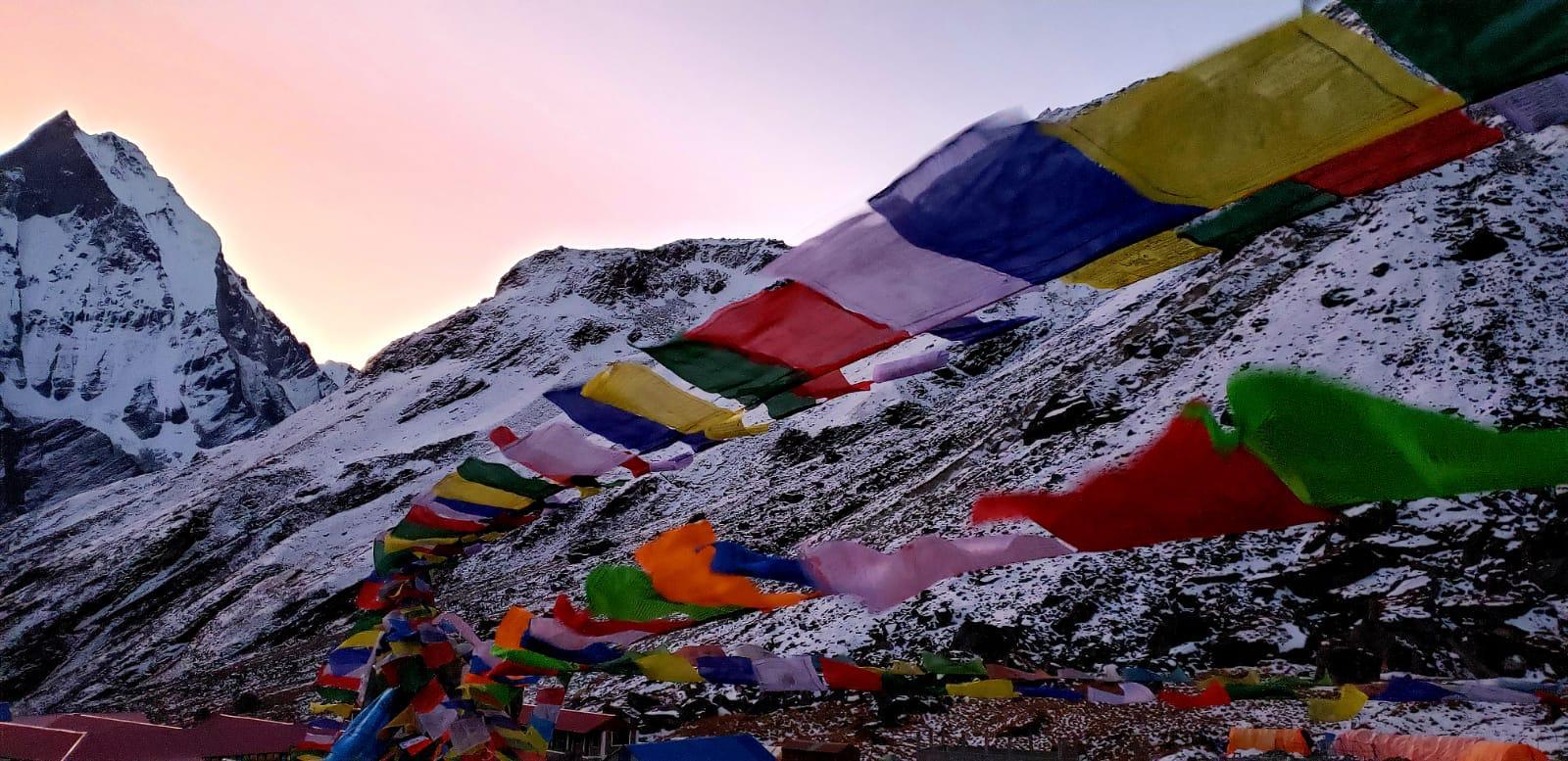


Best Time for the Manaslu Trail Run: 9 Expert Tips for 2027. The Manaslu Trail Run is one of Nepal’s most exciting high-altitude endurance adventures, taking runners through remote Himalayan villages, lush forests, dramatic river gorges, ancient Buddhist monasteries, and across the breathtaking Larke Pass (5,106 m). Unlike many trail races around the world, running in the Manaslu region isn’t just about speed it’s about adapting to changing weather, high altitude, and rugged mountain terrain.
Choosing the best time for the Manaslu Trail Run can make the difference between an unforgettable experience and a physically demanding challenge. Seasonal weather affects trail conditions, mountain visibility, river crossings, and even your performance at higher elevations.
So, when is the best time to run the Manaslu Trail?
In this guide, we’ll break down each season, explain the advantages and disadvantages, and share 9 expert tips to help you choose the ideal time for your Himalayan trail running adventure.
Table of Contents
Why Timing Matters for the Manaslu Trail Run
Unlike road races, mountain trail running depends heavily on weather and trail conditions. During the Manaslu Trail Run, you’ll experience elevations ranging from approximately 700 meters to over 5,100 meters, where temperatures and weather can change dramatically within a few hours.
The right season offers:
- Crystal-clear mountain views
- Stable weather
- Dry and safer trails
- Comfortable daytime temperatures
- Better running conditions
- Easier logistics
Choosing the wrong season could mean slippery trails, poor visibility, heavy rainfall, or snow-covered passes.
Understanding the Four Seasons
The Manaslu region experiences four distinct seasons:
Spring (March–May)
Summer/Monsoon (June–August)
Autumn (September–November)
Winter (December–February)
Each season provides a completely different trail running experience.
1. Spring (March to May): The Best Season for Trail Running – Best Time for the Manaslu Trail Run
Spring is widely regarded as one of the best times for the Manaslu Trail Run.
As winter snow melts, forests become green, rhododendrons bloom across the hillsides, and temperatures remain pleasant for long-distance running.
Advantages
- Stable weather
- Moderate temperatures
- Blooming rhododendron forests
- Excellent mountain views
- Longer daylight hours
- Comfortable running conditions
Average daytime temperatures:
Lower elevations: 15–22°C
Higher elevations: -5 to 10°C
Spring is particularly popular among runners because snow on Larke Pass is usually manageable while the trails remain relatively dry.
2. Autumn (September to November): The Peak Running Season – Best Time for the Manaslu Trail Run
If you ask experienced guides or trail runners to choose the best season, many will recommend autumn.
Following the monsoon, dust is washed away, creating spectacular visibility across the Himalayas.
The skies are often deep blue, making this the perfect season for photography and mountain racing.
Advantages
- Crystal-clear mountain views
- Dry trails
- Comfortable temperatures
- Excellent visibility
- Stable weather
- Peak trekking and trail running season
Average temperatures:
Lower elevations: 12–20°C
Higher elevations: -8 to 8°C
Autumn offers some of the most reliable weather conditions for crossing Larke Pass safely.
3. Summer / Monsoon (June to August)
Summer is the least recommended season for the Manaslu Trail Run.
Heavy rainfall creates muddy trails, swollen rivers, and increased risks of landslides in lower sections of the route.
Challenges
- Heavy rainfall
- Slippery trails
- Leech-infested forests
- Landslides
- Cloud-covered mountains
- Difficult river crossings
While experienced ultra-runners sometimes enjoy the challenge, this season is generally unsuitable for most participants.
4. Winter (December to February)
Winter transforms the Manaslu region into a spectacular snowy landscape.
Although the scenery is breathtaking, cold temperatures and heavy snowfall make trail running significantly more demanding.
Challenges
- Snow-covered trails
- Frozen sections
- Very cold mornings
- Risk of Larke Pass closure
- Shorter daylight hours
Temperatures at higher elevations can drop below -20°C during the night.
Winter is best suited for experienced mountain athletes with proper winter gear.
Which Month Is the Best?
| Month | Trail Conditions | Recommendation |
| January | Difficult | ⭐⭐☆☆☆ |
| February | Moderate | ⭐⭐⭐☆☆ |
| March | Very Good | ⭐⭐⭐⭐☆ |
| April | Excellent | ⭐⭐⭐⭐⭐ |
| May | Excellent | ⭐⭐⭐⭐⭐ |
| June | Poor | ⭐⭐☆☆☆ |
| July | Poor | ⭐☆☆☆☆ |
| August | Fair | ⭐⭐☆☆☆ |
| September | Moderate | ⭐⭐⭐☆☆ |
| October | Excellent | ⭐⭐⭐⭐⭐ |
| November | Excellent | ⭐⭐⭐⭐⭐ |
| December | Moderate | ⭐⭐⭐☆☆ |
Expert Tip #1: Choose Stable Weather Over Warm Weather – Best Time for the Manaslu Trail Run
Many runners assume warmer temperatures make for a better race, but in the Himalayas, stable weather is far more important. Clear skies and dry trails provide safer footing and reduce the risk of delays caused by heavy rain or snowfall.
Expert Tip #2: Acclimatize Properly – Best Time for the Manaslu Trail Run
No matter the season, altitude remains one of the biggest challenges on the Manaslu Trail Run. Plan enough time to acclimatize before tackling higher sections of the course.
Expert Tip #3: Start Early Each Morning – Best Time for the Manaslu Trail Run
Weather in the Himalayas often changes during the afternoon. Running early gives you cooler temperatures, firmer trails, and a better chance of crossing exposed sections before clouds or strong winds develop.
Expert Tip #4: Train for Variable Terrain
The Manaslu Trail includes steep climbs, rocky descents, suspension bridges, forest paths, and alpine trails. Incorporate hill training, trail running, and strength workouts into your preparation.
Expert Tip #5: Layer Your Clothing
Temperatures can vary by more than 20°C in a single day. Wear moisture-wicking base layers and carry lightweight insulation and a waterproof jacket to adapt quickly.
Expert Tip #6: Stay Hydrated
Cold weather often reduces your sense of thirst, but dehydration can still affect performance and increase the risk of altitude-related problems. Drink regularly and replenish electrolytes during long running days.
Expert Tip #7: Respect the Altitude
Avoid pushing too hard during the first few days. A steady pace helps your body adapt and improves your chances of performing well at higher elevations.
Expert Tip #8: Watch the Weather Forecast
Mountain weather can change rapidly. Before setting out each day, consult your guide or local authorities for updates on trail and pass conditions, especially if you’re running in spring or late autumn.
Expert Tip #9: Book Early for Peak Seasons
April, May, October, and November are the busiest months in the Manaslu region. Secure your permits, accommodation, guide, and transportation well in advance to avoid disappointment.
Month-by-Month Guide, What to Wear, Safety Tips, FAQs & Final Verdict
Month-by-Month Weather Guide – Best Time for the Manaslu Trail Run
Although the Manaslu region can be visited throughout the year, each month offers a different trail running experience.
March
March marks the beginning of spring. Snow starts melting at higher elevations, rivers become more active, and forests gradually turn green.
What to expect:
- Cool mornings
- Dry trails
- Moderate crowds
- Good visibility
- Some remaining snow near Larke Pass
Ideal for runners looking to avoid peak-season crowds while enjoying stable weather.
April
April is considered one of the best months for the Manaslu Trail Run.
The weather is stable, rhododendron forests bloom in vibrant colors, and mountain views are exceptional.
Highlights
- Comfortable temperatures
- Colorful landscapes
- Dry trails
- Excellent photography conditions
Many experienced runners consider April the perfect balance between scenery and weather.
May
May offers warmer temperatures while maintaining relatively stable weather.
Snow on higher sections has mostly disappeared, making trail conditions easier.
However, afternoon clouds become more common toward the end of the month.
June
The arrival of the monsoon brings increasing rainfall.
Trail conditions become muddy, visibility decreases, and landslide risks rise in lower elevations.
Unless you’re specifically looking for an extreme challenge, June is generally not recommended.
July
July experiences the heaviest rainfall of the year.
Expect:
- Constant rain
- Leeches in forest sections
- Slippery trails
- Poor mountain visibility
- Most organized trail events avoid this period.
August
Rain gradually decreases toward the end of August.
Although conditions begin improving, trails remain wet and unpredictable.
September
September marks the transition into autumn.
As the monsoon clears, mountain views improve dramatically.
Late September is an excellent time for experienced trail runners.
October
October is widely regarded as the best month for the Manaslu Trail Run.
Expect:
- Crisp mountain air
- Dry trails
- Blue skies
- Comfortable temperatures
- Outstanding Himalayan panoramas
Trail conditions are typically at their best.
November
November remains another outstanding month.
The weather stays stable, although temperatures begin dropping at higher elevations.
Many runners appreciate the quieter trails compared to October.
December
Winter begins.
Snow may accumulate around Larke Pass, while lower elevations remain pleasant during the day.
January
January is the coldest month.
Heavy snowfall can temporarily block high mountain passes.
Only experienced winter runners with proper equipment should consider this season.
February
Weather slowly improves toward the end of February.
Snow remains possible at higher elevations, but conditions gradually become more favorable.
What Should You Wear?
The key to successful trail running in the Himalayas is layering.
Spring & Autumn – Best Time for the Manaslu Trail Run
Recommended clothing:
- Moisture-wicking running shirt
- Lightweight running jacket
- Windproof shell
- Trail running tights or shorts
- Warm gloves
- Buff or neck gaiter
- Running cap
- Winter
Additional equipment includes:
- Down jacket
- Thermal base layers
- Waterproof gloves
- Insulated hat
- Waterproof trail shoes
- Microspikes (if required)
- Monsoon
Essential gear:
- Waterproof jacket
- Waterproof running vest
- Quick-drying clothing
- Waterproof socks
- Trekking poles (recommended)
- Rain cover for your backpack
- Safety Tips for Every Season
- Monitor the Weather Daily
Mountain forecasts can change quickly. Always check local weather updates before heading toward higher sections, especially around Larke Pass.
Respect Altitude
Even the strongest trail runners can experience altitude sickness.
Watch for symptoms such as:
- Persistent headache
- Nausea
- Fatigue
- Dizziness
- Difficulty sleeping
Never ignore these warning signs.
Carry Essential Safety Equipment
Your trail running pack should always include:
- First aid kit
- Water purification tablets or filter
- Headlamp
- Emergency blanket
- Power bank
- Energy gels or snacks
- Waterproof jacket
Hire an Experienced Local Guide
The Manaslu region is a restricted area, meaning all international visitors must trek with a licensed guide through a registered trekking agency.
Beyond meeting permit requirements, a local guide provides valuable support with navigation, weather updates, altitude management, and emergency response.
Frequently Asked Questions
Which season has the best mountain views?
Autumn (October and November) generally offers the clearest skies and the most spectacular Himalayan panoramas.
Is spring better than autumn?
Both are excellent.
Spring offers blooming rhododendrons, longer daylight hours, and milder temperatures.
Autumn provides drier trails, crisp air, and unmatched mountain visibility.
Your choice depends on whether you value colorful landscapes or crystal-clear views.
Can I run the Manaslu Trail during winter?
Yes, but only if you have experience running in snowy alpine conditions and are equipped with appropriate winter gear. Heavy snowfall may make Larke Pass inaccessible.
Is the monsoon season suitable?
Generally, no.
Heavy rainfall increases the risk of landslides, slippery trails, river flooding, and poor visibility. Most runners choose spring or autumn instead.
How far in advance should I book?
For April, May, October, and November, booking 3–6 months in advance is recommended to secure permits, accommodation, transportation, and guide availability.
Final Verdict
The Manaslu Trail Run can be completed in every season, but spring and autumn consistently provide the safest, most enjoyable, and most scenic conditions.
If your priority is vibrant landscapes and comfortable temperatures, April and May are excellent choices. If you want crystal-clear mountain views, dry trails, and ideal running conditions, October and November stand out as the best months.
Regardless of when you visit, success on the Manaslu Trail Run depends on proper preparation, gradual acclimatization, and respecting the challenges of high-altitude Mountain running. With the right planning, you’ll experience one of Nepal’s most rewarding trail-running adventures.