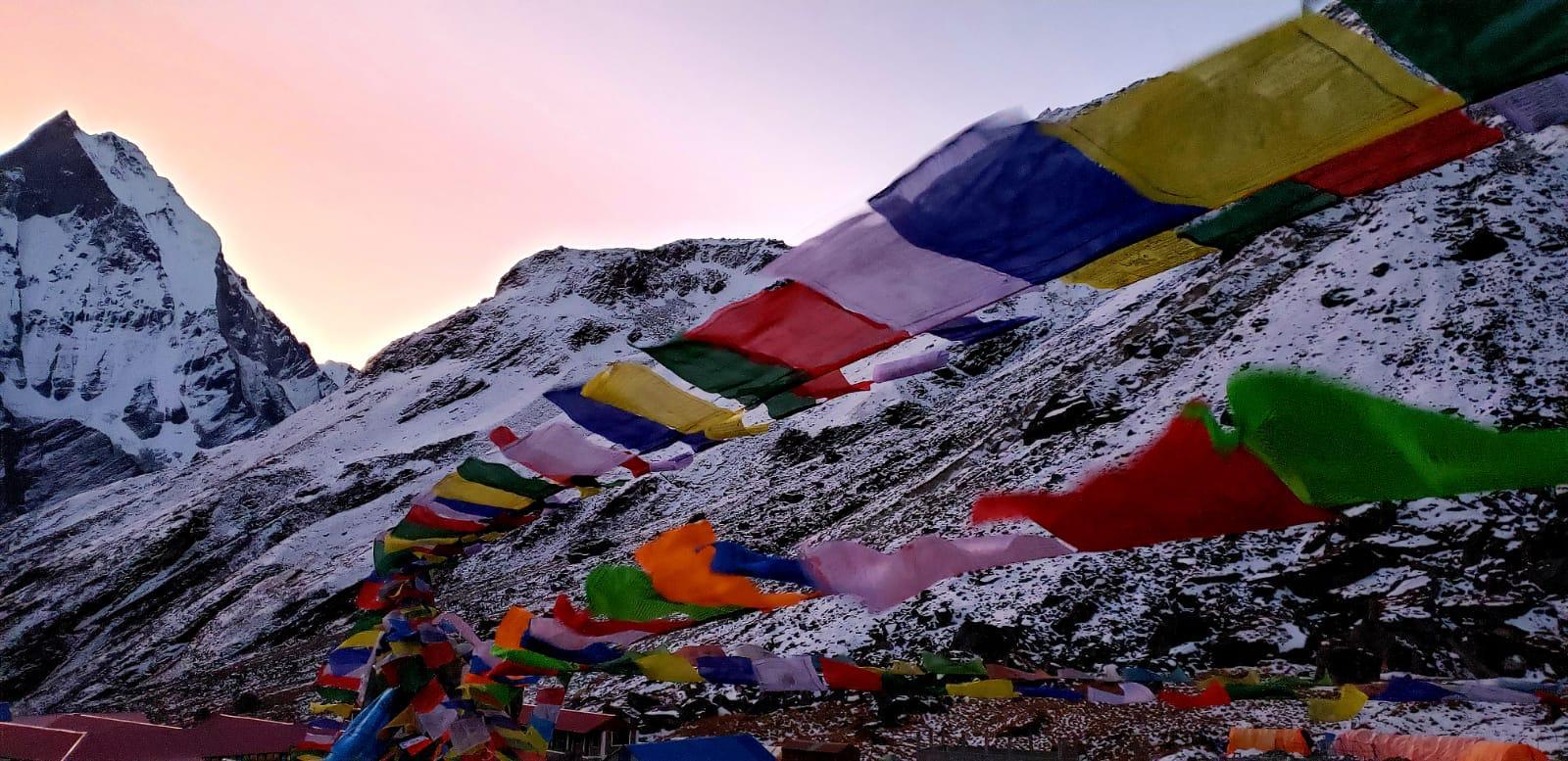


Is it safe to Travel in Nepal 2026? If you are planning a trip to Nepal, you may have seen recent news about floods, landslides and damage to roads and trekking infrastructure. Naturally, many travelers are asking an important question:
Is Nepal safe to travel to in 2026?
The answer depends on where you are traveling, when you are traveling, and the current weather and route conditions.
Nepal remains open to international travelers, and major trekking and mountaineering regions including the Everest and Annapurna regions remain operational for the autumn trekking season. However, parts of the country have experienced serious flooding and infrastructure damage, particularly in and around Rasuwa and several other mountainous districts. Travelers should therefore avoid affected areas, check current conditions before departure and use experienced local trekking agencies for route updates and logistics.
At Treks Planner Nepal, we believe the best way to travel responsibly is not to ignore these challenges but to understand them, prepare properly and choose routes according to current conditions.
Nepal Travel Safety in 2026: What Travelers Should Know
Nepal is a geographically diverse country. Conditions in one district do not necessarily represent conditions across the entire country.
The major flooding in August 2026 caused extensive damage in parts of Rasuwa, Nuwakot, Dhading, Gorkha and the Nepal-China border area. Authorities and emergency teams continue to work on recovery, while some roads, bridges and communications infrastructure have been affected.
At the same time, Nepal’s main tourism destinations are not all affected in the same way.
The Nepal Mountaineering Association has stated that major mountain destinations including Everest, Annapurna, Manaslu, Kanchenjunga, Makalu and other unaffected regions remain operational for the autumn season.
This means travelers should not think of Nepal as either completely safe or completely unsafe. Instead, route-by-route assessment is essential.
What Happened in Nepal in 2026?
On August 26, 2026, severe flooding affected areas including Rasuwa and the Nepal-China border region. The event caused extensive damage to roads, bridges, buildings and transportation and communication infrastructure.
The Rasuwa area around Rasuwagadhi, Timure and Syabrubesi has been particularly affected. International travel advisories continue to warn travelers against entering this area while recovery and assessment operations continue.
The disaster has also highlighted an important reality of traveling in the Himalayas: weather and road conditions can change very quickly.
For this reason, travelers should avoid relying solely on an itinerary prepared months in advance. Conditions should be checked shortly before departure and again during the trip.
Which Trekking Regions Are Open in Nepal in 2026?
One of the biggest questions for travelers is whether they can still go trekking this autumn.
The answer is yes for many major trekking regions, although individual routes and access roads must still be checked.
1. Everest Base Camp Trek – Open to Travel in Nepal 2026
The Everest region is among the major trekking destinations identified as operational for the autumn season.
The classic Everest Base Camp Trek begins with travel toward the Khumbu region and is geographically separate from the flood-damaged Rasuwa corridor.
For travelers planning EBC in autumn 2026, the main considerations remain:
Weather conditions
Lukla or alternative flight operations
Trail conditions
Altitude acclimatization
Flight delays
Accommodation availability
Current local weather
Because mountain weather can change quickly, trekkers should keep some flexibility in their itinerary.
Recommended: Book your Everest Base Camp Trek with additional contingency days rather than planning every day around a fixed flight connection.
2. Annapurna Region – Open to Travel in Nepal 2026
The Annapurna region remains one of Nepal’s major trekking destinations and has been identified among the regions operating for the autumn season.
Popular routes include:
Annapurna Circuit
Annapurna Base Camp
Mardi Himal
Poon Hill
Khopra Ridge
Tilicho Lake
Nar Phu Valley
However, “open” does not mean that every road, trail or bridge will have identical conditions throughout the season.
Road access in the lower sections of some Himalayan routes can be affected by rainfall and landslides. Your trekking agency should therefore verify transportation and trail conditions before departure.
3. Manaslu Circuit Trek – Route Reopened
The Manaslu region has experienced flood-related disruption in 2026, but the Nepal Tourism Board reported on September 10 that the affected sections of the Manaslu trekking route had been repaired and that trekking operations had resumed.
According to the Nepal Tourism Board, damaged trail and bridge infrastructure in the section connecting Chumnubri Rural Municipality–4 and Namrung was restored, and the earlier trekking restriction was lifted. Travelers were still advised to remain updated on local conditions and follow necessary safety precautions.
This is a good example of why travelers should look for recent, route-specific information rather than assuming that an entire trekking region is either open or closed.
If you are planning the Manaslu Circuit in autumn 2026, ask your trekking agency for the latest trail and road update immediately before departure.
4. Langtang Valley Trek – Check Conditions Carefully before Travel in Nepal 2026
Langtang requires particular attention in 2026.
The Rasuwa district and the road corridor toward areas including Syabrubesi were severely affected by the August flooding. International travel advice continues to specifically warn against travel to the Rasuwagadhi–Timure–Syafrubesi area because of flood damage, disrupted transportation and communications, ongoing recovery operations and the possibility of further flooding and landslides.
Therefore, travelers should not assume that the normal Langtang Valley itinerary is operating simply because Nepal is open for tourism.
Before planning Langtang, check:
Road access to Syabrubesi
Bridge conditions
Trail conditions
Local government notices
Weather forecasts
Trekking agency updates
If the route is not suitable at your travel date, alternative trekking regions may be more appropriate.
5. Pikey Peak and Other Alternative Treks – Travel in Nepal 2026
For travelers looking for quieter Himalayan experiences, routes outside the currently affected corridors can provide alternatives.
Pikey Peak, for example, offers Himalayan views, Sherpa culture, monasteries and relatively short itineraries without requiring a trip through the Rasuwa corridor.
Other routes worth discussing with a local trekking agency include:
Khopra Ridge
Mardi Himal
Poon Hill
Annapurna Base Camp
Everest View Trek
Pikey Peak
Lower Mustang
The right choice depends on current road and trail conditions, your available time and your trekking experience.
Nepal Weather in September and October 2026
Weather is one of the most important factors when assessing trekking conditions in Nepal.
September generally marks the transition from the monsoon season toward the clearer autumn trekking season. However, the transition is not necessarily immediate.
Heavy rainfall can still occur, particularly during the latter part of the monsoon period. Nepal’s Department of Hydrology and Meteorology continues to provide weather, flood and hydrological information, including warnings for extreme weather events.
September
Expect a mixture of:
Rain at lower elevations
Cloudy conditions
Occasional landslides
Wet trails
Improving visibility toward the end of the month
Increasingly stable conditions at higher elevations as autumn develops
October
October is traditionally one of Nepal’s most popular trekking months.
As the monsoon retreats, many trekking areas typically experience:
Clearer mountain views
Drier trails
Pleasant daytime temperatures
Cooler mornings and evenings
Excellent Himalayan visibility
However, October should not be treated as a guarantee of perfect weather. Mountain weather can change rapidly, and occasional rain or snow can still affect high-altitude routes.
November
November generally brings cooler and drier conditions.
Higher elevations become increasingly cold, especially in the early morning and at night, but visibility can be excellent.
For high-altitude trekking and climbing, proper cold-weather equipment becomes increasingly important.
Is It Safe to Drive Around and Travel in Nepal 2026?
Road travel deserves particular attention after the recent flooding.
Nepal’s mountainous roads are vulnerable to:
Landslides
Rockfalls
Flooding
Road erosion
Damaged bridges
Traffic delays
Temporary closures
The government currently warns that areas affected by the August flooding may remain unstable and that further rainfall or earthquakes could trigger additional landslides and rockfalls.
This does not mean that all road travel in Nepal is unsafe.
Instead, travelers should understand that journey times can change unexpectedly, particularly on mountain roads.
If your itinerary includes long road journeys, we recommend allowing extra time and avoiding tight connections with international flights.
What About Domestic Flights in Nepal?
Domestic flights are an important part of many trekking itineraries, especially for destinations such as Lukla.
Mountain aviation is naturally sensitive to weather.
Flights can be delayed or cancelled because of:
Cloud
Rain
Strong winds
Poor visibility
Airport operating conditions
For this reason, trekkers should avoid scheduling an international departure immediately after a domestic mountain flight.
A buffer day in Kathmandu at the end of your trek is strongly recommended.
Trekking Permits and Guides in Nepal
Another important part of safe trekking is complying with Nepal’s trekking regulations.
The Nepal Tourism Board states that many major trekking routes require trekkers to be accompanied by a licensed trekking guide and to carry an agency-issued TIMS card.
The list includes major routes such as:
Everest Base Camp
Mera Peak
Manaslu Circuit
Annapurna Circuit
Mardi Himal
Khopra
Langtang
Gosaikunda
Upper Mustang
Kanchenjunga
Makalu Base Camp
The current TIMS system lists a charge of NPR 2,000 for most non-SAARC applicants and NPR 1,000 for SAARC applicants.
Requirements can vary by route, so travelers should confirm the latest requirements before starting their trek.
10 Practical Safety Tips for Traveling to Nepal in 2026
1. Check conditions before leaving Kathmandu
Do not rely only on information from months earlier.
Trail, road and weather conditions can change rapidly.
2. Avoid flood-affected areas
Especially follow official warnings concerning areas affected by recent flooding, including the Rasuwa border corridor.
3. Keep your itinerary flexible
A spare day can be extremely valuable when traveling in the Himalayas.
4. Buy travel insurance
Your policy should ideally cover:
Trekking at your intended altitude
Emergency evacuation
Medical treatment
Trip interruption
Flight delays or cancellations
Always read the policy conditions carefully.
5. Monitor weather forecasts
Nepal’s Department of Hydrology and Meteorology provides weather and flood information that can help travelers and trekking agencies monitor changing conditions.
6. Follow your guide’s advice
Local guides often have current information about trail conditions, weather and transportation that may not yet appear online.
7. Carry essential medication
Bring medicines you regularly use, plus a basic personal first-aid kit.
8. Keep emergency contacts available
Save your trekking agency, guide, accommodation and insurance emergency numbers on your phone.
9. Don’t underestimate altitude
A route being technically open does not mean it is easy.
Altitude sickness can affect healthy and experienced travelers as well as beginners.
10. Have a backup plan
If one trekking route becomes temporarily inaccessible, ask about alternative destinations rather than automatically cancelling your entire Nepal trip.
Planning Your Nepal Trip in 2026? Choose the Right Route
Nepal continues to welcome travelers in 2026, and many of the country’s most popular trekking regions are preparing for the autumn trekking season. However, conditions can vary significantly from one region to another, particularly following the recent monsoon and flooding.
Rather than making a decision about Nepal as a whole, it is important to look at your destination, travel dates and planned route individually.
If you are planning a trek in Nepal this year, here are some important points to consider:
Everest Base Camp
The Everest region remains one of Nepal’s major trekking destinations for the autumn season. If you are planning an Everest Base Camp Trek, check the latest flight and weather conditions and keep at least one or two contingency days in your itinerary for possible flight delays.
Annapurna Region
The Annapurna region offers several trekking options, including the Annapurna Circuit, Annapurna Base Camp, Mardi Himal and Khopra Ridge. Before starting your trek, confirm the latest road and trail conditions for your specific itinerary, particularly if your route includes road transportation.
Manaslu Circuit
The Manaslu region has experienced disruption following the recent flooding, but affected sections of the trekking route have been repaired and trekking operations have resumed. Travelers should still confirm the latest trail, bridge and transportation conditions with their trekking agency before departure.
Langtang Valley
Langtang requires additional attention because parts of the Rasuwa district and the access corridor toward Syabrubesi were affected by recent flooding. If you are considering the Langtang Valley Trek, check the latest local conditions before confirming your itinerary and be prepared to consider an alternative route if access remains affected.
Pikey Peak and Alternative Treks
If you are looking for a quieter Himalayan experience, there are several alternatives to the more affected areas. Pikey Peak Trek, Khopra Ridge, Mardi Himal, Poon Hill and other routes in the Annapurna and Everest regions may be worth considering depending on current conditions.
A local trekking agency can help you compare routes based on your travel dates, trekking experience, preferred scenery and the latest conditions on the ground.
Traveling in September
September is a transition month between the monsoon and the main autumn trekking season. Weather can still be unpredictable, particularly during the earlier part of the month, and rainfall may affect roads and lower-elevation trails.
If you are traveling in September, allow extra time for transportation and remain flexible with your itinerary.
Traveling in October and November
October and November generally bring more stable conditions and are among the most popular months for trekking in Nepal. Clearer skies, improved mountain visibility and drier trails make these months particularly attractive for Himalayan trekking.
Even during the peak autumn season, however, mountain weather can change quickly. Checking the latest forecast and local route conditions remains an important part of responsible trekking.
Why Choose a Local Trekking Agency in 2026?
Traveling with a registered local trekking agency can be particularly useful when conditions are changing.
A local agency can monitor:
- Road conditions
- Trail closures
- Weather forecasts
- Domestic flights
- Permit requirements
- Accommodation
- Local government notices
- Alternative trekking routes
At Treks Planner Nepal, we monitor conditions before and during our clients’ trips and communicate with guides and local partners on the ground.
Rather than treating a fixed itinerary as unchangeable, we believe Himalayan travel should be approached with flexibility and current information.
Final Thoughts: Is Nepal Safe to Travel in 2026?
Nepal remains open to travelers in 2026, but the country’s current situation requires more careful planning than simply asking whether “Nepal is safe.”
The recent floods have created genuine risks in specific areas, particularly parts of Rasuwa and other affected mountain corridors. Official travel advisories continue to warn against entering some of these locations.
At the same time, major trekking destinations such as the Everest and Annapurna regions remain operational, and the Manaslu route has resumed operations following repairs to flood-damaged infrastructure.
For travelers planning Nepal in autumn 2026, the key is not to panic and not to ignore current conditions.
Check your specific route. Monitor the weather. Allow extra travel time. Follow local guidance. Use appropriate insurance. And stay flexible.
The Himalayas will always demand a little flexibility and that is part of the adventure.
Planning a Trek in Nepal?
If you’re considering Everest Base Camp, Annapurna Circuit, Manaslu Circuit, Pikey Peak, Mera Peak, Lobuche Peak or another Himalayan adventure, contact Treks Planner Nepal for the latest route conditions, itinerary recommendations and trip planning assistance.
We can help you choose a trekking route based on your travel dates, experience and the latest conditions in Nepal.
Frequently Asked Questions
Is Nepal open for tourists in 2026?
Yes. Nepal remains open to international travelers. However, some specific areas affected by flooding and landslides remain subject to travel warnings and restrictions.
Is Everest Base Camp Trek safe in 2026?
The Everest region remains among Nepal’s major trekking destinations operating for the autumn season. Trekkers should nevertheless monitor weather, flight operations, trail conditions and altitude-related risks.
Is Manaslu Circuit Trek open in 2026?
The Nepal Tourism Board reported on September 10, 2026, that the affected Manaslu trekking sections had been repaired and trekking operations had resumed. Travelers should still check the latest local conditions before departure.
Is Langtang Trek open in 2026?
The Langtang access corridor has been affected by the 2026 flooding in Rasuwa. Travelers should check the latest official information before planning the trek, particularly regarding access toward Syabrubesi. Current international travel advice specifically warns against travel to the Rasuwagadhi–Timure–Syafrubesi area.
Is October a good time to trek in Nepal?
October is traditionally one of Nepal’s principal trekking months, with generally improving post-monsoon conditions. However, weather can still vary by region and altitude, so current forecasts should always be checked before and during the trek.
Do I need a guide for trekking in Nepal?
Many major trekking routes require a licensed guide and agency-issued TIMS card under Nepal’s current trekking regulations. The Nepal Tourism Board’s current list includes Everest, Annapurna, Manaslu, Langtang, Mera Peak and several other major routes.
