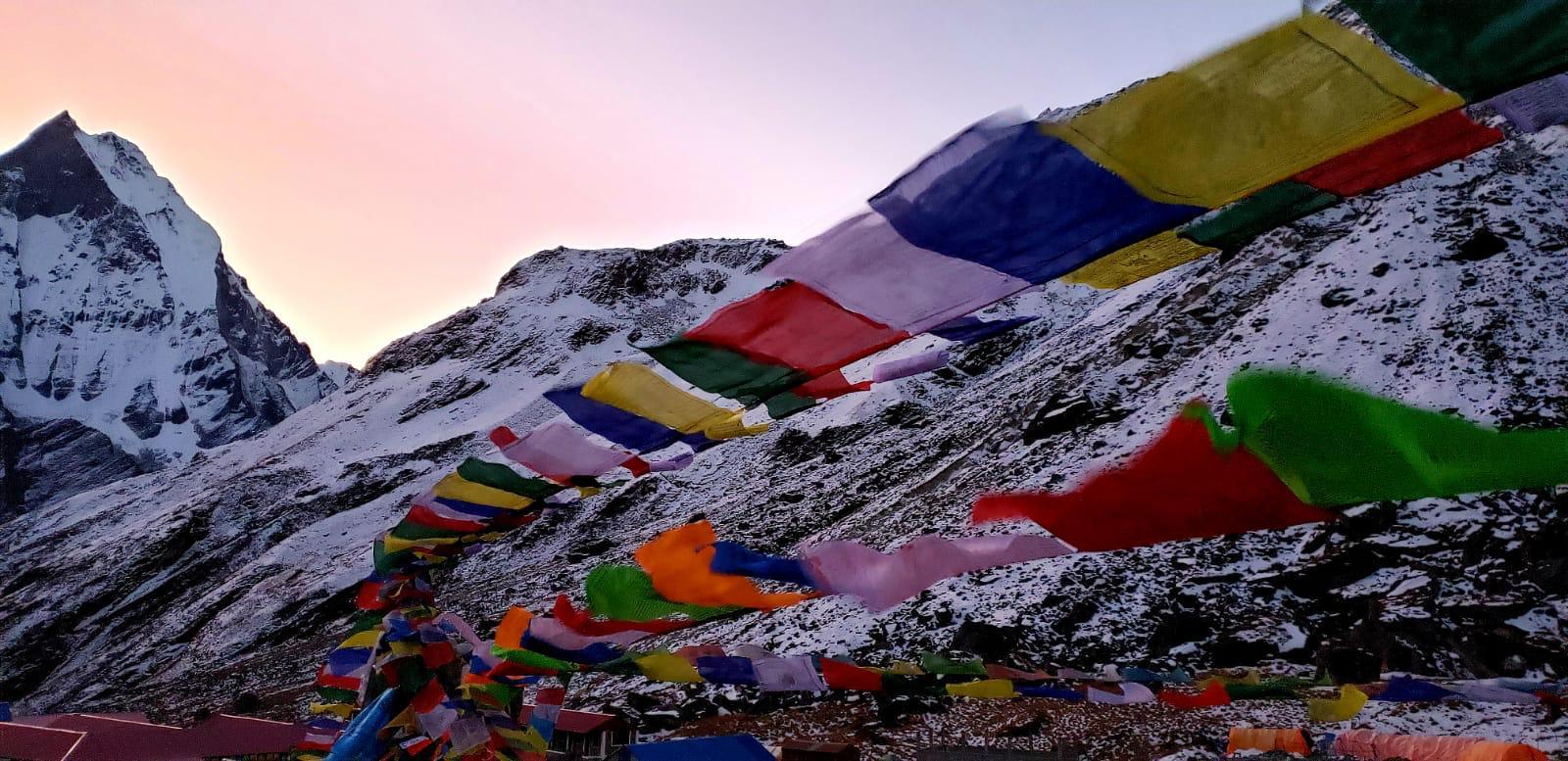


Mera Peak vs Island Peak vs Lobuche Peak: 3 Epic 6,000m Climbs – Which Is the Best Adventure for You? If you are dreaming of climbing your first Himalayan summit above 6,000 metres, Nepal offers three incredible choices: Mera Peak (6,476m), Island Peak (6,189m), and Lobuche East Peak (6,119m). Each mountain offers a different combination of adventure, technical difficulty, breathtaking scenery, and mountaineering experience.
But which one should you choose?
Whether you are an experienced trekker looking for your first Himalayan climbing experience or an aspiring mountaineer preparing for bigger expeditions, choosing the right peak can make all the difference. In this guide, we compare Mera Peak, Island Peak, and Lobuche Peak to help you find the perfect 6,000m adventure.
1. Mera Peak (6,476m): The Ultimate High-Altitude Adventure
Mera Peak is the highest trekking peak in Nepal and an excellent choice for trekkers who want to experience high-altitude mountaineering without tackling extremely technical climbing terrain.
Located in the remote Hinku Valley of the Everest region, Mera Peak offers an unforgettable journey through beautiful forests, traditional Sherpa villages, alpine landscapes, and spectacular glaciers.
The summit rewards climbers with one of the most impressive mountain panoramas in the Himalayas. On a clear day, you can see five of the world’s highest mountains: Everest, Lhotse, Makalu, Cho Oyu, and Kangchenjunga.
What makes Mera Peak special?
- Highest of the three peaks at 6,476m.
- Spectacular panoramic views of five 8,000m mountains.
- Beautiful and less crowded trekking route through the Hinku Valley.
- Glacier travel using crampons, ropes, and ice axes.
- Excellent introduction to high-altitude mountaineering.
Difficulty level: Moderate to challenging.
Technical difficulty: Relatively straightforward glacier climbing in normal conditions, but requires basic mountaineering skills and familiarity with climbing equipment.
Best for: Fit trekkers seeking their first 6,000m summit, people who enjoy remote wilderness, and climbers who want to experience extreme altitude with comparatively less technical climbing.
Typical duration: 16–20 days, depending on the itinerary and acclimatization schedule.
2. Island Peak (6,189m): The Classic Himalayan Climbing Challenge
Island Peak, also known as Imja Tse, is one of Nepal’s most popular trekking peaks. Located in the Everest region, it offers an exciting combination of classic Himalayan trekking and technical mountaineering.
The journey usually follows the famous Everest Base Camp trekking trail through Namche Bazaar, Tengboche, Dingboche, and Chhukung before heading towards Island Peak Base Camp.
Unlike Mera Peak, Island Peak involves more technical climbing. The final section includes glacier travel, fixed ropes, steep snow and ice slopes, and a challenging summit ridge.
The summit provides spectacular views of Lhotse, Nuptse, Ama Dablam, Makalu, and surrounding Himalayan giants.
What makes Island Peak special?
- Classic Everest-region trekking experience.
- Exciting glacier crossing and technical climbing sections.
- Fixed ropes and steep snow and ice slopes.
- Beautiful views of Ama Dablam and the surrounding Himalayan peaks.
- Excellent preparation for future technical mountaineering expeditions.
Difficulty level: Challenging.
Technical difficulty: More technical than Mera Peak, particularly during the summit climb.
Best for: Experienced trekkers who want to develop mountaineering skills and challenge themselves with steeper snow and ice climbing.
Typical duration: 16–20 days, depending on the itinerary.
3. Lobuche East Peak (6,119m): The Most Technical of the Three
Lobuche East Peak is an exciting climbing destination near Everest Base Camp. Standing at 6,119 metres, it offers a more technical and physically demanding climbing experience compared with Mera Peak and Island Peak.
The adventure typically follows the Everest Base Camp trail, passing through Namche Bazaar, Tengboche, Dingboche, and Lobuche before reaching Lobuche High Camp.
The summit climb involves steep snow and ice slopes, exposed sections, fixed ropes, and a challenging ridge. Climbers need good physical fitness, confidence at altitude, and basic technical mountaineering skills.
One of the biggest highlights is the incredible summit panorama, including Everest, Lhotse, Nuptse, Pumori, Ama Dablam, and many other Himalayan peaks.
What makes Lobuche East special?
- A more technical climbing experience.
- Steep snow and ice climbing sections.
- Exposed summit ridge requiring confidence and concentration.
- Beautiful views of Everest and the Khumbu region.
- Excellent experience for climbers preparing for more advanced Himalayan expeditions.
Difficulty level: Challenging to strenuous.
Technical difficulty: Generally, the most demanding of these three peaks, particularly on the exposed summit ridge.
Best for: Experienced trekkers and aspiring mountaineers who already have some familiarity with crampons, ice axes, fixed ropes, and high-altitude trekking.
Typical duration: 17–20 days, depending on the itinerary.
4. Mera Peak vs Island Peak vs Lobuche Peak: Complete Comparison
Here is a quick comparison to help you understand the main differences between these three Himalayan climbing adventures.
| Features | Mera Peak | Island Peak | Lobuche East |
| Elevation | 6,476m | 6,189m | 6,119m |
| Region | Hinku Valley | Everest | Everest |
| Difficulty | Moderate–challenging | Challenging | Challenging–strenuous |
| Technical level | Basic glacier skills | Intermediate | Intermediate–advanced |
| Summit terrain | Snow and glacier | Steep snow and ice | Steep snow, ice and ridge |
| Crowds | Relatively quieter | Popular | Popular |
| Typical duration | 16–20 days | 16–20 days | 17–20 days |
| Best for | High-altitude experience | Technical climbing | More demanding climbing |
Note: Difficulty and technical requirements can change depending on weather, snow conditions, route conditions, and the season. All three peaks require proper acclimatization and professional guidance.
5. Which Peak Is the Easiest to Climb?
If you are comparing these three peaks based on technical difficulty, Mera Peak is generally considered the least technical.
However, being less technical does not mean it is easy. At 6,476 metres, altitude is a major challenge, and the long approach through the remote Hinku Valley requires good endurance.
Here is a general comparison:
1. Mera Peak: Less technical climbing but greater altitude.
2. Island Peak: More technical, with steep snow and ice climbing.
3. Lobuche East: More demanding technical terrain and an exposed summit ridge.
If you are a fit trekker with no previous mountaineering experience, Mera Peak may be a suitable first choice, provided you have proper training and professional guidance.
6. What Mountaineering Skills Do You Need?
You do not necessarily need previous expedition experience to climb a trekking peak in Nepal. However, you should understand the basics of mountaineering equipment and techniques.
Depending on your chosen mountain, you may need to learn:
- Walking with crampons.
- Using an ice axe for balance and self-arrest.
- Ascending and descending fixed ropes using appropriate equipment.
- Glacier travel and rope-team techniques.
- Basic climbing harness and safety equipment handling.
- Moving safely on snow and ice.
For beginners, we recommend taking a basic mountaineering training course before attempting a technical peak.
Your climbing guide will provide essential route guidance and safety instructions, but preparation and personal responsibility are equally important.
7. Best Time to Climb Mera, Island and Lobuche Peak
The two main climbing seasons in Nepal are spring and autumn.
Spring Season (March–May)
Spring is one of the best times for Himalayan peak climbing. Temperatures gradually become warmer, and the weather generally offers good climbing opportunities.
Advantages:
- Longer daylight hours.
- Warmer temperatures compared with winter.
- Beautiful mountain scenery.
- Good opportunities for summit attempts.
Autumn Season (September–November)
Autumn is another excellent climbing season, particularly after the monsoon.
Advantages:
- Generally clear skies.
- Excellent mountain visibility.
- Stable weather windows during favourable periods.
- Popular trekking and climbing season.
Which season should you choose?
Both seasons can be excellent. However, actual summit conditions depend on snowfall, wind, temperature, and the weather window. Always allow flexibility in your itinerary for a safe summit attempt.\
8. How Much Does It Cost to Climb These Peaks?
The cost of climbing a 6,000m peak in Nepal depends on the itinerary, group size, accommodation, climbing equipment, guide-to-climber ratio, permits, transportation, and included services.
Generally, your climbing package should cover:
– Climbing permits and required government fees.
– Experienced climbing guides and support staff.
– Accommodation during the trek.
– Meals as specified in the itinerary.
– Domestic transportation and flights.
– Camping or high-altitude accommodation where required.
– Group climbing equipment.
– Emergency support and logistical arrangements.
Personal climbing equipment, international flights, travel insurance, personal expenses, and tips may be additional costs.
Rather than choosing a package based only on price, compare the quality of guides, acclimatization schedule, safety arrangements, and support available during the summit attempt.
9. Which 6,000m Peak Should You Choose?
Still unsure? Here is our recommendation based on your trekking and mountaineering experience.
Choose Mera Peak if…
You want to reach the highest elevation of the three, enjoy remote trekking, and experience your first Himalayan glacier climb with comparatively less technical terrain.
Choose Island Peak if…
You want a classic Everest-region adventure with a more technical summit climb involving steep snow and ice.
Choose Lobuche East if…
You have previous trekking or climbing experience and want a more demanding technical challenge with an exciting summit ridge.
10. Can You Combine Two or More 6,000m Peaks in One Expedition?
Absolutely! If you have sufficient time, fitness, and previous high-altitude experience, combining two Himalayan peaks can be an incredible mountaineering adventure.
Some popular combinations include:
Mera Peak + Amphulapcha Pass
A fantastic combination for climbers who want to experience both high-altitude glacier climbing and more technical snow and ice climbing.
Mera Peak + Amphu Lapcha Pass + Island Peak
A challenging expedition combining Mera Peak, the remote Amphu Lapcha Pass (approximately 5,845m), and Island Peak. This is an excellent option for experienced trekkers and mountaineers looking for a demanding Himalayan adventure.
Everest Base Camp + Lobuche East Peak
Combine the famous Everest Base Camp trek with a technical climbing adventure to Lobuche East. This allows you to experience the heart of the Khumbu region before attempting your summit.
These combinations require careful planning, additional acclimatization, and suitable weather conditions.
Final Thoughts: Your First 6,000m Summit Starts Here!
Mera Peak, Island Peak, and Lobuche East are three extraordinary Himalayan adventures, but each offer something different.
If you dream of reaching the highest summit with comparatively less technical climbing, Mera Peak is an excellent choice. If you want to experience technical snow and ice climbing in the Everest region, Island Peak is worth considering. And if you are ready for a more demanding climbing experience, Lobuche East could be your next big challenge.
Remember, reaching 6,000 metres is not just about physical strength. Proper acclimatization, preparation, experienced guides, suitable equipment, and favourable weather conditions are essential for a successful and safe expedition.
Ready to climb your first 6,000m Himalayan peak?
At Treks Planner Nepal, we organise Mera Peak, Island Peak, and Lobuche East climbing expeditions with experienced climbing guides, carefully planned itineraries, and dedicated support throughout your journey.
Explore our climbing packages and start planning your next Himalayan adventure!