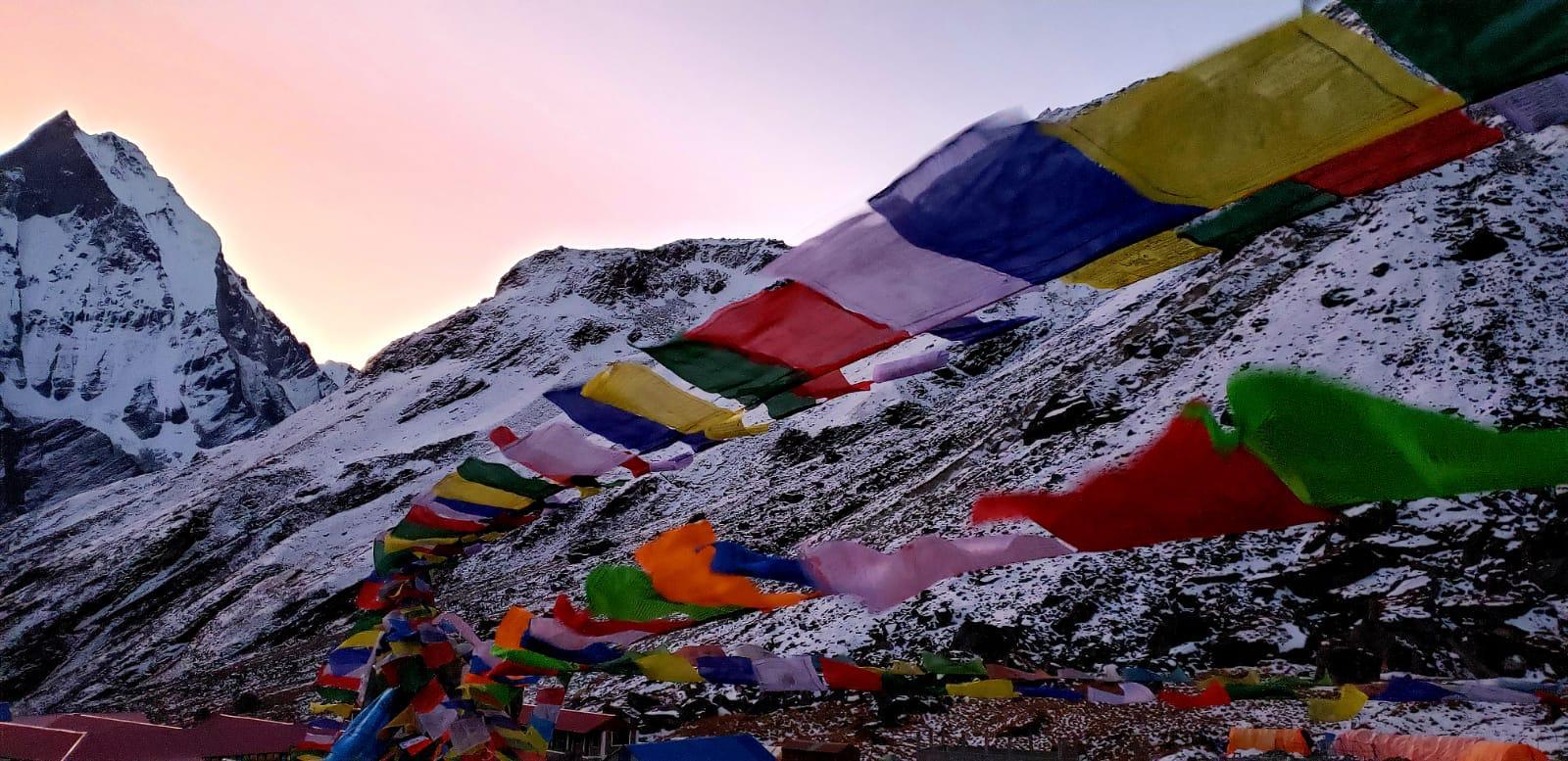


Female Trekking in Nepal: Complete Guide for solo and Women Travelers – Nepal has long been recognized as one of the world’s premier trekking destinations. From the legendary Everest Base Camp Trek to the breathtaking Annapurna Circuit Trek and the peaceful Langtang Valley Trek, the country attracts thousands of adventure seekers every year. Among them is a growing number of women who choose Nepal for solo adventures, small-group expeditions, or unforgettable journeys with friends and family.
If you’re considering trekking in Nepal as a woman, you may have questions about safety, cultural customs, accommodation, and whether you should trek independently or with a guide. These concerns are completely natural, especially if it’s your first visit to the Himalayas.
The good news is that Nepal is widely regarded as one of the safest and most welcoming trekking destinations for female travelers. The country’s long history of tourism, friendly local communities, experienced trekking guides, and well-established trekking infrastructure make it an excellent choice for women seeking adventure in the mountains.
Whether you’re planning your first Himalayan trek or returning to explore a new region, this guide covers everything you need to know about female trekking in Nepal from choosing the right trail to understanding local culture and preparing for a safe, enjoyable, and rewarding experience.
Table of Contents
Why Nepal Is an Excellent Destination for Female Trekkers
Nepal offers much more than spectacular mountain scenery. It provides an opportunity to experience diverse cultures, warm hospitality, and a sense of accomplishment that few destinations can match.
Friendly and Welcoming People
Nepalese people are known for their kindness and hospitality. Along the trekking routes, you’ll often be greeted with a smile and a warm “Namaste.” Tea house owners, guides, porters, and local villagers are accustomed to welcoming international visitors from around the world.
Many female travelers say that the genuine friendliness of local communities is one of the highlights of their journey.
Well-Established Trekking Infrastructure
Popular trekking regions such as Everest, Annapurna, and Langtang have well-developed networks of tea houses, lodges, restaurants, and licensed trekking guides. This infrastructure allows women to travel comfortably while enjoying authentic Himalayan experiences.
Diverse Trekking Options
Nepal offers treks suitable for every experience level.
Whether you’re looking for a short five-day hike or a three-week high-altitude expedition, you’ll find routes that match your fitness level, interests, and available time.
Incredible Cultural Experiences
Trekking in Nepal is not only about mountains. You’ll pass through traditional villages, Buddhist monasteries, prayer wheels, ancient temples, and vibrant local communities that provide fascinating insights into Himalayan life.
Is Nepal Safe for Female Trekkers?
Safety is one of the most common concerns among women planning a trekking holiday in Nepal.
Overall, Nepal has a strong reputation as a safe destination for female travelers. Violent crime against tourists is relatively uncommon in trekking areas, and local communities generally treat visitors with respect and hospitality.
However, as with any travel destination, it’s important to exercise common sense and remain aware of your surroundings.
Personal Safety
Most trekking routes are peaceful, with friendly locals and fellow trekkers from around the world. During the peak trekking seasons, you’ll often meet other hikers along the trails, creating a reassuring sense of community.
To enhance your safety:
- Stay aware of your surroundings.
- Keep valuables secure.
- Inform someone of your itinerary.
- Follow your guide’s advice.
- Avoid walking alone after dark in unfamiliar areas.
- Mountain Safety
The greatest risks while trekking in Nepal are often related to the natural environment rather than crime.
Potential hazards include:
- Altitude sickness
- Changing weather conditions
- Slippery trails
- River crossings
- Snowfall at higher elevations
Choosing a suitable itinerary, allowing enough time for acclimatization, and trekking with experienced guides significantly reduces these risks.
Solo Female Trekking in Nepal
Many women dream of exploring Nepal independently, and thousands successfully do so each year.
However, it’s important to understand the current trekking regulations.
Since recent changes to trekking policies, many popular trekking regions require international visitors to trek with a licensed guide. These rules are intended to improve visitor safety, support search-and-rescue operations, and provide better assistance in remote mountain areas.
Hiring a guide offers several advantages:
- Local knowledge of the trail.
- Cultural insights.
- Assistance with accommodation and meals.
- Navigation in remote areas.
- Help during emergencies.
- Language support.
For many solo female travelers, trekking with a licensed guide provides peace of mind while still allowing plenty of independence and personal exploration.
Solo Trek vs. Group Trek
Both options have their own advantages.
| Solo Trek with Guide | Group Trek |
| Flexible itinerary | Lower cost per person |
| Personalized experience | Meet like-minded travelers |
| Walk at your own pace | Extra support and companionship |
| Greater privacy | Shared memories and motivation |
Women who enjoy meeting new people often appreciate group departures, while those seeking flexibility may prefer a private trek with a dedicated guide.
Cultural Etiquette for Women Travelers
Nepal is a culturally diverse country where traditional values remain important, especially in rural mountain communities.
Respecting local customs helps create meaningful interactions and demonstrates appreciation for the communities you visit.
Dress Modestly
While trekking clothing is widely accepted, it’s advisable to wear attire that covers your shoulders and knees when visiting villages, monasteries, and religious sites.
Remove Shoes
Always remove your shoes before entering temples, monasteries, or private homes unless instructed otherwise.
Ask Before Taking Photos
Many local people are happy to be photographed, but it’s considered polite to ask permission first.
Respect Religious Sites
Avoid climbing on religious monuments, touching sacred objects unnecessarily, or pointing your feet toward shrines or prayer altars.
Learn a Few Local Words
Simple greetings such as “Namaste” are greatly appreciated and often lead to warm conversations with local people.
Can Women Trek Alone in Nepal?
Although trekking regulations now require guides in many trekking regions, women can still enjoy an independent travel experience by hiring a licensed guide without joining a larger group.
Many female travelers find this to be the ideal balance between freedom, safety, and local expertise.
Professional guides not only enhance your safety but also enrich your journey by sharing stories, explaining local traditions, introducing you to regional cuisine, and helping you discover hidden viewpoints that many visitors might otherwise miss.
With thoughtful planning, realistic expectations, and the support of experienced professionals, Nepal remains one of the world’s most rewarding destinations for women who dream of exploring the Himalayas.
Female Trekking in Nepal: What Should Women Wear While Trekking in Nepal?
One of the most common questions female travelers ask before visiting Nepal is, “What should I wear while trekking?”
The good news is that Nepal is accustomed to international trekkers, and functional trekking clothing is widely accepted on popular trails. However, Nepal is also a culturally conservative country, particularly in rural mountain villages, so dressing respectfully is appreciated.
The key is to strike a balance between comfort, practicality, and cultural awareness.
Clothing for Trekking
Layering is the best approach because temperatures can change dramatically throughout the day.
A typical clothing system includes:
Base Layer
Moisture-wicking T-shirt or thermal top
Thermal leggings for colder days
Mid Layer
Fleece jacket
Lightweight insulated jacket
Outer Layer
Waterproof and windproof jacket
Waterproof trekking pants
Lower Body
Comfortable trekking pants
Stretch hiking leggings (paired with a longer top if preferred)
Thermal pants for higher elevations
Clothing for Tea Houses
After a long day of trekking, many women prefer changing into comfortable clothing such as:
Lightweight sweatpants
Comfortable T-shirt
Warm fleece
Clean socks
Down slippers or sandals
Tea houses are informal, but modest clothing is recommended in communal dining areas.
Visiting Monasteries and Villages
When entering monasteries or traditional villages:
Cover your shoulders.
Avoid very short shorts or revealing clothing.
Remove your shoes before entering religious buildings.
Dress respectfully during local festivals and ceremonies.
Showing respect for local customs helps create positive interactions with the communities you visit.
Accommodation for Female Trekkers
Nepal’s tea houses provide a safe and welcoming environment for women travelers.
Rooms are generally simple and include:
Twin beds
Mattress
Pillow
Blanket
Shared bathrooms
In lower trekking regions, some lodges offer private bathrooms, while higher-altitude villages usually have shared facilities.
Can Solo Women Get Private Rooms?
Yes.
Depending on availability, solo travelers can usually book a private room for an additional charge. During peak trekking seasons (March–May and September–November), it’s wise to reserve accommodation in advance, especially in popular destinations like Everest Base Camp and Annapurna Base Camp.
Are Tea Houses Safe?
Tea houses are generally very safe.
Many are family-run businesses where guests dine together in a communal area before retiring to their rooms. The warm hospitality of local hosts is one of the highlights of trekking in Nepal.
Basic precautions include:
- Lock your backpack when possible.
- Keep your passport, cash, and electronics with you.
- Avoid leaving valuables unattended in shared areas.
- Food and Drinking Water
Trekking burns a significant number of calories each day, making proper nutrition essential.
Popular Meals
Most tea house menus include:
- Dal Bhat (rice, lentils, vegetables, and curry)
- Fried rice
- Noodles
- Momos (dumplings)
- Tibetan bread
- Pancakes
- Eggs
- Soups
- Pasta
- Potatoes
Vegetarian meals are widely available and often recommended at higher elevations because meat can be more difficult to transport and store safely.
Staying Hydrated
Drink at least 3–4 litres of water daily while trekking.
Avoid drinking untreated water directly from streams or taps.
Safer options include:
- Water purification tablets
- Portable water filters
- UV purification devices
- Boiled water purchased at tea houses
Reusable water bottles are a more environmentally friendly choice than buying single-use plastic bottles.
Hygiene During the Trek
Maintaining personal hygiene becomes more challenging as you gain altitude, but a little preparation goes a long way.
Useful items include:
- Hand sanitizer
- Wet wipes
- Biodegradable soap
- Quick-dry towel
- Toothbrush and toothpaste
- Travel tissues
- Small rubbish bags
Hot showers are available in many villages for an additional fee, although availability becomes more limited at higher elevations.
Menstruation While Trekking
Many women successfully complete treks in Nepal during their menstrual cycle. With thoughtful preparation, it should not prevent you from enjoying your adventure.
Pack Enough Supplies
Bring enough sanitary products for your entire trek, as your preferred brands may not be available in remote mountain villages.
You may choose to pack:
- Sanitary pads
- Tampons
- Menstrual cup
- Period underwear
Use whichever option you are most comfortable with before your trip.
Disposal
Used sanitary products should never be flushed down toilets.
Carry biodegradable disposal bags or zip-lock bags so you can pack out used products where necessary and dispose of them responsibly in larger towns.
Managing Symptoms
To stay comfortable:
- Stay hydrated.
- Eat regular meals.
- Keep warm.
- Carry any pain relief medication you normally use.
- Allow yourself time to rest if needed.
- Health and Wellness Tips
A healthy body recovers faster and enjoys trekking more.
Sleep
Aim for adequate rest each night, especially during acclimatization days.
Nutrition
Choose meals rich in carbohydrates, vegetables, and protein to support energy levels throughout the trek.
Sun Protection
The Himalayan sun is much stronger than many travelers expect.
Protect yourself by using:
- SPF 50+ sunscreen
- Lip balm with SPF
- Sunglasses with UV protection
- Wide-brimmed hat or cap
Reapply sunscreen regularly, even on cloudy days.
Internet and Mobile Connectivity
Many trekkers like to stay connected with family and friends during their journey.
Mobile Network
Coverage depends on the region.
Lower elevations usually have stronger signals, while higher villages may experience weak or intermittent service.
Purchasing a local SIM card before leaving Kathmandu is often the most convenient option for mobile data and calls.
Wi-Fi
Many tea houses provide Wi-Fi for an additional fee.
Keep in mind:
- Speeds are generally slow.
- Connections may be affected by weather.
- Remote villages may have no internet access at all.
Consider embracing the opportunity to disconnect and fully enjoy your surroundings.
Packing List for Female Trekkers
Packing light while carrying essential items is one of the keys to an enjoyable trek.
Clothing
- Moisture-wicking shirts
- Thermal base layers
- Fleece jacket
- Down jacket
- Waterproof shell
- Trekking pants
- Thermal leggings
- Sports bras
- Underwear
- Hiking socks
- Gloves
- Warm hat
- Sun hat
- Buff or neck gaiter
Footwear
- Well-broken-in trekking boots
- Camp sandals
- Lightweight shoes (optional)
Toiletries
- Toothbrush
- Toothpaste
- Face wash
- Moisturizer
- Sunscreen
- Lip balm
- Shampoo bar or travel shampoo
- Hairbrush
- Hair ties
- Hand sanitizer
Health Items
- First-aid kit
- Personal medications
- Blister treatment
- Electrolyte tablets
- Pain relief medication
- Water purification tablets
Electronics
- Phone
- Camera
- Chargers
- Headlamp
- Power bank
- Universal adapter
Important Documents
- Passport
- Nepal visa
- Trekking permits
- Travel insurance
- Emergency contact information
- Cash in Nepalese Rupees
Female-Friendly Trekking Tips
Many women who have trekked in Nepal share similar advice for first-time visitors.
- Train before your trek to build stamina and confidence.
- Keep your daypack light to reduce fatigue.
- Carry snacks such as nuts, energy bars, or dried fruit.
- Stay hydrated throughout the day.
- Listen to your body and don’t ignore signs of altitude sickness.
- Respect local customs and traditions.
- Don’t hesitate to ask your guide questions they are there to support you.
- Take your time and enjoy the journey rather than rushing to reach your destination.
Trekking in Nepal is as much about the experience as it is about reaching the final viewpoint. The friendships you make, the villages you visit, and the memories you create often become the most treasured parts of the adventure.
Female Trekking in Nepal: Safety Tips, Choosing a Trekking Company, FAQs & Conclusion
Essential Safety Tips for Female Trekkers
Nepal is considered one of the safest trekking destinations in the world, but good preparation and sensible precautions can make your experience even more enjoyable. Whether you’re traveling solo, with friends, or as part of a group, following a few practical safety guidelines will help you trek with confidence.
Research Your Trek
Before booking, learn about your chosen trekking route, including:
- Duration and daily walking hours
- Maximum altitude
- Weather conditions
- Accommodation standards
- Physical difficulty
- Emergency evacuation options
Understanding what to expect allows you to prepare both physically and mentally.
Hire a Licensed Guide
An experienced guide offers much more than navigation. They help manage logistics, monitor your health, communicate with locals, and respond quickly if problems arise.
Benefits of trekking with a licensed guide include:
- Expert route knowledge
- Cultural insights
- Assistance with accommodation and meals
- Help with altitude management
- Emergency support
- Peace of mind for solo travelers
- Stay Connected
Before beginning your trek:
- Share your itinerary with family or friends.
- Save important emergency contacts.
- Keep your phone charged using a power bank.
- Inform your guide if you plan to explore away from the main trail.
- Listen to Your Body
Do not ignore symptoms such as severe headaches, dizziness, nausea, or unusual fatigue.
Altitude sickness can affect anyone regardless of age or fitness. Inform your guide immediately if you feel unwell and follow their recommendations.
Protect Your Valuables
Carry your passport, cash, bank cards, and electronics in a secure daypack. A money belt or hidden travel pouch can provide additional security.
Choosing the Right Trekking Company
Selecting a reliable trekking operator is one of the most important decisions you’ll make before your trip.
A professional company will not only organize your permits and accommodation but also provide experienced guides, well-planned itineraries, and support throughout your journey.
When comparing trekking companies, look for:
Experienced Guides
Choose a company that employs government-licensed guides with extensive experience in Nepal’s trekking regions.
Transparent Pricing
A trustworthy company clearly explains what is included in the package, such as:
- Accommodation
- Meals
- Transportation
- Trekking permits
- Guide services
- Porter services
- Airport transfers
Knowing exactly what you’re paying for helps avoid unexpected costs.
Positive Reviews
Read recent reviews from previous clients to understand the company’s reputation for safety, professionalism, and customer service.
Responsible Tourism
Companies committed to sustainable tourism often:
- Employ local guides and porters.
- Support local communities.
- Minimize environmental impact.
- Promote ethical trekking practices.
These values contribute to a more meaningful travel experience while helping preserve Nepal’s natural and cultural heritage.
Why Trek with Treks Planner Nepal?
At Treks Planner Nepal, we believe every woman should feel confident exploring the Himalayas.
Our experienced team is dedicated to providing safe, personalized, and memorable trekking experiences for solo travelers, friends, couples, and small groups.
When you choose us, you’ll enjoy:
- Government-licensed, English-speaking trekking guides
- Carefully planned itineraries with proper acclimatization
- Assistance with all permits and logistics
- Comfortable transportation arrangements
- Flexible private and group departures
- Honest pricing with no hidden charges
- Friendly customer support before, during, and after your trek
- A commitment to responsible and sustainable tourism
Whether you’re trekking to Everest Base Camp, Annapurna Base Camp, Langtang Valley, Mardi Himal, or one of Nepal’s hidden trails, our team is here to help you travel with confidence.
Responsible Trekking
Every traveler plays an important role in protecting Nepal’s mountains.
Here are a few simple ways to reduce your environmental impact:
- Carry a reusable water bottle.
- Avoid single-use plastics whenever possible.
- Stay on established trails.
- Respect local customs and traditions.
- Dispose of waste responsibly.
- Support locally owned tea houses and businesses.
- Treat guides, porters, and local residents with kindness and respect.
Responsible tourism helps preserve Nepal’s unique landscapes and communities for future generations.
Frequently Asked Questions
Is Nepal safe for solo female travelers?
Yes. Nepal is widely regarded as one of the safest destinations in Asia for solo female travelers. As with any destination, exercising normal travel precautions and trekking with a licensed guide in remote areas is recommended.
Can women trek in Nepal without experience?
Yes. Several beginner-friendly treks, such as the Ghorepani Poon Hill Trek and Mardi Himal Trek, are suitable for first-time trekkers with a reasonable level of fitness.
Do I need a guide?
Current trekking regulations require licensed guides in many popular trekking regions. Even where not mandatory, hiring a guide enhances safety, provides local knowledge, and supports the local economy.
What is the best trek for first-time female travelers?
Some of the most popular beginner-friendly treks include:
- Ghorepani Poon Hill Trek
- Mardi Himal Trek
- Langtang Valley Trek
- Annapurna Base Camp Trek
Each offers beautiful scenery, comfortable tea houses, and well-established trekking routes.
Is Nepal suitable for women traveling alone?
Absolutely. Thousands of women visit Nepal every year, either independently or with organized trekking groups. The country’s welcoming culture and experienced trekking professionals make it an excellent destination for solo adventures.
Are tea houses safe for women?
Yes. Tea houses are generally family-run establishments with friendly hosts and welcoming communal dining areas. Basic precautions, such as keeping valuables secure, are advisable.
What should women pack?
Essential items include:
- Comfortable trekking clothing
- Waterproof jacket
- Warm layers
- Sunscreen
- Personal medications
- Hygiene products
- Headlamp
- Power bank
- Trekking boots
- Water purification method
Packing light while including the essentials will make your trek more comfortable.
Is there internet during the trek?
Many tea houses offer Wi-Fi, though connections can be slow or unavailable in more remote areas. Mobile network coverage also varies depending on the region.
Is travel insurance necessary?
Yes. Comprehensive travel insurance covering high-altitude trekking and emergency helicopter evacuation is strongly recommended for all trekkers.
When is the best time for women to trek in Nepal?
The best seasons are:
Spring (March–May)
- Mild temperatures
- Blooming rhododendron forests
- Excellent mountain views
Autumn (September–November)
- Stable weather
- Clear skies
- Comfortable trekking conditions
These seasons provide the best overall experience for most trekkers.
Final Thoughts
Trekking in Nepal is far more than reaching a mountain viewpoint it’s about discovering new cultures, challenging yourself, and creating memories that last a lifetime.
For women, Nepal offers an inspiring combination of breathtaking landscapes, welcoming communities, well-established trekking routes, and unforgettable cultural experiences. Whether you’re planning your first solo adventure or joining friends for a Himalayan expedition, you’ll find countless opportunities to explore safely and confidently.
Good preparation, appropriate gear, respect for local customs, and the support of experienced trekking professionals will help ensure your journey is both enjoyable and rewarding.
The Himalayas have inspired travelers for generations. With thoughtful planning and the right guidance, your adventure in Nepal can become one of the most meaningful experiences of your life.
Start Your Himalayan Adventure with Treks Planner Nepal
If you’re ready to explore Nepal’s incredible mountain trails, Treks Planner Nepal is here to help.
From choosing the right trek to arranging permits, transportation, accommodation, and experienced guides, we take care of every detail so you can focus on enjoying the journey.
Whether you dream of reaching Everest Base Camp, exploring the Annapurna region, or discovering quieter trails like Langtang or Mardi Himal, we’ll help you plan a safe, unforgettable trekking experience tailored to your interests and fitness level.