8 Amazing Reasons Langtang Valley Trek Is Worth It. Nestled north of Kathmandu and surrounded by some of Nepal’s most spectacular Himalayan landscapes, Langtang Valley is one of the country’s most rewarding trekking destinations. Despite being relatively close to the capital, the valley feels wonderfully remote, with snow-capped peaks, ancient villages, dense forests, high-altitude meadows, and centuries-old Tamang culture shaping the journey.
The Langtang Valley Trek is also an excellent choice for travelers who want a genuine Himalayan experience without committing to the longer and more demanding routes of the Everest or Annapurna regions.
From walking through rhododendron forests to reaching the dramatic viewpoint of Tserko Ri,
Here are8 amazing reasons Langtang Valley Trek is worth it
1. It Offers Stunning Himalayan Views
8 Amazing Reasons Langtang Valley Trek Is Worth It 5
One of the biggest attractions of the Langtang Valley Trek is its impressive mountain scenery.
As you gain altitude, the landscape gradually opens to reveal spectacular peaks including Langtang Lirung (7,227 m), Langtang II, Yala Peak, Dorje Lakpa, and other surrounding mountains.
The scenery constantly changes throughout the trek. Lower sections take you through lush forests and river valleys, while higher elevations offer rugged cliffs, glaciers, alpine meadows, and expansive Himalayan panoramas.
For photographers and mountain lovers, the combination of dramatic peaks and traditional villages makes Langtang particularly rewarding.
2. You Can Experience Authentic Tamang Culture
Langtang is not just about mountains. Its Tamang heritage cultural is one of the highlights of the trek.
Many communities in the region have strong Tamang cultural traditions, reflected in their architecture, language, clothing, food, monasteries, and daily life.
Villages such as Lama Hotel, Langtang Village, and Kyanjin Gompa provide opportunities to experience mountain life beyond the typical tourist trail.
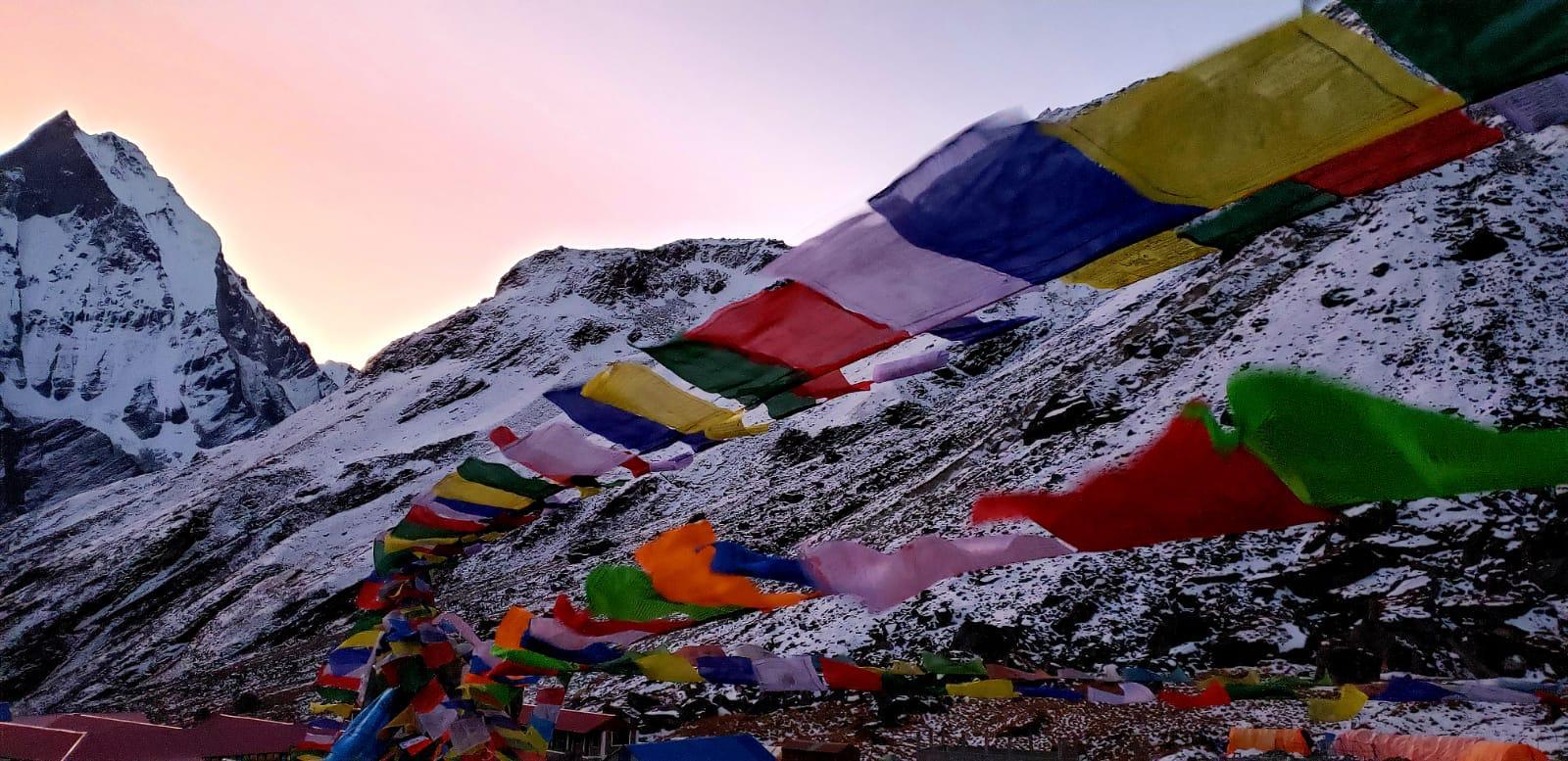
You may see prayer flags fluttering above stone houses, mani walls decorated with Buddhist inscriptions, and prayer wheels turning beside the trail.
This cultural element gives the trek a deeper sense of place you are not simply walking through the Himalayas; you are traveling through a living mountain community.
3. The Trek Is Relatively Accessible From Kathmandu
Another major advantage of Langtang is its accessibility.
The traditional starting point, Syabrubesi, can be reached by road from Kathmandu. This means trekkers do not need to take a domestic mountain flight to begin their adventure.
The road journey itself offers a fascinating transition from Kathmandu’s urban environment into Nepal’s rural hills and mountain landscapes.
For travelers with limited time in Nepal, this makes Langtang an attractive alternative to longer Himalayan treks.
4. Kyanjin Gompa Is an Incredible Destination
8 Amazing Reasons Langtang Valley Trek Is Worth It 6
Reaching Kyanjin Gompa is one of the defining moments of the Langtang Valley Trek.
Situated at approximately 3,870 meters, Kyanjin is surrounded by spectacular Himalayan scenery and serves as the main acclimatization and exploration point in the upper valley.
Rather than simply arriving at the village and turning around, trekkers can spend an extra day exploring the surrounding area.
Popular excursions include:
Tserko Ri – a challenging viewpoint offering spectacular mountain panoramas
Kyanjin Ri – a shorter alternative with excellent views
Langshisha Kharka – a longer excursion into the upper valley
Langtang Glacier – an opportunity to see the dramatic glacial landscape
The extra day around Kyanjin can transform the trek from a simple valley walk into a much more immersive Himalayan adventure.
5. You Walk Through Diverse Landscapes
The Langtang Valley Trek is surprisingly diverse for a relatively compact route.
The trail passes through several distinct environments, including:
Lower sections are characterized by lush vegetation and rushing rivers. As the trail climbs, forests become dominated by pine, oak, birch, and rhododendron.
Higher up, trees gradually disappear and the landscape becomes more rugged and alpine.
This variety keeps the trek visually interesting because every few hours can bring a completely different environment.
6. Langtang Has a Rich Buddhist Heritage
Buddhism is deeply connected to the identity of the Langtang region.
Throughout the trek, you will encounter mani walls, prayer wheels, chortens, monasteries, and colorful prayer flags.
Kyanjin Gompa is particularly significant, providing trekkers with a chance to experience the spiritual atmosphere of the high Himalayas.
The trail also follows ancient cultural traditions that have shaped the communities of the region for generations.
For travelers interested in combining trekking with culture and spirituality, this is one of Langtang’s strongest attractions.
7. It Can Be Less Crowded Than Everest and Annapurna
The Everest Base Camp and Annapurna trekking routes are famous worldwide—and for good reason but their popularity also means that some sections can become busy during peak trekking seasons.
Langtang generally offers a quieter experience.
You still meet fellow trekkers along the trail, particularly during the spring and autumn seasons, but the overall atmosphere can feel more peaceful and intimate.
For travelers who prefer mountains, nature, and local communities over busy trekking hubs, Langtang can be an excellent choice.
8. You Can Complete a Himalayan Adventure in a Shorter Time
Not everyone has two or three weeks available for a Himalayan trek.
The classic Langtang Valley Trek can generally be completed in around 7–10 trekking days, depending on the itinerary, transportation arrangements, acclimatization days, and optional side trips.
A typical itinerary might include:
Kathmandu → Syabrubesi → Lama Hotel → Langtang Village → Kyanjin Gompa → exploration day → return to Syabrubesi → Kathmandu
This makes Langtang particularly appealing for travelers who want a meaningful Himalayan trekking experience while working with a limited vacation schedule.
When Is the Best Time to Trek Langtang Valley?
The best seasons for the Langtang Valley Trek are generally spring and autumn.
Spring: March to May
Spring brings relatively stable weather, clear mountain views, and colorful rhododendron forests.
April and May can be particularly beautiful when rhododendrons are in bloom.
Autumn: September to November
Autumn is widely considered one of the best trekking seasons in Nepal.
The monsoon has generally cleared the atmosphere, creating excellent mountain visibility, while daytime trekking conditions are usually comfortable.
Winter: December to February
Winter trekking is possible, but temperatures can become very cold at higher elevations and snowfall may affect the trail around Kyanjin Gompa and the high viewpoints.
Monsoon: June to August
The monsoon brings heavy rainfall, cloudy mountain views, muddy trails, and a greater risk of landslides in some areas. However, experienced trekkers may still find the region rewarding during this period.
How Difficult Is the Langtang Valley Trek?
The Langtang Valley Trek is generally considered a moderate-level Himalayan trek.
You do not need technical mountaineering skills for the standard route, but you should be prepared for several consecutive days of walking and significant elevation gain.
The biggest challenge is altitude.
Starting from the lower valley and gradually climbing toward Kyanjin Gompa gives your body time to adjust. A well-planned itinerary should include appropriate acclimatization and avoid unnecessarily rapid altitude gain.
Regular walking, stair climbing, hiking, and cardiovascular exercise in the weeks before your trip can help prepare you for the trek.
What Makes Langtang Valley Trek Different?
Langtang’s greatest strength is its balance.
You get mountains without an extremely long expedition, culture without leaving the trekking route, remote landscapes without complicated logistics, and adventure without technical climbing.
It is an excellent option for first-time Himalayan trekkers as well as experienced hikers looking for a shorter alternative to Nepal’s more famous routes.
Final Thoughts on Langtang Valley Trek
The Langtang Valley Trek may not have the global fame of Everest Base Camp, but that is precisely part of its appeal.
From the first mountain views to the traditional villages, Buddhist heritage, alpine landscapes, and spectacular surroundings of Kyanjin Gompa, the trek offers an impressive variety of experiences within a relatively short journey.
If you are looking for a Himalayan adventure that combines spectacular scenery, authentic culture, manageable logistics, and a quieter trekking atmosphere, Langtang Valley is absolutely worth considering.
Eight reasons may be enough to explain why Langtang is worth it but experiencing the valley for yourself is even better.
Unlike some of Nepal’s more crowded trekking routes, this journey allows you to experience the mountains at a more intimate pace. You walk through communities where culture remains an important part of everyday life, while the scenery gradually changes from green hills and forests to rugged high-altitude landscapes.
If you’re looking for a trek that combines natural beauty, authentic culture, adventure, and meaningful encounters, here are 7 unforgettable experiences that make the Langtang Valley and Tamang Heritage Trek special.
7 Unforgettable Experiences on the Langtang and Tamang Heritage Trek
1. Walking Through the Authentic Langtang and Tamang Heritage Trek
One of the most memorable parts of the trek is the opportunity to walk through traditional Tamang villages.
The Tamang Heritage Trail takes you through settlements where traditional stone houses, Buddhist prayer flags, mani walls, chortens, and mountain views form part of everyday life.
Villages such as Gatlang, Tatopani, Thuman, and Briddim offer opportunities to experience local traditions and hospitality away from the busier trekking routes.
Instead of simply passing through the landscape, you get a chance to connect with the communities that have called these mountains home for generations.
2. Watching the Himalayas Reveal Themselves Along the Langtang and Tamang Heritage Trek
The scenery changes dramatically as you enter the Langtang Valley.
The trail winds through forests and alongside rushing rivers before opening into increasingly dramatic Himalayan landscapes. Snow-covered peaks begin to dominate the horizon, creating spectacular views as you approach the upper valley.
One of the major highlights is the sight of Langtang Lirung, rising to approximately 7,227 meters.
The surrounding peaks, glaciers, cliffs, and alpine terrain create a completely different atmosphere from the lower forested sections of the trek.
Every bend in the trail seems to offer another reason to stop, breathe, and take in the mountains.
A trek through Langtang and Tamang Heritage is also a journey through local hospitality.
Teahouses and homestays provide a place to rest after long days on the trail. In Tamang Heritage villages, staying with local families can make the experience particularly personal.
Sharing meals, talking with hosts, learning about their traditions, and experiencing daily life in the mountains can become some of the most treasured memories of the trek.
Sometimes, the most unforgettable moment isn’t reaching a viewpoint—it’s sitting beside a warm stove in a mountain home while snow-covered peaks disappear behind the evening clouds.
4. Relaxing in Natural Himalayan Hot Springs -Langtang and Tamang Heritage Trek
After several days of trekking, few experiences are more rewarding than soaking in a natural hot spring.
Tatopani, whose name means “hot water” in Nepali, is famous for its natural thermal springs.
The opportunity to rest your tired muscles in warm mineral-rich water while surrounded by Himalayan scenery creates a memorable contrast between adventure and relaxation.
It is one of those simple experiences that can make the trek feel even more special.
5. Discovering Buddhist Culture and Spiritual Landscapes -Langtang and Tamang Heritage Trek
Buddhist traditions are deeply connected with life in the Langtang and Tamang regions.
Throughout the trek, you encounter prayer wheels, mani walls, chortens, monasteries, and colorful prayer flags decorating the trail and villages.
Reaching Kyanjin Gompa is particularly meaningful. Situated at around 3,870 meters, the settlement is surrounded by spectacular mountain scenery and represents an important cultural and spiritual point within the Langtang Valley.
Walking past prayer flags fluttering in the mountain wind and hearing prayer wheels turn as you follow the trail creates an atmosphere that is difficult to experience anywhere else.
6. Reaching the High Himalayan World Around Kyanjin Gompa – Langtang and Tamang Heritage Trek
The journey to Kyanjin Gompa marks one of the great highlights of the Langtang section.
As you climb higher, forests gradually give way to alpine terrain. The landscape becomes more rugged, the air thinner, and the surrounding mountains increasingly impressive.
Kyanjin Gompa also provides an opportunity for optional acclimatization hikes.
Trekkers can explore viewpoints such as Kyanjin Ri or attempt Tserko Ri, depending on their itinerary, fitness, weather conditions, and acclimatization.
Standing above the valley with panoramic Himalayan views is a powerful reminder of how far you’ve traveled from Kathmandu.
7. Experiencing Two Different Sides in One Trek – Langtang and Tamang Heritage Trek
Perhaps the greatest advantage of combining the two routes is the diversity of experiences.
The Tamang Heritage Trail introduces you to traditional villages, local culture, homestays, forests, hot springs, and rural Himalayan life.
The Langtang Valley then takes you deeper into the mountains, with spectacular peaks, glaciers, alpine landscapes, and high-altitude trekking around Kyanjin Gompa.
Together, they create a journey that feels much more complete than experiencing either trail alone.
You don’t simply trek toward a destination—you experience the people, culture, landscapes, and mountains of the Langtang region along the way.
Why Combine Langtang Valley and Tamang Heritage Trail?
Combining the two routes is ideal for travelers who want more than just mountain views.
The journey offers a unique balance of:
Dramatic Himalayan scenery
Traditional Tamang villages
Buddhist culture and monasteries
Beautiful Himalayan forests
Natural hot springs
Local homestay experiences
Authentic trekking away from heavily crowded routes
High-altitude landscapes around Kyanjin Gompa
It is particularly appealing to trekkers who want to experience both the cultural and natural sides of Nepal’s Himalayas.
Best Time for the Langtang Valley & Tamang Heritage Trek
The best seasons are generally spring and autumn.
March to May brings warmer temperatures, blooming rhododendrons, and beautiful mountain scenery. Spring can be particularly rewarding for photographers and nature lovers.
September to November is another excellent period, with generally clear skies, good mountain visibility, and comfortable trekking conditions.
Winter can bring cold temperatures and snow at higher elevations, while the monsoon months can bring rain, clouds, and slippery trails.
Choosing the right season can significantly improve your trekking experience.
How Difficult Is the Trek?
The Langtang Valley and Tamang Heritage Trek is generally considered a moderate trek, but the combination is more demanding than a short Langtang Valley itinerary because of its longer duration and varied terrain.
You should be prepared for several hours of walking each day, including uphill and downhill sections.
Altitude is another important consideration, particularly as you approach Kyanjin Gompa and undertake optional hikes to higher viewpoints.
Good physical preparation, gradual acclimatization, adequate hydration, and a sensible itinerary are essential for enjoying the trek safely.
A Trek That Goes Beyond the Mountains
The most remarkable thing about the Langtang Valley and Tamang Heritage Trek is that the mountains are only part of the story.
You remember the snow-covered peaks, but you also remember the smile of a local host.
You remember the long days on the trail, but you also remember the warmth of a village teahouse.
You remember reaching Kyanjin Gompa, but you also remember turning a prayer wheel, crossing a suspension bridge, walking through rhododendron forests, and relaxing in the hot springs at Tatopani.
These experiences transform a trekking itinerary into a genuine Himalayan adventure.
Final Thoughts
The Langtang Valley and Tamang Heritage Trek is an excellent choice for travelers searching for a Himalayan journey that combines spectacular scenery with authentic culture and meaningful experiences.
From traditional Tamang villages and natural hot springs to Buddhist monasteries and the towering peaks surrounding Kyanjin Gompa, every section of the trek offers something different.
If you want to experience Nepal beyond the classic trekking routes, this journey deserves a place on your adventure list.
The mountains may be what bring you to Langtang but the people, culture, and unforgettable moments are what stay with you long after you leave.
10 Incredible Reasons to Trek the Langtang Valley in 2026, nestled in the heart of Nepal’s Himalayas, the Langtang Valley offers an unforgettable combination of spectacular mountain scenery, peaceful trails, rich Tamang and Tibetan-influenced culture, and authentic Himalayan hospitality. While Everest Base Camp and the Annapurna region often receive the most attention, Langtang provides a more intimate trekking experience without compromising on breathtaking landscapes.
If you are planning a Himalayan adventure in 2026, here are 10 incredible reasons to put the Langtang Valley Trek on your list.
Langtang Valley in 2026: 10 Incredible Reasons to Visit
10 Incredible Reasons to Trek the Langtang Valley in 2026 18
One of the biggest attractions of the Langtang Valley Trek is its spectacular mountain scenery. As you ascend through the valley, the landscape gradually transforms from lush forests and rivers into dramatic alpine terrain.
You can enjoy impressive views of peaks such as Langtang Lirung (7,227 m), Langtang Ri, Dorje Lakpa, and other surrounding Himalayan summits. The changing scenery makes almost every day on the trail feel different.
2. Enjoy a Less Crowded Himalayan Trek
If you prefer peaceful mountain trails over busy trekking routes, Langtang is an excellent choice.
Compared with some of Nepal’s more famous trekking destinations, the Langtang Valley generally offers a quieter atmosphere. This allows you to enjoy the surrounding mountains, forests, villages, and rivers at a more relaxed pace.
For trekkers looking for a more peaceful Himalayan experience in 2026, this can be a major advantage.
3. Discover Authentic Tamang and Himalayan Culture
10 Incredible Reasons to Trek the Langtang Valley in 2026 19
The Langtang region is home to communities with strong Tamang and Tibetan cultural influences. Trekking through the valley gives you opportunities to experience traditional villages, Buddhist monasteries, prayer wheels, mani walls, colorful prayer flags, and local customs.
Villages such as Lama Hotel, Langtang Village, and Kyanjin Gompa provide glimpses into life in the high Himalayas.
The cultural experience is one of the elements that makes Langtang more than simply a mountain trek.
4. Visit the Beautiful Kyanjin Gompa
10 Incredible Reasons to Trek the Langtang Valley in 2026 20
For many trekkers, reaching Kyanjin Gompa is the highlight of the Langtang Valley Trek.
Located at around 3,870 meters, Kyanjin Gompa is surrounded by spectacular Himalayan peaks and alpine landscapes. The village also serves as an excellent base for exploring the surrounding mountains and viewpoints.
Trekkers with extra time can take day hikes toward Kyanjin Ri or Tserko Ri for even more impressive panoramic views.
5. Explore Dramatic Himalayan Landscapes
10 Incredible Reasons to Trek the Langtang Valley in 2026 21
The Langtang trail passes through an incredible variety of landscapes.
Your journey can include:
Dense rhododendron and oak forests
Waterfalls and mountain streams
Suspension bridges
Traditional Himalayan villages
Glacial valleys
Alpine meadows
Snow-covered peaks
High-altitude viewpoints
10 Incredible Reasons to Trek the Langtang Valley in 2026 22
The dramatic transformation of the landscape as you gain elevation is one of the most rewarding parts of the trek.
6. Trek through Beautiful Rhododendron Forests
Langtang is particularly beautiful during spring when Nepal’s national flower, the rhododendron, blooms across the hillsides.
The trail winds through forests filled with rhododendron, oak, pine, and other Himalayan vegetation. In spring, the combination of colorful flowers and snow-covered mountains creates an especially spectacular setting.
However, Langtang remains an attractive trekking destination throughout much of the year, depending on weather and trail conditions.
7. Explore the Langtang National Park
The Langtang Valley lies within Langtang National Park, one of Nepal’s remarkable protected areas.
The park protects diverse Himalayan ecosystems ranging from subtropical forests to high alpine environments. Trekkers may encounter wildlife such as Himalayan langurs, musk deer, Himalayan black bears, and numerous bird species, although wildlife sightings are never guaranteed.
The national park setting adds another fascinating dimension to the trekking experience.
8. Experience Himalayan Hospitality
One of the most memorable aspects of trekking in Nepal is staying in local teahouses and interacting with the people who live along the trail.
During the Langtang Valley Trek, you can enjoy warm hospitality, traditional meals, comfortable teahouse stays, and conversations with local families.
After a long day of walking through the mountains, sitting down with a hot meal and looking out toward the Himalayas can become one of the simplest—and most rewarding—memories of the journey.
9. Reach an Incredible Himalayan Viewpoint
The Langtang Valley Trek offers opportunities to climb higher than the main trekking route without requiring technical mountaineering skills.
10 Incredible Reasons to Trek the Langtang Valley in 2026 23
Kyanjin Ri and Tserko Ri are popular viewpoints around Kyanjin Gompa. From these high points, trekkers can enjoy expansive views of the Langtang range and surrounding Himalayan landscape.
For adventurous trekkers, adding one of these viewpoints can turn an already beautiful trek into an even more rewarding experience.
10. Combine Adventure with a Manageable Trekking Duration
Another major advantage of Langtang is its relatively accessible location from Kathmandu.
The trek can often be completed in around 7–10 days, depending on the chosen itinerary, acclimatization schedule, side trips, and transportation arrangements.
This makes it particularly appealing to travelers who want to experience the Himalayas but have limited vacation time.
You can also extend your adventure by combining the Langtang Valley with Gosaikunda, creating a longer and more diverse Himalayan trekking experience.
When Is the Best Time to Trek Langtang Valley in 2026?
10 Incredible Reasons to Trek the Langtang Valley in 2026 24
The best trekking seasons are generally spring and autumn.
Spring (March to May) offers pleasant trekking conditions, blooming rhododendrons, and excellent mountain scenery. Autumn (September to November) is popular for generally stable weather, clear skies, and excellent Himalayan visibility.
Winter can bring freezing temperatures and snow at higher elevations, while the monsoon season can bring rain, clouds, and slippery trails.
Your ideal travel period will ultimately depend on whether you prioritize clear mountain views, warmer temperatures, fewer trekkers, or the chance to see rhododendrons in bloom.
Langtang Valley in 2026: How Difficult Is the Langtang Valley Trek?
The Langtang Valley Trek is generally considered a moderate trek, although difficulty depends on your fitness level, itinerary, altitude, weather, and daily walking distance.
The highest point varies depending on your chosen side trips. Trekkers attempting Tserko Ri will reach significantly higher elevations than those who finish their trek around Kyanjin Gompa.
Proper acclimatization is important, particularly as you approach higher elevations.
You do not need technical climbing experience for the standard Langtang Valley Trek, but good physical preparation will make the experience considerably more enjoyable.
Langtang Valley in 2026: What Makes Langtang Different From Everest Base Camp?
Both Langtang and Everest Base Campoffer extraordinary Himalayan experiences, but they have different personalities.
Langtang is particularly appealing if you want a shorter, quieter, culturally rich trekking experience with beautiful forests and dramatic mountain scenery.
Everest Base Camp is ideal if reaching the legendary base camp of Mount Everest is your primary goal and you want to experience the famous Khumbu region.
If you have already completed Everest Base Camp, Langtang can also provide a completely different perspective of Nepal’s Himalayas.
Langtang Valley in 2026: Is Langtang Valley Worth Visiting?
Absolutely.
For travelers searching for spectacular scenery, authentic Himalayan culture, peaceful trails, and a rewarding adventure without committing to a very long expedition, the Langtang Valley Trek is an excellent option.
The combination of mountains, forests, Buddhist culture, traditional villages, wildlife, and high-altitude viewpoints makes Langtang one of Nepal’s most rewarding trekking regions.
Whether you are a first-time Himalayan trekker or an experienced adventurer looking for something beyond the classic routes, 2026 could be the perfect year to discover Langtang Valley.
Langtang Valley in 2026: Plan Your Langtang Valley Adventure
Ready to experience the incredible landscapes of the Langtang region?
A well-planned itinerary, appropriate acclimatization, reliable local support, and the right trekking season can make a significant difference to your experience.
Treks Planner Nepal can help you plan your Langtang adventure according to your available time, fitness level, and trekking preferences from a classic Langtang Valley itinerary to an extended Langtang and Gosaikunda Trek.
The Himalayas are waiting. Make 2026 the year you discover Langtang Valley.
Female Trekking in Nepal: Complete Guide for solo and Women Travelers – Nepal has long been recognized as one of the world’s premier trekking destinations. From the legendary Everest Base Camp Trek to the breathtaking Annapurna Circuit Trek and the peaceful Langtang Valley Trek, the country attracts thousands of adventure seekers every year. Among them is a growing number of women who choose Nepal for solo adventures, small-group expeditions, or unforgettable journeys with friends and family.
If you’re considering trekking in Nepal as a woman, you may have questions about safety, cultural customs, accommodation, and whether you should trek independently or with a guide. These concerns are completely natural, especially if it’s your first visit to the Himalayas.
The good news is that Nepal is widely regarded as one of the safest and most welcoming trekking destinations for female travelers. The country’s long history of tourism, friendly local communities, experienced trekking guides, and well-established trekking infrastructure make it an excellent choice for women seeking adventure in the mountains.
Whether you’re planning your first Himalayan trek or returning to explore a new region, this guide covers everything you need to know about female trekking in Nepal from choosing the right trail to understanding local culture and preparing for a safe, enjoyable, and rewarding experience.
Why Nepal Is an Excellent Destination for Female Trekkers
Nepal offers much more than spectacular mountain scenery. It provides an opportunity to experience diverse cultures, warm hospitality, and a sense of accomplishment that few destinations can match.
Friendly and Welcoming People
Nepalese people are known for their kindness and hospitality. Along the trekking routes, you’ll often be greeted with a smile and a warm “Namaste.” Tea house owners, guides, porters, and local villagers are accustomed to welcoming international visitors from around the world.
Many female travelers say that the genuine friendliness of local communities is one of the highlights of their journey.
Well-Established Trekking Infrastructure
Popular trekking regions such as Everest, Annapurna, and Langtang have well-developed networks of tea houses, lodges, restaurants, and licensed trekking guides. This infrastructure allows women to travel comfortably while enjoying authentic Himalayan experiences.
Diverse Trekking Options
Nepal offers treks suitable for every experience level.
Whether you’re looking for a short five-day hike or a three-week high-altitude expedition, you’ll find routes that match your fitness level, interests, and available time.
Incredible Cultural Experiences
Trekking in Nepal is not only about mountains. You’ll pass through traditional villages, Buddhist monasteries, prayer wheels, ancient temples, and vibrant local communities that provide fascinating insights into Himalayan life.
Is Nepal Safe for Female Trekkers?
Safety is one of the most common concerns among women planning a trekking holiday in Nepal.
Overall, Nepal has a strong reputation as a safe destination for female travelers. Violent crime against tourists is relatively uncommon in trekking areas, and local communities generally treat visitors with respect and hospitality.
However, as with any travel destination, it’s important to exercise common sense and remain aware of your surroundings.
Personal Safety
Most trekking routes are peaceful, with friendly locals and fellow trekkers from around the world. During the peak trekking seasons, you’ll often meet other hikers along the trails, creating a reassuring sense of community.
To enhance your safety:
Stay aware of your surroundings.
Keep valuables secure.
Inform someone of your itinerary.
Follow your guide’s advice.
Avoid walking alone after dark in unfamiliar areas.
Mountain Safety
The greatest risks while trekking in Nepal are often related to the natural environment rather than crime.
Potential hazards include:
Altitude sickness
Changing weather conditions
Slippery trails
River crossings
Snowfall at higher elevations
Choosing a suitable itinerary, allowing enough time for acclimatization, and trekking with experienced guides significantly reduces these risks.
Solo Female Trekking in Nepal
Many women dream of exploring Nepal independently, and thousands successfully do so each year.
However, it’s important to understand the current trekking regulations.
Since recent changes to trekking policies, many popular trekking regions require international visitors to trek with a licensed guide. These rules are intended to improve visitor safety, support search-and-rescue operations, and provide better assistance in remote mountain areas.
Hiring a guide offers several advantages:
Local knowledge of the trail.
Cultural insights.
Assistance with accommodation and meals.
Navigation in remote areas.
Help during emergencies.
Language support.
For many solo female travelers, trekking with a licensed guide provides peace of mind while still allowing plenty of independence and personal exploration.
Solo Trek vs. Group Trek
Both options have their own advantages.
Solo Trek with Guide
Group Trek
Flexible itinerary
Lower cost per person
Personalized experience
Meet like-minded travelers
Walk at your own pace
Extra support and companionship
Greater privacy
Shared memories and motivation
Women who enjoy meeting new people often appreciate group departures, while those seeking flexibility may prefer a private trek with a dedicated guide.
Cultural Etiquette for Women Travelers
Nepal is a culturally diverse country where traditional values remain important, especially in rural mountain communities.
Respecting local customs helps create meaningful interactions and demonstrates appreciation for the communities you visit.
Dress Modestly
While trekking clothing is widely accepted, it’s advisable to wear attire that covers your shoulders and knees when visiting villages, monasteries, and religious sites.
Remove Shoes
Always remove your shoes before entering temples, monasteries, or private homes unless instructed otherwise.
Ask Before Taking Photos
Many local people are happy to be photographed, but it’s considered polite to ask permission first.
Respect Religious Sites
Avoid climbing on religious monuments, touching sacred objects unnecessarily, or pointing your feet toward shrines or prayer altars.
Learn a Few Local Words
Simple greetings such as “Namaste” are greatly appreciated and often lead to warm conversations with local people.
Can Women Trek Alone in Nepal?
Although trekking regulations now require guides in many trekking regions, women can still enjoy an independent travel experience by hiring a licensed guide without joining a larger group.
Many female travelers find this to be the ideal balance between freedom, safety, and local expertise.
Professional guides not only enhance your safety but also enrich your journey by sharing stories, explaining local traditions, introducing you to regional cuisine, and helping you discover hidden viewpoints that many visitors might otherwise miss.
With thoughtful planning, realistic expectations, and the support of experienced professionals, Nepal remains one of the world’s most rewarding destinations for women who dream of exploring the Himalayas.
Female Trekking in Nepal: What Should Women Wear While Trekking in Nepal?
One of the most common questions female travelers ask before visiting Nepal is, “What should I wear while trekking?”
The good news is that Nepal is accustomed to international trekkers, and functional trekking clothing is widely accepted on popular trails. However, Nepal is also a culturally conservative country, particularly in rural mountain villages, so dressing respectfully is appreciated.
The key is to strike a balance between comfort, practicality, and cultural awareness.
Clothing for Trekking
Layering is the best approach because temperatures can change dramatically throughout the day.
A typical clothing system includes:
Base Layer
Moisture-wicking T-shirt or thermal top
Thermal leggings for colder days
Mid Layer
Fleece jacket
Lightweight insulated jacket
Outer Layer
Waterproof and windproof jacket
Waterproof trekking pants
Lower Body
Comfortable trekking pants
Stretch hiking leggings (paired with a longer top if preferred)
Thermal pants for higher elevations
Clothing for Tea Houses
After a long day of trekking, many women prefer changing into comfortable clothing such as:
Lightweight sweatpants
Comfortable T-shirt
Warm fleece
Clean socks
Down slippers or sandals
Tea houses are informal, but modest clothing is recommended in communal dining areas.
Visiting Monasteries and Villages
When entering monasteries or traditional villages:
Cover your shoulders.
Avoid very short shorts or revealing clothing.
Remove your shoes before entering religious buildings.
Dress respectfully during local festivals and ceremonies.
Showing respect for local customs helps create positive interactions with the communities you visit.
Accommodation for Female Trekkers
Nepal’s tea houses provide a safe and welcoming environment for women travelers.
Rooms are generally simple and include:
Twin beds
Mattress
Pillow
Blanket
Shared bathrooms
In lower trekking regions, some lodges offer private bathrooms, while higher-altitude villages usually have shared facilities.
Can Solo Women Get Private Rooms?
Yes.
Depending on availability, solo travelers can usually book a private room for an additional charge. During peak trekking seasons (March–May and September–November), it’s wise to reserve accommodation in advance, especially in popular destinations like Everest Base Camp and Annapurna Base Camp.
Are Tea Houses Safe?
Tea houses are generally very safe.
Many are family-run businesses where guests dine together in a communal area before retiring to their rooms. The warm hospitality of local hosts is one of the highlights of trekking in Nepal.
Basic precautions include:
Lock your backpack when possible.
Keep your passport, cash, and electronics with you.
Avoid leaving valuables unattended in shared areas.
Food and Drinking Water
Trekking burns a significant number of calories each day, making proper nutrition essential.
Popular Meals
Most tea house menus include:
Dal Bhat (rice, lentils, vegetables, and curry)
Fried rice
Noodles
Momos (dumplings)
Tibetan bread
Pancakes
Eggs
Soups
Pasta
Potatoes
Vegetarian meals are widely available and often recommended at higher elevations because meat can be more difficult to transport and store safely.
Staying Hydrated
Drink at least 3–4 litres of water daily while trekking.
Avoid drinking untreated water directly from streams or taps.
Safer options include:
Water purification tablets
Portable water filters
UV purification devices
Boiled water purchased at tea houses
Reusable water bottles are a more environmentally friendly choice than buying single-use plastic bottles.
Hygiene During the Trek
Maintaining personal hygiene becomes more challenging as you gain altitude, but a little preparation goes a long way.
Useful items include:
Hand sanitizer
Wet wipes
Biodegradable soap
Quick-dry towel
Toothbrush and toothpaste
Travel tissues
Small rubbish bags
Hot showers are available in many villages for an additional fee, although availability becomes more limited at higher elevations.
Menstruation While Trekking
Many women successfully complete treks in Nepal during their menstrual cycle. With thoughtful preparation, it should not prevent you from enjoying your adventure.
Pack Enough Supplies
Bring enough sanitary products for your entire trek, as your preferred brands may not be available in remote mountain villages.
You may choose to pack:
Sanitary pads
Tampons
Menstrual cup
Period underwear
Use whichever option you are most comfortable with before your trip.
Disposal
Used sanitary products should never be flushed down toilets.
Carry biodegradable disposal bags or zip-lock bags so you can pack out used products where necessary and dispose of them responsibly in larger towns.
Managing Symptoms
To stay comfortable:
Stay hydrated.
Eat regular meals.
Keep warm.
Carry any pain relief medication you normally use.
Allow yourself time to rest if needed.
Health and Wellness Tips
A healthy body recovers faster and enjoys trekking more.
Sleep
Aim for adequate rest each night, especially during acclimatization days.
Nutrition
Choose meals rich in carbohydrates, vegetables, and protein to support energy levels throughout the trek.
Sun Protection
The Himalayan sun is much stronger than many travelers expect.
Protect yourself by using:
SPF 50+ sunscreen
Lip balm with SPF
Sunglasses with UV protection
Wide-brimmed hat or cap
Reapply sunscreen regularly, even on cloudy days.
Internet and Mobile Connectivity
Many trekkers like to stay connected with family and friends during their journey.
Mobile Network
Coverage depends on the region.
Lower elevations usually have stronger signals, while higher villages may experience weak or intermittent service.
Purchasing a local SIM card before leaving Kathmandu is often the most convenient option for mobile data and calls.
Wi-Fi
Many tea houses provide Wi-Fi for an additional fee.
Keep in mind:
Speeds are generally slow.
Connections may be affected by weather.
Remote villages may have no internet access at all.
Consider embracing the opportunity to disconnect and fully enjoy your surroundings.
Packing List for Female Trekkers
Packing light while carrying essential items is one of the keys to an enjoyable trek.
Clothing
Moisture-wicking shirts
Thermal base layers
Fleece jacket
Down jacket
Waterproof shell
Trekking pants
Thermal leggings
Sports bras
Underwear
Hiking socks
Gloves
Warm hat
Sun hat
Buff or neck gaiter
Footwear
Well-broken-in trekking boots
Camp sandals
Lightweight shoes (optional)
Toiletries
Toothbrush
Toothpaste
Face wash
Moisturizer
Sunscreen
Lip balm
Shampoo bar or travel shampoo
Hairbrush
Hair ties
Hand sanitizer
Health Items
First-aid kit
Personal medications
Blister treatment
Electrolyte tablets
Pain relief medication
Water purification tablets
Electronics
Phone
Camera
Chargers
Headlamp
Power bank
Universal adapter
Important Documents
Passport
Nepal visa
Trekking permits
Travel insurance
Emergency contact information
Cash in Nepalese Rupees
Female-Friendly Trekking Tips
Many women who have trekked in Nepal share similar advice for first-time visitors.
Train before your trek to build stamina and confidence.
Keep your daypack light to reduce fatigue.
Carry snacks such as nuts, energy bars, or dried fruit.
Stay hydrated throughout the day.
Listen to your body and don’t ignore signs of altitude sickness.
Respect local customs and traditions.
Don’t hesitate to ask your guide questions they are there to support you.
Take your time and enjoy the journey rather than rushing to reach your destination.
Trekking in Nepal is as much about the experience as it is about reaching the final viewpoint. The friendships you make, the villages you visit, and the memories you create often become the most treasured parts of the adventure.
Female Trekking in Nepal: Safety Tips, Choosing a Trekking Company, FAQs & Conclusion
Essential Safety Tips for Female Trekkers
Nepal is considered one of the safest trekking destinations in the world, but good preparation and sensible precautions can make your experience even more enjoyable. Whether you’re traveling solo, with friends, or as part of a group, following a few practical safety guidelines will help you trek with confidence.
Research Your Trek
Before booking, learn about your chosen trekking route, including:
Duration and daily walking hours
Maximum altitude
Weather conditions
Accommodation standards
Physical difficulty
Emergency evacuation options
Understanding what to expect allows you to prepare both physically and mentally.
Hire a Licensed Guide
An experienced guide offers much more than navigation. They help manage logistics, monitor your health, communicate with locals, and respond quickly if problems arise.
Benefits of trekking with a licensed guide include:
Expert route knowledge
Cultural insights
Assistance with accommodation and meals
Help with altitude management
Emergency support
Peace of mind for solo travelers
Stay Connected
Before beginning your trek:
Share your itinerary with family or friends.
Save important emergency contacts.
Keep your phone charged using a power bank.
Inform your guide if you plan to explore away from the main trail.
Listen to Your Body
Do not ignore symptoms such as severe headaches, dizziness, nausea, or unusual fatigue.
Altitude sickness can affect anyone regardless of age or fitness. Inform your guide immediately if you feel unwell and follow their recommendations.
Protect Your Valuables
Carry your passport, cash, bank cards, and electronics in a secure daypack. A money belt or hidden travel pouch can provide additional security.
Choosing the Right Trekking Company
Selecting a reliable trekking operator is one of the most important decisions you’ll make before your trip.
A professional company will not only organize your permits and accommodation but also provide experienced guides, well-planned itineraries, and support throughout your journey.
When comparing trekking companies, look for:
Experienced Guides
Choose a company that employs government-licensed guides with extensive experience in Nepal’s trekking regions.
Transparent Pricing
A trustworthy company clearly explains what is included in the package, such as:
Accommodation
Meals
Transportation
Trekking permits
Guide services
Porter services
Airport transfers
Knowing exactly what you’re paying for helps avoid unexpected costs.
Positive Reviews
Read recent reviews from previous clients to understand the company’s reputation for safety, professionalism, and customer service.
Responsible Tourism
Companies committed to sustainable tourism often:
Employ local guides and porters.
Support local communities.
Minimize environmental impact.
Promote ethical trekking practices.
These values contribute to a more meaningful travel experience while helping preserve Nepal’s natural and cultural heritage.
Why Trek with Treks Planner Nepal?
At Treks Planner Nepal, we believe every woman should feel confident exploring the Himalayas.
Our experienced team is dedicated to providing safe, personalized, and memorable trekking experiences for solo travelers, friends, couples, and small groups.
Carefully planned itineraries with proper acclimatization
Assistance with all permits and logistics
Comfortable transportation arrangements
Flexible private and group departures
Honest pricing with no hidden charges
Friendly customer support before, during, and after your trek
A commitment to responsible and sustainable tourism
Whether you’re trekking to Everest Base Camp, Annapurna Base Camp, Langtang Valley, Mardi Himal, or one of Nepal’s hidden trails, our team is here to help you travel with confidence.
Responsible Trekking
Every traveler plays an important role in protecting Nepal’s mountains.
Here are a few simple ways to reduce your environmental impact:
Carry a reusable water bottle.
Avoid single-use plastics whenever possible.
Stay on established trails.
Respect local customs and traditions.
Dispose of waste responsibly.
Support locally owned tea houses and businesses.
Treat guides, porters, and local residents with kindness and respect.
Responsible tourism helps preserve Nepal’s unique landscapes and communities for future generations.
Frequently Asked Questions
Is Nepal safe for solo female travelers?
Yes. Nepal is widely regarded as one of the safest destinations in Asia for solo female travelers. As with any destination, exercising normal travel precautions and trekking with a licensed guide in remote areas is recommended.
Can women trek in Nepal without experience?
Yes. Several beginner-friendly treks, such as the Ghorepani Poon Hill Trek and Mardi Himal Trek, are suitable for first-time trekkers with a reasonable level of fitness.
Do I need a guide?
Current trekking regulations require licensed guides in many popular trekking regions. Even where not mandatory, hiring a guide enhances safety, provides local knowledge, and supports the local economy.
What is the best trek for first-time female travelers?
Some of the most popular beginner-friendly treks include:
Ghorepani Poon Hill Trek
Mardi Himal Trek
Langtang Valley Trek
Annapurna Base Camp Trek
Each offers beautiful scenery, comfortable tea houses, and well-established trekking routes.
Is Nepal suitable for women traveling alone?
Absolutely. Thousands of women visit Nepal every year, either independently or with organized trekking groups. The country’s welcoming culture and experienced trekking professionals make it an excellent destination for solo adventures.
Are tea houses safe for women?
Yes. Tea houses are generally family-run establishments with friendly hosts and welcoming communal dining areas. Basic precautions, such as keeping valuables secure, are advisable.
What should women pack?
Essential items include:
Comfortable trekking clothing
Waterproof jacket
Warm layers
Sunscreen
Personal medications
Hygiene products
Headlamp
Power bank
Trekking boots
Water purification method
Packing light while including the essentials will make your trek more comfortable.
Is there internet during the trek?
Many tea houses offer Wi-Fi, though connections can be slow or unavailable in more remote areas. Mobile network coverage also varies depending on the region.
Is travel insurance necessary?
Yes. Comprehensive travel insurance covering high-altitude trekking and emergency helicopter evacuation is strongly recommended for all trekkers.
When is the best time for women to trek in Nepal?
The best seasons are:
Spring (March–May)
Mild temperatures
Blooming rhododendron forests
Excellent mountain views
Autumn (September–November)
Stable weather
Clear skies
Comfortable trekking conditions
These seasons provide the best overall experience for most trekkers.
Final Thoughts
Trekking in Nepal is far more than reaching a mountain viewpoint it’s about discovering new cultures, challenging yourself, and creating memories that last a lifetime.
For women, Nepal offers an inspiring combination of breathtaking landscapes, welcoming communities, well-established trekking routes, and unforgettable cultural experiences. Whether you’re planning your first solo adventure or joining friends for a Himalayan expedition, you’ll find countless opportunities to explore safely and confidently.
Good preparation, appropriate gear, respect for local customs, and the support of experienced trekking professionals will help ensure your journey is both enjoyable and rewarding.
The Himalayas have inspired travelers for generations. With thoughtful planning and the right guidance, your adventure in Nepal can become one of the most meaningful experiences of your life.
If you’re ready to explore Nepal’s incredible mountain trails, Treks Planner Nepalis here to help.
From choosing the right trek to arranging permits, transportation, accommodation, and experienced guides, we take care of every detail so you can focus on enjoying the journey.
Whether you dream of reaching Everest Base Camp, exploring the Annapurna region, or discovering quieter trails like Langtang or Mardi Himal, we’ll help you plan a safe, unforgettable trekking experience tailored to your interests and fitness level.
Contact us today and let us help you turn your Himalayan adventure into reality.
Tucked just north of Kathmandu, the Langtang Valley Trek is often called the “closest Himalayan escape” but that description doesn’t do it justice.
This is not just a trekking destination. It’s a journey through shifting landscapes, ancient Tamang culture, glacial rivers, and towering snow peaks that quietly dominate the horizon. Unlike the more commercial trekking routes in Nepal, Langtang still feels raw, peaceful, and deeply personal.
From moss-covered forests to high alpine viewpoints, every step in this valley brings something new something unforgettable.
1. Walking Through Rhododendron Forest Langtang Valley Experiences
10 Unforgettable Langtang Valley Experiences You Can’t Miss 34
One of the first magical experiences in Langtang is walking through dense forests filled with rhododendron trees, pine, and oak.
In spring, the entire trail bursts into color—reds, pinks, and whites painting the hillsides like a natural festival.
Best seen between March–April
Ideal for photography and nature lovers
Peaceful forest trails with occasional wildlife sightings
This section of the trek feels almost cinematic—quiet, colorful, and alive.
2. Mountain Views That Define Langtang Valley Experiences
10 Unforgettable Langtang Valley Experiences You Can’t Miss 35
There’s a moment on the trail when the valley suddenly opens up—and there it is: Langtang Lirung (7,227m), dominating the skyline.
It often appears unexpectedly, making the experience even more powerful.
Massive glacier-fed peak
Dramatic sunrise and sunset views
One of the most photographed mountains in the region
Most trekkers say this is the moment they realize why they came.
3. Cultural Immersion in Tamang Villages Langtang Valley Experiences
10 Unforgettable Langtang Valley Experiences You Can’t Miss 36
The Langtang region is home to the Tamang community, one of Nepal’s most culturally rich Himalayan ethnic groups.
Along the trail, you’ll stay in small villages where life remains deeply traditional.
Warm homestays and teahouses
Traditional meals like dal bhat and buckwheat roti
Buddhist prayer flags and monasteries everywhere
This cultural immersion is just as powerful as the mountains themselves.
4. Spiritual Langtang Valley Experiences at Kyanjin Gompa
At the heart of the valley lies Kyanjin Gompa, a serene village surrounded by peaks.
The monastery here is a place of silence, prayer, and reflection.
Ancient Buddhist monastery
Prayer wheels and spiritual ambiance
Incredible mountain backdrop
Many trekkers spend an extra day here just to slow down and absorb the atmosphere.
5. Food & Local Life Langtang Valley Experiences (Yak Cheese & More)
A surprising highlight for many travelers is the famous yak cheese produced in Kyanjin.
Locally made at high altitude dairy farms
Unique taste influenced by Himalayan herbs
A must-try snack during your stay
It’s simple but deeply tied to the local economy and lifestyle.
6. Adventure Trekking Langtang Valley Experiences at Tserko Ri Viewpoint (5,000m+)
If you want the best view in the entire Langtang region, the hike to Tserko Ri is essential.
It’s challenging but unforgettable.
Panoramic Himalayan views (360°)
Early morning summit experience
Physical endurance rewarded with surreal scenery
This is often the highest point of the trek for most travelers.
7. Thrilling River Crossings in Langtang Valley Experiences
Throughout the trek, you’ll cross multiple suspension bridges hanging above roaring rivers.
Deep valleys below
Glacier-fed water rushing beneath
Adds adventure and adrenaline to the trek
It’s a simple experience but one that always gets remembered.
8. Wildlife Encounters in Langtang Valley Experiences
10 Unforgettable Langtang Valley Experiences You Can’t Miss 37
The Langtang region lies within Langtang National Park, home to rare Himalayan wildlife.
If you’re lucky, you may spot:
Red panda (rare and endangered)
Himalayan monals (Nepal’s national bird)
Musk deer and langurs
Even when wildlife is hidden, the forest itself feels alive.
Unlike many trekking regions, Langtang remains largely untouched by road networks deep inside the valley.
9. Remote Himalayan Lifestyle Langtang Valley Experiences
10 Unforgettable Langtang Valley Experiences You Can’t Miss 38
That means:
No vehicle noise
No urban distractions
Pure walking trails and silence
This creates a rare feeling of complete disconnect from modern life.
10. Night Sky & Stargazing Langtang Valley Experiences
At night, Langtang transforms completely.
With almost zero light pollution, the sky becomes a canvas.
Milky Way visibility on clear nights
Shooting stars common
Peaceful silence in mountain lodges
It’s one of the most underrated experiences in the Himalayas.
Things to Know Before You Go
While Langtang is stunning, it’s also a real mountain trek.
Expect:
Moderate to challenging terrain
Cold nights (especially above 3,000m)
Limited luxury facilities
Slow altitude gain required for safety
Preparation makes a huge difference in your experience.
Best Time to Visit Langtang Valley
Spring (March–May): Flowers, clear trails, best colors
Autumn (Sept–Nov): Crystal-clear Mountain views
Winter (Dec–Feb): Quiet but cold conditions
Monsoon (June–Aug): Not recommended due to rain and landslides
Essential Packing List
Warm layers (thermal + down jacket)
Waterproof trekking boots
Sleeping bag (cold-rated)
Sunscreen & sunglasses
Water purification tablets
Basic first aid kit
How to Reach Langtang Valley
Drive from Kathmandu to Syabrubesi (starting point)
Trek begins from Syabrubesi village
Typically, 7–10-day trekking itinerary
Final Thoughts
The Langtang ValleyTrek is not just about mountains it’s about how it makes you feel.
It’s quiet, powerful, and deeply grounding. Every forest walk, every village stop, and every snowy peak view adds up to something bigger than a trek.
For many travelers, Langtang isn’t just a destination they visit it’s a place they carry with them long after they’ve left.
The Ultimate Guide to Langtang Valley Trek 2025-2026: Nepal’s Hidden Himalayan Paradise 43
Dramatic landscapes – towering peaks, glaciers, and alpine meadows Rich culture – Tamang villages influenced by Tibetan traditions Accessibility – short drive from Kathmandu, no flights needed Wildlife – chance to spot Himalayan tahr, red pandas, and diverse bird species
It’s a moderate trek that combines natural beauty, cultural immersion, and high-altitude adventure.
Key Highlights of the Langtang Valley Trek 2025-2026:
Kyanjin Gompa: A beautiful monastery surrounded by mountains, with a yak cheese factory Tserko Ri & Kyanjin Ri: Panoramic viewpoints with sunrise over Langtang peaks Langtang Glacier & Icefalls: Easily accessible day hikes from Kyanjin Gompa Sacred Lakes of Gosainkunda: Clear blue alpine lakes in a dramatic setting Tamang Villages: Gatlang, Briddim, and Langtang Village — rich with Tibetan influence
Wildlife & Nature: Langtang Valley Trek 2025-2026
Langtang National Park is a biodiversity hotspot: Animals: Himalayan tahr, red panda, musk deer, snow leopard (rare) Birds: Himalayan monal, snow partridge, tragopan Flora: Oak, rhododendron, bamboo, alpine flowers
Best Time to Trek the Langtang Valley: Langtang Valley Trek 2025-2026
Autumn (Sept–Nov): Stable weather, crystal-clear skies, and incredible mountain views
Spring (March–May): Blooming rhododendrons and pleasant trekking conditions
Winter (Dec–Feb): Cold but peaceful, trails may have snow
Monsoon (June–Aug): Trails muddy, frequent rain, and cloud cover
Required Permits
For the Langtang Valley Trek, you’ll need:
Langtang National Park Entry Permit: NPR 3,000 (~$25)
TIMS Card (Trekkers’ Information Management System): NPR 2,000 (~$15)
Permits are available in Kathmandu or at entry checkpoints.
Main Treks in the Langtang Region
Langtang Valley Trek
Starting Point: Syabrubesi Duration: 8–10 days Difficulty: Moderate Highest Point: Tserko Ri (4,984 m) Highlights: Langtang Village, Kyanjin Gompa, yak pastures, glacier views Best For: Those seeking a shorter trek with great scenery
Outline Itinerary:
Day 1: Drive from Kathmandu to Syabrubesi (1,470 m) – scenic ride along mountain roads Day 2: Syabrubesi → Lama Hotel (2,470 m) – forested trail following Langtang River Day 3: Lama Hotel → Langtang Village (3,430 m) – Tamang settlements and views of Langtang Lirung Day 4: Langtang Village → Kyanjin Gompa (3,870 m) – monasteries, yak pastures, panoramic vistas Day 5: Acclimatization at Kyanjin Gompa – hike to Kyanjin Ri (4,773 m) or Tserko Ri (4,984 m) Day 6: Kyanjin Gompa → Lama Hotel – descend through alpine and forest trails Day 7: Lama Hotel → Syabrubesi – final walk along river valley Day 8: Drive back to Kathmandu
Langtang Valley + Gosainkunda Lake Trek (12–14 days)
The Ultimate Guide to Langtang Valley Trek 2025-2026: Nepal’s Hidden Himalayan Paradise 44
Combines Langtang Valley with the sacred alpine lakes of Gosainkunda Gosainkunda: A major Hindu and Buddhist pilgrimage site (4,380 m) Pass Crossing: Laurebina La (4,610 m) — stunning views Best For: Trekkers wanting culture, lakes, and higher passes Duration: 12–14 days Route: Langtang Valley → Gosainkunda Lakes → Laurebina La Pass → Return or Helambu exit Highlights: Sacred alpine lakes, Laurebina La Pass, cultural blend of Tamang and Sherpa areas Difficulty: Moderate to challenging
Outline Itinerary:
Day 1: Kathmandu → Syabrubesi (1,470 m) – Drive Day 2: Syabrubesi → Lama Hotel (2,470 m) Day 3: Lama Hotel → Langtang Village (3,430 m) Day 4: Langtang Village → Kyanjin Gompa (3,870 m) Day 5: Acclimatization at Kyanjin Gompa (Tserko Ri 4,984 m or Kyanjin Ri 4,773 m) Day 6: Kyanjin Gompa → Lama Hotel (2,470 m) Day 7: Lama Hotel → Thulo Syabru (2,230 m) Day 8: Thulo Syabru → Shin Gompa (3,250 m) Day 9: Shin Gompa → Gosainkunda (4,380 m) Day 10: Gosainkunda → Ghopte via Laurebina La Pass (4,610 m) Day 11: Ghopte → Kutumsang (2,470 m) Day 12: Kutumsang → Chisapani (2,215 m) Day 13: Chisapani → Sundarijal → Kathmandu
Adds the Tamang Heritage Trail to Langtang Valley Cultural Focus: Tamang villages like Gatlang, Tatopani (hot springs), and Briddim Best For: Cultural immersion and homestay experiences Duration: 10–12 days Highlights: Authentic Tamang villages, homestays, hot springs, Langtang Valley scenery Difficulty: Moderate
Outline Itinerary:
Day 1: Kathmandu → Syabrubesi (1,470 m) – Drive Day 2: Syabrubesi → Gatlang (2,238 m) Day 3: Gatlang → Tatopani (2,607 m) – Hot springs Day 4: Tatopani → Thuman (2,400 m) Day 5: Thuman → Briddim (2,345 m) – Homestay village Day 6: Briddim → Lama Hotel (2,470 m) Day 7: Lama Hotel → Langtang Village (3,430 m) Day 8: Langtang Village → Kyanjin Gompa (3,870 m) Day 9: Acclimatization at Kyanjin Gompa (Tserko Ri 4,984 m or Kyanjin Ri 4,773 m) Day 10: Kyanjin Gompa → Lama Hotel (2,470 m) Day 11: Lama Hotel → Syabrubesi (1,470 m) Day 12: Syabrubesi → Kathmandu – Drive
Combines Langtang with the Helambu region, known for monasteries and Sherpa culture Route: Crosses Laurebina La from Gosainkunda into the Helambu valleys Best For: Trekkers seeking diverse culture and landscapes Duration: 14–16 days Highlights: Monasteries, Sherpa villages, diverse landscapes, sacred lakes Difficulty: Moderate to challenging Best For: Trekkers seeking a long journey combining culture and mountain terrain
Outline Itinerary:
Day 1: Kathmandu → Syabrubesi (1,470 m) – Drive Day 2: Syabrubesi → Lama Hotel (2,470 m) Day 3: Lama Hotel → Langtang Village (3,430 m) Day 4: Langtang Village → Kyanjin Gompa (3,870 m) Day 5: Acclimatization at Kyanjin Gompa (Tserko Ri 4,984 m or Kyanjin Ri 4,773 m) Day 6: Kyanjin Gompa → Lama Hotel (2,470 m) Day 7: Lama Hotel → Thulo Syabru (2,230 m) Day 8: Thulo Syabru → Shin Gompa (3,250 m) Day 9: Shin Gompa → Gosainkunda (4,380 m) Day 10: Gosainkunda → Ghopte via Laurebina La Pass (4,610 m) Day 11: Ghopte → Kutumsang (2,470 m) Day 12: Kutumsang → Thadepati (3,690 m) Day 13: Thadepati → Tarkeghyang (2,560 m) Day 14: Tarkeghyang → Sermathang (2,610 m) Day 15: Sermathang → Melamchi Bazaar (846 m) Day 16: Melamchi Bazaar → Kathmandu – Drive
Short holiday (1 week): Langtang Valley Trek Culture + moderate trek: Tamang Heritage + Langtang High pass + sacred lakes: Langtang + Gosainkunda Longer diverse trek: Langtang + Helambu
Comparative Table of Langtang Treks
Trek
Duration
Max Altitude
Difficulty
Best Time
Highlights
Langtang Valley
8–10 days
Tserko Ri (4,984 m)
Moderate
Mar–May, Sept–Nov
Kyanjin Gompa, Langtang Glacier, Tserko Ri
Langtang + Gosainkunda
12–14 days
Laurebina La (4,610 m)
Moderate–Challenging
Mar–May, Sept–Nov
Gosainkunda Lakes, Laurebina La Pass
Langtang + Tamang Heritage
10–12 days
Tserko Ri (4,984 m)
Moderate
Mar–May, Sept–Nov
Tamang villages, hot springs, Langtang Valley
Langtang + Helambu
14–16 days
Laurebina La (4,610 m)
Moderate–Challenging
Mar–May, Sept–Nov
Helambu culture, monasteries, Gosainkunda Lakes
Accommodation & Food: Langtang Valley Trek 2025-2026
Accommodation: Tea houses with basic rooms, common dining areas, and limited electricity
Food:
Dal Bhat (rice, lentils, vegetables) Noodles, momo, soups, pancakes Wi-Fi & Charging: Available in most villages (for a small fee)
Difficulty & Preparation
Difficulty: Moderate
Challenges: Long trekking days, high altitude at Kyanjin Ri/Tserko Ri
Preparation Tips:
Cardiovascular training before trek
Gradual pace and acclimatization
Drink plenty of water
Why Langtang Should Be on Your List
The Langtang Valley Trek is a perfect blend of mountain beauty, cultural depth, and accessibility. Whether it’s the prayer flags fluttering at Kyanjin Gompa, the sunrise from Tserko Ri, or the warmth of Tamang hospitality, Langtang offers moments you’ll remember for a lifetime.
Insider Tips
Spend two nights at Kyanjin Gompa for both Tserko Ri and Kyanjin Ri hikes
For fewer crowds, trek in late November or early May
Combine Langtang with the Tamang Heritage Trail for a cultural deep dive
Carry cash — no ATMs along the route
Try yak cheese at Kyanjin Gompa
Final Thoughts
The Langtang Valley Trek is a short yet incredibly rewarding Himalayan adventure. With majestic peaks, vibrant culture, and easy access from Kathmandu, it’s an ideal trek for beginners, families, or those with limited time but a strong desire to experience Nepal’s mountain magic.
Trekkers can take in a breathtaking view of the spectacular Annapurna massif, Dhaulagiri, Machhapuchhre, and Manaslu from the base camp of Mardi Himal, which is reached by the Mardi Himal trekking path at a height of 4500 meters. Additionally, it offers a stunning viewpoint of the Annapurna Sanctuary’s blue glaciers. In Nepal’s Annapurna area, the position is to the east of the Annapurna Base Camp. This off-the-beaten-path route leads hikers up to the base of Mardi Himal via unspoiled tiny Tamang and Gurung towns, a grove of rhododendron and juniper, and away from more congested trails.
ABOUT LANGTANG VALLEY TREK
Mardi Himal Trek Vs Langtang Valley Trek 51
With more than 70 glaciers of varying sizes, Himal mountain ranges, and high altitude lakes like Parvati Kund, Bhairavkunda, Dudhkunda, and even the most famous Gosainkunda with an area of 13,8 ha, surface elevation of 14,370 ft, and water volume of 1,472,000 m3, Langtang is a region in the Himalayas of Nepal that borders Tibet. The skills, attire, traditionally built stone home, and exquisitely carved wooden entryway of the local population demonstrate their rich Himalayan culture and heritage. The majority of the people in these communities are of Tibetan and Tamang ethnicity.
Chimse Danda, a steep mountain range to the south, is traversed by the passes of Ganja La (5,122 m), Jugal Himal, and Dorje Lakpa (6,989 m). The Langtang Khola (river) is fed by glaciers that formed on the slopes of Dorje Lakpa, Langtang Lirung, and other peaks. Before pouring in a ridiculing torrent into the Bhote Koshi River from a long, tight gorge at the western end of the valley, the Langtang River travels through the high, Langtang valley. The Langtang Khola, a major part of the Trisuli Ganga, runs east to west over the grain of the nation, while several large rivers originate in Tibet and travel south, slicing through the Himalayan mountain range.
LANGTANG TREK HIGHLIGHTS:
Mardi Himal Trek Vs Langtang Valley Trek 52
Explore Langtang National Park, the first national park in the Himalayas, which was founded in 1976 and has a total land area of 1,710 km2.
Witness snow-capped peaks like Yala Peak (5700m), Gang Chhenpo (6388m), Dorji Lhakpa (6966m), and Langtang Lirung (7245m).
Discover more than 70 glaciers and the stunning lakes of the Langtang Valley, including Gosainkunda (4,380 m), Parvatikunda, Bhairavkunda, and Dudhkunda.
An overview of the Tamang and Tibetan languages, together with the complex way of life of those who are still in growth, unquestionably establishes a hard and rigid touch throughout Langtang.
Possibility of trekking to a number of stunning snowcapped mountains and valleys, including Ganesh Himal, Tsho Rolpa Lake Trek, Tashi Lapcha Pass Trek, Gosainkunda Lake Trek, Langtang Valley Trek, and Helambu Trek
MARDI HIMAL TREK HIGHLIGHTS
Mardi Himal Trek Vs Langtang Valley Trek 53
Stunning dawn and sunset views from many different places
Beautiful scenery, little villages, farms, rice terraces, breathtaking hills and mountains, and vibrant rhododendron woods in the spring
Magnificent views of the Annapurna South (7,010 m), Mt. Hiunchuli (6,441 m), and Machhapuchhre Himal (6,993 m).
Beautiful homestays and friendly local hospitality
Possibility of visiting Mardi Himal High Camp and Mardi Himal Base Camp regional diversity in plants and animals
The social culture and way of life of the Magar and Gurung ethnic groups
WHAT TO EXPECT ON THE TREK?
LANGTANG
Different kinds of Rhododendrons, an extensive Bamboo forest, stunning scenery, a range of snow-capped mountains, and a diversity of fauna, including Red Pandas, are all highlights of this region’s excursion. Following a local path upstream along the Bhote Koshi River, passing past ethnic Tamang settlements, a verdant forest, and the vast Langtang valley with magnificent mountain views on all sides. The route to the Shin Gompa can be taken again, leading to a high plateau near the revered Lake Gosaikunda. The region gives morning views across the many sparkling lakes of this holy site.
MARDI HIMAL
This location is regarded as one of the undiscovered Annapurna’s secret beauties, and the trekking trail is said to be an unbeatable route. It is ideal to experience the splendor of isolated, perpetually snow-capped peaks as well as the enormous possibility of amazing cultural exchange and the wonder of Machhapuchhare Base Camp. The colorful and intriguing path meanders through lush valleys, alpine meadows, lichen-covered forests, numerous streams, and waterfalls while offering breathtaking mountain vistas that reflect on the surrounding skyline.
TREKKING DIFFICULTY IN THIS REGION?
LANGTANG TREK DIFFICULTY
It is regarded as a moderate trek that doesn’t require any prior experience, with a path that includes uphill and downhill approaches as well as some steep sections. The difficulty of the walk also depends on the time of year. Trekking in the area is most convenient in the spring (March through May) and fall (September through November) months. You can tackle the Langtang trek difficulties even though the trekking route has rough terrain and rocky pathways if you are mentally and physically prepared and have the right gear packed. And if you’re a beginner hiker, you can choose the finest hiking season to ease the difficulty of the hike.
MARDI HIMAL TREK DIFFICULTY
As it is a teahouse trek, this route is rather simple. The majority of trekkers have regarded it as an easy trek due to its short length and lack of tough terrain. However, because of the strenuous lengthy hikes and several steep climbs, novice hikers have also ranked it as a medium-difficult trip. On the Mardi Himal foothills, it takes around 5 to 6 hours of walking, with breaks for resting in between. Despite the trip being uphill, the altitude might not be too much of an issue. That’s because there have been rest times planned correctly.
HOW MUCH BUDGET IS NEEDED?
LANGTANG AND MARDI HIMAL TREK BUDGET
The estimated cost depends on the type of trek being undertaken and the spendthrift factor. But generally speaking, prices range from about US $500 to US $1500. It also depends on how much one wants to treat themselves to different extra indulgences.
ARE PERMITS REQUIRED FOR THIS TREK?
Both trekking regions need a permit. Before beginning a trek in the Langtang and Mardi trek areas, you must have a permit. You will need to show them at several checkpoints along the way. It is a good idea to get permission before the trip begins. In any case, you may get a trekking permit at the trailhead if you are unable to do so in Kathmandu.
The Langtang and Annapurna Region Trekking Permits are significant in their own right. By preserving the trekker’s history inside the National Park, the permit contributes to the preservation of the trekkers’ safety and security. The information may then be gathered to assist the authorities in helping you in the event of any crises like earthquakes, landslides, etc. These permits assist in maintaining rules and regulations as well.
HOW MUCH GUIDE AND PORTER TIPPED IN NEPAL?
Tipping is anticipated because the guide or porter depends heavily on tips for income or savings. Tipping is depending on how well your hiking team performed. It all depends on how happy you were with the hospitality shown to you and the services that were rendered to you, so if you are, feel free to tip accordingly. Typically, 12–15% of the total trip cost is regarded as the optimum tip range. Depending on how satisfied you are with the guide and porter, you can divide the cost between them.
TREKKING ITINERARY
LANGTANG VALLEY TREKKING ITINERARY
Day 01: Drive to Syabrubesi from Kathmandu Altitude: 1,420m/4,658ft | Drive: 8/9 hrs.
Day 02: Trek Syabrubesi to Lama Hotel Altitude: 2340m/7,675ft. | Trek: 5-6 hrs.
Day 03: Lama Hotel to Langtang Village Altitude: 3,480m/11,415ft. | Trek: 5-6 hrs.
Day 04: Langtang village to Kyanjing Gompa Altitude: 3,870m/12,697ft. | Trek: 3-4 hrs.
Day 05: Exploring day at Kyanjin Gompa Altitude: 3,870m/12,697ft. | Trek: 3-4 hrs.
Day 06: Kyanjin Gumpa to Lama Hotel Altitude: 2340m/7,675ft. | Trek: 6-7 hrs.
Day 07: Lama Hotel to Thulo Syabru Village Altitude: 1,900m/6,232ft. | Trek: 5-6 hrs.
Day 08: Thulo Syabru to Dhunche Altitude: 1650m/5,412ft. | Trek: 4-5 hrs.
Day 09: Drive back to Kathmandu Altitude: 1350/4428 ft.
Langtang is beautifully decorated region in the Himalayas of Nepal to the north of Kathmandu valley circumscribing Tibet possessing more than 70 glaciers of various shape and sizes, extending Himal Mountain and high elevation lakes including Parvatikunda, Bhairavkunda, Dudhkunda and even most famous Gosainkunda with surface area of 13.8 ha, surface elevation of 14,370 ft and water volume of 1,472,000 m3. According to living group, Langtang valley is extended in an east-west direction and located 30 km away from Kathmandu valley along occupied by Tamang moreover Tibetan origin ethnic group.
Attractions of Langtang valley trek
Opportunity to survey Langtang National Park (First Himalayan national park) established in 1976 holding wide range of flora and fauna within total domain of 1,710 km2.
Superior moment for glimpsing well-known snow-capped peaks including Langtang Lirung (7245m), Dorji Lhakpa (6966m), Gang Chhenpo (6388m) and Yala peak (5700m).
Fortune to explore more than 70 glaciers along with beautiful lakes of Langtang valley including Goshainkunda (4,380 m), Parvatikunda , Bhairavkunda and Dudhkunda.
Analysis of Tamang and Tibetan language along complicated lifestyle of individuals under development surely establishes tough and inflexible touch throughout Langtang.
Itinerary for Langtang valley trek
Day 1: Arrival day:
Day 2: Kathmandu valley (1,300 m) (sightseeing):
Day 3: Kathmandu (1,300 m) to SyabruBesi (1,550 m):
Day 4: SyabruBesi (1,550 m) to Lama Hotel (2,450 m):
Day 5: Lama Hotel (2,450 m) to Langtang village (3,430 m):
Day 6: Langtang village (3,430 m) to Kyanjin Gompa (3,870 m):
Day 7: Kyanjin Gompa (3,870 m) (Acclimatization day):
Day 8: Kyanjin Gompa (3,870 m) to Lama Hotel (2,450 m):
Day 9: Lama Hotel (2,450 m) to SyabruBesi (1,550 m):
Day 10: Drive back to Kathmandu (1,300 m):
Typically, 10 days are enough for concluding Langtang valley trek in accessible manner.
Difficulty level and physical effort for Langtang valley trek
Most assuredly, being simply over 5,000 m from sea level, Langtang valley trek is considered as a moderate trekking. If we hold ability to stroll for around 5-6 hours consistently than in any event we can build up a trek for with a light bag pack. The trek is tolerably easier for the individuals those who are used to in walking higher elevations. Additionally, Glacier region demands somewhat higher exercise to run and exercise routinely before couple of months starting the trek. Besides, workout particularly related to heart, platelet and lungs would be comparatively beneficial for encountering Langtang valley trek.
Info’s required for Langtang valley trek
Documents and pay: Passport, separate photocopies of passport, proof of insurance, 2 extra pp size photos, airline tickets, card money, ready money for purchasing Nepalese visa at Airport and (for withdrawing funds bank/ATM) photocopies of identity card.
Body wears: Head scarf, warm hat/cap, head lamp with alternative, sunglasses, half and long sleeves upper wears, wind cheater jackets, waterproof jacket, light and warm thermal tops and pair of normal, woolen or fleece gloves, trekking shorts, trekking trousers, woolen trousers, waterproof pants, light weighted thermal bottoms, normal and woolen socks and trekking shoes.
Practical items: Sleeping bag, large travel bag, compact personal carry bag, camera with extra batteries, binoculars, mini folding knife, anti-bacteria hand wash, guide books, pocket travel games, power bank.
Medical and toiletries: First aid box (especially including band aids, anti-loose motion pills, anti headache pills, cold and cough medicine, anti-altitude sickness pills, water purification tablets, stomach antibiotic) and toiletries info’s according to your preference.
Besides, these are the vital requirements apart discussing about requirements with trekking agency before can more establish your trip easy and straightforward.
Generally, amid over precipitation, trail at the season of monsoon season from June to August is particularly muddy and slippery along the landscapes are disturbed by thick fogs and winter season from December to February holds high level of coldness with heavy snowfall. On the off chance, chilly cold doesn’t disturb you than it’s possible to make a trek ahead on winter season in like manner spring from March to May and autumn from September to November are considered as the perfect seasons to start up Langtang valley trek. Moderate temperature and clear weather with minimal obstacles are the terms and conditions that prove spring and autumn seasons are supreme.
Trekking with us
Security and welfare: Supreme reasons expressed by most of the trekkers after associating with us is extremely rewarding trip with safe take off with great welfare. In addition, dangers and unsafe are profoundly prohibited with high security.
Guide: In fact, there are innumerable venues hidden in transit which most of the time offers breathtaking corners. Thus, missing those destinations is completely dismissed after associating with us.
Information: Contribution of guide (characteristics holding an excellent knowledge about throughout with fluent speaking capacity of various languages) for establishing up trip more magnificent and marvelous.
Langtang is region in the Himalayas of Nepal bordering Tibet occupying over 70 glaciers of different sizes, Himal mountain ranges and high altitude lakes including Gosainkunda, Parvatikunda, Bhairavkunda and Dudhkunda. The expertises, dresses, traditionally-built stone house and the beautiful carved wooded vestibule reflect their rich Himalayas culture and heritage. Most of the communities in this area are packed by Tamang and Tibetan origin. Langtang valley which is located 30 km far away from Kathmandu valley. It is extended in an east-west direction and it is bordered on north by the main crest of Himalayas, dominated by Langtang Lirung (7245 m) which is the highest peak in this area. Towards the south are Chimse Danda (rigid), crossed by Ganja La pass (5,122 m) and Jugal Himal culminating in Dorje Lakpa (6,989 m). Glaciers spawned by the slope of Dorje Lakpa, Langtang Lirung and other peaks feed the Langtang Khola (river). Langtang River flows through the high, Langtang valley before emptying in a ridicule torrent into the Bhote Koshi River from a long, narrow debase at the west end of the valley. But many massive rivers flow south from Tibet cutting through the Himalaya chain, the Langtang Khola, a major tributary of the Trisuli Ganga, flows east to west across the grain of the country. The Trisuli or Bhote Koshi as it becomes above Dhunche, forms an important corridor and ancient trade route through the mountains between The Ganesh and Langtang Himal, to Kerung in Tibet. Langtang national park, visit to the areas gives Himalayan nature experience and sharpness into the lifestyle and culture of the Tibet who are permanents of this region. There are mainly sheep and yak drover, but grow some hardy grains and vegetables. The daily life style of the villagers includes raising livestock, agriculture and trade in Tibet. Soya bean, wheat, maize, potato and millet are their leading foods. This is one of the reachable trekking regions near Kathmandu valley with more than weeklong ventures into the Lake District.
Langtang valley is very famous among the treks in central Nepal. Langtang trekking is popular and classic trek among all the trekking trials. Around Langtang valley the mountain sceneries are exceptionally beautiful and impressive. Langtang trekking offers some of the old monasteries, Tibetan Buddhist culture and plenty of yak herds and alpine meadows. In summer, the valley floor and alpine slops of Langtang bloom profusely with poppy and other alpine flowers making a great spectacle of world flowers. There are some importance mountains in Langtang like Langtang Lirung (7,246 m), Gang Chhenpo (6,388 m), Naya Kangri (5,846 m) and Dorje Lakpa (6,966 m). Other mountains like Hiunchuli, Manaslu and Ganesh Himal along Shishapangma mountain of Tibet are seen from some points of trek. Next to Langtang valley trekkers can trek beautiful Gosainkunda Lake. A mountain Lake, and important Hindu pilgrimage site in the Himalaya, separated by a rich mountain pass from Gosainkunda is Helambu region. Helambu is not high; it is culturally rich Sherpa settlement and can also easily reach from Kathmandu. Trekkers can also trek the Langtang valley and Gosainkunda Trek as combined it can be also the best package. It is the best trekking destination for those who wish to trek to the Himalayas but wishing to trek on the relatively easy rotes with short walk on a lower altitude. The region is rural landscape compromising of villages, terraced farms and forests encircled with green hills with a backdrop of white Himalaya ranges. The route is fully scenic through dense bamboo and rose tree forests that will keep you passed waterfalls and snow capped mountains peak. This trek is best also for the view of Annapurna range. The trek starts from drive from Kathmandu to Syabrubesi (1,610 m) by bus after driving around 7 hours. From Syabrubesi we travel forward towards Langtang valley (3,541 m) by staying some nights on hotels till we reach Langtang valley. After that trekkers also trek from Langtang valley to Kyanjin Ri (4,773 m) after that trekkers back towards Kyanjin Gompa. From KYanjin Gompa to Chorka Ri (5,050 m) and again back to Kyanjin Gompa. Similarly we moved towards Langtang valley from syabrubesi on the same way we trek down towards syabrubesi and after that drive back towards Kathmandu.
There are different packages to visit Langtang valley you can choose and visit any as you fell that’s good and beat for you. The best season to trek Langtang are autumn and spring. Autumn from September to December and spring stretched from March to May. The weather is in best condition to visit at this time clean and clear with warm and bearable heat temperature. There will be very little no rainfall at this time. Due to the clear weather and good temperature you can get the best view of mountains at the time of trekking. Trek to Langtang if you want a relatively short trek on the lower level of the Himalayas of Nepal. Being on the lower level of Himalayas Langtang valley is being mostly attracted by the tourist nowadays. Here this trial is really a best rewarding trial among the trekking routes of Nepal. It is also an ideal region to get the proper information about the culture tradition and lifestyles of native Tamang community. This route is also known as the moderate trek route so there the trekkers do not need much skills and experiences along medium level of physical fitness is enough to trek this route. This trekking route is also best facilitated with enough required facilities for trekkers and visitors. Seek for agency or company for the proper information and proper guidance. There are numerous of trekking service providing companies and organizations. So, be aware don’t rush before choosing a company. They also provide you all the equipments and required things at the way of trekking. If you are looking for a low attitude trek than don’t think twice just Langtang Valley is an amazing trekking route. Sure, you can collect the satisfaction and fell excellent experience of trekking.