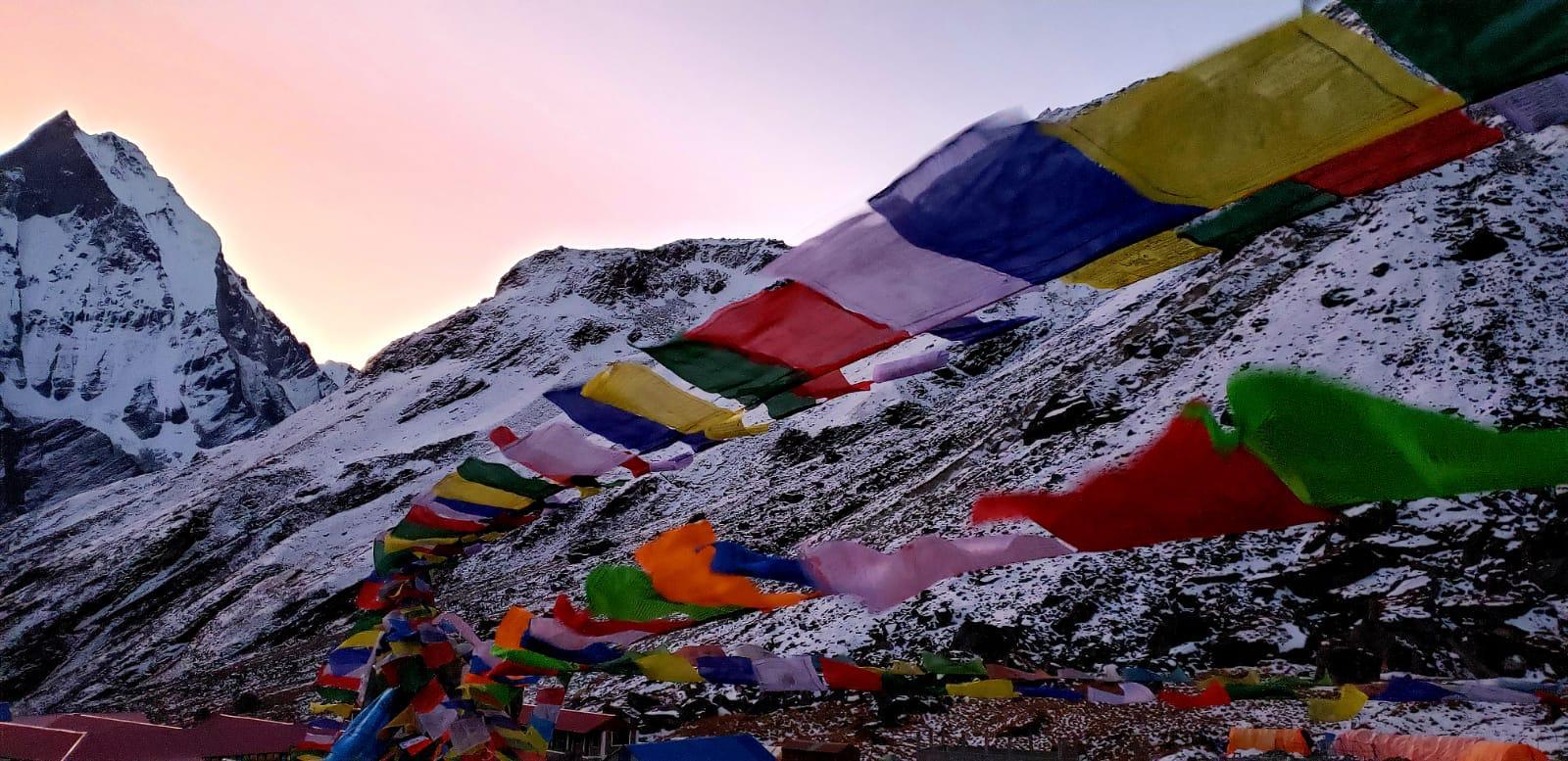


Manaslu Circuit Trek Cost Breakdown (Updated for 2026/2027), this comprehensive guide explains every expense you should expect while planning trip , helping you create a realistic budget and avoid unexpected costs.
The Manaslu Circuit Trek has become one of Nepal’s most sought-after trekking adventures for travelers looking to experience the Himalayas away from the busy trails of Everest and Annapurna. Encircling the world’s eighth-highest mountain, Mt. Manaslu (8,163 m), this spectacular journey takes trekkers through lush river valleys, ancient Tibetan-influenced villages, dense forests, alpine meadows, and across the challenging Larke Pass (5,106 m).
One of the first questions every traveler asks is:
“How much does the Manaslu Circuit Trek cost?”
The answer depends on several factors, including the season, itinerary length, transportation choices, accommodation preferences, group size, and the services included in your package. Since the Manaslu region is a restricted area, every trekker must obtain special permits and trek with a licensed guide through a registered trekking agency, making it slightly more expensive than some other trekking routes in Nepal.
The good news is that despite these additional requirements, the Manaslu Circuit Trek remains excellent value for money. Compared to many high-altitude trekking destinations around the world, it offers breathtaking Himalayan scenery, rich cultural experiences, and a true wilderness adventure at a reasonable cost.
How Much Does the Manaslu Circuit Trek Cost in 2026/2027?
For most international travelers, the total cost of the Manaslu Circuit Trek typically ranges between:
Budget Trek: USD 900–1,200 per person
Standard Guided Trek: USD 1,250–1,700 per person
Premium Trek: USD 1,800–2,500+ per person
The final price depends on factors such as:
- Number of trekking days
- Group size
- Transportation method
- Hotel category in Kathmandu
- Meals included
- Number of porters
- Private vs shared services
- Side trips (such as Tsum Valley or Manaslu Base Camp)
- Time of year
Travelers joining a larger group generally enjoy lower per-person costs because expenses such as guide services, transportation, and permits are shared among participants.
Manaslu Circuit Trek Cost Breakdown: Quick Cost Summary
Before diving into each expense, here’s a general estimate of what you can expect.
Major Expense Categories
- Restricted Area Permit
- Manaslu Conservation Area Permit (MCAP)
- Annapurna Conservation Area Permit (ACAP)
- Licensed trekking guide
- Porter (optional but recommended)
- Transportation
- Accommodation
- Meals
- Drinking water
- Hot showers
- Wi-Fi and charging
- Equipment rental
- Travel insurance
- Nepal visa
- Guide and porter tips
Each of these costs contributes differently to your overall trekking budget.
Manaslu Circuit Trek Cost Breakdown: Permit Costs
Permit fees are one of the biggest differences between the Manaslu Circuit Trek and other trekking routes in Nepal.
Because the Manaslu region is classified as a Restricted Area, trekkers must obtain multiple permits before beginning the trek.
1. Restricted Area Permit (RAP)
This is the mandatory permit required for entering the restricted section between Jagat and Dharapani.
The permit fee varies depending on the trekking season.
Autumn Season (September to November)
USD 100 per person for the first 7 days
USD 15 per person for each additional day
Spring, Winter & Monsoon
USD 75 per person for the first 7 days
USD 10 per additional day
Since most trekkers spend around 7 days within the restricted area, the standard permit cost usually falls within these rates.
2. Manaslu Conservation Area Permit (MCAP)
Every trekker must also purchase the Manaslu Conservation Area Permit.
Cost:
USD 30 per person
This permit supports conservation efforts, trail maintenance, wildlife protection, and community development throughout the Manaslu Conservation Area.
3. Annapurna Conservation Area Permit (ACAP)
After crossing Larke Pass, the trail enters the Annapurna Conservation Area.
Therefore, trekkers also require:
ACAP Fee
USD 30 per person
Total Permit Cost
For most trekkers during the peak season, the total permit cost is approximately:
Restricted Area Permit
MCAP
ACAP
Estimated Total: around USD 160 per person
If your itinerary includes Tsum Valley, additional restricted area permit fees will apply.
Why Are Guides Mandatory?
Unlike Everest Base Camp or Annapurna Base Camp, independent trekking is not permitted in the Manaslu Restricted Area.
Nepal’s regulations require every trekker to:
Trek through a registered trekking company
Be accompanied by a licensed guide
Obtain permits through the trekking agency
Travel with a minimum of two trekkers (although agencies can often arrange permit processing for solo travelers by pairing permits where permitted under current regulations)
These rules help improve safety, support local communities, and protect the environmentally sensitive region.
Manaslu Circuit Trek Cost Breakdown: Guide Costs
Hiring a licensed guide is one of the most important investments during your trek.
A professional guide not only ensures compliance with regulations but also provides valuable knowledge about local culture, trail conditions, weather, altitude, and emergency procedures.
Typical Daily Cost
USD 35–45 per day
This generally includes:
- Guide salary
- Insurance
- Food
- Accommodation
- Government taxes
For a typical 14-day trek, guide costs generally range between:
USD 490–630
When trekking in a group, this expense is shared, significantly reducing the cost per person.
Manaslu Circuit Trek Cost Breakdown: Porter Costs
Although hiring a porter is optional, it is highly recommended.
The Manaslu Circuit involves long trekking days, significant elevation gain, and crossing Larke Pass (5,106 m). Carrying a heavy backpack can quickly become exhausting, especially at high altitude.
A porter allows you to enjoy the trek with a lighter daypack while safely transporting your main luggage.
Average Porter Cost
USD 25–35 per day
One porter generally carries:
Up to 20 kg total
Shared between two trekkers whenever possible
For a standard itinerary:
Estimated porter cost: USD 350–490
Sharing a porter with another trekker makes this service very affordable.
Manaslu Circuit Trek Cost Breakdown: Transportation Costs
The Manaslu Circuit does not begin with a domestic flight. Instead, trekkers travel overland from Kathmandu to the trailhead and return by road after completing the trek.
Transportation costs vary depending on the level of comfort you choose.
Kathmandu to Machha Khola
This is the starting point for most Manaslu Circuit itineraries.
Local Bus
Approximately USD 15–25
Pros:
Cheapest option
Authentic local experience
Cons:
Crowded
Longer travel time
Less comfortable
Shared Jeep
Approximately USD 35–60
Pros:
Faster
More comfortable
Popular among trekkers
Private Jeep
Approximately USD 180–250 per vehicle
Ideal for:
Families
Private groups
Travelers wanting maximum comfort and flexibility
The cost becomes much more reasonable when shared among several people.
Dharapani to Kathmandu
After completing the trek, transportation typically includes:
Jeep from Dharapani to Besisahar
Jeep or tourist bus from Besisahar to Kathmandu
Estimated Cost
Shared transportation: USD 30–50
Private transportation: considerably higher depending on vehicle type and group size
Total Transportation Budget
Most trekkers spend approximately:
Budget: USD 50–80
Comfortable Option: USD 100–200
Private Transfers: USD 250–500 (shared among group members)
Although the roads can be rough in some sections, recent infrastructure improvements have made access to the Manaslu region easier than ever before.
Manaslu Circuit Trek Cost Breakdown: Accommodation Costs
Unlike the Everest region, where luxury lodges are becoming increasingly common, accommodation along the Manaslu Circuit remains simple and authentic. Most trekkers stay in locally operated teahouses, which provide a warm bed, home-cooked meals, and a chance to experience the hospitality of mountain communities.
Rooms are generally basic and include:
Two single beds with a mattress, pillow, and blanket
Shared bathrooms
A communal dining hall heated by a stove during the evenings
Limited electricity and basic facilities
As you gain altitude, teahouses become more remote, making supplies more expensive to transport. While accommodation itself is relatively affordable, food becomes the primary source of income for lodge owners.
Typical Accommodation Prices
Lower elevations: USD 5–10 per room
Mid-altitude villages: USD 8–15 per room
Higher elevations (Samagaun, Samdo, Dharmasala): USD 10–20 per room
Many trekking packages include accommodation throughout the trek, simplifying your travel planning.
Manaslu Circuit Trek Cost Breakdown: Food and Drinks Cost
One of the biggest daily expenses on the Manaslu Circuit is food. Since every ingredient is transported by porters, mules, or helicopters to remote villages, prices increase as you climb higher.
A typical trekking day includes:
Breakfast
Lunch
Dinner
Tea or coffee
Snacks
Breakfast Prices
Common breakfast options include:
Tibetan bread
Chapati
Pancakes
Porridge
Eggs
Muesli
Toast
Tea or coffee
Estimated Cost: USD 5–10
Lunch and Dinner Prices
Popular meals include:
Dal Bhat (rice, lentils, vegetables, and curry)
Fried rice
Noodles
Pasta
Momos
Sherpa stew
Potato dishes
Fried potatoes with eggs
Soups
Estimated Cost per meal: USD 7–12
Dal Bhat remains the most popular choice among trekkers because it is nutritious, filling, and often comes with free refills of rice and lentil soup at many teahouses.
Daily Food Budget
Most trekkers spend approximately:
Budget: USD 20–25 per day
Average: USD 25–35 per day
Comfortable: USD 35–45 per day (including snacks and drinks)
For a 14-day trek, food expenses generally total:
USD 300–500
If your trekking package includes all meals, these costs are already covered.
Manaslu Circuit Trek Cost Breakdown: Drinking Water Costs
Staying hydrated is essential for acclimatization and overall health at high altitude.
Trekkers have several options::
Boiled Water
Available at nearly every teahouse.
Cost: USD 1–4 per liter
Bottled Water
Available in most villages but becomes increasingly expensive at higher elevations.
Cost: USD 1–5 per bottle
Purchasing bottled water also contributes to plastic waste, so many trekkers prefer more sustainable alternatives.
Water Purification
Many experienced trekkers carry:
Water purification tablets
Water purification drops
Portable water filters
UV purification devices
Although there is an initial investment, these options significantly reduce daily expenses and minimize environmental impact.
Manaslu Circuit Trek Cost Breakdown: Tea, Coffee and Snacks
Mountain weather often encourages trekkers to enjoy hot drinks throughout the day.
Typical prices include:
Black tea: USD 1–3
Milk tea: USD 2–4
Coffee: USD 2–5
Hot chocolate: USD 3–6
Popular snacks include:
Chocolate bars
Cookies
Chips
Energy bars
Instant noodles
Expect snack prices to increase noticeably above Samagaun due to transportation costs.
Hot Showers
After a long day of trekking, a hot shower can be a welcome luxury.
Most teahouses offer:
Gas-heated showers
Solar-heated showers (weather permitting)
Typical Cost:
USD 3–7 per shower
At higher elevations, hot showers may not always be available due to freezing temperatures or limited fuel supplies.
Wi-Fi and Mobile Connectivity
The Manaslu region is remote, so internet access is limited and often slower than in more developed trekking areas.
Many lodges offer Wi-Fi for an additional fee.
Wi-Fi Cost
USD 2–5 per use
Nepali SIM cards from providers such as Nepal Telecom (NTC) and Ncell offer mobile coverage in some lower villages, but connectivity becomes unreliable at higher elevations.
Many trekkers choose to disconnect and fully enjoy the mountain experience.
Charging Electronic Devices
Electricity is available in most villages, but charging your devices usually comes with an extra fee.
Typical prices:
Phone charging: USD 2–4
Camera batteries: USD 3–5
Power banks: USD 3–5
Bringing a high-capacity power bank is an excellent way to reduce these costs and ensure your devices remain charged throughout the trek.
Equipment Rental Costs
If you don’t own trekking gear, Kathmandu offers numerous rental shops where you can hire quality equipment at affordable prices.
Common rental rates include:
Down jacket: USD 2–3 per day
Sleeping bag: USD 2–3 per day
Trekking poles: USD 1–2 per day
Crampons (occasionally needed in snowy conditions): USD 2–5 per day
For a two-week trek, renting gear is often more economical than purchasing new equipment.
Nepal Visa Fee
Most international visitors require a tourist visa to enter Nepal.
Current visa fees are:
15 days: USD 30
30 days: USD 50
90 days: USD 125
As many Manaslu Circuit itineraries last between 14 and 18 days, a 30-day visa is the most common choice, especially if you plan to spend additional time sightseeing in Kathmandu or Pokhara.
Travel Insurance
Travel insurance is one of the most important parts of your trekking budget.
Because the Manaslu Circuit reaches elevations above 5,000 meters, your policy should specifically cover:
High-altitude trekking
Emergency helicopter evacuation
Medical treatment
Trip interruption
Personal belongings
Insurance costs vary depending on:
Your country of residence
Age
Trip duration
Coverage limits
Most trekkers can expect to pay between USD 100 and USD 250 for comprehensive coverage.
Choosing a policy based solely on price can be risky. Always confirm that trekking above 5,000 meters and helicopter rescue are included before purchasing.
Tips for Guides and Porters
Tipping is not mandatory in Nepal, but it is a long-standing tradition and a meaningful way to recognize the hard work of your trekking team.
A general guideline is:
Guide: USD 8–15 per day (shared by the group)
Porter: USD 5–10 per day (shared by the group)
The final amount depends on the quality of service, group size, and your overall experience.
Other Miscellaneous Expenses
Don’t forget to budget for a few additional items:
Soft drinks
Beer and alcoholic beverages
Extra snacks
Souvenirs
Laundry in Kathmandu
Extra hotel nights (if required)
Donations at monasteries
Personal medications
Emergency cash
Setting aside USD 100–200 for incidental expenses can provide peace of mind throughout your trip.
Estimated Daily Budget on the Trail
If you’re not on an all-inclusive package, here’s a rough estimate of daily expenses during the trek:
Accommodation: USD 5–20
Meals: USD 20–35
Drinking water: USD 3–8
Tea/Coffee/Snacks: USD 3–10
Hot shower: USD 3–7
Charging devices: USD 2–5
Wi-Fi: USD 2–5
Estimated daily total: USD 40–80, depending on your spending habits and the altitude.
Budget Comparison, Money-Saving Tips, FAQs & Final Thoughts
By now, you should have a clear understanding of the major expenses involved in planning the Manaslu Circuit Trek. While the total cost varies from one traveler to another, choosing the right itinerary and trekking package can help you maximize your experience without exceeding your budget.
In this final section, we’ll compare different budget options, explore the factors that influence the overall cost, and answer some of the most frequently asked questions about trekking around Mt. Manaslu.
Budget vs. Standard vs. Premium Trek Cost
Your overall trekking budget depends largely on the level of comfort and services you choose. While all trekkers follow the same spectacular trail, the experience can vary significantly depending on accommodation in Kathmandu, transportation, group size, and additional services.
Budget Trek (USD 900–1,200)
Ideal for travelers who want to keep expenses low while still enjoying a fully guided trek.
A budget package generally includes:
- Required trekking permits
- Licensed guide
- Shared porter
- Local bus or shared jeep transportation
- Basic teahouse accommodation
- Standard meals during the trek
This option is popular among backpackers and experienced trekkers who don’t mind simple facilities.
Standard Trek (USD 1,250–1,700)
The most popular choice among international trekkers.
Typically includes:
- Airport transfers
- Hotel accommodation in Kathmandu
- Private or shared jeep transportation
- All permits
- Experienced licensed guide
- Porter service
- Teahouse accommodation
- Three meals per day during the trek
- Government taxes and service charges
For most travelers, this option offers the best balance between comfort, safety, and value.
Premium Trek (USD 1,800–2,500+)
Designed for those seeking additional comfort and personalized services.
A premium package may include:
- Boutique or luxury hotel in Kathmandu
- Private transportation throughout the trip
- Personal porter
- Smaller private groups
- Flexible itinerary
- Higher staff-to-client ratio
- Additional sightseeing
- Premium customer support
Although the trekking accommodation remains relatively basic due to the remote location, the overall travel experience is significantly more comfortable.
Sample Cost Breakdown
Solo Trekker
If traveling alone through a registered trekking agency, expect to pay approximately:
Permits: USD 160
Guide: USD 600
Shared porter arrangement (where available): USD 200–250
Transportation: USD 120
Accommodation & meals: USD 450
Miscellaneous expenses: USD 150
Estimated Total: USD 1,600–1,900
Solo travelers generally pay more because guide and transportation costs are not shared.
Two Trekkers
Traveling as a pair helps reduce individual expenses.
Typical cost per person:
Permits
Shared guide
Shared porter
Shared transportation
Accommodation
Meals
Estimated Total: USD 1,250–1,500 per person
Group of Four or More
Larger groups benefit from the lowest per-person cost because expenses such as guides, transportation, and logistics are distributed among more participants.
Typical cost:
USD 1,000–1,300 per person
What Factors Affect the Cost?
Several factors can increase or decrease the total cost of your Manaslu Circuit Trek.
1. Trek Duration
A longer itinerary means additional expenses for:
Accommodation
Meals
Guide wages
Porter wages
Extra permit days (if applicable)
Adding side trips such as Tsum Valley or Manaslu Base Camp will naturally increase the overall budget.
2. Group Size
The more people in your group, the lower the cost per person.
Many expenses—including transportation and guide fees—can be shared, making group trekking more economical.
3. Transportation Choice
Choosing a local bus is the cheapest option, while a private jeep provides greater comfort and flexibility at a higher cost.
4. Trekking Season
Although accommodation prices remain relatively stable, the Restricted Area Permit costs vary by season.
Autumn has higher permit fees than spring, winter, and monsoon, making it slightly more expensive overall.
5. Personal Spending Habits
Your daily expenses can vary depending on how often you purchase:
Coffee
Soft drinks
Snacks
Alcohol
Wi-Fi
Hot showers
Battery charging
Souvenirs
Limiting these optional purchases can noticeably reduce your total expenditure.
How to Save Money on the Manaslu Circuit Trek
If you’re looking to keep costs manageable without compromising safety, consider the following tips:
Join a Small Group
Joining a group allows you to share transportation, guide fees, and porter services, significantly lowering your individual costs.
Share a Porter
One porter can usually carry up to 20 kg for two trekkers, making this a cost-effective option.
Bring Reusable Water Bottles
Using water purification tablets or a portable filter reduces the need to purchase bottled water and helps protect the environment.
Rent Equipment in Kathmandu
Instead of buying expensive trekking gear, rent items such as down jackets, sleeping bags, and trekking poles from reputable shops in Kathmandu.
Pack Wisely
Bringing all the essentials from home helps avoid paying higher prices for gear in tourist areas or remote villages.
Book with a Reliable Local Operator
A reputable local trekking company often provides better value than international resellers by offering transparent pricing and direct local support.
Is the Manaslu Circuit Trek Worth the Cost?
Absolutely.
Although the Manaslu Circuit Trek is slightly more expensive than some other trekking routes due to mandatory permits and guide requirements, it offers exceptional value for travelers seeking an authentic Himalayan experience.
Highlights include:
- Fewer crowds than Everest and Annapurna
- Spectacular views of Mt. Manaslu (8,163 m)
- Traditional Tibetan Buddhist villages
- Diverse landscapes from subtropical forests to alpine terrain
- Crossing the iconic Larke Pass (5,106 m)
- Rich cultural experiences and warm local hospitality
For many trekkers, the combination of breathtaking scenery, cultural immersion, and remote wilderness makes every dollar well spent.
Frequently Asked Questions (FAQs)
How much does the Manaslu Circuit Trek cost in 2026/2027?
Most trekkers spend between USD 1,250 and USD 1,700 for a standard guided package. Budget options start around USD 900, while premium private trips can exceed USD 2,500.
Why is the Manaslu Circuit more expensive than some other treks?
The region is a restricted area that requires special permits and a licensed guide. These mandatory requirements increase the overall cost but also help protect the area’s environment and cultural heritage.
Can I trek the Manaslu Circuit independently?
No. Independent trekking is not permitted in the restricted section of the Manaslu region. Trekkers must arrange the trek through a registered trekking agency and be accompanied by a licensed guide.
Are meals included in trekking packages?
Many standard and premium packages include three meals a day during the trek. Always check the package details before booking, as inclusions can vary between operators.
Should I hire a porter?
While not mandatory, hiring a porter is highly recommended. Carrying a lighter daypack allows you to enjoy the trek more comfortably and conserve energy, especially at higher altitudes.
How much extra cash should I bring?
Even on an all-inclusive package, it’s wise to carry USD 150–300 in cash for personal expenses such as drinks, snacks, hot showers, Wi-Fi, charging, and tips. There are no ATMs along the trekking route.
Final Thoughts
The Manaslu Circuit Trek is more than just a journey around one of the world’s highest mountains it’s an unforgettable adventure through some of Nepal’s most pristine landscapes and culturally rich mountain communities.
While the total cost depends on your travel style, group size, and itinerary, planning your budget in advance ensures a smoother and more enjoyable experience. From permits and transportation to accommodation and daily expenses, understanding each cost component allows you to make informed decisions and avoid unexpected surprises.
Whether you’re a seasoned trekker or embarking on your first Himalayan adventure, investing in a well-organized Manaslu Circuit Trek offers incredible value. With fewer crowds, dramatic mountain scenery, welcoming local communities, and the rewarding challenge of crossing Larke Pass (5,106 m), it’s an experience that will stay with you long after you leave the mountains.
If you’re planning your Manaslu Circuit Trek in 2026 or 2027, choosing an experienced local operator can make all the difference. A trusted trekking company will handle permits, logistics, transportation, accommodation, and guide services—allowing you to focus on enjoying one of Nepal’s most spectacular trekking routes.