

8 Amazing Reasons Langtang Valley Trek Is Worth It. Nestled north of Kathmandu and surrounded by some of Nepal’s most spectacular Himalayan landscapes, Langtang Valley is one of the country’s most rewarding trekking destinations. Despite being relatively close to the capital, the valley feels wonderfully remote, with snow-capped peaks, ancient villages, dense forests, high-altitude meadows, and centuries-old Tamang culture shaping the journey.
The Langtang Valley Trek is also an excellent choice for travelers who want a genuine Himalayan experience without committing to the longer and more demanding routes of the Everest or Annapurna regions.
From walking through rhododendron forests to reaching the dramatic viewpoint of Tserko Ri,
Here are 8 amazing reasons Langtang Valley Trek is worth it
1. It Offers Stunning Himalayan Views

One of the biggest attractions of the Langtang Valley Trek is its impressive mountain scenery.
As you gain altitude, the landscape gradually opens to reveal spectacular peaks including Langtang Lirung (7,227 m), Langtang II, Yala Peak, Dorje Lakpa, and other surrounding mountains.
The scenery constantly changes throughout the trek. Lower sections take you through lush forests and river valleys, while higher elevations offer rugged cliffs, glaciers, alpine meadows, and expansive Himalayan panoramas.
For photographers and mountain lovers, the combination of dramatic peaks and traditional villages makes Langtang particularly rewarding.
2. You Can Experience Authentic Tamang Culture
Langtang is not just about mountains. Its Tamang heritage cultural is one of the highlights of the trek.
Many communities in the region have strong Tamang cultural traditions, reflected in their architecture, language, clothing, food, monasteries, and daily life.
Villages such as Lama Hotel, Langtang Village, and Kyanjin Gompa provide opportunities to experience mountain life beyond the typical tourist trail.
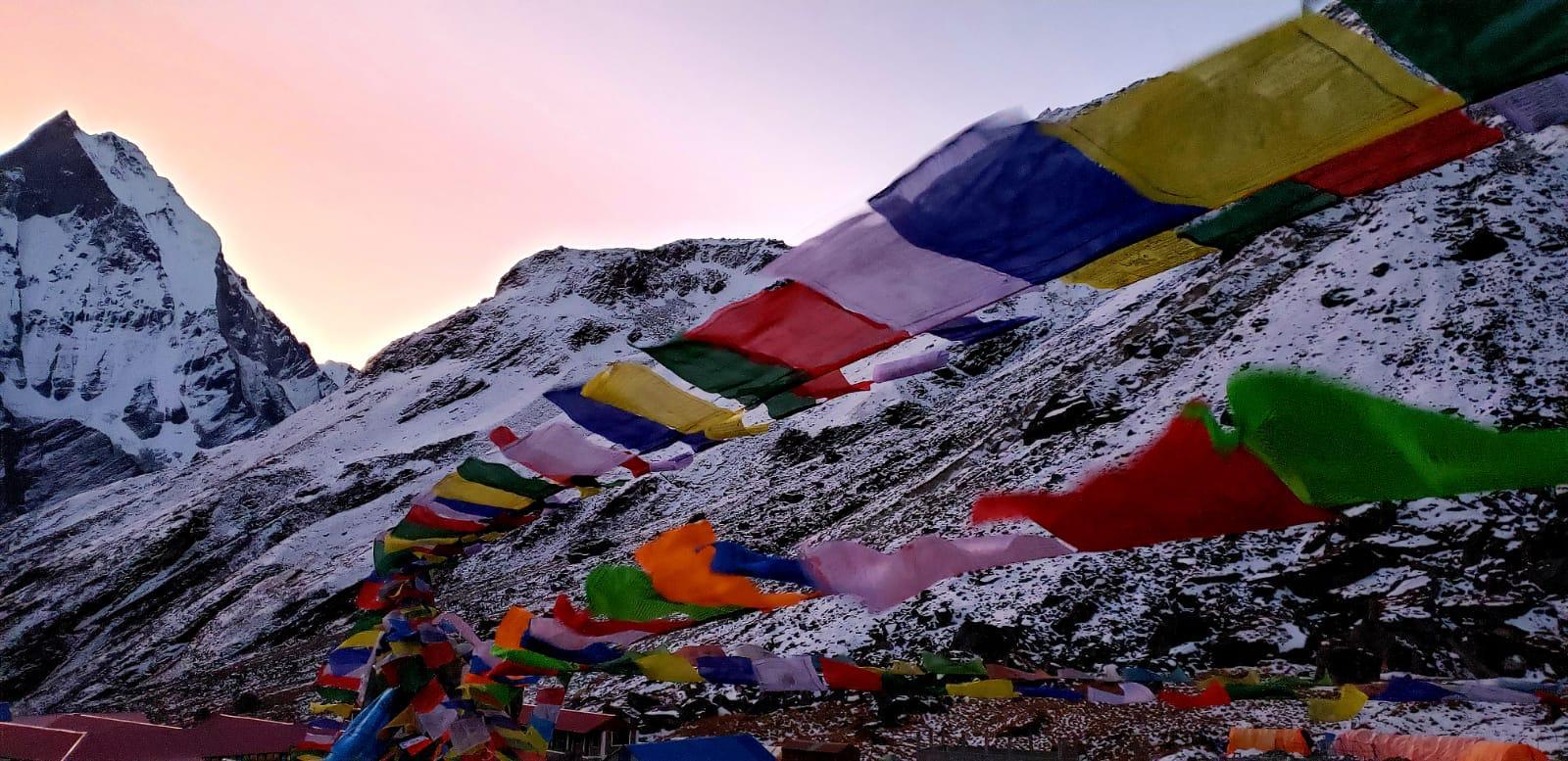
You may see prayer flags fluttering above stone houses, mani walls decorated with Buddhist inscriptions, and prayer wheels turning beside the trail.
This cultural element gives the trek a deeper sense of place you are not simply walking through the Himalayas; you are traveling through a living mountain community.
3. The Trek Is Relatively Accessible From Kathmandu
Another major advantage of Langtang is its accessibility.
The traditional starting point, Syabrubesi, can be reached by road from Kathmandu. This means trekkers do not need to take a domestic mountain flight to begin their adventure.
The road journey itself offers a fascinating transition from Kathmandu’s urban environment into Nepal’s rural hills and mountain landscapes.
For travelers with limited time in Nepal, this makes Langtang an attractive alternative to longer Himalayan treks.
4. Kyanjin Gompa Is an Incredible Destination

Reaching Kyanjin Gompa is one of the defining moments of the Langtang Valley Trek.
Situated at approximately 3,870 meters, Kyanjin is surrounded by spectacular Himalayan scenery and serves as the main acclimatization and exploration point in the upper valley.
Rather than simply arriving at the village and turning around, trekkers can spend an extra day exploring the surrounding area.
Popular excursions include:
Tserko Ri – a challenging viewpoint offering spectacular mountain panoramas
Kyanjin Ri – a shorter alternative with excellent views
Langshisha Kharka – a longer excursion into the upper valley
Langtang Glacier – an opportunity to see the dramatic glacial landscape
The extra day around Kyanjin can transform the trek from a simple valley walk into a much more immersive Himalayan adventure.
5. You Walk Through Diverse Landscapes
The Langtang Valley Trek is surprisingly diverse for a relatively compact route.
The trail passes through several distinct environments, including:
Subtropical forests → Rhododendron forests → Alpine landscapes → Glacial terrain
Lower sections are characterized by lush vegetation and rushing rivers. As the trail climbs, forests become dominated by pine, oak, birch, and rhododendron.
Higher up, trees gradually disappear and the landscape becomes more rugged and alpine.
This variety keeps the trek visually interesting because every few hours can bring a completely different environment.
6. Langtang Has a Rich Buddhist Heritage
Buddhism is deeply connected to the identity of the Langtang region.
Throughout the trek, you will encounter mani walls, prayer wheels, chortens, monasteries, and colorful prayer flags.
Kyanjin Gompa is particularly significant, providing trekkers with a chance to experience the spiritual atmosphere of the high Himalayas.
The trail also follows ancient cultural traditions that have shaped the communities of the region for generations.
For travelers interested in combining trekking with culture and spirituality, this is one of Langtang’s strongest attractions.
7. It Can Be Less Crowded Than Everest and Annapurna
The Everest Base Camp and Annapurna trekking routes are famous worldwide—and for good reason but their popularity also means that some sections can become busy during peak trekking seasons.
Langtang generally offers a quieter experience.
You still meet fellow trekkers along the trail, particularly during the spring and autumn seasons, but the overall atmosphere can feel more peaceful and intimate.
For travelers who prefer mountains, nature, and local communities over busy trekking hubs, Langtang can be an excellent choice.
8. You Can Complete a Himalayan Adventure in a Shorter Time
Not everyone has two or three weeks available for a Himalayan trek.
The classic Langtang Valley Trek can generally be completed in around 7–10 trekking days, depending on the itinerary, transportation arrangements, acclimatization days, and optional side trips.
A typical itinerary might include:
Kathmandu → Syabrubesi → Lama Hotel → Langtang Village → Kyanjin Gompa → exploration day → return to Syabrubesi → Kathmandu
This makes Langtang particularly appealing for travelers who want a meaningful Himalayan trekking experience while working with a limited vacation schedule.
When Is the Best Time to Trek Langtang Valley?
The best seasons for the Langtang Valley Trek are generally spring and autumn.
Spring: March to May
Spring brings relatively stable weather, clear mountain views, and colorful rhododendron forests.
April and May can be particularly beautiful when rhododendrons are in bloom.
Autumn: September to November
Autumn is widely considered one of the best trekking seasons in Nepal.
The monsoon has generally cleared the atmosphere, creating excellent mountain visibility, while daytime trekking conditions are usually comfortable.
Winter: December to February
Winter trekking is possible, but temperatures can become very cold at higher elevations and snowfall may affect the trail around Kyanjin Gompa and the high viewpoints.
Monsoon: June to August
The monsoon brings heavy rainfall, cloudy mountain views, muddy trails, and a greater risk of landslides in some areas. However, experienced trekkers may still find the region rewarding during this period.
How Difficult Is the Langtang Valley Trek?
The Langtang Valley Trek is generally considered a moderate-level Himalayan trek.
You do not need technical mountaineering skills for the standard route, but you should be prepared for several consecutive days of walking and significant elevation gain.
The biggest challenge is altitude.
Starting from the lower valley and gradually climbing toward Kyanjin Gompa gives your body time to adjust. A well-planned itinerary should include appropriate acclimatization and avoid unnecessarily rapid altitude gain.
Regular walking, stair climbing, hiking, and cardiovascular exercise in the weeks before your trip can help prepare you for the trek.
What Makes Langtang Valley Trek Different?
Langtang’s greatest strength is its balance.
You get mountains without an extremely long expedition, culture without leaving the trekking route, remote landscapes without complicated logistics, and adventure without technical climbing.
It is an excellent option for first-time Himalayan trekkers as well as experienced hikers looking for a shorter alternative to Nepal’s more famous routes.
Final Thoughts on Langtang Valley Trek
The Langtang Valley Trek may not have the global fame of Everest Base Camp, but that is precisely part of its appeal.
From the first mountain views to the traditional villages, Buddhist heritage, alpine landscapes, and spectacular surroundings of Kyanjin Gompa, the trek offers an impressive variety of experiences within a relatively short journey.
If you are looking for a Himalayan adventure that combines spectacular scenery, authentic culture, manageable logistics, and a quieter trekking atmosphere, Langtang Valley is absolutely worth considering.
Eight reasons may be enough to explain why Langtang is worth it but experiencing the valley for yourself is even better.