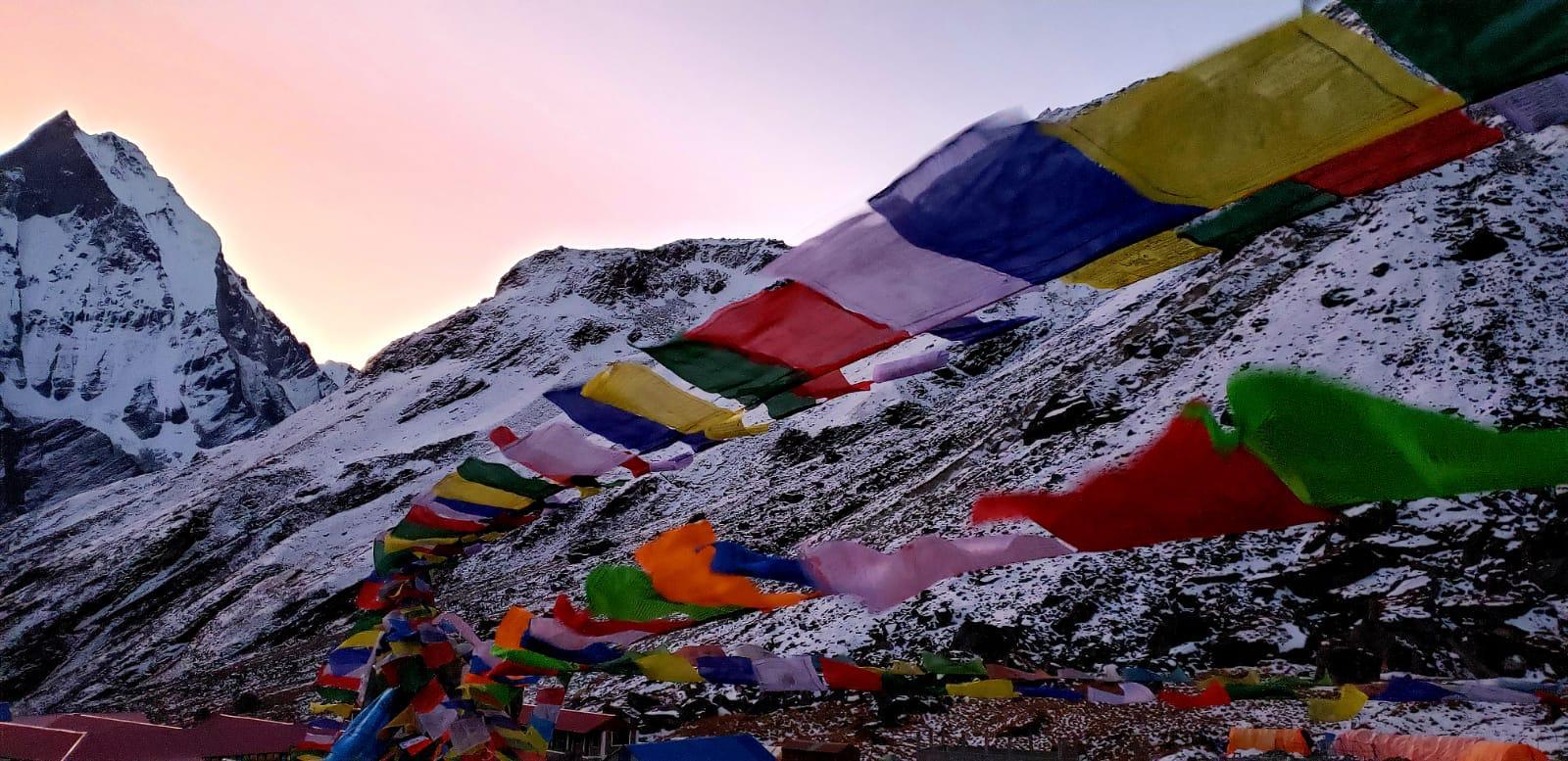


Nar Phu Valley Trek Guide 2026: Everything you need to know before you go. Hidden deep within Nepal’s Annapurna region lies one of the country’s most remarkable trekking destinations. Unlike the bustling trails of Everest Base Camp or the Annapurna Circuit, Nar Phu offers an experience that feels untouched by time. Ancient stone villages, Tibetan Buddhist culture, dramatic canyons, colorful prayer flags, medieval monasteries, and snow-covered Himalayan peaks create an unforgettable journey for trekkers seeking adventure beyond the ordinary.
Opened to foreign trekkers only in 2003, Nar Phu Valley remains a restricted area, preserving its unique traditions and pristine landscapes. The trail passes through narrow gorges, alpine meadows, yak pastures, glacial rivers, and high mountain passes before reconnecting with the Annapurna Circuit. Every day reveals a new landscape and a deeper appreciation of the resilience and heritage of the local communities.
Whether you’re an experienced trekker searching for a quieter alternative to Nepal’s classic routes or an adventurer eager to discover hidden Himalayan valleys, the Nar Phu Valley Trek is a rewarding choice. This guide covers everything you need to know from the route and itinerary to difficulty, permits, costs, and preparation.
Nar Phu Valley Trek Guide 2026: Quick Facts about the Nar Phu Valley Trek
Trek Overview
Region: Annapurna, Nepal
Duration: 10–14 days
Maximum Altitude: Kang La Pass (5,320 m)
Trek Difficulty: Challenging
Accommodation: Tea houses
Best Seasons: Spring (March–May) and Autumn (September–November)
Restricted Area: Yes
Guide Required: Yes
Starting Point: Koto
Ending Point: Ngawal or Manang
Nar Phu Valley Trek Guide 2026: Where Is Nar Phu Valley?

Nar Phu Valley is located in the northern part of the Annapurna region, close to Nepal’s border with Tibet. The valley branches off from the Annapurna Circuit at the village of Koto, leading trekkers into a secluded landscape where traditional Tibetan culture has flourished for centuries.
The valley is named after its two main settlements—Nar and Phu. These villages are home to communities that continue to practice ancient customs, maintain centuries-old monasteries, and live according to traditions shaped by the rugged Himalayan environment.
Because of its remote location and restricted access, Nar Phu has escaped large-scale tourism. Visitors are rewarded with peaceful trails, authentic cultural encounters, and breathtaking mountain scenery rarely found on Nepal’s more popular trekking routes.
Nar Phu Valley Trek Guide 2026: Why Choose the Nar Phu Valley Trek?
Many trekkers dream of Everest Base Camp or the Annapurna Base Camp, but Nar Phu Valley offers something different: solitude, authenticity, and a deeper connection with Himalayan life.
1. Experience Authentic Tibetan Culture
Nar and Phu villages have preserved their unique cultural identity for generations. Visitors can observe traditional stone houses, spinning prayer wheels, ancient chortens, Buddhist monasteries, and daily life that has changed very little over time.
Unlike heavily visited trekking routes, cultural interactions here feel genuine and unhurried.
2. Escape the Crowds
One of Nar Phu Valley’s greatest attractions is its tranquility. Even during peak trekking seasons, you may spend hours walking without encountering large groups of trekkers.
This peaceful atmosphere allows you to appreciate the sounds of rushing rivers, fluttering prayer flags, and the quiet grandeur of the Himalayas.
3. Incredible Mountain Views
The trek offers spectacular panoramas of several iconic Himalayan peaks, including:
- Annapurna II
- Gangapurna
- Himlung Himal
- Tilicho Peak
- Pisang Peak
- Chulu East
- Chulu West
Crossing Kang La Pass provides one of the finest viewpoints in the Annapurna region.
4. Diverse Landscapes

The scenery changes dramatically throughout the journey. Trekkers pass through:
- Dense pine forests
- Narrow river gorges
- Waterfalls
- High alpine meadows
- Glacial valleys
- Ancient stone villages
- Windswept mountain passes
Every day feels different, making the trek continuously engaging.
5. Rich Wildlife
The remote environment supports wildlife rarely seen on busier trekking routes. Lucky trekkers may spot:
- Blue sheep
- Himalayan griffons
- Marmots
- Himalayan tahr
- Snow leopard tracks (very rarely)
Birdwatchers will also enjoy the variety of Himalayan bird species found throughout the valley.
Nar Phu Valley Trek Guide 2026: Nar Phu Valley Trek Route
The adventure usually begins with a drive from Kathmandu to Besisahar, followed by another drive to Koto. From Koto, the trail leaves the Annapurna Circuit and enters the restricted Nar Phu Valley.
The route follows the Phu Khola through dramatic canyons before reaching Meta, an important acclimatization point. Trekkers then continue to the beautiful village of Phu, where an extra day is often spent exploring and adapting to the altitude.
The trail then heads toward Nar village before climbing to Kang La Pass at 5,320 meters. After crossing the pass, the route descends to Ngawal, where it reconnects with the Annapurna Circuit.
This combination of remote valleys and high mountain crossings makes the trek both challenging and rewarding.
Suggested 11-Day Nar Phu Valley Trek Itinerary
Day 1: Kathmandu to Besisahar
Your journey begins with a scenic drive through Nepal’s hills and river valleys. Overnight in Besisahar.
Day 2: Drive to Koto
Travel along rugged mountain roads to Koto, the gateway to Nar Phu Valley. Your permits are checked here before entering the restricted area.
Day 3: Trek to Meta
The trail follows forests, suspension bridges, and deep river gorges before reaching the small settlement of Meta.
Walking time: 6–7 hours.
Day 4: Trek to Phu Village
Today’s trek passes ancient ruins, yak pastures, prayer walls, and remote Himalayan scenery before arriving at the impressive village of Phu.
Walking time: 6–7 hours.
Day 5: Acclimatization Day in Phu
Spend the day exploring the village, visiting local monasteries, or hiking to nearby viewpoints. This rest day helps reduce the risk of altitude-related illness before heading higher.
Day 6: Trek to Nar Village
The route crosses suspension bridges and rugged trails before reaching Nar, another traditional Tibetan village surrounded by dramatic mountain scenery.
Walking time: 6–7 hours.
Day 7: Cross Kang La Pass (5,320 m) and Descend to Ngawal
This is the most demanding and rewarding day of the trek. An early start is essential for the climb to Kang La Pass, where panoramic Himalayan views await. After enjoying the scenery, descend to Ngawal.
Walking time: 8–9 hours.
Day 8: Trek to Manang
Enjoy a relatively easier walk to Manang, a lively mountain village with bakeries, cafés, and impressive mountain views.
Day 9: Drive to Besisahar
Travel back through the Marsyangdi Valley.
Day 10: Return to Kathmandu
Drive back to Kathmandu and celebrate the completion of your adventure.
Nar Phu Valley Trek Guide 2026: How Difficult Is the Nar Phu Valley Trek?
The Nar Phu Valley Trek is considered challenging due to its combination of high altitude, long trekking days, and remote terrain. While the route does not require technical climbing skills, it demands good physical fitness and careful preparation.
Several factors contribute to its difficulty:
High Altitude
The trek reaches 5,320 meters at Kang La Pass. At this elevation, the air contains significantly less oxygen, making even moderate climbs feel strenuous.
Long Walking Days
Expect to walk between six and nine hours on many days. The terrain is often rocky, uneven, and includes steep ascents and descents.
Remote Environment
Nar Phu is one of Nepal’s more isolated trekking regions. Facilities are simpler than on popular routes, and weather conditions can change quickly. Trekkers should be prepared for limited services and basic accommodation.
Weather Conditions
Morning temperatures can be pleasant, but higher elevations may experience freezing conditions, especially during spring and autumn nights. Carrying appropriate clothing and gear is essential.
Despite these challenges, trekkers with good fitness, proper acclimatization, and the support of an experienced guide can complete the trek safely and enjoyably.
Nar Phu Valley Trek Guide 2026: Who Is This Trek Suitable For?
The Nar Phu Valley Trek is ideal for:
- Experienced trekkers seeking a quieter alternative to popular routes.
- Adventure travelers interested in Tibetan culture and remote Himalayan landscapes.
- Photographers looking for dramatic scenery and authentic village life.
- Nature enthusiasts who appreciate wildlife, mountain views, and less-traveled trails.
- Fit beginners who are willing to train beforehand and follow a sensible acclimatization plan.
If you’re looking for a trek that combines spectacular mountain scenery, living cultural heritage, and genuine wilderness, Nar Phu Valley offers one of Nepal’s most rewarding trekking experiences.
Nar Phu Valley Trek Guide (2026): Nar Phu Valley Trek Permits
The Nar Phu Valley Trek is one of Nepal’s restricted trekking areas, meaning special permits are required before entering the region. These regulations help preserve the valley’s unique culture, fragile ecosystem, and traditional way of life while ensuring trekkers’ safety.
Unlike many trekking routes in Nepal, independent trekking is not permitted in Nar Phu Valley. Trekkers must obtain permits through a registered Nepali trekking agency and be accompanied by a licensed trekking guide.
1. Nar Phu Restricted Area Permit (RAP)
The Restricted Area Permit is mandatory for all foreign trekkers entering Nar Phu Valley.
Permit Fees
September to November
USD 100 per person for the first seven days
USD 15 per person for each additional day
December to August
USD 75 per person for the first seven days
USD 15 per person for each additional day
2. Annapurna Conservation Area Permit (ACAP)
Since the trek passes through the Annapurna Conservation Area, every trekker must also obtain an ACAP permit.
The permit fee is generally NPR 3,000 per foreign visitor, though official fees may change. Your trekking agency can confirm the latest rates before departure.
Documents Required
To obtain your permits, you will typically need:
- A valid passport
- Passport-sized photographs
- Nepal visa
- Travel insurance details (recommended)
- Confirmed trekking itinerary
Most trekking agencies arrange all permit formalities, allowing you to focus on preparing for your adventure.
How Much Does the Nar Phu Valley Trek Cost?
The total cost depends on the duration of your trek, the level of service, group size, transportation choices, and whether you combine Nar Phu Valley with the Annapurna Circuit.
Estimated Budget
Travel Style Estimated Cost
Budget Group Trek USD 900–1,200
Standard Package USD 1,200–1,600
Private Premium Trek USD 1,700–2,300+
A typical trekking package often includes:
- Airport transfers
- Ground transportation
- Restricted Area Permit
- ACAP Permit
- Licensed trekking guide
- Porter (depending on package)
- Tea house accommodation
- Three meals during the trek
- First-aid support
- Government taxes and service charges
Always check exactly what is included before booking, as inclusions vary between operators.
Daily Expenses during the Trek
Even if you book an all-inclusive package, it’s wise to carry extra cash for personal expenses.
Accommodation
Tea house accommodation generally costs between USD 5–15 per night, depending on the village and season. Rooms are simple but comfortable, usually with twin beds, blankets, and shared bathrooms.
Meals
Food prices increase with altitude because supplies are transported by porters, mules, or yaks.
Approximate meal prices:
- Dal Bhat: USD 6–10
- Fried rice: USD 5–8
- Noodles: USD 5–8
- Tibetan bread: USD 3–5
- Omelette: USD 4–6
- Pancakes: USD 4–6
- Tea or coffee: USD 2–4
A daily food budget of USD 20–35 is usually sufficient if meals are not included.
Charging Electronics
Many tea houses charge a small fee to recharge phones, cameras, or power banks. Bringing a high-capacity power bank is highly recommended.
Wi-Fi
Internet is available in some villages but is often slow and weather-dependent. Expect limited or no connectivity in the more remote sections of the trek.
Accommodation on the Nar Phu Valley Trek
Tea houses provide the primary accommodation along the route. While facilities are basic compared to hotels, they offer a warm and welcoming atmosphere after a long day on the trail.
Typical rooms include:
- Twin beds
- Mattress, pillow, and blanket
- Wooden interiors
- Shared bathrooms
- Communal dining hall with a stove
Heating is generally available only in the dining room, while bedrooms are usually unheated. During colder months, a quality sleeping bag is highly recommended.
The hospitality of local families is one of the highlights of staying in Nar Phu Valley, offering visitors an authentic glimpse into daily life in the Himalayas.
Food on the Trek
Despite the remote location, tea houses serve a surprisingly varied menu.
Popular dishes include:
Dal Bhat
Nepal’s traditional meal of rice, lentil soup, vegetables, and seasonal curry. Many tea houses offer unlimited rice refills, making it an excellent choice for trekkers.
Fried Rice
Available with vegetables, eggs, or meat where supplies permit.
Noodles
Served fried or in soup, noodles are a quick and satisfying option.
Tibetan Bread
Freshly prepared bread often served with jam, honey, or eggs for breakfast.
Soups
Garlic soup, vegetable soup, noodle soup, and potato soup are popular choices. Garlic soup is traditionally believed to help with acclimatization, although it should not be considered a substitute for proper altitude management.
- Hot Drinks
- Black tea
- Milk tea
- Ginger tea
- Lemon tea
- Coffee
- Hot chocolate
Staying hydrated is one of the best ways to support acclimatization.
Best Time for the Nar Phu Valley Trek
Choosing the right season has a significant impact on your trekking experience.
Spring (March to May)
Spring is one of the most popular seasons.

Highlights include:
- Comfortable temperatures
- Rhododendron forests in bloom
- Excellent mountain visibility
- Longer daylight hours
Average daytime temperatures are pleasant, while nights remain cool at higher elevations.
Autumn (September to November)
Autumn is widely regarded as the best season for Nar Phu Valley.
Advantages include:
- Stable weather
- Crystal-clear skies
- Dry trails
- Outstanding mountain views
This is also the busiest trekking season, so booking in advance is recommended.
Winter (December to February)
Winter brings fewer trekkers and spectacular snowy landscapes.
However:
- Temperatures drop well below freezing at night.
- Heavy snowfall may temporarily close Kang La Pass.
- Some tea houses may operate with limited services.
Winter trekking is best suited to experienced hikers with appropriate cold-weather equipment.
Monsoon (June to August)
The monsoon season is less popular because of:
- Rain on lower trails
- Slippery paths
- Leeches in forested areas
- Increased risk of landslides on access roads
However, Nar Phu lies partly within the Himalayan rain shadow, meaning it receives less rainfall than many other trekking regions in Nepal.
Packing List for the Nar Phu Valley Trek
Packing wisely will make your trek safer and more comfortable.
Clothing
- Moisture-wicking base layers
- Insulating fleece jacket
- Down jacket
- Waterproof jacket
- Waterproof trousers
- Trekking pants
- Thermal underwear
- Warm hat
- Sun hat
- Gloves
- Hiking socks
Footwear
- Broken-in trekking boots
- Lightweight camp shoes or sandals
- Gaiters (optional during snowy conditions)
Equipment
- Sleeping bag (rated for sub-zero temperatures)
- Trekking poles
- Headlamp
- Sunglasses with UV protection
- Reusable water bottles
- Water purification tablets or filter
- Backpack (30–40 L for daily essentials)
- Duffel bag (if using a porter)
- Rain cover
Personal Items
- Sunscreen (SPF 50+)
- Lip balm
- Personal medications
- Basic first-aid kit
- Wet wipes
- Hand sanitizer
Toiletries
- Quick-dry towel
- Power bank
- Universal travel adapter
Altitude Sickness and Acclimatization
Altitude sickness is one of the biggest challenges on high-altitude treks.
Because Kang La Pass reaches 5,320 metres, proper acclimatization is essential.
Common Symptoms
- Headache
- Loss of appetite
- Fatigue
- Dizziness
- Nausea
- Difficulty sleeping
Prevention Tips
- Ascend gradually.
- Include acclimatization days in your itinerary.
- Drink 3–4 litres of water daily.
- Avoid excessive alcohol and smoking.
- Eat regular, energy-rich meals.
- Inform your guide immediately if symptoms develop.
If symptoms become severe or worsen despite rest, the safest response is to descend to a lower altitude and seek medical assistance as needed.
Practical Trekking Tips
To make the most of your Nar Phu Valley adventure:
- Train for several weeks before your trek with regular hiking, cardio, and strength exercises.
- Break in your trekking boots well before arriving in Nepal.
- Carry enough Nepalese Rupees, as there are no ATMs in the valley.
- Respect local customs by asking permission before photographing people or entering religious sites.
- Pack out your waste and help keep the trails clean.
- Purchase comprehensive travel insurance that covers high-altitude trekking and emergency helicopter evacuation.
With proper preparation, the Nar Phu Valley Trek offers an unforgettable combination of spectacular Himalayan scenery, rich Tibetan heritage, and genuine wilderness—making it one of Nepal’s most rewarding trekking experiences.
Nar Phu Valley Trek Guide (2026): Photography Highlights along the Nar Phu Valley Trek
The Nar Phu Valley Trek is a dream destination for photographers. From dramatic Himalayan landscapes to centuries-old Tibetan villages, every day presents new opportunities to capture unforgettable moments.
Some of the best photography locations include:
Koto
The journey into Nar Phu begins in Koto, where lush pine forests, suspension bridges, and the Marsyangdi River create a beautiful introduction to the trek.
Meta
Perched on an open hillside, Meta offers sweeping views of rugged cliffs, alpine meadows, and distant snow-capped peaks. Sunrise and sunset are particularly rewarding here.
Phu Village
Phu is one of the oldest settlements in the region and perhaps the most photogenic. Narrow stone alleys, traditional houses, prayer flags fluttering in the wind, and the surrounding mountains provide endless photographic opportunities.
Tashi Lhakhang Monastery
Located above Phu Village, this historic monastery is believed to have been blessed by the renowned Tibetan master Karmapa Rinpoche. Its peaceful setting and panoramic views make it a highlight for both cultural and landscape photography.
Nar Village
Nar Village is known for its whitewashed stone houses, ancient chortens, and vibrant Buddhist traditions. Capturing everyday village life here offers a glimpse into a culture that has remained largely unchanged for generations.
Kang La Pass (5,320 m)
The highest point of the trek rewards your effort with breathtaking panoramic views of Annapurna II, Gangapurna, Tilicho Peak, and the Chulu range. On a clear day, this is one of the finest viewpoints in the Annapurna region.
Responsible Trekking in Nar Phu Valley
Nar Phu Valley is a culturally and environmentally sensitive region. Responsible travel helps preserve its natural beauty and traditional way of life for future generations.
Here are a few ways to trek responsibly:
Respect Local Culture
The people of Nar and Phu follow deeply rooted Tibetan Buddhist traditions. Dress modestly, behave respectfully around monasteries, and always ask permission before photographing local residents.
Reduce Plastic Waste
Bring a reusable water bottle and refill it whenever possible. Using water purification tablets or a portable filter can significantly reduce the need for single-use plastic bottles.
Stay on Designated Trails
Avoid creating new shortcuts, as they contribute to soil erosion and damage fragile alpine vegetation.
Support Local Communities
Choose locally owned tea houses, purchase handmade crafts, and hire licensed local guides and porters. This ensures that tourism directly benefits the communities that make these treks possible.
Leave No Trace
Carry all non-biodegradable waste back to larger towns for proper disposal. Leave the mountains exactly as you found them.
Essential Preparation Before the Trek
Preparing well before your trip can make a significant difference to your overall experience.
Improve Your Fitness
Start training at least six to eight weeks before your trek. Focus on:
- Hiking with a backpack
- Stair climbing
- Running or cycling
- Strength training for your legs and core
- Flexibility and mobility exercises
- Travel Insurance
Purchase comprehensive travel insurance that covers:
- High-altitude trekking
- Emergency helicopter evacuation
- Medical treatment
- Trip cancellation
- Lost or delayed baggage
Read your policy carefully to confirm the maximum altitude covered.
Cash
There are no ATMs once you leave the main towns. Carry enough Nepalese Rupees to cover personal expenses such as drinks, snacks, charging devices, Wi-Fi, and tips for your guide and porter.
Frequently Asked Questions
Is the Nar Phu Valley Trek suitable for beginners?
The trek is physically demanding because of its altitude and long walking days. Fit beginners with good preparation and a well-planned itinerary can complete it successfully, but prior trekking experience is beneficial.
How many days does the Nar Phu Valley Trek take?
Most itineraries range from 10 to 14 days, depending on acclimatization, transportation, and whether you combine the trek with the Annapurna Circuit.
Do I need a guide?
Yes. Nar Phu Valley is a restricted trekking area, and trekkers must be accompanied by a licensed guide arranged through a registered trekking agency.
What is the highest point of the trek?
The highest point is Kang La Pass, which stands at 5,320 metres (17,454 feet) above sea level.
Is altitude sickness common?
Because the trek reaches over 5,000 metres, altitude sickness is a genuine risk. A gradual ascent, adequate hydration, acclimatization days, and listening to your guide’s advice greatly reduce the likelihood of serious problems.
Are there ATMs along the route?
No. Withdraw enough cash before leaving Kathmandu or Besisahar.
Is there mobile network coverage?
Mobile coverage is available in some villages but is limited and can be unreliable. Expect little or no signal in many sections of the valley.
Can I charge my phone and camera?
Yes, many tea houses provide charging facilities for a small fee. Carrying a power bank is recommended, especially during longer trekking days.
Is Wi-Fi available?
Some tea houses offer Wi-Fi, but connections are generally slow and weather dependent. Consider disconnecting and enjoying the experience of being in one of Nepal’s most remote trekking regions.
What wildlife might I see?
Depending on the season and your luck, you may encounter Himalayan tahr, blue sheep, marmots, Himalayan griffons, and a variety of mountain birds. Snow leopards inhabit the region but are extremely elusive.
Can Nar Phu Valley be combined with other treks?
Yes. Many trekkers combine Nar Phu Valley with sections of the Annapurna Circuit, Tilicho Lake, or the Mesokanto Pass route for a longer Himalayan adventure.
Why Choose Treks Planner Nepal?
Choosing the right trekking company can make all the difference to your Himalayan adventure. At Treks Planner Nepal, we are committed to delivering safe, authentic, and memorable trekking experiences.
When you trek with us, you benefit from:
- Carefully designed itineraries with proper acclimatization
- Experienced, government-licensed trekking guides
- Assistance with all trekking permits and logistics
- Comfortable transportation arrangements
- Reliable customer support before and during your trek
- Flexible private and group departures
- Transparent pricing with no hidden costs
- A strong commitment to responsible and sustainable tourism
Our team has extensive knowledge of Nepal’s trekking regions and is dedicated to helping you explore the Himalayas with confidence.
Final Thoughts
The Nar Phu Valley Trek is one of Nepal’s most rewarding trekking adventures, offering a rare combination of dramatic mountain scenery, rich Tibetan culture, and peaceful trails far from the crowds. From crossing the spectacular Kang La Pass to exploring the timeless villages of Nar and Phu, every day brings new discoveries and unforgettable memories.
Although the trek is physically demanding, careful preparation, a sensible pace, and the guidance of experienced professionals make it an achievable goal for many adventurous trekkers. The reward is an authentic Himalayan journey through landscapes and communities that have preserved their unique character for centuries.
If you’re searching for a trek that combines breathtaking views, meaningful cultural experiences, and the excitement of exploring one of Nepal’s hidden valleys, the Nar Phu Valley Trek deserves a place at the top of your travel list.
Ready to begin your adventure?
Contact Treks Planner Nepal to plan your Nar Phu Valley Trek. Our experienced team will assist you with permits, transportation, licensed guides, accommodation, and a carefully crafted itinerary, allowing you to focus on enjoying one of Nepal’s most extraordinary trekking experiences.
