

9 Hidden Secrets of the Tsho Rolpa Trek Most Tourists Never Discover , hidden deep within the wild Rolwaling Valley of Nepal lies a breathtaking Himalayan adventure that remains untouched by mass tourism, the Tsho Rolpa Trek. While thousands of trekkers crowd the trails of Everest and Annapurna every year, only a small number of travelers venture into this remote mountain region where glacial lakes, ancient Sherpa villages, and towering snow-covered peaks create an experience unlike anywhere else in Nepal.
At over 4,500 meters above sea level, Tsho Rolpa is one of Nepal’s largest and most spectacular glacial lakes. Its surreal turquoise waters sit beneath dramatic Himalayan giants, surrounded by rugged cliffs, glaciers, and untouched alpine wilderness. But the true magic of this trek goes far beyond the lake itself.
The Tsho Rolpa Trek is filled with hidden secrets most tourists never discover, sacred monasteries tucked into isolated valleys, forgotten trails leading to breathtaking viewpoints, rare Himalayan wildlife, mysterious local legends, and authentic mountain culture preserved far from commercial trekking routes.
If you are searching for a raw Himalayan adventure that feels genuinely undiscovered, this trek may become one of the most unforgettable journeys of your life.
Here are the 9 hidden secrets of the Tsho Rolpa Trek that make this remote Himalayan trail so special.
1. The Valley Feels like Old Nepal – Tsho Rolpa Trek
One of the first things trekkers notice in the Rolwaling region is the silence. Unlike Everest or Annapurna, there are no busy tea house crowds, no traffic of trekkers, and no commercialized villages.
The trail passes through remote settlements where traditional stone houses, prayer walls, and yak caravans still dominate daily life. In many places, it feels as though time has stopped decades ago.
For travelers searching for the “real Himalayas,” this untouched atmosphere becomes the most unforgettable part of the journey.
2. Tsho Rolpa Trek Changes Color Throughout the Day

Most photos online show the lake in a single shade of turquoise, but very few visitors realize how dramatically Tsho Rolpa changes color depending on sunlight and weather.
At sunrise, the lake often appears deep blue and mysterious. By midday, sunlight transforms it into a glowing turquoise mirror beneath the glaciers. During cloudy weather, the lake turns dark and dramatic, creating an almost surreal landscape.
This constantly shifting beauty makes every moment at the lake feel different.
3. Hidden Buddhist Monasteries along the Trail – Tsho Rolpa Trek
Scattered throughout the valley are ancient monasteries and meditation sites that many trekkers walk past without noticing.
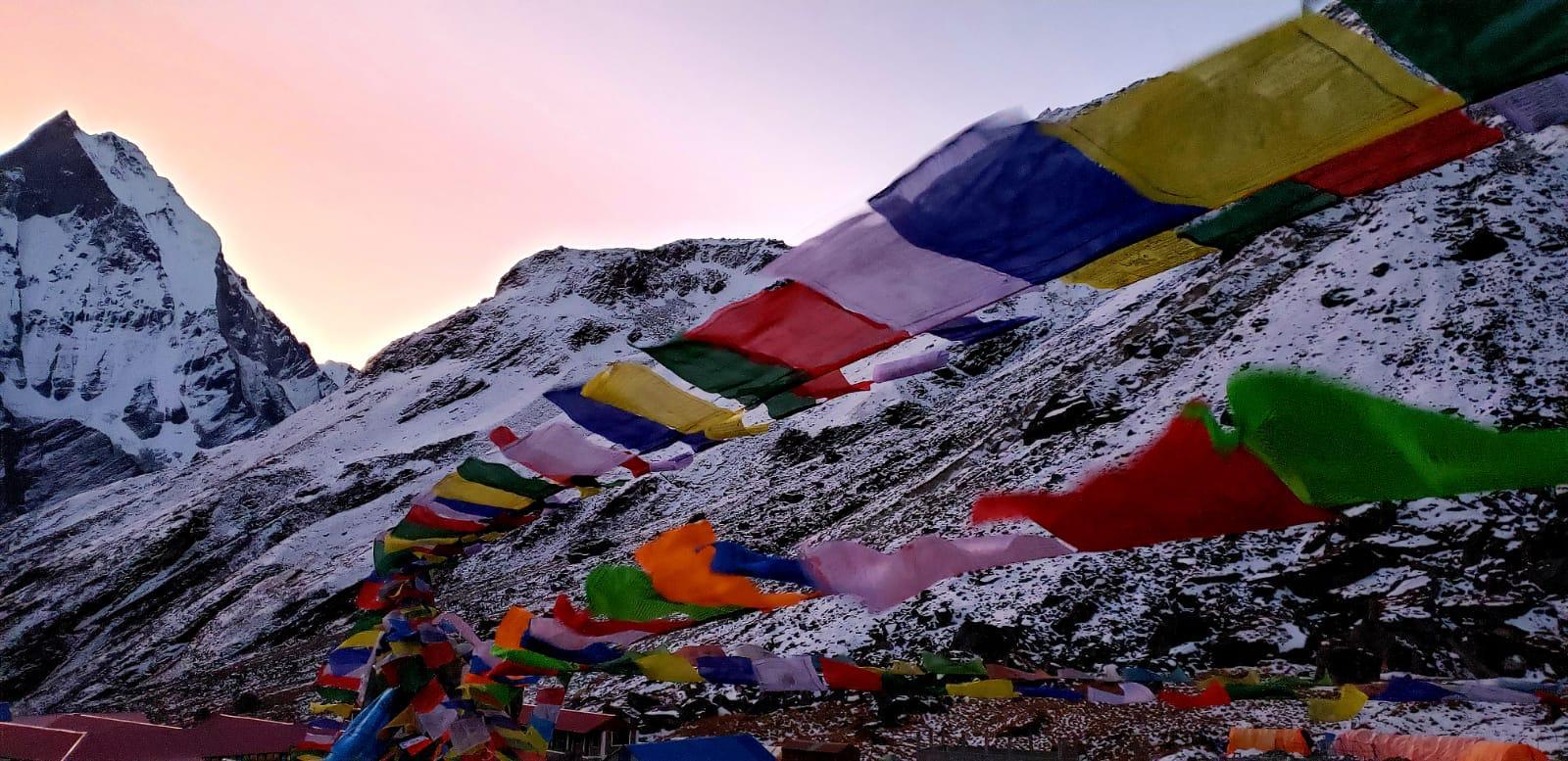
Small gompas decorated with faded prayer flags sit quietly against steep cliffs, while monks continue centuries-old Tibetan Buddhist traditions in near isolation. Some villages even have hidden chortens and sacred stones believed to protect travelers from mountain spirits.
These spiritual landmarks give the trek a deeply peaceful atmosphere rarely found on Nepal’s popular routes.
4. You Can Witness Rare Himalayan Wildlife from Tsho Rolpa Trek

The Rolwaling Valley is one of Nepal’s least explored wildlife regions. Because of its remoteness, the area remains home to elusive Himalayan animals that are rarely spotted elsewhere.
Trekkers occasionally encounter:
Himalayan thar
Musk deer
Langur monkeys
Himalayan griffon vultures
Blue sheep
Locals even speak of snow leopard sightings in the upper valley during winter months.
For nature lovers, the wilderness around Tsho Rolpa feels completely untouched.
5. The Night Sky Is Absolutely Unreal at Tsho Rolpa Trek
One secret nobody talks about enough is the night sky in Rolwaling Valley.
With almost no light pollution, the stars appear astonishingly bright. On clear nights, the Milky Way stretches across the Himalayan sky while snow peaks glow faintly under moonlight.
Many trekkers describe the experience as more memorable than reaching the lake itself.
Camping or staying overnight in the upper valley becomes magical after dark.
6. Local Sherpa Culture Is Deeply Preserved at Tsho Rolpa Trek
Because tourism remains limited, local traditions in the Rolwaling region are still strongly preserved.
Villagers continue practicing ancient customs connected to Tibetan Buddhism, yak herding, and seasonal mountain migration. Traditional clothing, handmade tools, and local dialects are still commonly seen in everyday life.
Unlike heavily commercialized trekking regions, interactions here feel genuine rather than tourist-oriented.
Travelers who take time to speak with locals often leave with a far deeper connection to the region.
7. The Trek Offers Stunning Glacier Views Few People Ever See from Tsho Rolpa Trek

Most visitors focus only on the lake itself, but the surrounding glaciers are equally breathtaking.
Massive icefalls descend from surrounding Himalayan giants, creating dramatic frozen landscapes that feel closer to Tibet than mainstream Nepal trekking routes.
The glacier scenery near Tsho Rolpa is raw, wild, and incredibly photogenic — especially during early morning light.
Few trekkers realize how vast and beautiful the upper valley truly is until they stand there themselves.
8. There Are Sacred Legends Hidden in the Mountains of Tsho Rolpa Trek
The Rolwaling Valley is filled with myths and spiritual stories passed down for generations.
Locals believe certain caves were used by great Buddhist masters for meditation, while nearby peaks are considered sacred protector mountains. Some villagers even speak about mysterious hidden valleys known as “Beyul” spiritual sanctuaries believed to reveal themselves only to pure-hearted travelers.
These ancient legends add a mysterious energy to the entire trek.
You don’t just walk through mountains here — you walk through stories.
9. Almost Nobody Knows About the Nearby Dudh Kunda Connection

One of the biggest hidden secrets is that experienced trekkers sometimes combine the Tsho Rolpa route with remote passes leading toward the famous sacred lake of Dudh Kunda.
This extended journey crosses wild alpine terrain rarely visited by outsiders. The route becomes far more challenging, but also far more rewarding for serious adventure seekers.
Very few tourists ever experience this hidden side of the Rolwaling region.
Final Thoughts
The Tsho Rolpa Trek is not just another Himalayan trek. It is a journey into one of Nepal’s last untouched mountain valleys a place where silence, spirituality, wilderness, and authentic culture still exist far from mass tourism.
For travelers willing to step away from crowded trekking routes, Rolwaling offers something increasingly rare in today’s world: genuine discovery.
The hidden secrets of Tsho Rolpa are not found in guidebooks or social media posts. They are found in quiet monasteries, conversations with villagers, glacier winds, and the feeling of standing completely alone beneath the Himalayas.
And perhaps that is exactly what makes this trek so unforgettable.


