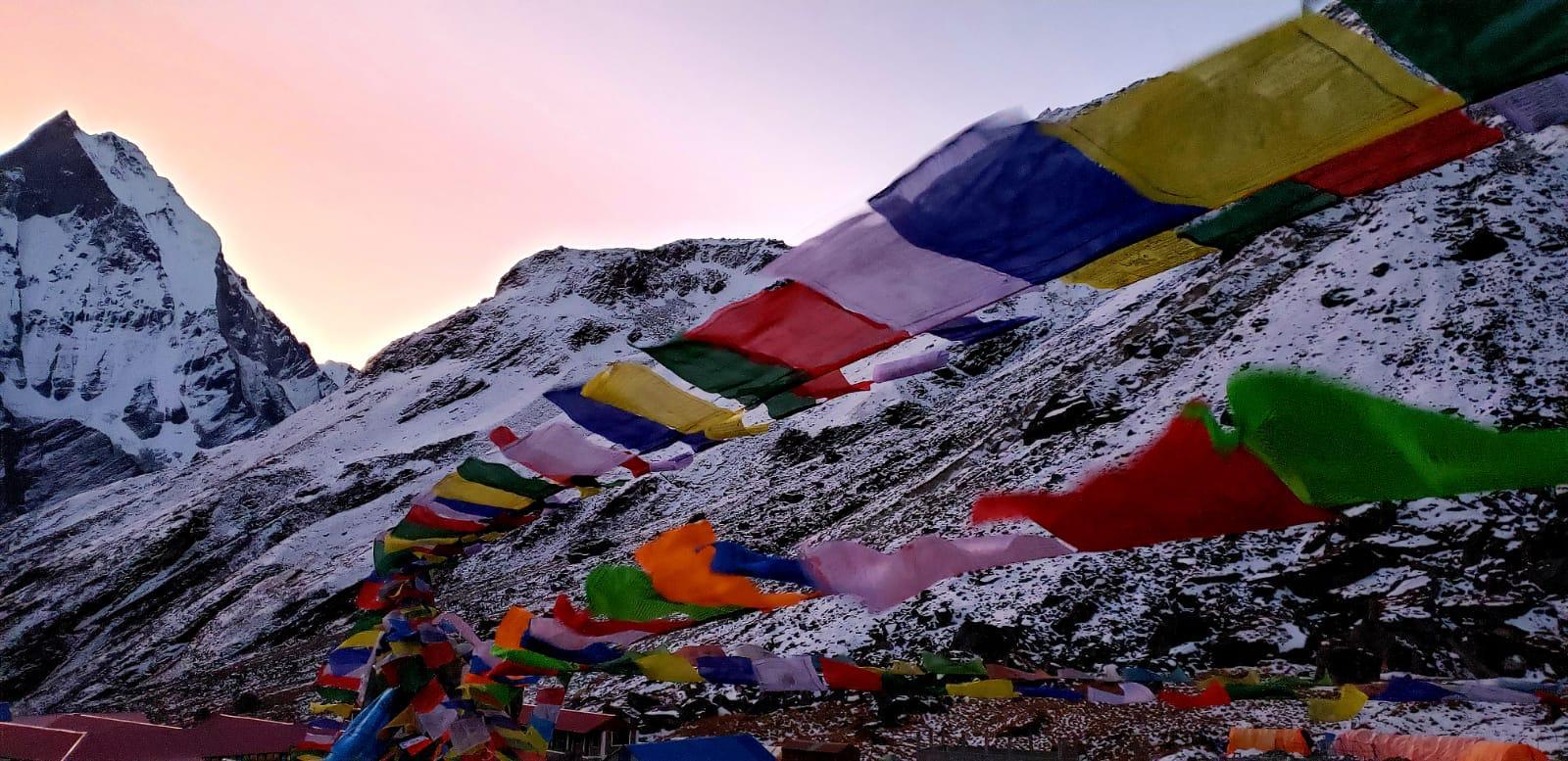
Five Common Challenges You Might Encounter During Trekking. Trekking has become one of the fastest-growing adventure activities worldwide. Unlike casual hiking, trekking demands more physical endurance and often takes you through challenging terrain. Popular destinations such as Nepal, Northern India, Australia, and the Pacific Northwest in America attract thousands of trekkers each year.
As more people embrace trekking, the importance of proper preparation can’t be emphasized enough. High-quality outdoor gear certainly makes the journey safer and more comfortable, but even the best equipment won’t help if you’re careless or not adequately prepared. Understanding common problems and how to prevent them is essential for a safe, enjoyable experience on the trails.
Blisters
Blisters are one of the most frequent issues trekkers face. They develop when the skin experiences repeated friction, especially when moisture levels fluctuate due to sweat, wet conditions, or poorly fitting footwear. Wearing shoes that are too tight or too loose, using the wrong type of socks, or failing to keep your feet clean and dry can all lead to painful blisters.
How to Prevent Blisters:
Choose lightweight, breathable trekking shoes that allow airflow and reduce moisture buildup.
Avoid heavy, stiff shoes that trap heat.
Never start a trek with new shoes—break them in weeks before your trip.
Wear moisture-wicking socks designed for trekking.
Take regular breaks to air out your feet, wipe away sweat, and keep them clean.
If possible, rinse your feet during longer breaks to prevent irritation.
By taking these precautions, you can significantly reduce discomfort and keep your trek enjoyable from start to finish.
Acute Mountain Sickness (AMS)
Acute Mountain Sickness, commonly known as AMS or altitude sickness, is one of the biggest challenges trekkers face in high-altitude regions. As you climb higher, the air becomes thinner and oxygen levels drop, making it harder for the body to adjust. When your system fails to acclimatize properly, symptoms such as headaches, nausea, shortness of breath, dizziness, and difficulty sleeping can appear.
How to Prevent AMS:
Once you cross 3,000 m (9,843 ft), your body needs more time to adapt because oxygen levels decrease by about 20% with every 1,000 m gained. The best prevention is a slow and steady ascent—avoid climbing too quickly and prioritize acclimatization days in your itinerary.
Many trekkers also take Diamox, a commonly recommended medication that helps reduce the risk of altitude sickness. Always consult a medical professional before using it.
Sore Feet & Joint Pain
Sore feet, stiff muscles, and joint discomfort are common during demanding treks, especially when the trails are long or rugged. Continuous walking can strain your ligaments and joints, and factors like obesity, heavy backpacks, hard-soled shoes, and poor walking posture can worsen the problem.
How to Minimize Soreness:
Maintain a healthy body weight before the trek.
Carry only essential items to keep your backpack light.
Choose supportive, comfortable trekking shoes.
Consider using cushioned insoles if your shoe soles are too stiff.
During long days, rinse your feet in cool water—simple hydrotherapy can help ease swelling and refresh tired muscles.
Proper preparation and mindful pacing significantly reduce fatigue in your legs and joints.
Fatigue
Fatigue is another common issue on multi-day treks. Long hours of walking, carrying extra weight, and limited access to energy-rich food can quickly drain your strength. If your body doesn’t get enough hydration, nutrition, or rest, exhaustion can set in fast.
How to Prevent Fatigue:
To maintain energy levels, make sure you prioritize the three essentials of trekking:
Hydration: Drink at least 4 liters of water per day.
Nutrition: Eat three solid meals and include snacks such as nuts, energy bars, or high-calorie supplements.
Sleep: Aim for a minimum of 8 hours of sleep each night to allow your body to recover.
By fueling your body properly and staying hydrated, you can keep your energy levels stable and enjoy the trek without overwhelming tiredness.
The Most Adventure Activities To Do in Nepal. With its diverse landscapes, Nepal is an ideal destination for adventure lovers, offering exhilarating experiences. From renowned treks and mountain climbing adventures to exciting activities like skydiving, bungee jumping, and paragliding, Nepal’s spirit of adventure enthralls travelers. Take part in ground activities like rock climbing, jungle safaris, and more, as well as water sports like white water rafting, canyoning, and kayaking.
Every experience offers a different combination of culture, nature, and thrill. For those looking for an adrenaline rush, Nepal promises an amazing adventure. Check out the comprehensive list of all the thrilling things you can do in Nepal.
FLYING IN THE SKY
PARAGLIDING IN POKHARA
In Pokhara, Nepal, where the spectacular Annapurna range sets the backdrop for an adventure mixed with adrenaline and breathtaking scenery, soar into the skies with the renowned paragliding sport. With mild thermals and bright skies, this place in Pokhara’s picturesque Sarangkot Hill is perfect for paragliders.
Starting at 1,610 meters, the route takes one by car to Sarangkot Hill. The weightless climb starts with the passenger strapped into a tandem paraglider with an expert pilot. Witness the towering Himalayas, lush greenery, and Phewa Lake from above. Through the clouds are vistas of Dhaulagiri, Machhapuchhre, and the Annapurna range. Enjoy the thrilling freedom of flying for half an hour before softly landing on the lakeside of Phewa Lake. This is the perfect experience for everyone who likes adventure.
SKY DIVING OVER MOUNT EVEREST
The ultimate leap of faith from the top of the world is among the most exhilarating experiences on our list. For the boldly daring, skydiving over Everest is a stunning experience. Fly towards Earth at 8,839 meters with Everest as your magnificent backdrop. For genuinely courageous people, this is an opportunity of a lifetime. One of the world’s most daring airports, Lukla Airport, is where your adventure starts. As you reach the drop zone, leave the villages and monasteries below and board a helicopter above the skies. Prepare to jump at this perplexing altitude with a seasoned, reliable skydiving instructor. The wind howls at you during the first few seconds, which is pure adrenaline.
ULTRALIGHT FLIGHT
Experience flying like never before with ultralight flights in Nepal—a level of flying neither commercial nor helicopter travel can equal. You will ride between 3,000 and 5,000 meters over the snow-capped peaks, enjoying the sound of the wind and the alpine air.
Airport Pokhara is where the adventure starts. Following a briefing, you and your expert pilot will belt up in an open-air cockpit. You’ll roll gently as you lift off above the picturesque Phewa Lake. In addition to the exhilaration of flight, you will see the expansive views of the Annapurna range for thirty minutes. Through the clouds are views of Dhaulagiri and Machhapuchhre. It will be thrilling to see the lake, vibrant boats, verdant surroundings, historic towns, and monasteries from above.
KUSHMA’S ZIPLINE
The experience of ZipLining amid verdant landscapes and spectacular mountain panoramas is a must for thrill-seekers. Take a zipline trip in Kushma, Nepal, and experience soaring across breathtaking countryside while harnessed into a line. Situated in the Annapurna area, close to Pokhara, Kushma offers breathtaking views of the Kali Gandaki River, waterfalls, and verdant woods.
Before being launched down the zipline, you will be fastened to a strong harness. It’s one of Nepal’s longest ziplines, spanning 1.5 km in total. When you zoom down, you’ll feel your hair being brushed by the wind. Take on the incredible Zipline adventure in Kushma and experience the beauty and adrenaline thrill of Nepal.
PEAK CLIMBING
MERA PEAK CLIMBING
Mera Peak is among the beginner-friendly peaks in Nepal where mountain climbing experiences typically begin. For those looking to have comparable experiences before embarking on a real, demanding mountain climbing expedition, ascending Mera Peak offers the ultimate rush.
Mera Peak, located in the Khumbu area at 6,476 m, presents an exhilarating challenge for climbers looking for an experience apart from the usual route. Start with the flight to Lukla in the Khumbu area, followed by an exploration of Sherpa communities. Although physically taxing, the eighteen-day hike and ascent are worthwhile.
The best parts of this experience include trekking through the Hinku Valley, sleeping at the foot of the peaks, learning how to use climbing equipment, and tackling a difficult glacier ascent. Also, you’ll see encouraging sights of Everest, Makalu, and Cho Oyu.
ISLAND PEAK CLIMBING
Setting off on a daring expedition to Island Peak is another challenging experience. At 6,189 meters, the Island Peak in Nepal’s Khumbu area is one of the most well-liked mountain climbing destinations. For those seeking adventure and a higher 8,000-meter peak to climb, it’s the perfect challenge.
The adventure starts with an exhilarating flight to Lukla, followed by trekking through verdant scenery and Sherpa communities. Reaching the summit provides amazing views of Lhotse, Nuptse, and Ama Dablam after navigating the treacherous ice and rock parts. This amazing trip, which usually lasts 15 to 18 days, combines breathtaking Himalayan scenery with challenging climbing.
TREKKING
EVEREST BASE CAMP TREK
The Everest Base Camp Trek is a renowned worldwide adventure in the Himalayas. Throughout this incredible trip, which lasts between 12 and 16 days, you will cross difficult terrain and reach altitudes that will push your limits. Discover historic monasteries like Tengboche, pulsating with spiritual peace amidst the rough terrain, during your tour to the lap of the world’s highest peak. Explore lively Sherpa communities to create bonds with the community. The trek’s main features include an excursion to the famous Kala Patthar peak and breathtaking vistas of Everest, Lhotse, and Nuptse. An incredible trip is both a physical achievement and a mind-blowing encounter with the world’s tallest peaks.
ANNAPURNA CIRCUIT TREK
The Annapurna Circuit is a popular trekking route offering various trekking experiences and an unmatched sense of adventure in the center of western Nepal. This trek, which lasts for 15 to 20 days, takes you through various landscapes, including alpine meadows, lush subtropical forests, and even the deserts of Manang and Mustang. Enjoy the magnificent Machapuchare, Dhaulagiri, and Annapurna Massif. Explore the quaint towns of Manang and Pisang, home to historic temples and monasteries with a strong Himalayan cultural influence.
The spiritual experience at Muktinath Temple and the tranquility of Tilicho Lake—one of the highest—showcase the circuit’s diversity beyond its physical features. Adventure seekers seeking a blend of natural beauty and cultural diversity must do this expedition.
LANGTANG VALLEY TREK
Famous for its proximity to Kathmandu and its unique combination of adventure and abundant flora and fauna, the Langtang Valley Trek is an exciting Himalayan escape. Ten to twelve days are needed for the trek, which passes through quiet Tamang settlements, thick forests of rhododendrons, and stunning scenery inside Langtang National Park.
Explore the local way of life by touring historic monasteries such as Kyanjin Gompa, which is adorned with colorful prayer flags. With its breathtaking scenery, the walk provides sweeping vistas of the Langtang Lirung and Ganesh Himal peaks. Experience the spiritual tranquility of the holy Gosaikunda Lake and the kind welcome of the local people. Trekking in the Langtang Valley offers a brief yet remarkable experience with its breathtaking scenery and cultural immersion.
10 guidelines to help you be geared for high-altitude trekking. The tallest peaks in the world, including Mount Everest, Annapurna, Dhaulagiri, Manaslu, and Kanchenjunga, are all situated in Nepal. Trekking in Nepal entails crossing stunning terrain with breathtaking views of snow-capped mountains, rocky valleys, glaciers, and tranquil alpine lakes. Nepal is a country with a diversified ethnic people and a rich cultural heritage. You’ll encounter picturesque villages, monasteries, and temples along the hiking trails where you may meet the locals, discover their customs, and take in vibrant festivals. Are you considering going on a trek in Nepal to see the breathtaking mountains and the rich culture? If so, here are 10 guidelines to help you be geared for high-altitude trekking
1. PLAN AHEAD
To effectively climb at higher elevations, you must be in good physical and mental shape. Your trip can be ruined by hamstring pain, muscle cramps, and altitude sickness symptoms.
Physical Preparation
You should start strength training for trekking if you don’t travel much. Practice your hiking at a slightly higher altitude than you are used to. You could go to the gym. One of the greatest activities for hiking preparation is going for a 30-minute run outside at least four to five times each week. Even if you enjoy being outside and frequently hike, we advise that you warm up for the journey by doing some exercise.
Ideally, you should begin planning your hike three months in advance. Give your body ample time to recover for the approaching flight by stopping any strenuous exercise 7-8 days before taking off.
Mental Preparation
Embrace the mountains after you’ve planned it! Have faith that you’ll finish your trip successfully.
Yoga breathing exercises are a great method to keep your thoughts in check. The more you know about maintaining control, the less panicked you could feel if something goes wrong while you’re traveling.
In addition, you may do some mild stretching and yoga before starting your day’s walking. Don’t overdo the workouts, though.
2. CLIMB GRADUALLY
You are constantly at risk for Acute Mountain Sickness when you are at high elevations. The higher elevation’s thin air is mostly accountable for this. So, the wisest course of action is to go slowly.
You shouldn’t climb more than 500 to 700 meters in one day. This equates to a daily hike of about 5 to 6 hours. Your body can adjust to the greater altitude by moving gently. Make sure to include time in your trip schedule for your body to acclimate to the mountain air.
3. WATCH WHAT YOU EAT
Trekking at a high altitude requires a lot of energy. You must consume a lot of calorie-rich, light meals. To refuel while walking, you can pack a couple of your favorite goodies, such as chocolates, almonds, and sweets. Be very cautious if you have any food sensitivities. Always double-check with the hotel staff and your trekking guide since the menu could use local names for ingredients used in the food.
4. DRINK PLENTY OF WATER
This is a crucial piece of hiking advice to remember. The mountain area has dry air. To prevent moisture loss, you must keep your body hydrated. Bring two 1-liter water bottles and a 3-liter water bladder similar to a CamelBak that you can fill each morning before you set out on the trip. To purify the water on the trails, we also advise that you bring water purification pills or water filters. Due to the lack of recycling facilities in the mountains, we do not recommend purchasing water while trekking.
5. USE PROPER MEDICATIONS
Always consult your doctor before making trekking plans. Before you begin your trek, you must be aware of the crucial do’s and don’ts for your medical issues. Additionally, keep your prescription on hand in case you need to buy any prescriptions. Tablets for altitude sickness: Diamox or acetazolamide can be quite helpful in preventing AMS. Additionally, we suggest that you travel with a few standard medications, such as antibiotics, painkillers, paracetamol, ibuprofen, aspirin, Advil, and cough lozenges. Since sleeping pills are respiratory depressants, you should never take them while hiking. Depending on your needs, you can pack hand sanitizer, foot powder, and insect repellents.
6. CHOOSE RIGHT TREKKING GEARS
Little things like the size of your water bottles, the buckles on your trekking backpack, and the zipper on your coats may have a significant impact on how enjoyable your treks are overall. It may feel absurd to micromanage it to make sure nothing goes wrong on your journey, You may, however, pick and choose whatever equipment you bring with you. Choosing the best trekking equipment is crucial while climbing at higher altitudes and on different terrains. To help you choose the appropriate gear, we have created a thorough trip packing list for any high-altitude trekking in Nepal.
7. STAY AWAY FROM ALCOHOL AND TOBACCO
This might be the ideal moment to stop if you’re hooked on either smoking or drinking. Your body is continually reacting to the dwindling oxygen and growing cold at the alpine height. Alcohol and cigarettes will make it harder for your body to adjust to the rising altitude. Starting to restrict your intake while you are training for a hike is even better. Make sure to include that in your hiking training routine so that you are well-prepared to trek without using tobacco or alcohol.
8. COMMUNICATE WITH THE GUIDE
Effective communication might save your life! We advise that you inform your trek leader or guide right away if you need assistance. Altitude sickness is one of the most frequent issues we experience at high elevations. You should be familiar with the fundamentals of treating acute mountain sickness when hiking. For now, the following are some typical signs: Headache, dizziness, blurry vision, nausea, vomiting, exhaustion and low energy, shortness of breath, breathing difficulties, sleep issues, and loss of appetite. Even though it’s typical to have trouble falling asleep right away and to have a little headache, we strongly advise reporting any unease. If you are showing severe signs of acute mountain sickness, you need to descend to a lower altitude right away.
9. BRACE YOURSELF FOR CHANGING WEATHER
While trekking in Nepal is an amazing experience, it’s necessary to be ready for unforeseen weather changes, particularly in the higher altitude areas. You are likely to be more protected if you trek in the well-known trekking areas of Everest and the Annapurna since most teahouses supply duvets and blankets for visitors, and some big villages have shops selling trekking equipment. The weather in the Himalayas is influenced by the constantly shifting weather patterns in the Indian Ocean, so if you are planning a trip to a more remote location, you should be ready for bad weather. A safe trip in Nepal depends on being well-prepared, therefore having the right gear is crucial.
10. EMBRACE THE BASICS WHILE TREKKING IN NEPAL
It takes an “Open Mind” to experience Nepal’s daring terrain and rich cultural diversity when trekking there. Being able to accept some hardships and occasionally “rough it out” requires being psychologically and physically prepared. The following advice will assist you in preparing for a more challenging trip to Nepal: In remote areas while on treks, accommodations could be modest with few amenities. Be prepared for outdoor or shared restroom facilities, which may include squat toilets or basic pit toilets. There will be basic guesthouses, teahouses, or even camping options. Since there won’t be much food available, especially on longer or more isolated walks, frequent simple meals of rice, lentils, veggies, and regional delicacies like momo dumplings will be served. While trekking, be prepared to be disconnected because there won’t always be a phone or internet service because Nepal is a mountainous country. The most enjoyable aspect of your vacation in Nepal may sometimes be the untamedness and simplicity of the trip. Embrace the beauty of nature, get in touch with it, and spend time in it.
Trekkers can take in a breathtaking view of the spectacular Annapurna massif, Dhaulagiri, Machhapuchhre, and Manaslu from the base camp of Mardi Himal, which is reached by the Mardi Himal trekking path at a height of 4500 meters. Additionally, it offers a stunning viewpoint of the Annapurna Sanctuary’s blue glaciers. In Nepal’s Annapurna area, the position is to the east of the Annapurna Base Camp. This off-the-beaten-path route leads hikers up to the base of Mardi Himal via unspoiled tiny Tamang and Gurung towns, a grove of rhododendron and juniper, and away from more congested trails.
ABOUT LANGTANG VALLEY TREK
Mardi Himal Trek Vs Langtang Valley Trek 11
With more than 70 glaciers of varying sizes, Himal mountain ranges, and high altitude lakes like Parvati Kund, Bhairavkunda, Dudhkunda, and even the most famous Gosainkunda with an area of 13,8 ha, surface elevation of 14,370 ft, and water volume of 1,472,000 m3, Langtang is a region in the Himalayas of Nepal that borders Tibet. The skills, attire, traditionally built stone home, and exquisitely carved wooden entryway of the local population demonstrate their rich Himalayan culture and heritage. The majority of the people in these communities are of Tibetan and Tamang ethnicity.
Chimse Danda, a steep mountain range to the south, is traversed by the passes of Ganja La (5,122 m), Jugal Himal, and Dorje Lakpa (6,989 m). The Langtang Khola (river) is fed by glaciers that formed on the slopes of Dorje Lakpa, Langtang Lirung, and other peaks. Before pouring in a ridiculing torrent into the Bhote Koshi River from a long, tight gorge at the western end of the valley, the Langtang River travels through the high, Langtang valley. The Langtang Khola, a major part of the Trisuli Ganga, runs east to west over the grain of the nation, while several large rivers originate in Tibet and travel south, slicing through the Himalayan mountain range.
LANGTANG TREK HIGHLIGHTS:
Mardi Himal Trek Vs Langtang Valley Trek 12
Explore Langtang National Park, the first national park in the Himalayas, which was founded in 1976 and has a total land area of 1,710 km2.
Witness snow-capped peaks like Yala Peak (5700m), Gang Chhenpo (6388m), Dorji Lhakpa (6966m), and Langtang Lirung (7245m).
Discover more than 70 glaciers and the stunning lakes of the Langtang Valley, including Gosainkunda (4,380 m), Parvatikunda, Bhairavkunda, and Dudhkunda.
An overview of the Tamang and Tibetan languages, together with the complex way of life of those who are still in growth, unquestionably establishes a hard and rigid touch throughout Langtang.
Possibility of trekking to a number of stunning snowcapped mountains and valleys, including Ganesh Himal, Tsho Rolpa Lake Trek, Tashi Lapcha Pass Trek, Gosainkunda Lake Trek, Langtang Valley Trek, and Helambu Trek
MARDI HIMAL TREK HIGHLIGHTS
Mardi Himal Trek Vs Langtang Valley Trek 13
Stunning dawn and sunset views from many different places
Beautiful scenery, little villages, farms, rice terraces, breathtaking hills and mountains, and vibrant rhododendron woods in the spring
Magnificent views of the Annapurna South (7,010 m), Mt. Hiunchuli (6,441 m), and Machhapuchhre Himal (6,993 m).
Beautiful homestays and friendly local hospitality
Possibility of visiting Mardi Himal High Camp and Mardi Himal Base Camp regional diversity in plants and animals
The social culture and way of life of the Magar and Gurung ethnic groups
WHAT TO EXPECT ON THE TREK?
LANGTANG
Different kinds of Rhododendrons, an extensive Bamboo forest, stunning scenery, a range of snow-capped mountains, and a diversity of fauna, including Red Pandas, are all highlights of this region’s excursion. Following a local path upstream along the Bhote Koshi River, passing past ethnic Tamang settlements, a verdant forest, and the vast Langtang valley with magnificent mountain views on all sides. The route to the Shin Gompa can be taken again, leading to a high plateau near the revered Lake Gosaikunda. The region gives morning views across the many sparkling lakes of this holy site.
MARDI HIMAL
This location is regarded as one of the undiscovered Annapurna’s secret beauties, and the trekking trail is said to be an unbeatable route. It is ideal to experience the splendor of isolated, perpetually snow-capped peaks as well as the enormous possibility of amazing cultural exchange and the wonder of Machhapuchhare Base Camp. The colorful and intriguing path meanders through lush valleys, alpine meadows, lichen-covered forests, numerous streams, and waterfalls while offering breathtaking mountain vistas that reflect on the surrounding skyline.
TREKKING DIFFICULTY IN THIS REGION?
LANGTANG TREK DIFFICULTY
It is regarded as a moderate trek that doesn’t require any prior experience, with a path that includes uphill and downhill approaches as well as some steep sections. The difficulty of the walk also depends on the time of year. Trekking in the area is most convenient in the spring (March through May) and fall (September through November) months. You can tackle the Langtang trek difficulties even though the trekking route has rough terrain and rocky pathways if you are mentally and physically prepared and have the right gear packed. And if you’re a beginner hiker, you can choose the finest hiking season to ease the difficulty of the hike.
MARDI HIMAL TREK DIFFICULTY
As it is a teahouse trek, this route is rather simple. The majority of trekkers have regarded it as an easy trek due to its short length and lack of tough terrain. However, because of the strenuous lengthy hikes and several steep climbs, novice hikers have also ranked it as a medium-difficult trip. On the Mardi Himal foothills, it takes around 5 to 6 hours of walking, with breaks for resting in between. Despite the trip being uphill, the altitude might not be too much of an issue. That’s because there have been rest times planned correctly.
HOW MUCH BUDGET IS NEEDED?
LANGTANG AND MARDI HIMAL TREK BUDGET
The estimated cost depends on the type of trek being undertaken and the spendthrift factor. But generally speaking, prices range from about US $500 to US $1500. It also depends on how much one wants to treat themselves to different extra indulgences.
ARE PERMITS REQUIRED FOR THIS TREK?
Both trekking regions need a permit. Before beginning a trek in the Langtang and Mardi trek areas, you must have a permit. You will need to show them at several checkpoints along the way. It is a good idea to get permission before the trip begins. In any case, you may get a trekking permit at the trailhead if you are unable to do so in Kathmandu.
The Langtang and Annapurna Region Trekking Permits are significant in their own right. By preserving the trekker’s history inside the National Park, the permit contributes to the preservation of the trekkers’ safety and security. The information may then be gathered to assist the authorities in helping you in the event of any crises like earthquakes, landslides, etc. These permits assist in maintaining rules and regulations as well.
HOW MUCH GUIDE AND PORTER TIPPED IN NEPAL?
Tipping is anticipated because the guide or porter depends heavily on tips for income or savings. Tipping is depending on how well your hiking team performed. It all depends on how happy you were with the hospitality shown to you and the services that were rendered to you, so if you are, feel free to tip accordingly. Typically, 12–15% of the total trip cost is regarded as the optimum tip range. Depending on how satisfied you are with the guide and porter, you can divide the cost between them.
TREKKING ITINERARY
LANGTANG VALLEY TREKKING ITINERARY
Day 01: Drive to Syabrubesi from Kathmandu Altitude: 1,420m/4,658ft | Drive: 8/9 hrs.
Day 02: Trek Syabrubesi to Lama Hotel Altitude: 2340m/7,675ft. | Trek: 5-6 hrs.
Day 03: Lama Hotel to Langtang Village Altitude: 3,480m/11,415ft. | Trek: 5-6 hrs.
Day 04: Langtang village to Kyanjing Gompa Altitude: 3,870m/12,697ft. | Trek: 3-4 hrs.
Day 05: Exploring day at Kyanjin Gompa Altitude: 3,870m/12,697ft. | Trek: 3-4 hrs.
Day 06: Kyanjin Gumpa to Lama Hotel Altitude: 2340m/7,675ft. | Trek: 6-7 hrs.
Day 07: Lama Hotel to Thulo Syabru Village Altitude: 1,900m/6,232ft. | Trek: 5-6 hrs.
Day 08: Thulo Syabru to Dhunche Altitude: 1650m/5,412ft. | Trek: 4-5 hrs.
Day 09: Drive back to Kathmandu Altitude: 1350/4428 ft.
Check out the 5 best monsoon treks in Nepal. The lush green vegetation that the monsoon gives life to creates stunning views of the landscape. The earthy smell of the monsoon rain will also take you to another, often nostalgic, world. The monsoon season in Nepal begins in early June and frequently lasts until early September.
High altitude treks are not recommended during this season due to obstructed mountain views, chaotic trek trails, and frequent flight delays. Fortunately, there are several places to visit in Nepal that are appropriate for vacations during the monsoon. The ideal monsoon season trek can be found in some rain-shadowed areas since they receive less rain during the monsoon. Due to the physical blockade of the mountain ranges, these rain-shadowed areas of Nepal receive minimal precipitation.
So, if you are wondering which monsoon hikes offer the best experiences for you? Here are the suggestions we have.
1. Upper Mustang Trek
5 Best Monsoon Treks in Nepal 20
Among all the best monsoon treks in Nepal, the Upper Mustang Trek is the best choice. The region is a rain-shed region and lies on the Annapurna and Dhaulagiri Massifs. Because of its distinctive geography, Upper Mustang has a different and new climate from the rest of Nepal. The upper Mustang trail, also known as the desert in the Himalayas, is well-known for its natural features, Himalayan views, and Tibetan-influenced people and culture.
A special permit is required to enter the restricted area of Mustang as a tourist. The tourism options in this remote trekking area are numerous. You can see the Annapurna and Dhaulagiri Himalayan mountains along with Nepal’s mystical culture and unspoiled civilization.
2. Upper Dolpo Trek
5 Best Monsoon Treks in Nepal 21
Dolpo, a Tibetan site with a rich cultural history, is located in western Nepal’s Dolpa district. Due to its beautiful hiking terrain and distant position, the Upper Dolpo is ideal for a secluded trekking experience. Another restricted area trip is the Dolpa Circuit, often the Upper Dolpo Trek. This less visited trekking area in western Nepal offers the best mountain vistas, breathtaking scenery, unspoiled rural communities, and stunning lakes. Likewise, Mustang and the Dolpo region in Nepal are similar in having a cloud block and a semi-barren climate valley, making them a good choice for monsoon treks. Dolpo experiences extremely little precipitation, creating scenery reminiscent of the Tibetan Plateau.
3. Annapurna Circuit Trek
5 Best Monsoon Treks in Nepal 22
One well-known off-the-beaten-path trekking route in Nepal is the Annapurna Circuit Trek. As one of the closest off-the-beaten-path treks from the capital city, many tourists choose this route for a thrilling and daring experience. The route provides access to the Trans-Himalayan peace as well as forbidden villages and their cultures. The majority of the trail region is located within the rain-shadowed region of the Himalayas, where rainfall is little or nonexistent. So, if you’re looking for a clean, adventurous journey during the monsoon season, this hike is for you. Choose this trek if you want to avoid crowds because it is the most well-known in Nepal.
4. Nar Phu Valley Trek
The Annapurna region’s Nar Phu Valley Trek is a true wilderness hiking trail. Two locations that let you explore the culture and unspoiled nature are the villages of Nar and Phu. Only a small number of trekkers travel to this isolated region of Nepal, which is located in the rain shadow of the Annapurna and Dhaulagiri Himalayan mountains.
The most significant time to hike is during the monsoon season for Himalayan views. The Nar Phu Valley Trek is the best choice if you want to avoid the crowds of the well-known hiking location.
5. Poon Hill Trek
5 Best Monsoon Treks in Nepal 23
You can easily do the short and pleasant Ghorepani Poon Hill trek during the rain. This trip offers magnificent 360-degree views of the impressive Dhaulagiri and Annapurna mountain ranges in the Annapurna conservation region. You will also have the opportunity to appreciate the Gurung and Magar civilizations.
Starting in Pokhara, the trek goes through Tikhedhunga, Ulleri, Ghorepani, Tadapani, and Ghandruk before returning to Pokhara. The paths are pretty decent and can support hikes throughout the monsoon season.
The trek region is covered with green thanks to the monsoon. Additionally, it reduces pollution and dust. Rainfall causes the rivers to rise, and the waterfalls appear magnificent. You will need to be extra cautious, though, as the path may be slippery and muddy. All you need is good preparation, and proper rain gear and you are good to go.
A rainy day is the perfect time for a walk in the woods. – Rachel Carson
After hours of trudging uphill while sweating and hardly catching your breath, you reach an open region with vibrant homes tucked between mountains and friendly locals who welcome you into their tea houses. You will soon forget the struggle because it will be rewarding. Some of the most stunning high-altitude mountain villages, which might easily compete with those in Europe, can be found in the Himalayas of Nepal. These villages are also high in the mountains and flanked by white peaks that will take your breath away.
1. Namche Bazaar (3440m)
The Most Beautiful High-Altitude Villages in Nepal 30
The Namche Bazaar is one of the most well-known villages in Nepal among international visitors. Namche Bazaar is a small village situated in the Khumbu region at an altitude of 3440m and is primarily known as the world’s highest trading hub and gateway to Everest. Travelers who are trekking to Everest Base Camp acclimatize here.
In comparison to other nearby villages, this one is more attractive and offers more amenities for guests. It has beautifully textured hotels, wifi hotspots, gear shops, bars, and eateries, among other amenities. The world’s highest Irish pub is located here. The weekly Saturday market is also a great place to haggle over some excellent goodies. This is the place to go if you’re yearning for some tasty yak cheese.
2. Manang (3.519m)
After around 3–4 days into the Annapurna Circuit trek, you reach Manang. You reach this truly alpine hamlet, surrounded by mountains, with the Gangapurna glacier hanging above it, after spending time trekking through lush, tropical forests in the lower parts of the circuit. Before ascending to the Thorong-La pass, you should make a stop here to acclimatize. There are numerous treks nearby, including the hikes to Ice Lake, Gangapurna Lake, and Tilicho Lake. Don’t miss the amazing Yak Burger at the Mountain View Lodge while you’re here.
3. Mustang
The Most Beautiful High-Altitude Villages in Nepal 31
Travelers who have been to Nepal often recommend Mustang Village as a popular destination. The Tibetan Plateau borders the ancient kingdom of Mustang, which is protected by some of the world’s highest peaks, including the 8000-meter Annapurna and Dhaulagiri.
The cultural heritage of the Mustang village is extensive, and it contains beautiful temples and meditative monasteries that are blended into the moon landscape. The friendly smiles of the Mustang people never fail to captivate visitors to Mustang village. Despite spending many years in solitude, the mustang people have managed to preserve their unique and intriguing culture and heritage.
Given how close to Tibet the village of Mustang is, you may also detect Tibetan Buddhism and Bon religious influences among the locals. You won’t regret making the trip to the town of Mustang.
4. Ringmo Village (3,660m)
The Most Beautiful High-Altitude Villages in Nepal 32
The Ringmo village is a rural settlement situated within the stunning Dolpo district. The Ringmo settlement is located close to a hill’s edge and faces the wonderfully blue Phoksundo Lake.
An experienced trekker can thrive on the unique thrill of hiking to the Ringmo village, which is located at an elevation of 3660m. You must walk around the cliff on the trail. You can let the donkey carry your bags because the uneven route makes it a little tough to walk.
From Ringmo village, you can see Phoksundo lake in all its glory. When it’s clear out, the blue lake shines as though stars have descended into it. Pick the Spring and Autumn seasons to visit for the best views.
5. Badimalika
The Most Beautiful High-Altitude Villages in Nepal 33
Badimalika village, which is one of the less traveled areas in Nepal, is situated in a remote region of the country’s far western region. Badimalika village, located in the Bajura district, is called for a renowned Badimalika temple.
At 4,200 meters above sea level, the Badimalika temple is rather difficult for visitors to reach. The route to Badimalika is not just challenging, but also risky. Therefore, hiring a guide is strongly advised if you want to accomplish the trek with less risk.
Due to its remote location, the trekking route is hardly known. But because of its unparalleled beauty, Badimalika village is one of the must-see places.
One of those experiences that you never forget is traveling. Even while exploring a new place can be expensive and time-consuming, it almost always pays off.
These Himalaya villages are all stunning representations of Nepal’s natural and cultural beauty. All of these lovely villages are worth seeing because of their distinctiveness, tranquility, and old-world charm. You’ll get to see how unaffected by modernism basic country life is.
Discover Nepal’s hidden beauties by visiting these picturesque settlements in the Nepal Himalayas. You’ll be in awe of the pure beauty and unsophisticated charm of these small high-altitude settlements, which provide you with peace and tranquility away from the hectic modern cities.
Trekking to Everest Base Camp is a great adventure activity for many thrill-seekers and a fascinating Himalayan destination. Even though it is not the most challenging trek in Nepal, many people fail to reach base camp because they overlook some things they should not neglect, leading them to quit their once-in-a-lifetime trip before it is completed. In this article, we are shedding some light on the actions one should avoid while on this trek. You can grasp the fundamental causes of failing attempts to reach Everest Base Camp after reading this article.
Moving Too Fast
We admire your enthusiasm, but if you attempt the hike to Everest Base Camp rapidly, there is a good chance that you won’t make it there since you are more likely to catch acute mountain sickness (AMS) and have to turn around before completing the journey.
Skipping Meals
Food is the fuel that keeps you going. Sometimes trekkers don’t realize they are in the mountains and that they are constantly burning calories. So it’s important to drink water and eat snacks frequently. Missing meals like breakfast, lunch, and dinner is also a terrible idea when hiking in the mountains. Do not skip even one meal. A filling breakfast in the morning, a light lunch in the afternoon, and a light dinner are advised for each day. Regularly eat all meals, energy bars, and chocolates.
The chilly temperatures in the high mountains put additional strain on your body, which requires more energy. Avoid eating too little since if you don’t have sufficient food while trekking, you might not make it to the end.
Not Drinking Enough Water
Many hikers, enthralled by the adventure, neglect to stay hydrated and skip drinking any water for long periods of time. Although it’s a good idea to stay away from unknown water sources, this does not mean you should never drink. During hikes, it’s crucial to stay hydrated. We walk more slowly when dehydrated, and it also makes us constipated. Dehydration can cause headaches, lethargy, dizziness, and confusion. Three to four liters of water per day are advised. Your body may not contain enough liquid, which could result in a failed attempt to reach your destination.
Partying Till Late Night
Some trekkers party till very late at the local tea houses because they have different sleeping times, which has an adverse effect on them, the guide and porters, as well as the hotel personnel. Normally, tea houses are shut when everyone enters the room. As long as there are some guests in the dining hall, they are using the porters’ and guides’ sleeping quarters, which are used for them after supper. As long as customers are in the dining room, the crew is instructed to serve them. Due to the fact that eating halls are typically warmer than the accommodation, many trekkers find it difficult to leave on time. Late-night drinking has a bad effect on everyone.
Walk on the riverside of the trail while crossing Yaks
Trekkers frequently use the Yak and Jhopke to transport their supplies and equipment to the tea houses. It is extremely typical for hikers to encounter these beasts of burden pretty frequently. They risk being knocked down by these animals or the goods they are carrying if they wait at the riverside or downhill side of the trail. While yak and other animals are crossing the trail, it is much safer to wait on the higher side of the trail.
Entering the Park without Permission
Some people purposefully dodge the national park entry checkpoint and forego purchasing entry tickets. These persons are expected to pass by the checkpoint at night when no one is around or use an alternate route over the narrow pathways that locals use to herd livestock. If you don’t purchase the required permits, the authorities have the right to jail you. Keep in mind where to purchase the required permits to enter the area as there are frequently severe penalties for failing to do so.
Climbing Huge Rocks to Capture Pictures
Many hikers frequently climb large, dangerously slippery stones in order to capture better photos. Be cautious when choosing a decent location for photos to prevent any unfavorable outcomes from getting a fantastic snap.
Wearing New boots
Like they say “Only a person who wears shoes knows where the shoe pinches”. The same is true for this trek; only someone who wears new shoes is aware of how to get into trouble with new shoes. Therefore, take care to avoid developing large blisters that make walking painful and slow. Make sure to use your new shoes before your big trek to Everest.
Nepal is an incredible trekking destination. Nepal is not a destination you can trek in one trip, with eight of the world’s tallest mountains rising beyond 8000m (26,246ft). As you uncover hidden valleys, new hiking trails open up, and your trekking experience develops year after year, this is a place you’ll want to come back to again and again. It’s no surprise that thousands of mountaineers and trekkers from all over the world visit each year.
What Are the Best Trekking Destinations in Nepal?
In Nepal, there are numerous places where you can go trekking. If you want to go on a famous and well-known trek, the Everest and Annapurna regions are ideal. Everest Base Camp Trek, Annapurna Base Camp Trek, and Annapurna Circuit Trek are among the most popular trekking treks. If you seek a remote trekking route, Manaslu, Kanchenjunga, Dolpo, Humla, and Upper Mustang are the best options. Find out the best trekking destination in Nepal.
When is the ideal time to visit Nepal for trekking?
Trekking in Nepal is possible throughout the year. The best times to trek in Nepal are in the spring (March to May) and Autumn (September to November), when the weather is clear and the sights are spectacular. This is also the busiest time on the trails. Winter (December to February) and summer (June to August) are other excellent times to visit; while the weather can be fickle, these months provide a different experience and fewer visitors. Check out more information on the best time to visit Nepal.
How Much Does Trekking in Nepal Cost?
The cost is determined by the trek and how you wish to complete it. Some treks are more expensive because of the higher cost of accommodation and food and the higher cost of commuting (EBC Trek) or some region require a special permit.
Is A Trekking Permit Required in Nepal?
A trekking permit is required for the majority of treks in Nepal. National Park/Conservation Area Project Permits are a common trekking permit that you will require if your trekking trail passes through a national park or conservation area.
Restricted Area Permits are required in certain remote and rural areas near Nepal’s borders, which the Nepalese government strictly controls. This permit is required in some areas, including Upper Mustang, Dolpo, Humla, and Kanchenjunga. It cannot be collected by an independent trekker. As a result, to obtain the permit, one should work with a registered Nepali travel agency.
How Difficult Is Trekking In Nepal?
Trekking in Nepal is divided into easy to moderate, moderate to difficult, and difficult to strenuous. Certain factors must be considered when determining the difficulty level of the trek. Trekking in Nepal’s Himalayas frequently entails walking on rugged trails with distant basic lodges, no transportation facilities in rural areas, the possibility of high altitude sickness, and unimaginable weather changes in the Himalayas. They add to the difficulty of trekking in Nepal.
Easy to moderate treks such as Poonhill, Ghorepani, and Annapurna Base Camp treks are ideal for novice trekkers. Moderate to difficult treks like Gokyo Lake and Manaslu are best for trekkers with good physical fitness and previous trekking experience. Pro trekkers with the right physique, high altitude trekking experience, and skills can choose from difficult to difficult level treks such as Everest Three Pass, Mustang Teri La Pass, and Nar Phu Valley.
As a result, the difficulty level of trekking in Nepal varies, and the desired trek can be chosen based on the number of days, trekking regions, time of year, and difficulty level.
How do I obtain an entry visa to Nepal?
All foreign nationals (except Indian nationals) must show a visa when entering Nepal. Nepalese visas can be obtained at the respective country’s embassy, at the International Airport in Kathmandu, or at Nepal’s border entry points in Kakadvitta, Birgunj, Bhairahawa, Nepalgunj, Gaddachowki on the Nepal-India border, and Kodari on the Nepal-China border.
Certain nationals are required to obtain a visa before arriving in Nepal. Afghanistan, Iraq, Cameroon, Ghana, Somalia, Swaziland, Palestine, Zimbabwe, Nigeria, Ethiopia, and Liberia are among the countries that cannot obtain a Nepalese visa on arrival.
One must be both mentally and physically prepared for the trek. The success of the trek is wholly dependent on you. We recommend that you choose trekking routes that are appropriate for your level of fitness. Shorter treks are obviously easier than longer ones. The longer treks will necessitate a higher level of fitness. So, being in great physical shape is crucial.
Do I need any prior experience to partake in the Himalayan trek?
Previous trekking experience is not mandatory to participate in our trekking trips. Having said that, there are still some factors to consider before embarking on your own journeys, such as altitude and length. The trekker’s physical condition should be excellent and they should be mentally prepared to participate in our challenging and tough trekking trips.
How many porters will accompany you on your trek?
The number of porters depends entirely on the type of trek, either tea house or camping. If the trek is a teahouse trek, our standard porter ratio is 1:2, which means that one porter carries two trekkers’ luggage/duffle bags. However, if the trek is camping, it is difficult to predict the number of porters, which frequently depends on the number of trekking days and team members. However, we always hire an adequate number of porters for each trek.
Do you provide airport pickup service on arrival and departure?
Yes, as an added benefit, our company provides a pick-up service. When you arrive, a representative from our company will meet you at the airport. You can easily identify us at the airport by our company’s placard with your name written on it. And when you finish your trek, we will drop you at the airport.
How tough is the Everest Base Camp trek is the most asked question of all time. The Everest Base Camp Trek, as intimidating as the name may sound, is not a tough trek; with a little planning and effort, absolutely anyone can complete it. It could be easier for people who are experienced in trekking or have hiked long distances with a heavy backpack over many years. People who aren’t used to hiking or training on a regular basis, on the other hand, will need to train extensively for this trip and will certainly find it challenging. However, preparation is the key!
The Everest Base Camp Trek is one of Nepal’s most picturesque and well-known trekking routes. Along with the natural splendor of the Himalayas, the walk is also culturally appealing, making it a once-in-a-lifetime experience for hikers. The Everest Base Camp Trek leads you to Mt. Everest’s Base Camp, the main starting point for expeditions to the summit of the world’s highest mountain.
Everest Base Camp Difficulty
Trekking from the starting point at 2,850m / 9,000 ft to 5,364m / 17,500 ft is a difficult task that is more physically demanding than technically difficult. You won’t need any special mountaineering expertise or equipment; all you’ll need is a lot of endurance.
It’s reasonable to be concerned about the difficulties of this high-altitude activity. In terms of the terrain, you won’t be doing any sort of climbing, walking along narrow ridges with dangerous falls, or hauling oneself over rock faces with ropes. The journey to Everest Base Camp is a lengthy and steady one, punctuated by a precisely timed ascent in altitude.
Age Requirements
Over the years, people of all ages, shapes, and sizes have completed the journey. Trekking to Everest has no age limit as long as you are healthy and fit and have consent. The trek has been completed successfully by people as young as seven and as old as 70. Having said that, this does not indicate that anyone in this age group is capable of trekking to Everest Base Camp.
The only reason for drawing an age line for the Everest Base Camp trek is for health concerns. The age of a child trekking to Everest Base Camp should be at least ten years old. Since they are young and vulnerable, children can be exposed to many risks such as altitude sickness, cold, dehydration, etc.
Everest Base Camp Trek is dependent on the physical and mental condition of older people over the age of 60. Furthermore, if you have any illness that could make you sick while hiking, you should avoid it. When it comes to trekking in Nepal, fitness is key. The Everest Panoramic Heli option is also a good fit for you.
How to prevent Accute Mountain Sickness?
Altitude sickness is one of the most common and potentially fatal conditions that trekkers in the Himalayas face. There is no way of knowing how the body will react to decreasing oxygen levels while on the trail. Trekkers must acclimatize properly to avoid a life-threatening situation. The basic rule is to ascend gradually, sleeping no more than 500 meters higher than the night before. Climb high but sleep low is an unwritten rule for trekkers and climbers both. Diamox can also be used to treat or prevent AMS, and if symptoms do arise, go to a lower elevation to recover.
How to Train yourself for EBC trek?
To get in shape for the trek, spend some time in the gym and go on some long walks. This will help you prepare for the mountainous climb up to Everest Base Camp.
Spend some time in the gym working on leg strength exercises. You must carry yourself, even if you are not carrying your baggage. Squats are a wonderful exercise to do before the walk because you’ll be using your quads a lot.
Finally, cardiovascular exercise such as running, sprinting, and swimming will improve your endurance and increase your body’s ability to circulate oxygen, which becomes more difficult as you ascend higher in elevation.
Langtang Valley, a pristine valley north of Kathmandu, is a place of glacial lakes and picturesque traditional villages. The Langtang Circuit Trek offers a blend of magnificent vistas of the Himalayas soaring to the sky, scenic landscapes, and exposure to the indigenous Tamang community’s traditional lifestyle. The Langtang Circuit Trip passes through the scenic Langtang Valley, the sacred Gosainkunda Lake, Suryakunda, and the secret Helambu Valley, making it an intriguing and rewarding trek.
From the summit of the peak, you can enjoy a spectacular view of the Gosaikunda and amazing vistas of the majestic snowcapped peaks. The Gosaikunda provides a panoramic view of Mt. Langtang, Ganesh Himal, and the Annapurna range. With only a few individuals traveling past the path, the track to Surya Peak isn’t definite, and it’s easy to get lost. You’ll pass through villages where Sherpas and Tamangs live, each with their own culture, and you’ll get the opportunity to learn more about them.
Outline Itinerary
Day 01: Arrival at Tribhuwan international airport (1380m)
Day 02: Drive Kathmandu – SyabruBensis in local bus Altitude – 1450 meters | Drive: 6-8 hrs
Day 03: Trekking from SyabruBensi – Lama Hotel Altitude – 2480 meters | Trek – 6 hours
Day 04: Trek from Lama Hotel to Langtang Altitude – 3540 meters | Trek – 6 hours
Day 05: Trek from Langtang to KyanjinGompa Altitude – 3900 meters | Trek – 4 hours Activity – Trekking mostly on flat road
Day 06: Acclimatization, Rest and hiking day Altitude – 4984 meters | Trek – 45 minutes/1 hour hike
Day 07: Kyanjin Gompa to Lama Hotel Altitude – 2480 meters | Trek – 7 hours
Day 08: From Lama Hotel to ThuloSyabru Altitude – 2200 meters | Trek – 8 hours
Day 09: Syabru village to Singh Gompa Altitude – 3584 meters | Trek – 5 hours
Day 10: Singh Gomba to Gosainkund Lake Altitude – 4381 meters | Trek – 6 hours
Day 11: Gosaikunda village to Phedi, after passing SuryaKunda Pass Altitude – 4610/3780 meters | Trek – 6 hours
Day 12: Hiking from Phedi to Tharepati Altitude – 3690 meters | Trek – 5 hours
Day 13: Trek from Tharepati to Kutumsang Altitude – 2470 meters | Trek – 4/6 hours
Day 14: Trekking from Kutumsang to Chisapani Altitude – 2165 meters | Trek – 7 hours
Day 15: Trek to Sundarijal from Chisapani and drive to Kathmandu. Altitude – 1460/1380 meters | Trek – 4/5 hours hike | Drive – 2 hours
Day 16: Departure
Best Time to Trek Langtang Region
The Langtang Valley trip can be done at any time of year, although hiking in the off-season requires extra planning and being prepared for nature’s unexpected challenges. This trek is pleasant in any season, but the ideal seasons to go are spring and fall when you can enjoy the stunning scenery and pure surroundings.
This doesn’t imply that summer and winter trekking in the Langtang region isn’t worthwhile or impossible. They, too, have their own advantages. In the off-season, even a popular trail like the Langtang Valley trek can be fairly calm. In the winter, you may enjoy the clear views of the Mountains.
Langtang Circuit Trek Difficulty Level
The Langtang walking trail consists of a series of uphill and downhill trails, some of which are rather steep. The amount of difficulty varies depending on the route’s topography and the season you choose to trek.
If you plan to trek in the region during the spring (March-May) and autumn (September-November) months, you will have a lot easier experience. The excursions are made easier by the mild temperatures and stable weather conditions on the dry paths.
In the Winter (December-February) and Monsoon (June-August), unexpected snowfall or rainfall, severe winds, and cold temperatures may add to the difficulties of your trek.
Despite the rugged landscape and rocky trails, the Langtang trip difficulty may be conquered if you come physically and emotionally prepared and pack appropriately. If you are a beginner trekker, you can select to trek during the finest trekking season to lessen the difficulty of the trek.
Highlights of the trek
A great blend of stunning beautiful nature and culturally rich traditions and modes of living.
Sacred lakes and a forest of Rhododendrons
Magnificent forests, high alpine meadows, and yak pastures,
Kyanjin Ri Pass offers incredible mountain views of the Langtang Himalayas, valley, and across to Tibet.