

1. Introduction to Peak Climbing in Nepal
Peak Climbing in Nepal 2026 and 2027. Nepal, a land of unparalleled natural beauty, is home to eight of the world’s fourteen highest peaks, making it a revered destination for mountaineers and adventure seekers. Peak climbing in Nepal offers a unique blend of high-altitude trekking and technical mountaineering, providing an accessible yet challenging experience for those aspiring to summit Himalayan peaks.
It is a journey that combines breathtaking landscapes with profound cultural immersion, attracting thousands of adventurers annually. The allure of peak climbing in Nepal extends beyond the sheer physical demand of ascending towering peaks; it encompasses a deep engagement with the local cultures and traditions that thrive amidst these majestic mountains.
The experience of peak climbing in Nepal is enriched by the vibrant cultural tapestry encountered along the trails. Many routes pass through traditional villages where climbers can witness and participate in local life. For instance, the research highlights opportunities to explore the unique Magar and Gurung villages in the Annapurna region or the Tamang, Sherpa, and Bhote cultures in the Langtang and Khumbu valleys.
Furthermore, timing a climb during the autumn season allows participants to experience major Nepalese festivals like Dashain, Tihar, Chhath, Indra Jatra, and Mani Rimdu, adding a significant cultural dimension to the adventure. This integration of artistic exploration with the physical challenge transforms a mountaineering trip into a holistic journey, appealing to a broader range of individuals seeking more than just a summit. The dual appeal of physical achievement and cultural discovery contributes to the content being people-first, providing a richer narrative for potential climbers.
Why Nepal is the Premier Destination for Peak Climbing in Nepal 2026 and 2027
With more than one-quarter of its peaks officially opened for mountaineering activities, Nepal provides an unmatched variety of climbing experiences, ranging from technically straightforward “trekking peaks” to highly demanding expedition-style climbs. This diverse offering caters to various skill levels, from beginners looking for their first taste of high-altitude climbing to seasoned mountaineers seeking formidable challenges.
The established infrastructure of tea houses, local guides, and well-trodden trails, particularly in popular regions like Everest and Annapurna, makes peak climbing in Nepal relatively more accessible and logistically simpler compared to other high-altitude destinations globally.
The accessibility of peak climbing in Nepal is a key differentiating factor, largely attributable to the well-developed trekking infrastructure and the variety of peaks available. The presence of numerous “trekking peaks,” which are generally less technical but still offer significant altitude, allows individuals to transition into mountaineering without requiring extensive prior technical experience. Routes like the classic Everest Base Camp trek, which often serve as an approach to popular climbing peaks, benefit from a network of improved tea houses and commercial facilities, enhancing comfort and convenience for climbers.
The availability of experienced local guides and porters, often from the same regions as the peaks, further enhances safety and logistical support. This robust support system and varied peak selection solidify Nepal’s reputation as a top-tier destination for mountaineering, making the dream of peak climbing in Nepal a tangible reality for many.
2. Understanding the Landscape of Peak Climbing in Nepal 2026 and 2027
To embark on a journey of peak climbing in Nepal, it is essential to understand the categorization of its numerous summits. The Nepal Mountaineering Association (NMA), the governing body for many climbing activities, classifies peaks primarily into “trekking peaks” and higher “expedition peaks”. This classification helps climbers gauge the technical and physical demands of an ascent, guiding them toward suitable challenges.
Defining Trekking Peaks vs. Expedition Peaks
Trekking peaks in Nepal generally fall within the altitude range of 5000 meters to 7000 meters. These peaks, such as Island Peak and Mera Peak, typically require basic mountaineering skills, including the use of crampons, ice axes, and fixed ropes, but do not demand the extensive technical expertise or large-scale logistical support associated with higher expeditions.
They are often considered ideal for individuals transitioning from high-altitude trekking to more technical climbing, serving as a stepping stone for future, more challenging ascents. Expedition peaks, conversely, are generally above 7000 meters and demand advanced technical proficiency, a higher level of physical endurance, and comprehensive logistical planning, often involving larger teams and more specialized equipment.
The NMA classification system simplifies the decision-making process for aspiring climbers, enabling them to select a peak that aligns with their current skill level and experience. By providing a clear framework of difficulty, the NMA directly supports the safety principle of choosing the right peak, ensuring climbers are adequately prepared for the challenges they will face.
This structured approach to understanding peak difficulty also reflects a broader regulatory effort to manage inherent risks and promote responsible mountaineering. This ensures that individuals attempting peak climbing in Nepal are aware of the specific demands and potential hazards before committing to an expedition.
The Nepal Mountaineering Association (NMA) and its Role in Peak Climbing in Nepal 2026 and 2027
The NMA is the principal authority responsible for issuing permits for many of Nepal’s trekking peaks. Its mandate extends beyond mere permit issuance to encompass the comprehensive regulation of climbing activities, ensuring safety standards, and promoting environmentally responsible mountaineering practices. The NMA establishes guidelines concerning group size, environmental protection, and the mandatory use of guides, all of which are crucial for the sustainable development and safety of peak climbing in Nepal.
The comprehensive role of the NMA signifies a centralized effort to professionalize and regulate peak climbing in Nepal, moving beyond simple administrative tasks to encompass broader safety and environmental stewardship. The NMA not only grants the necessary permits but also mandates that climbing parties be accompanied by NMA-registered Sirdars or guides, and sets stringent environmental regulations, including proper waste disposal and load limits for high-altitude workers.
This proactive approach to managing the mountaineering industry aims to protect both the climbers and the delicate Himalayan ecosystem. For foreign climbers, this implies that engaging with a registered trekking agency is almost a necessity, as these agencies typically handle the intricate permit application process and ensure compliance with all NMA regulations. This regulatory framework contributes significantly to the overall safety and responsible conduct of peak climbing in Nepal.
3. Popular Destinations for Peak Climbing in Nepal 2026 and 2027
Nepal offers a diverse array of peaks suitable for climbing, each presenting unique challenges and rewards. Among these, several stand out for their popularity, accessibility, and the distinct experiences they offer. These peaks serve as excellent entry points into the world of high-altitude mountaineering and are central to the experience of peak climbing in Nepal.
Island Peak (Imja Tse): A Classic Introduction to Peak Climbing in Nepal 2026 and 2027
Island Peak, officially known as Imja Tse, stands at an altitude of 6,189 meters (20,305 feet). It is strategically located within the Sagarmatha National Park, in the Solukhumbu district of eastern Nepal, nestled close to the iconic Everest region. Its relative accessibility, with the journey typically commencing from Lukla, contributes significantly to its status as a highly sought-after destination for peak climbing in Nepal.
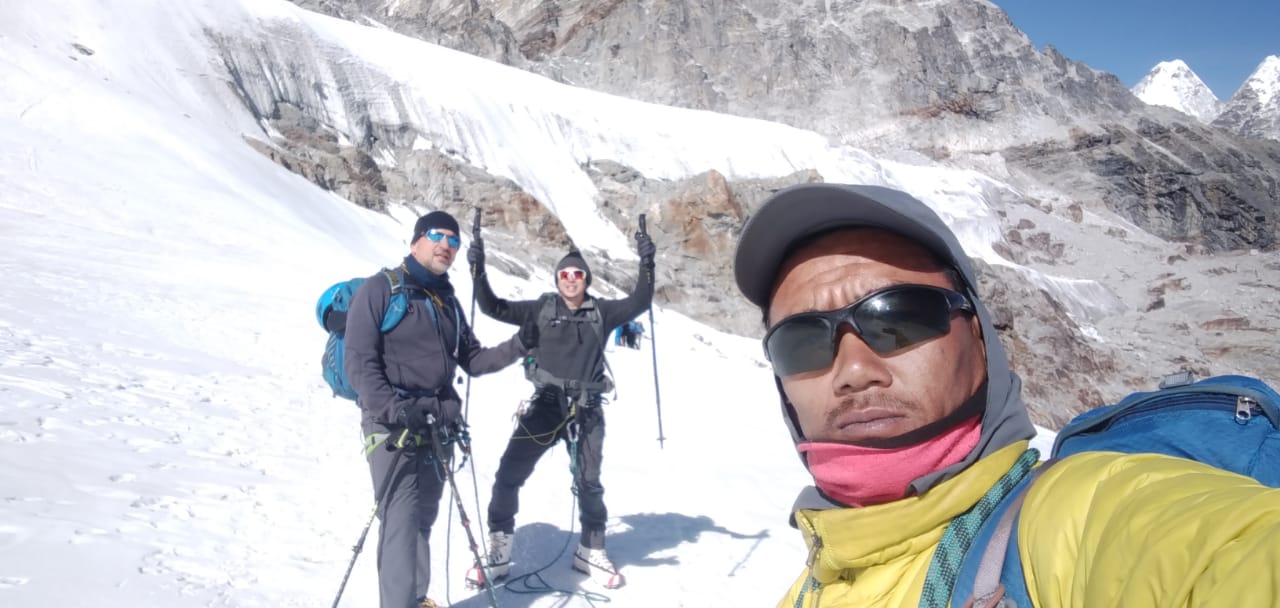
Despite its popularity and classification as a trekking peak, Island Peak is considered more technically demanding than Mera Peak, even with its slightly lower altitude. The summit day involves navigating a heavily crevassed glacier, necessitating the use of ladders to cross deep fissures, and ascending a steep 300-meter ice headwall with the aid of fixed ropes.
Climbers must demonstrate proficiency in using essential mountaineering tools such as an ice axe, crampons, a jumar (ascender) for fixed lines, and a descender for abseiling during the descent. While basic mountaineering training is often provided at base camp, prior winter mountaineering experience is highly recommended to ensure a safer and more successful ascent.
A typical Island Peak climb spans approximately 14 to 19 days, including crucial acclimatization periods. The expedition often follows the well-trodden classic Everest Base Camp trekking trail, passing through renowned Sherpa settlements such as Namche Bazaar, Tengboche, and Dingboche. This approach route is strategically designed to aid in gradual acclimatization, allowing climbers to adjust to the increasing altitude while immersing themselves in the rich Sherpa culture and stunning Himalayan landscapes.
An example itinerary for Island Peak climbing typically unfolds as follows:
- Day 1: Arrival in Kathmandu (1400m), followed by transfer to a hotel and initial trek preparations.
- Day 2: A rest day in Kathmandu for briefing and final checks.
- Day 3: A scenic flight to Lukla (2840m), then a trek to Phakding (2650m).
- Day 4: Trek from Phakding to Namche Bazaar (3440m), the bustling Sherpa capital.
- Day 5: An essential acclimatization day at Namche Bazaar, with options for local hikes.
- Day 6: Trek from Namche Bazaar to Tengboche (3855m), home to a famous monastery.
- Day 7: Continue the trek from Tengboche to Dingboche (4360m).
- Day 8: Another rest and acclimatization day at Dingboche, or a short trek to Chhukung (4735m).
- Day 9: Trek from Chhukung to Island Peak Base Camp (5200m).
- Day 10: Summit Island Peak (6189m) in the early morning, followed by descent back to Chhukung.
- Day 11: A contingency day for climbing in case of unfavorable weather or an extra day for rest.
- Day 12-14: Begin the descent, trekking back through Tengboche and Namche Bazaar to Lukla, and then flying back to Kathmandu.
The popularity of Island Peak as a “training peak” for Mount Everest expeditions highlights a strategic pathway for climbers to progressively build their skills and experience within Nepal’s diverse climbing landscape. The technical challenges encountered on Island Peak, such as crossing crevasses, using fixed lines, and jumaring, are representative of the skills required for higher expedition climbs.
This provides a natural progression for mountaineers, allowing them to gain confidence and refine their techniques in a relatively more controlled environment before attempting the formidable 8000-meter peaks. This also speaks to the quality of training and guiding available for peak climbing in Nepal, ensuring climbers are well-prepared for their ambitious endeavors.
Mera Peak: Nepal’s Highest Trekking Peak for Peak Climbing in Nepal 2026 and 2027
Mera Peak, standing majestically at 6,476 meters (21,247 feet), holds the distinction of being recognized as Nepal’s highest trekking peak. It is situated to the south of Mount Everest, within the Mahalangur section and Barun sub-section of the Himalayas, specifically in the remote Makalu Region. The mountain features three main summits: Mera North (6476m), Mera Central (6461m), and Mera South (6065m), with Mera Central being the most frequently chosen for ascents.
Mera Peak is widely regarded as a non-technical climb, making it an excellent choice for beginners seeking their inaugural high-altitude experience. The ascent primarily involves walking on snow-covered slopes, though the final push to the summit requires the proficient use of crampons, fixed ropes, and an ice axe on glaciated terrain.
While technically less demanding than Island Peak, its significantly higher altitude translates to considerably reduced oxygen levels, necessitating exceptional physical endurance and meticulous acclimatization. Furthermore, Mera Peak can be more exposed to strong winds and experience colder conditions compared to Island Peak, adding to its challenge.
A typical Mera Peak expedition spans approximately 14 to 20 days, including dedicated acclimatization days. The trek often commences from Lukla and proceeds through the secluded Hinku Valley, offering a more profound “expedition feel” in contrast to the more commercialized Everest Base Camp route.
An example itinerary for Mera Peak climbing typically includes:
- Day 1: Arrival in Kathmandu (1400m), followed by hotel transfer and trek preparations.
- Day 2: Fly to Lukla (2840m) and trek to Chutanga (3100m), a small settlement surrounded by cliffs and mountains.
- Day 3: Trek from Chutanga to Thuli Kharka (4300m), crossing the Zatrwa La Pass (4600m).
- Day 4: Descend from Thuli Kharka to Kothe (3691m), entering the scenic Hinku Valley.
- Day 5: Trek from Kothe to Thaknak (4358m).
- Day 6: Continue the trek from Thaknak to Khare (5045m), which serves as the Mera Peak Base Camp, offering magnificent views of Mera Peak’s north face.
- Day 7: An essential acclimatization day at Khare, including pre-climb training sessions.
- Day 8: Trek from Khare to Mera High Camp (5780m).
- Day 9: Summit Mera Peak (6461m) in the early morning, then descend back to Khare.
- Day 10: A contingency day reserved for the Mera Peak summit in case of adverse weather or other unforeseen circumstances.
- Day 11-14: Begin the descent, trekking back through Kothe and Thuli Kharka to Lukla, followed by a flight back to Kathmandu.
The “non-technical” nature of Mera Peak, despite its considerable altitude, presents a unique opportunity for aspiring high-altitude climbers. It allows them to test their physical endurance and acclimatization capabilities without the immediate requirement for an extensive technical mountaineering background.
This highlights that the altitude itself, with its significantly reduced oxygen levels, is a primary challenge, independent of complex climbing maneuvers. Consequently, Mera Peak serves as an ideal stepping stone for those aiming for higher, more technical peaks in the future, by first mastering the physiological demands of extreme altitude. This positions Mera Peak as a crucial experience for progressive peak climbing in Nepal.
Lobuche East Peak: Acclimatization and Challenge in Peak Climbing in Nepal 2026 and 2027
Lobuche Peak comprises two prominent summits: Lobuche East (6,145m/20,161ft) and Lobuche West (6,119m/20,075ft). It is strategically located in the Khumbu region, majestically towering above the Khumbu Glacier. Among the two, Lobuche East is more frequently climbed due to its greater accessibility and classification by the NMA as a trekking peak.
Lobuche East is often undertaken by mountaineering teams preparing for expeditions on Mount Everest, serving as an excellent acclimatization climb. Its close proximity to Everest Base Camp and the unparalleled, sweeping views of iconic peaks such as Everest, Lhotse, Makalu, and Nuptse make it a highly popular choice for climbers seeking a challenging yet profoundly rewarding experience.
The role of Lobuche East as an acclimatization climb for Everest expeditions underscores the critical importance of progressive altitude exposure in high-altitude mountaineering. This practice directly aligns with broader safety principles of gradual ascent and proper acclimatization.
It demonstrates that even highly experienced climbers recognize the absolute necessity of allowing the body to adapt to increasing altitude, rather than rushing directly to the summit of higher peaks. This strategic use positions Lobuche East as a vital component in a comprehensive mountaineering plan for those serious about advanced peak climbing in Nepal.
Other Notable Peaks for Peak Climbing in Nepal 2026 and 2027
Beyond the most popular choices, Nepal boasts a multitude of other peaks that offer diverse climbing experiences, catering to various skill levels and regional preferences. These peaks contribute to the rich tapestry of opportunities for peak climbing in Nepal.
- Yala Peak: Ideal for Beginner Peak Climbing in Nepal: Standing at 5,520 meters (18,110 feet), Yala Peak is recognized as one of the easier trekking peaks, making it an excellent option for first-time high-altitude climbers. Located in the picturesque Langtang region, it provides stunning panoramic views of the Langtang Range and, remarkably, even Shishapangma, the highest peak entirely within Tibet. Its accessibility by ground transport from Kathmandu further enhances its appeal for those new to peak climbing in Nepal.
- Pisang Peak: Annapurna Region’s Scenic Peak Climbing in Nepal: Pisang Peak, with an altitude of 6,091 meters (19,978 feet), is frequently combined with the classic Annapurna Circuit trek, offering a comprehensive Himalayan adventure. From its summit, climbers are rewarded with magnificent panoramas of the Annapurna range, including Annapurna II, IV, and III. It is considered slightly more difficult to summit than Island Peak.
- Tent Peak (Tharpu Chuli): Annapurna Sanctuary Views for Peak Climbing in Nepal: Also known as Tharpu Chuli, Tent Peak reaches 5,663 meters (18,575 feet) and is centrally located within the breathtaking Annapurna Sanctuary. Its position offers unparalleled close-up views of surrounding giants, including Machhapuchhre (Fish Tail) and Annapurna I. The climb to this peak is generally considered easier compared to other mountains in the Annapurna region.
- Chulu West Peak: A Thrilling Annapurna Adventure in Peak Climbing in Nepal: Chulu West Peak, standing at 6,419 meters (21,055 feet), is a popular choice within the Annapurna region. It is renowned for its thrilling adventure and close panoramic views of numerous marvelous mountains, including Nilgiri, Dhaulagiri, and the Annapurna massif. It is not technically demanding, making it accessible to a broader range of climbers.
The geographical distribution of these popular trekking peaks across different regions—including the Everest (Khumbu) region, Annapurna region, and Langtang region—indicates the diverse cultural and scenic experiences available for peak climbing in Nepal.
This geographical variety means that climbers can select an expedition not only based on their desired level of difficulty but also on the specific type of cultural immersion and mountain vistas they wish to experience. This broadens the overall appeal of peak climbing in Nepal, catering to a wider range of interests beyond the sole objective of reaching a summit.
Table 1: Popular Peak Climbing Destinations in Nepal
| Peak Name | Altitude (m/ft) | Region | General Difficulty | Key Highlight |
| Island Peak | 6,189m / 20,305ft | Everest | Technical | Most popular, Everest training peak |
| Mera Peak | 6,476m / 21,247ft | Makalu | Non-technical | Nepal’s highest trekking peak, panoramic views |
| Lobuche East | 6,145m / 20,161ft | Everest | Moderate/Technical | Acclimatization for Everest, Khumbu Glacier views |
| Yala Peak | 5,520m / 18,110ft | Langtang | Easy | Ideal for beginners, close to Kathmandu |
| Pisang Peak | 6,091m / 19,978ft | Annapurna | Moderate | Scenic Annapurna views, often with Annapurna Circuit |
| Tent Peak | 5,663m / 18,575ft | Annapurna | Easy | Annapurna Sanctuary views, unique formation |
| Chulu West Peak | 6,419m / 21,055ft | Annapurna | Moderate | Thrilling Annapurna adventure, panoramic views |
4. Best Seasons for Peak Climbing in Nepal 2026 and 2027
Choosing the right season is paramount for a successful and enjoyable peak climbing in Nepal expedition. The Himalayan weather patterns dictate the optimal windows for mountaineering, offering stable conditions that enhance both safety and the overall experience.
Spring Season (March-May): Optimal Conditions for Peak Climbing in Nepal 2026 and 2027
The spring season, spanning from March to May, is widely regarded as one of the two most favorable periods for peak climbing in Nepal. During these months, the Himalayas experience stable weather conditions, characterized by dry trekking trails and predominantly clear days, which collectively contribute to a comfortable and highly rewarding climbing experience.
Temperatures are generally warm and pleasant, making the arduous climbs more manageable. Beyond the favorable weather, spring offers unique natural allurements, including charming waterfalls and streams nourished by melting snow, opportunities for observing migratory birds, and vibrant, diverse landscapes brimming with life and color. This season is particularly ideal for climbing many high peaks, including Makalu, Baruntse, and Ama Dablam.
Autumn Season (September-November): Another Prime Window for Peak Climbing in Nepal 2026 and 2027
The autumn season, from September to November, represents the other prime window for peak climbing in Nepal, often considered the premier season for general trekking adventures in the country. This period is distinguished by moderate temperatures, typically averaging between 10°C and 18°C in the Himalayan region, accompanied by refreshing and crisp breezes, especially in the mornings and evenings.
Autumn is an ideal time for expeditions in the western part of the Himalayas, encompassing peaks like Mt. Manaslu and Mt. Annapurna. The attractions of this season extend to vibrant flora and fauna, the diverse delicacies of the harvest season, easily accessible high mountain passes, and exceptional opportunities for stargazing under clear night skies. Significantly, autumn also coincides with some of Nepal’s grandest festivals, such as Dashain, Tihar, Chhath, Indra Jatra, and Mani Rimdu, providing a unique chance for cultural immersion alongside the mountaineering adventure.
The distinct advantages offered by both the spring and autumn seasons for peak climbing in Nepal suggest that the “best” time to undertake an expedition is subjective and depends heavily on a climber’s priorities. While both seasons promise stable weather, spring is often highlighted for its natural beauty, including blooming rhododendrons and wildlife photography opportunities, whereas autumn is celebrated for its cultural prospects and festive atmosphere.
This implies that climbers should align their trip timing not just with optimal weather stability but also with their personal interests beyond the climb itself, adding a layer of nuanced planning to their peak climbing in Nepal adventure.
Considerations for Off-Season Peak Climbing in Nepal 2026 and 2027
While the peak seasons offer the most favorable conditions, some daredevil mountaineers undertake peak climbing in Nepal during the off-season, which presents significantly greater challenges and risks. Winter, from December to February, is the coldest season in the Himalayas, with daytime temperatures around 4°C and night/early morning temperatures averaging between -4°C and -12°C on trekking trails, dropping even lower in alpine environments. This extreme cold dramatically increases the difficulty of climbing and elevates the risk of severe conditions such as frostbite and hypothermia.
The monsoon season, from June to August, brings heavy rainfall, making trekking trails exceedingly slippery and significantly increasing the risk of landslides and avalanches. The constant precipitation can also lead to rising river levels, making river crossings more perilous. The specific challenges of off-season peak climbing in Nepal, including extreme cold, heavy rainfall, and increased natural hazards, underscore the inherent dangers of high-altitude environments and emphasize the critical importance of choosing the right season for safety.
The detailed descriptions of winter and monsoon conditions serve as a strong cautionary note, reinforcing the safety principle of choosing the right season by clearly explaining why certain periods are dangerous. This directly links environmental factors to potential life-threatening risks, such as frostbite, hypothermia, landslides, and avalanches.
5. Essential Permits and Regulations for Peak Climbing in Nepal 2026 and 2027
Embarking on peak climbing in Nepal requires careful adherence to a series of permit requirements and government regulations. These measures are in place to ensure the safety of climbers, protect the fragile Himalayan environment, and regulate tourism activities.
Nepal Mountaineering Association (NMA) Permits for Peak Climbing in Nepal
Any individual or mountaineering team desirous of undertaking peak climbing in Nepal on peaks listed by the NMA must first obtain official permission from the Nepal Mountaineering Association.
Application Process and Required Documents
Applications for climbing permits can be submitted in person at the NMA or Department of Tourism (DoT) office in Kathmandu, or more commonly, through a registered trekking agency in Nepal. Permits are typically granted for one month, with the possibility of extension for an additional two weeks if necessary; this period specifically covers time spent climbing above the base camp, excluding the trek to and from it. The application process operates on a first-come, first-served basis, and the NMA reserves the right to grant permission to multiple parties for the same peak during the same period.
Required documents for obtaining a climbing permit include a valid passport with at least six months of remaining validity, a valid visa for Nepal, two passport-sized photographs, a completed application form, and comprehensive proof of insurance. This insurance must cover accidental injury (to the value of NPR 1,500,000), medical expenses (NPR 400,000), and helicopter rescue (USD 10,000).
Additionally, a letter of recommendation from a recognized mountaineering organization and details of climbing experience and qualifications may be required. It is mandatory for every individual or party granted a climbing permit to be accompanied by an NMA-registered Sirdar or Guide. A garbage deposit may also be required, which is refundable upon clearance from the relevant authorities.
Peak Climbing in Nepal Permit Fees by Altitude and Season (2025 Updates)
Permit fees for peak climbing in Nepal vary significantly based on the peak’s altitude and the climbing season, with updated rates effective from September 1, 2025. These tiered fees reflect the varying levels of challenge, demand, and logistical requirements associated with different peaks and times of the year.
Table 2: Peak Climbing Permit Fees for Foreigners (by Altitude and Season)
| Mountain Altitude Range | Spring Season (USD) | Autumn Season (USD) | Winter & Summer Season (USD) |
| Up to 6,500m | 350 | 175 | 175 |
| 6,501m – 7,000m | 500 | 250 | 200 |
| 7,001m – 7,500m | 800 | 400 | 200 |
| 7,501m – 8,000m | 1,000 | 500 | 250 |
| Above 8,000m (except Everest) | 3,000 | 1,500 | 750 |
| Mount Everest (Normal Route) | 15,000 | 7,500 | 3,750 |
Note: The fees listed for Everest are for the South East Ridge Normal Route. Other routes have different fees. Manaslu Mountain has a unique fee structure as well, with Autumn being higher than Spring.
The tiered permit fee structure, with higher costs in peak seasons and for higher altitudes, represents a market-based approach to managing demand and generating revenue for the Nepalese government and the NMA. The varying fees are designed to potentially distribute climbers across different seasons and peaks, which could help reduce congestion on popular routes during peak times. The significantly higher fees for Mount Everest, for instance, underscore its premium status and the substantial resources required for its management and the associated rescue operations.
This financial system plays a crucial role in funding conservation efforts, maintaining trekking infrastructure, and promoting sustainable tourism, with funds often used to support local communities and development initiatives in rural areas. This financial aspect is a critical consideration for anyone planning peak climbing in Nepal.
Trekkers’ Information Management System (TIMS) Card: A Mandatory Requirement for Peak Climbing in Nepal 2026 and 2027
The Trekkers’ Information Management System (TIMS) Card, jointly implemented by the Nepal Tourism Board (NTB) and the Trekking Agencies’ Association of Nepal (TAAN), is a mandatory requirement for all trekkers, including those undertaking peak climbing in Nepal. This system serves a vital purpose in ensuring trekkers’ safety and security by maintaining a comprehensive record of their whereabouts, which is crucial for efficient rescue operations in case of emergencies or natural calamities.
The cost of an E-TIMS Card for international trekkers is NPR 2000 per person for Free Individual Trekkers (FITs) and NPR 1000 for group trekkers. Trekkers from South Asian Association for Regional Cooperation (SAARC) countries benefit from lower rates, paying NPR 600 for FITs and NPR 300 for group trekkers. To obtain a TIMS card, applicants typically need a valid passport, a valid visa for Nepal, two passport-sized photos, and a detailed trekking itinerary. The card is generally obtained through a government-registered trekking agency that is a member of TAAN, ensuring proper registration and compliance.
The TIMS card system represents a significant governmental effort to enhance safety and accountability within Nepal’s trekking and climbing industry, moving towards a more regulated and secure tourism environment. The primary objective of TIMS is to improve safety and security, particularly for rescue operations, by addressing past difficulties in locating missing trekkers due to a lack of proper record systems. By requiring all trekkers to register, the government gains better oversight and can facilitate more efficient emergency responses, thereby creating a safer environment for those engaging in peak climbing in Nepal.
National Park and Conservation Area Entry Permits
In addition to the NMA climbing permits and the TIMS card, climbers must also obtain entry permits for the specific National Parks or Conservation Areas their chosen peak is located within. For instance, climbers in the Everest region will require a Sagarmatha National Park Entry Permit, while those in the Annapurna region will need an Annapurna Conservation Area Permit (ACAP). The fees collected from these permits are crucial for the maintenance of trekking trails, the construction of basic infrastructure, and the promotion of sustainable tourism in the rural areas surrounding these protected zones.
Key Government Regulations for Peak Climbing in Nepal 2026 and 2027
Nepal’s government has implemented several key regulations to ensure the safety, environmental protection, and cultural integrity of mountaineering activities. These rules are vital for anyone planning peak climbing in Nepal.
Solo Climbing Ban and Mandatory Guide Requirement
Nepal has introduced strict new mountaineering regulations, specifically banning solo expeditions on Mount Everest and other peaks above 8000 meters. Under these new rules, climbers must be accompanied by a mountain guide, a measure designed to ensure stricter safety protocols and more regulated expeditions. This mandatory guide requirement extends to NMA-listed peaks, where every individual or party granted a climbing permit must be accompanied by a Sirdar or guide registered with the NMA.
The ban on solo climbing and the mandatory guide requirement for peak climbing in Nepal above certain altitudes signify a clear policy decision to prioritize safety and support local employment over individual autonomy in inherently high-risk environments. This explicit prohibition aims to mitigate the extreme dangers associated with solo climbing, where unpredictable conditions and the absence of immediate support can lead to fatal outcomes.
Furthermore, this regulation ensures guaranteed employment for local guides, directly channeling tourism revenue into local communities and contributing to the economic well-being of the region, aligning with broader sustainable tourism objectives. This policy directly impacts the planning and cost considerations for independent climbers interested in peak climbing in Nepal.
Environmental Protection and Responsible Peak Climbing in Nepal
Strict regulations are in place to protect the fragile Himalayan environment, which is susceptible to degradation from increased human activity. Base camps and other temporary camps must be left perfectly clean upon the conclusion of a climb, with no foreign materials such as fixed ropes or pitons left behind on the mountain. All rubbish and waste materials must be either burnt or disposed of properly, adhering to stringent environmental guidelines.
Climbers are strongly encouraged to practice “Leave No Trace” principles, minimizing their impact on the natural surroundings. These detailed regulations on environmental protection and local conduct reflect a growing awareness of the ecological and cultural impact of tourism, aiming for sustainable peak climbing in Nepal. The rules about proper waste disposal, avoiding damage to flora and fauna, and respecting local customs demonstrate a profound commitment to preserving Nepal’s natural and cultural heritage for future generations. This is crucial for the long-term sustainability of tourism and ensures that the economic benefits of peak climbing in Nepal are not outweighed by negative environmental or cultural consequences.
Load Limits and Communication Guidelines
Regulations also specify maximum load weights for high-altitude workers and porters to ensure their safety and well-being. For altitudes between 5000 and 6000 meters, the maximum load is 20 kilograms; for 6001 to 7000 meters, it is 17 kilograms; for 7001 to 8000 meters, 14 kilograms; and for altitudes above 8000 meters, the limit is 12 kilograms. Mountaineering teams are also restricted to using only approved means of communication and are prohibited from engaging in any activity that may be contrary to local customs, religious, social, or cultural traditions, or that could adversely affect Nepal’s security and reputation. They are also forbidden from damaging or destroying any natural heritage or environment along their route.
6. Comprehensive Preparation for Your Peak Climbing in Nepal 2026 and 2027 Adventure
Undertaking peak climbing in Nepal is a significant endeavor that demands thorough and multi-faceted preparation. Success and safety hinge not only on physical prowess but also on mental fortitude, meticulous gear planning, and a deep understanding of high-altitude physiology.
Physical Training and Conditioning for Peak Climbing in Nepal 2026 and 2027
High-altitude peak climbing in Nepal requires individuals to be in excellent physical, emotional, and psychological condition. A dedicated training program should ideally commence 3 to 4 months before the expedition, focusing on developing both stamina and strength.
Endurance and Strength Training Regimens
Recommended exercises for physical conditioning include weighted backpack uphill hiking, consistent walking, and stair climbing, which effectively simulate the sustained effort required during a climb. Cardiovascular training is essential for developing a robust cardiovascular system, which functions more efficiently in low-oxygen environments. This should involve aerobic activities such as running, jogging, swimming, or cycling, performed for 30 to 60 minutes, three to five times per week. While high-intensity interval training (HIIT) can be beneficial, the sustained nature of high-altitude treks suggests a focus on moderate, steady-state cardio to train the appropriate energy pathways and muscles for prolonged exertion.
Strength training is equally crucial, helping to prepare leg muscles and the upper body for carrying heavy loads, as well as strengthening the core for stability. Resistance training, whether through lifting weights, using resistance bands, or bodyweight exercises like squats, lunges, push-ups, and crunches, should be incorporated two to three times per week. It is often advised to perform resistance work before endurance training to maximize the energy available for muscle development. Gradual progression is key, increasing intensity and duration by about 10% per week to prevent injuries and allow the body to adapt.
Importance of Acclimatization for Peak Climbing in Nepal 2026 and 2027
Proper acclimatization is paramount to prevent Acute Mountain Sickness (AMS), High Altitude Pulmonary Edema (HAPE), and High Altitude Cerebral Edema (HACE), all of which are life-threatening conditions that can arise from reduced oxygen levels at high altitudes. The primary strategy for prevention involves a gradual ascent, ideally not exceeding 500 meters of elevation gain per day above 3000 meters.
Maintaining consistent hydration by drinking plenty of water, taking regular rest days to allow the body to adjust, and recognizing the early symptoms of AMS (such as headache, dizziness, nausea, and fatigue) are critical. If symptoms worsen, immediate descent is the most vital action. For those with access, altitude simulation through high-altitude gyms or hypoxic masks can also aid in preparing the body for reduced oxygen environments.
The emphasis on a holistic training approach—encompassing physical conditioning, mental preparation, and strategic acclimatization—for peak climbing in Nepal highlights that success is not merely a function of raw strength but also strategic physiological adaptation and psychological resilience.
The detailed training guidelines, which include gradual progression, scheduled rest, and even altitude simulation, indicate that the body requires systematic preparation for the unique stresses of high altitude and low oxygen. The inclusion of mental health as a critical component further underscores that a successful climb is a profound mind-body challenge, where psychological resilience in the face of harsh conditions, exhaustion, and unforeseen difficulties is as vital as physical endurance.
Table 3: Sample Weekly Training Program for High-Altitude Climbing
| Day | Aerobic Training | Strength Training | Other Conditioning |
| Day 1 | 30-60 minutes jogging or cycling (moderate intensity) | Leg and core workout (squats, lunges, planks) | 15 minutes stair climbing |
| Day 2 | Rest day | Rest day | Rest day |
| Day 3 | 20-30 minutes HIIT workout | Upper body workout (push-ups, pull-ups, rows) | 2-3 hour hike (gradually increasing distance/duration) |
| Day 4 | 30-60 minutes jogging or cycling (moderate intensity) | Leg workout (variations of squats, calf raises) | 15 minutes of stair climbing |
| Day 5 | Rest day | Rest day | Rest day |
| Day 6 | HIIT workout | Core workout (sit-ups, bicycle crunches) | 2-3 hour hike with gradually increasing backpack weight |
| Day 7 | 30-60 minutes jogging or cycling (moderate intensity) | Light stretching/recovery | 15 minutes of stair climbing |
Mental Preparation: The Psychological Aspect of Peak Climbing in Nepal 2026 and 2027
Peak climbing in Nepal is inherently as much a mental challenge as it is a physical one. Climbers must be prepared to face and overcome harsh environmental conditions, profound physical exhaustion, and prolonged exposure to high altitudes, which can significantly test one’s endurance. Developing a strong and resilient mentality is crucial for making critical, often life-saving, decisions under immense stress and for coping with psychological pressures such as loss of appetite at higher elevations. The ability to maintain focus, manage discomfort, and persevere through difficult moments is paramount for a successful and safe expedition.
Comprehensive Gear and Packing List for Peak Climbing in Nepal 2026 and 2027
A meticulous and comprehensive gear and packing list is indispensable for any peak climbing in Nepal adventure. The goal is to pack efficiently with lightweight, heavy-duty, and multi-purpose gear to ensure comfort, safety, and functionality in the cold, thin air of the Himalayas. Overburdening porters is also a practical concern, as they typically carry a maximum of 20 to 25 kilograms.
Essential Clothing Layers
Layering clothing is fundamental due to the unpredictable and rapidly changing weather conditions in the mountains. This system should include:
- Moisture-wicking base layers: Short and long-sleeve Merino shirts to manage perspiration.
- Insulating mid-layers: Wool or fleece sweaters and trousers, and a lightweight down jacket or vest for warmth.
- Waterproof and windproof outer layers: A hardshell jacket and pants, or a full raincoat, to protect against precipitation and strong winds.
- Additional items such as thermal bottoms, convertible trekking pants, and insulated pants are also necessary for varying conditions.
Specialized Climbing Equipment
Critical items of specialized climbing equipment are non-negotiable for safety and successful ascent:
- Footwear: High-quality, waterproof trekking boots with ankle support, and mountaineering boots that are compatible with crampons.
- Traction and Support: Crampons for ice and snow, an ice axe for balance and self-arrest, and trekking poles for stability.
- Rope Work Gear: A UIAA-tested helmet for head protection, a climbing harness, an ascender (jumar) for fixed lines, a descender (figure of eight or ATC) for rappelling, screw gate/carabiners for connections, and prusik rope.
- Some group climbing gear, such as fixed ropes, rock pickets, and snow bars, is often provided by reputable trekking agencies.
Personal, Safety, and Medical Items
A large waterproof duffel bag for main luggage and a medium daypack for daily essentials are crucial. Other vital personal and safety items include:
- Lighting and Navigation: A headlamp or torch with extra batteries, and UV-protective sunglasses or glacier glasses.
- Sleeping Gear: A down sleeping bag rated for sub-zero temperatures, an insulated sleeping pad, and sleepwear.
- Head, Hand, and Foot Protection: A sun hat or cap, face mask or balaclava, thin liner gloves, waterproof outer gloves, and insulated gloves or mittens for extreme cold. Thick wool socks and liner socks are also essential.
- Hygiene and Hydration: Personal hygiene items (toothbrush, toothpaste, wet wipes, hand sanitizer), a quick-dry microfiber towel, sunscreen (SPF 50+), and lip balm with SPF. A hydration bladder, water purification tablets or filter drops, and a refillable insulated water bottle are critical for hydration.
- Medical and Emergency: A comprehensive first-aid kit, including Diamox for altitude sickness, pain killers, antihistamines, antibiotics, oral rehydration salts, and blister cream. An emergency blanket, thermometer, and any personal medications are also vital.
- Food: Energy-rich snacks such as dried fruits, trail mix, nuts, and peanut butter are highly recommended for sustained energy.
- Documents and Electronics: Valid passport, visa, trekking and climbing permits, travel insurance, airline tickets, credit/debit cards, and local currency. A smartphone, a camera with extra batteries, a power bank, and an adapter are also useful.
The extensive and specialized gear list required for peak climbing in Nepal underscores the extreme conditions encountered at high altitudes and the non-negotiable nature of proper equipment for ensuring safety and success. The emphasis on items like UIAA-tested helmets and crampon-compatible boots highlights the critical role of quality and specialized equipment in preventing injuries and ensuring survival in a challenging environment. This means that investing in or renting appropriate, high-quality gear is as important as physical training for a safe and successful peak climbing in Nepal expedition.
7. Risks and Safety Measures in Peak Climbing in Nepal 2026 and 2027
While peak climbing in Nepal offers unparalleled adventure and breathtaking beauty, it also comes with inherent risks. A thorough understanding of these dangers and adherence to stringent safety measures are crucial for a successful and injury-free expedition.
Understanding Altitude Sickness (AMS, HAPE, HACE) and Prevention
Altitude sickness is one of the most significant and potentially life-threatening risks encountered during peak climbing in Nepal. As climbers ascend to higher altitudes, the atmospheric pressure decreases, leading to a reduction in the amount of available oxygen. This physiological stress can manifest as Acute Mountain Sickness (AMS), characterized by mild symptoms such as headache, dizziness, nausea, fatigue, shortness of breath during exertion, and disturbed sleep.
If AMS is not promptly addressed, it can escalate into severe and life-threatening conditions. High Altitude Pulmonary Edema (HAPE) is marked by a dangerous buildup of fluid in the lungs, making breathing extremely difficult and leading to persistent coughing or chest congestion. High Altitude Cerebral Edema (HACE) involves swelling of the brain, resulting in severe headache, loss of coordination (ataxia), altered mental states, and potentially bluish discoloration of the skin or lips. Both HAPE and HACE require immediate medical attention and, most critically, immediate descent.
Prevention is paramount: climbers must ascend gradually, avoiding rapid gains in altitude (ideally no more than 500 meters per day above 3000 meters). Staying well-hydrated by drinking plenty of water, incorporating regular rest days into the itinerary, and recognizing the early symptoms of altitude sickness (such as headache, dizziness, nausea, and fatigue) are essential. If symptoms worsen, immediate descent is the most vital and often life-saving action. Eating a high-calorie diet, rich in carbohydrates, also helps maintain energy levels at high altitudes.
The detailed explanation of AMS progression from mild symptoms to severe conditions like HAPE and HACE, along with its underlying cause (reduced atmospheric pressure and oxygen levels), highlights the physiological fragility of the human body at extreme altitudes. This makes altitude sickness a primary safety concern for peak climbing in Nepal. The explicit breakdown of symptoms and the progression to life-threatening conditions serves as a critical warning. This underscores why meticulous acclimatization and prompt recognition of symptoms are non-negotiable safety measures, and why the advice to “descend if necessary” is the most vital recommendation for survival in these environments.
Navigating Glacial Hazards: Crevasses and Seracs
Glacial traverses are common features on many high-altitude peaks in Nepal, presenting inherent hazards that require careful navigation. These include hidden crevasses—deep, open cracks in glaciers often deceptively covered by a thin layer of snow—and seracs, which are towering blocks of ice that can collapse without warning. A wrong step over a hidden crevasse can lead to a fatal fall if climbers are not properly roped up. Effective rope work, constant vigilance, and the expertise of experienced guides are absolutely essential to mitigate these risks. Guides are skilled in identifying and navigating these treacherous features, ensuring the safety of the climbing party.
Weather Challenges and Environmental Risks in Peak Climbing in Nepal 2026 and 2027
Nepal’s mountain weather is notoriously unpredictable, with sudden and drastic changes posing significant dangers to climbers. Rapid weather shifts, including unexpected snowfall, strong winds, and extreme cold, can disorient climbers, leading them off their intended route. Such changes also significantly increase the risk of avalanches or landslides, particularly with fresh snow accumulation.
These conditions can create environments conducive to severe cold injuries like frostbite or hypothermia. Unforeseen storms can trap climbers at base camps or higher camps, forcing them to wait out bad weather, which can deplete essential supplies and increase the overall duration and risk of the expedition. Additionally, rockfall, caused by the sun heating up the mountain slopes, is another environmental risk that climbers must be constantly aware of, requiring swift movement across hazardous zones.
The unpredictable nature of Himalayan weather conditions adds a significant layer of risk to peak climbing in Nepal, making flexibility and constant vigilance crucial. The emphasis on “unpredictable weather” and its severe consequences—including disorientation, avalanches, frostbite, hypothermia, and being trapped—highlights that external environmental factors are often beyond a climber’s control. This necessitates continuous monitoring of weather updates, maintaining flexibility in itineraries, and a willingness to turn back if conditions deteriorate. Such dynamic conditions underscore the importance of experienced guides who possess the expertise to interpret weather patterns and make critical decisions to ensure the safety of the climbing party.
Crucial Safety Tips for a Successful Peak Climbing in Nepal 2026 and 2027 Expedition
Beyond rigorous physical preparation and meticulous acclimatization, several crucial safety tips are indispensable for a successful and secure peak climbing in Nepal expedition. These measures collectively minimize inherent risks and enhance the overall safety profile of the adventure.
First, timing is critical; choosing the right season, typically spring or autumn, significantly reduces exposure to extreme weather conditions and associated hazards.
Second, hiring experienced guides and porters is paramount. These professionals possess invaluable local knowledge, mountaineering expertise, and the ability to make critical decisions in challenging situations.
Third, using only quality, well-fitting climbing gear is non-negotiable, as poor equipment increases risks and discomfort.
Fourth, consistently checking weather conditions before and during the climb is vital, as sudden changes can quickly turn a safe situation dangerous.
Fifth, obtaining all necessary permits—NMA permits, TIMS cards, and national park entry permits—ensures legal compliance and provides a safety net through official tracking systems.
Sixth, following a proper, high-calorie diet is essential to maintain energy levels and support the body’s functions at high altitudes.
Finally, climbing in groups is strongly advised, as it reduces risks by ensuring immediate help is available in emergencies; solo climbing is generally prohibited for higher peaks due to its inherent dangers. Maintaining communication devices like radios or satellite phones within the group is also highly recommended for emergency contact.
The comprehensive nature of these safety tips for peak climbing in Nepal indicates that a successful expedition is a multi-faceted endeavor requiring meticulous planning and unwavering adherence to best practices, rather than solely relying on individual prowess. The array of safety recommendations covers everything from individual physical readiness and essential gear to crucial logistical choices (season, guides, permits) and safe behaviors during the expedition (hydration, group adherence).
This holistic approach implies that safety is a collective responsibility and a continuous process throughout the entire expedition, rather than a one-time checklist. It underscores the profound value of engaging with reputable agencies that facilitate adherence to these guidelines, thereby enhancing the safety and likelihood of success for peak climbing in Nepal.
9. Conclusion: Embarking on Your Peak Climbing in Nepal 2026 and 2027 Journey
Peak climbing in Nepal offers an unparalleled adventure, a journey that transcends mere physical challenge to become a profound experience of self-discovery, cultural immersion, and awe-inspiring natural beauty. From the technically demanding glaciers of Island Peak to the high, non-technical snow slopes of Mera Peak, Nepal’s diverse summits cater to a wide spectrum of aspiring mountaineers, providing accessible yet challenging pathways into the heart of the Himalayas. The country’s well-established infrastructure, experienced local guides, and comprehensive regulatory framework, overseen by bodies like the NMA, ensure that these adventures are not only thrilling but also as safe and responsible as possible.
Embarking on a peak climbing journey in Nepal demands meticulous preparation—physical conditioning, mental resilience, and a thorough understanding of the necessary permits, regulations, and safety protocols. By respecting the mountains, adhering to environmental guidelines, and embracing the cultural richness of the region, climbers can ensure their expedition is not only successful in reaching a summit but also deeply rewarding and unforgettable. The Himalayas await, offering an experience that will undoubtedly elevate the spirit and create memories to last a lifetime.
FREQUENTLY ASKED QUESTIONS:
What is the easiest peak for peak climbing in Nepal?
Yala Peak, standing at 5,520 meters (18,110 feet), is widely considered one of the easiest trekking peaks in Nepal and is an excellent option for first-time high-altitude climbers. It is located in the Langtang region and is easily accessible by ground transport from Kathmandu.
Which is harder, Island Peak or Mera Peak?
While Mera Peak is Nepal’s highest trekking peak at 6,476 meters (21,247 feet), Island Peak (6,189m/20,305ft) is generally considered more technically challenging. Island Peak requires proficiency in using an ice axe, crampons, jumar, and descender for navigating crevassed glaciers and a steep ice headwall. Mera Peak, though higher, involves a more straightforward ascent primarily on snow-covered slopes, making it less technical but still demanding high physical endurance due to the altitude.
What permits are required for Peak Climbing in Nepal 2026 and 2027?
Several permits are mandatory for peak climbing in Nepal:
Nepal Mountaineering Association (NMA) Permit: Required for NMA-listed trekking peaks.
Trekkers’ Information Management System (TIMS) Card: Mandatory for all trekkers for safety and tracking.
National Park/Conservation Area Entry Permit: Required for entry into protected areas like Sagarmatha National Park or Annapurna Conservation Area, where many peaks are located.
What is the best time for Peak Climbing in Nepal in 2026 and 2027?
The two best seasons for peak climbing in Nepal are spring (March-May) and autumn (September-November). Both seasons offer stable weather conditions, clear skies, and moderate temperatures, providing optimal climbing environments. Spring is noted for blooming landscapes and wildlife, while autumn offers cultural festivals and clear mountain views.
What kind of training is needed for Peak Climbing in Nepal 2026 and 2027?
Comprehensive physical training is essential for peak climbing in Nepal, typically starting 3-4 months before the expedition. This includes:
Endurance Training: Cardiovascular exercises like running, jogging, cycling, or swimming for 30-60 minutes, 3-5 times a week.
Strength Training: Focus on leg and core workouts (squats, lunges, planks) and upper body exercises (push-ups, pull-ups) 2-3 times a week.
Conditioning: Weighted backpack uphill hiking, walking, and stair climbing to simulate trek conditions.
Acclimatization: Gradual ascent, staying hydrated, taking rest days, and recognizing altitude sickness symptoms are crucial.
What are the main risks of Peak Climbing in Nepal in 2026 and 2027?
The primary risks associated with peak climbing in Nepal include:
Altitude Sickness: Acute Mountain Sickness (AMS), which can escalate to life-threatening High Altitude Pulmonary Edema (HAPE) or High Altitude Cerebral Edema (HACE) if not managed.
Unpredictable Weather Conditions: Sudden snowfall, strong winds, and extreme cold can lead to disorientation, frostbite, hypothermia, and increased risk of avalanches or landslides.
Glacial Hazards: Hidden crevasses and unstable seracs on glaciers pose significant dangers.
Physical and Mental Strain: The prolonged exertion and harsh conditions can lead to muscle fatigue, exhaustion, and psychological pressure.
Is solo Peak Climbing in Nepal 2026 and 2027 allowed?
No, Nepal has introduced strict new mountaineering regulations that ban solo expeditions on Mt. Everest and other peaks above 8000 meters. For NMA-listed peaks, climbers must also be accompanied by an NMA-registered Sirdar or guide. This regulation is in place to enhance safety measures and ensure regulated expeditions.
What is the average cost of a peak climbing expedition in Nepal?
The average cost for a peak climbing expedition in Nepal, such as Island Peak, typically ranges from $2,500 to $4,000 per person. This cost generally covers permits, guides, and porter fees, accommodation, food, and transportation. Prices can vary based on the chosen itinerary, services, and whether you join a group or opt for a private expedition.
How much does a flight to Lukla cost for peak climbing in Nepal?
A one-way flight from Kathmandu to Lukla, which is the gateway to the Everest region and many popular climbing peaks, costs approximately $200–$250 per person. During peak seasons, early booking is recommended. A more budget-friendly option involves driving to Manthali and then flying to Lukla, costing around $150–$200, though this adds a long drive from Kathmandu.
Can I rent climbing equipment in Nepal?
Yes, it is possible to rent climbing equipment in Nepal, which can be a cost-effective option compared to purchasing all gear. A complete set of climbing equipment, including items like crampons, ice axes, and harnesses, can cost approximately $100–$200 for the entire trip. Rental options are available in Kathmandu and closer to the climbing regions, such as Chhukung for Island Peak.