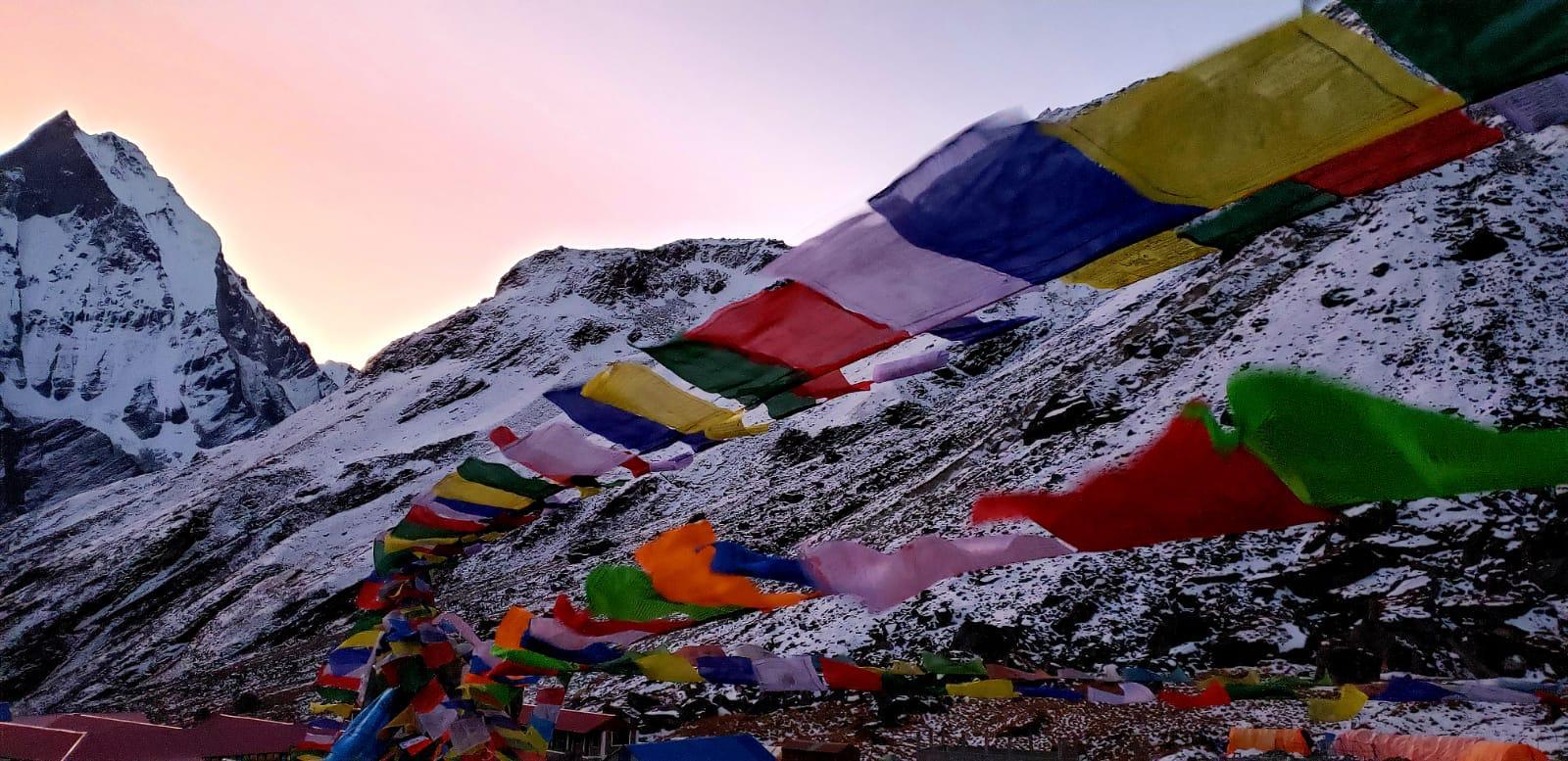


Tipping Guidelines – Island Peak Climbing. Tipping is not mandatory in Nepal, but it is customary and highly appreciated, especially in peak climbing where guides and porters work long days in challenging and high-risk environments. Tips are considered a reward for good service, professionalism, and safety.
Table of Contents
Is tipping mandatory?
No, tipping is not compulsory
But it is customary and strongly expected in trekking & climbing, especially for peaks above 6,000 m.
Tipping is seen as:
- Appreciation for hard physical work
- Recognition of safety responsibility on summit day
- A meaningful part of mountain staff income
Typical Tipping Amounts (Per Person) Tipping Guidelines Island Peak
Climbing Guide (UIAGM / NMA Licensed)
- USD 10–20 per day
- For Island Peak (15–18 days): USD 150–300 total
Trekking Guide
- USD 8–12 per day
Porter
- USD 5–10 per day
- Higher end if:
- Carrying heavy climbing gear
- Bad weather / difficult trail conditions
Summit Day Tip (Important) – Tipping Guidelines Island Peak
For peak climbing, it’s very common to add an extra tip after a successful summit, especially to:
- Climbing guide
- High-altitude assistant (if any)
Typical summit bonus:
- USD 20–50 (depending on service and difficulty)
Group vs Private Climbs – Tipping Guidelines Island Peak
- Group climb: Tips are usually pooled and shared equally
- Private climb: You tip the guide/porter directly
When & How to Tip – Tipping Guidelines Island Peak
- At the end of the trip, often after the climb or farewell dinner
- Cash only (USD or NPR)
- Given respectfully with a handshake or small thank-you speech
What Affects Tip Amount?
Increase tip if:
- Guide ensured safety in bad weather
- Extra acclimatization care
- Help with gear, ropes, or oxygen issues
- Successful summit push under tough conditions
Lower tip is acceptable if:
- Service was poor
- Guide/porter changed mid-trip without reason
Cultural Note
Even a modest tip is deeply appreciated in Nepal.
A sincere thank-you and respect often matter as much as the money.
Guide
- Typical: USD 8–15 per day for a trekking/climbing guide. Porter
- Typical: USD 5–10 per day for a porter.
These are rough per-day amounts based on service quality and expedition length.
Other Ways People Calculate Tips – Tipping Guidelines Island Peak
Percentage of trip cost:
Some guides suggest tipping around 10–15 % of your total trip cost, split fairly among the team.
Group pooling:
If you’re in a group, it’s common to pool all tip money and then distribute it together at the end of the trek.
Practical Tips
- When to give: Usually handed out at the end of the trek/climb — sometimes at a farewell dinner or final tea house.
- Cash: Bring enough cash in small USD notes or Nepalese Rupees (NPR) for tipping, since banking options on the trail are limited.
- Adjust for service: If your guide or porter went above and beyond (e.g., extra help on summit day, tough conditions), adding a bit more is appreciated.
Example estimate for a 15 – 18 Day climb:
- Guide: ~USD 120–270 total (USD 8–15/day)
- Porter: ~USD 75–180 total (USD 5–10/day)
You can adjust up or down based on your satisfaction and budget.
Tipping – Frequently Asked Questions (FAQ)
Is tipping mandatory in Nepal?
Tipping in Nepal is not mandatory, but it is a well-established custom in trekking and peak climbing. Tips are a way to show appreciation for the hard work, safety support, and commitment provided by your guides and porters throughout the expedition.
Who should I tip during a peak climbing trip?
You may tip:
- Climbing Guide (NMA licensed)
- Trekking Guide
- Porters / High-altitude porters (if applicable)
All staff play an important role in your safety, comfort, and success on the mountain.
How much should I tip?
As a general guideline for peak climbing trips:
- Climbing Guide: USD 10–20 per day
- Trekking Guide: USD 8–12 per day
- Porter: USD 5–10 per day
For a typical 15–18 day peak climbing expedition, most clients tip:
- USD 150–300 for the climbing guide
- USD 80–180 for a porter
Tip amounts may vary depending on service quality, group size, weather conditions, and overall satisfaction.
Is there a summit day tip?
Yes. For peak climbing, it is common to give an additional summit bonus after a successful climb, especially to the climbing guide and high-altitude assistants.
- Typical summit bonus: USD 20–50
Should tips be given individually or as a group?
- Group trips: Clients usually pool tips together and distribute them at the end of the trip.
- Private trips: Tips can be given directly to each staff member.
Your guide can assist with fair distribution if needed.
When should I give the tip?
Tips are usually given at the end of the trek or climb, often during a farewell dinner or on the final day in Kathmandu or Lukla.
Should tips be in cash?
Yes. Tips should be given in cash, either in USD or Nepalese Rupees (NPR). Please bring small denominations, as access to banks or ATMs in the mountains is very limited.
Can I tip less or more than the suggested amount?
Absolutely. The suggested amounts are guidelines only. You may tip more for exceptional service or adjust the amount if the service did not meet expectations.
Is tipping shared fairly among staff?
Yes. Our company ensures that all tips are distributed fairly and transparently among the guides and porters who supported your trip.
Is tipping expected even if the climb is unsuccessful?
Yes. Guides and porters work hard regardless of summit success, often under challenging conditions. Tipping is based on effort, professionalism, and safety support, not only on reaching the summit.