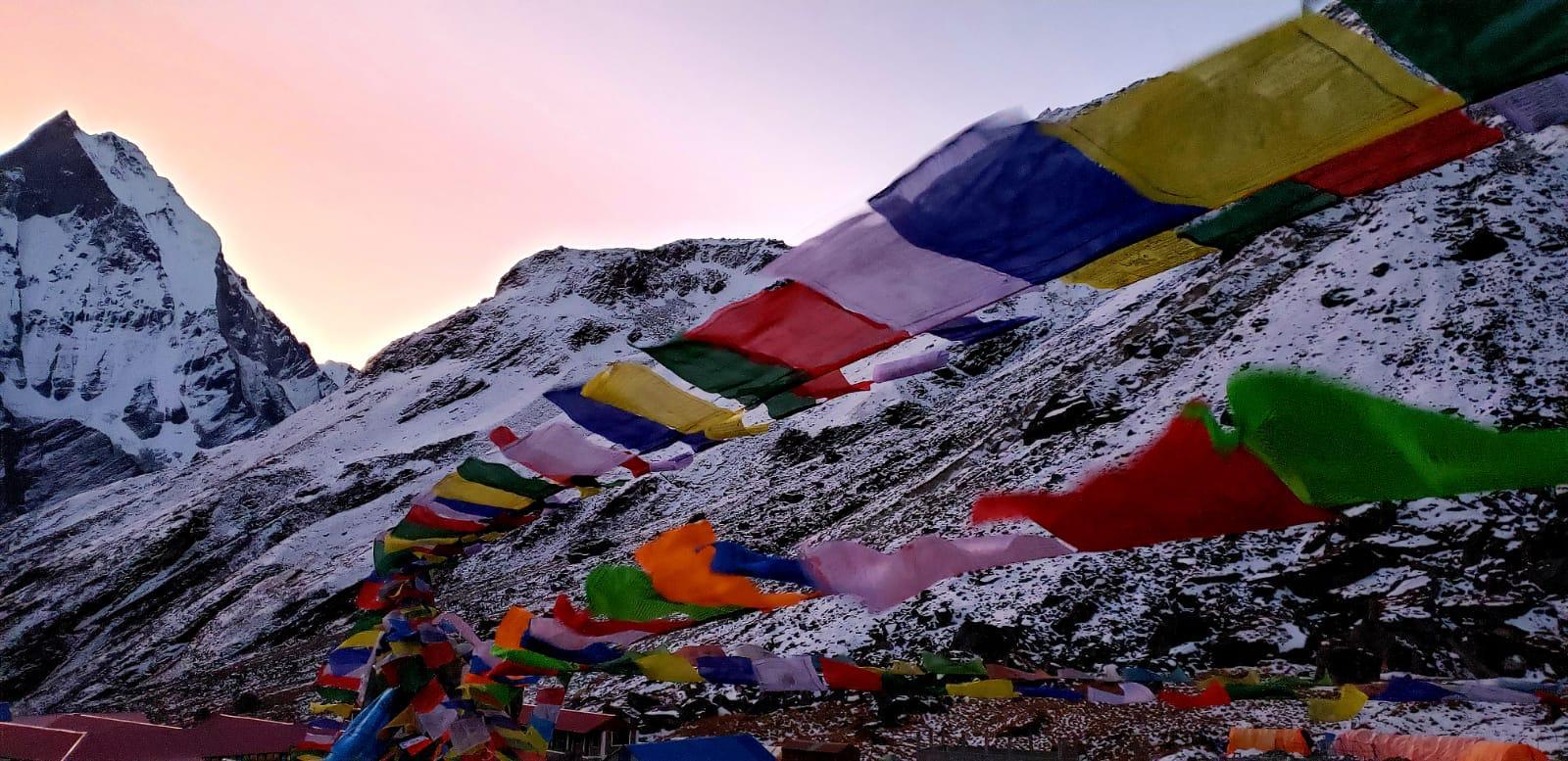


Mera Peak Climbing (6,476m) is one of the best ways to experience high-altitude mountaineering in Nepal. As Nepal’s highest trekking peak, it attracts trekkers from around the world who are ready to step beyond classic trekking routes and into true Himalayan climbing.
However, many first-time Mera Peak climbers underestimate the challenges involved. At high altitude, small mistakes can have a big impact on safety, comfort, and summit success. Based on our experience guiding Mera Peak expeditions, here are the 10 most common mistakes first-time climbers make and how professional planning helps avoid them.
1. Underestimating the Altitude of Mera Peak Climbing
Although Mera Peak is considered a non-technical climb, 6,476 meters is extreme altitude. Oxygen levels are significantly lower, and even fit trekkers can struggle above 5,500m.
Our approach:
We design itineraries with gradual altitude gain, proper acclimatization days, and continuous guide monitoring to help your body adapt safely.
2. Choosing a Short or Rushed Itinerary
Trying to complete Mera Peak too quickly is one of the main reasons climbers fail to summit or experience altitude issues.
Our approach:
We recommend 16–18 day itineraries, allowing sufficient rest days and flexibility for weather and acclimatization.
3. Inadequate Physical Preparation
Mera Peak requires long trekking days, cold conditions, and endurance at altitude. Many climbers arrive without proper training.
Our approach:
We provide a detailed pre-trip fitness and training guide so climbers arrive physically and mentally prepared.
4. Ignoring Acclimatization Guidelines
Skipping acclimatization hikes or hiding early symptoms of altitude discomfort can be dangerous.
Our approach:
Our guides follow strict acclimatization protocols, encourage open communication, and prioritize client health over summit pressure.
5. Wearing Incorrect Mountaineering Boots
Lightweight trekking boots are not suitable for Mera Peak, especially on summit day when temperatures are extremely low.
Our approach:
We advise all climbers on proper double or insulated high-altitude boots and equipment well before arrival.
6. Poor Cold-Weather Clothing Choices
Temperatures on Mera Peak can drop dramatically, particularly during early morning summit pushes.
Our approach:
We provide a complete gear checklist and rental options in Kathmandu to ensure climbers are fully equipped for extreme cold.
7. Skipping Technical Skills Practice
Although Mera Peak is not highly technical, climbers must be comfortable with crampons, harnesses, and fixed ropes.
Our approach:
We include basic mountaineering training at Khare, covering glacier travel, rope techniques, and summit safety procedures.
8. Choosing the Cheapest Mera Peak Climbing Package
Low-cost expeditions often compromise on guide experience, acclimatization days, safety equipment, or logistics.
Our approach:
We focus on safety, experienced local guides, quality equipment, and proper support, ensuring a responsible and successful climb.
9. Not Planning for Weather Delays
High-altitude weather in the Himalayas is unpredictable. Fixed schedules without contingency days often lead to rushed or unsafe decisions.
Our approach:
Our itineraries include buffer days to wait for the safest summit window.
10. Measuring Success Only by the Summit
Focusing solely on reaching the top can lead to unnecessary risk. The mountain always decides.
Our approach:
We emphasize a safety-first, experience-focused approach, where a well-managed climb and safe return define success.
Why Climb Mera Peak Climbing with a Professional Operator?
When properly planned, Mera Peak is an achievable and deeply rewarding climb. A professional guiding team ensures:
- Safe acclimatization
- Experienced climbing guides
- Proper equipment and logistics
- Emergency preparedness
- Higher summit success rates
Choosing the right operator makes the difference between a stressful experience and a truly unforgettable Himalayan adventure.
Plan Your Mera Peak Climbing with Confidence
If you are planning your first Mera Peak climb, expert guidance, proper acclimatization, and responsible planning are essential. With the right preparation, Mera Peak becomes the perfect introduction to high-altitude mountaineering in Nepal.
Contact us today to receive a detailed itinerary, gear list, and personalized advice for your Mera Peak expedition.
1. Common Mera Peak Mistakes at a Glance
- Rushing the itinerary
- Underestimating altitude (6,476m)
- Inadequate fitness and training
- Wrong boots and cold-weather gear
- Poor acclimatization habits
- Choosing budget operators over safety
Pro tip: A well-planned itinerary and experienced guides significantly improve summit success and safety.
2. This guide is ideal for:
- First-time Mera Peak climbers
- Strong trekkers moving into mountaineering
- Everest Base Camp trekkers planning a higher goal
- Climbers comparing Mera Peak vs Island Peak
3. Mera Peak Climbing Difficulty Explained
- Altitude: Very high (major challenge)
- Technical level: Moderate
- Fitness required: High endurance
- Climbing skills: Basic (crampons, rope use)
- Best for: First-time 6,000m climbers
4. Common Gear Mistakes on Mera Peak Climbing
- Using trekking boots instead of mountaineering boots
- Inadequate down jacket for summit day
- Poor glove layering (cold hands = failed summit)
- Sleeping bag not rated for extreme cold
Packing list or gear guide page.
5. Why Proper Itinerary Design Matters
A typical safe Mera Peak itinerary includes
- Gradual ascent through the Hinku Valley
- Acclimatization days at Khote and Khare
- Pre-climb training day at Khare
- High Camp setup before summit push
- Buffer day for weather
6. How Professional Expeditions Reduce Risk
- Certified climbing guides
- Fixed ropes on summit section
- Emergency oxygen availability
- First-aid and altitude response training
- Clear helicopter evacuation procedures
7. Avoiding Seasonal Mistakes
- Best seasons: Spring (Mar–May), Autumn (Sep–Nov)
- Avoid: Monsoon and extreme winter conditions
Many mistakes happen simply because climbers choose the wrong season.
8. Frequently Asked Questions
Is Mera Peak suitable for beginners?
Yes, for strong trekkers with proper training and acclimatization.
Do I need prior climbing experience?
No advanced experience is required, but basic training is provide
How long does Mera Peak climbing take?
Typically 17–19 days, depending on the itinerary.
What happens if I cannot summit?
Safety comes first. Turning back is sometimes the correct decision.
9. Plan Your Mera Peak Climb the Right Way
Avoiding common mistakes starts with proper planning. Our experienced local guides design itineraries focused on safety, acclimatization, and long-term success in the Himalayas.
Contact us for a detailed Mera Peak itinerary, training advice, and packing checklist.
