Ultimate 2026 Guide to Island Peak: Where Trekking Ends and Mountaineering Begins

Ultimate 2026 Guide to Island Peak

Ultimate 2026 Guide to Island Peak: Where Trekking Ends and Mountaineering Begins. Prayer flags flutter above stone villages, yaks move steadily along the path, and the great Himalayan giants rise higher with every step. You’ve trekked before maybe even to Everest Base Camp. But Island Peak is different. This is the moment where walking trails give way to ropes, ice, and altitude… where trekking ends and real mountaineering begins.

At 6,189 meters, Island Peak (Imja Tse) isn’t just a summit, it’s a rite of passage. For thousands of adventurers each year, Island Peak is the first real step beyond trekking trails and into the world of ropes, ice, crampons, and high-altitude decision-making.

Set in the heart of the Khumbu, surrounded by giants like Lhotse, Nuptse, and Ama Dablam, Island Peak perfectly bridges the gap between trekking peaks and technical expeditions.

Why Island Peak Marks the Shift from Trekking to Mountaineering

Unlike trekking routes that rely mainly on endurance and acclimatization, Island Peak introduces climbers to mountaineering skills without overwhelming technical difficulty.

On this climb, you will:

  • Use crampons on snow and ice
  • Ascend fixed ropes with jumars
  • Practice rope travel and glacier crossing
  • Experience an exposed summit ridge
  • Learn high-altitude movement and pacing

This combination makes Island Peak the ideal training ground for bigger Himalayan ambitions.

From Iconic Trails to Untouched Alpine Terrain – Ultimate 2026 Guide to Island Peak

Your journey starts on the legendary Everest route, moving through Lukla, Namche Bazaar, Tengboche, and Dingboche. The comfort of teahouses, the rhythm of trekking, and the warmth of Sherpa hospitality make the early days feel almost effortless.

These well-established trekking routes allow gradual acclimatization while offering rich Sherpa culture, panoramic views, and comfortable teahouse stays.  For many climbers, this familiarity builds confidence before entering the more demanding alpine terrain.

But as you turn toward Chhukung Valley, the crowds thin, the air sharpens, and the mountain takes center stage. Ahead lies a peak that demands more than endurance. It demands commitment. This is where the adventure truly begins.

Base Camp to High Camp: Stepping Into the Climber’s WorldUltimate 2026 Guide to Island Peak

18
Ultimate 2026 Guide to Island Peak: Where Trekking Ends and Mountaineering Begins 5

Once you leave Chhukung and reach Island Peak Base Camp, the experience changes noticeably. At Island Peak Base Camp, trekking comforts are left behind. Tents replace lodges. Helmets, harnesses, crampons, and ice axes become part of your daily routine. Under the guidance of experienced climbing Sherpas, you learn the fundamentals of alpine climbing skills that transform trekkers into mountaineers.

You’re no longer just walking in the Himalayas. You’re climbing them.

  • Terrain becomes rocky and glaciated
  • Temperatures drop significantly
  • Nights are spent in tents, not lodges
  • Early alpine starts (1–3 AM) become standard

At High Camp, climbers receive final training on fixed ropes, ice axe use, and safety techniques, this is where trekkers truly become climbers.

Summit Day: A Real Mountaineering Experience

5
Ultimate 2026 Guide to Island Peak: Where Trekking Ends and Mountaineering Begins 6

Summit day begins long before sunrise. Headlamps cut through the darkness as you step onto the glacier. Crampons bite into the ice. Fixed ropes lead you up steep snow slopes, your breath slow and deliberate in the thin air above 6,000 meters.

You will face:

  • A steep snow and ice headwall (45–50 degrees)
  • Fixed rope ascents using jumars
  • A narrow and exposed summit ridge
  • Thin air above 6,000 meters

And then you’re there.

From the summit of Island Peak, the world opens up. Lhotse towers above you. Ama Dablam stands proud. Makalu glows in the distance. This is not just a view, it’s proof that you’ve crossed a line few dare to cross.

Why Island Peak Is the Perfect First Himalayan Climb? Ultimate 2026 Guide to Island Peak

Island Peak is challenging, but achievable making it one of the best introductory mountaineering peaks in the world.

It’s ideal for:

  • Trekkers ready to push beyond trails
  • Adventurers seeking their first technical summit
  • Climbers preparing for higher peaks like Mera Peak, Lobuche East, or beyond
  • Anyone who wants to experience real Himalayan mountaineering without extreme technical demands
  • You don’t need prior climbing experience, just strong fitness, determination, and the desire to go higher.

Training & Preparation: What You Really NeedUltimate 2026 Guide to Island Peak

To succeed on Island Peak, focus on:

  • Cardiovascular endurance (long hikes, stair climbing
  • Strength training (legs and core)
  • Familiarity with basic mountaineering gear
  • Acclimatization discipline and hydration
  • Many climbers underestimate summit day—Island Peak is forgiving, but it demands respect.

Best Seasons to Climb Island Peak: Ultimate 2026 Guide to Island Peak

The most popular climbing seasons are:

Spring (April–May) – Stable weather, warmer temperatures

Autumn (September–November) – Clear skies, crisp conditions

Winter climbs are possible but more technical, while monsoon season increases risk due to snow and visibility issues.

More Than a Summit: A Beginning

Island Peak is not just about reaching 6,189 meters, reaching the top of Island Peak changes how you see yourself. It builds confidence, resilience, and belief qualities that stay with you long after the descent.

For many climbers, Island Peak is not the final goal.

It’s the moment they realize they’re capable of more.

It is a classroom in the mountains, wrapped in spectacular scenery.

Ready to Take the Next Step?

If you’ve ever dreamed of climbing in the Himalayas but wondered where to begin, Island Peak is your answer. It’s where trekking ends, fear turns into focus, and an ordinary journey becomes an extraordinary story.

For many, it’s not the last peak, it’s the first. Your first Himalayan summit is waiting.

Enquire Now to Check Availability & Dates


7 Powerful Reasons Why Island Peak Should Be Your First Himalayan Summit

Your First Himalayan Summit

Why Island Peak Should Be Your First Himalayan Summit. Standing at 6,189 meters (20,305 ft), Island Peak officially known as Imja Tse has earned its reputation as one of the best introductory Himalayan summits. Nestled in Nepal’s Everest region, this iconic peak offers aspiring mountaineers the rare opportunity to experience high-altitude climbing without the extreme technical demands of higher 7,000m or 8,000m giants.

For many adventure lovers, the dream of climbing a Himalayan peak begins with one question: Where should I start? Among Nepal’s many trekking peaks,Island Peak (Imja Tse, 6,189m) stands out as the most popular and logical first choice. It offers a genuine Himalayan summit experience, technical skill development, and a gradual transition from trekking to mountaineering—all within one well-designed expedition.

If you’re looking for your first Himalayan summit that is challenging yet achievable, Island Peak deserves the top spot on your list.

1. Perfect Transition from Trekking to Mountaineering to Your First Himalayan Summit

Island Peak is often described as a trekking peak with real climbing elements. This makes it ideal for first-time climbers who want to move beyond trekking without stepping into overly technical terrain.

Key mountaineering elements include:

  • Walking on glaciers with crampons
  • Using an ice axe for balance and safety
  • Ascending fixed ropes on snow and ice
  • Basic rope and harness techniques

Most expeditions include a pre-climb training session at base camp, ensuring beginners feel confident before summit day.

2. Well-Established Route and Infrastructure for Your First Himalayan Summit

Unlike remote Himalayan peaks, Island Peak benefits from decades of climbing history. The route is clearly defined, and the logistics are highly organized.

Advantages include:

  • Reliable teahouses up to Chukhung
  • Designated base camp and high camp areas
  • Fixed ropes on the steep summit headwall
  • Easy access to rescue services if needed

This infrastructure significantly reduces risk for first-time climbers while maintaining the adventure factor.

3. Ideal Acclimatization Profile for Beginners for Your First Himalayan Summit

Altitude is often the biggest challenge in the Himalayas. Island Peak’s itinerary allows for slow, steady altitude gain, which is essential for beginners.

Typical acclimatization highlights:

  • Trekking through Namche Bazaar (3,440m)
  • Rest days with acclimatization hikes
  • Gradual ascent into the Imja Valley
  • Optional climbs of nearby hills like Chukhung Ri

This approach greatly reduces the chances of altitude sickness and improves summit success.

4. Breathtaking Himalayan Scenery from Start to Finish

image 1
7 Powerful Reasons Why Island Peak Should Be Your First Himalayan Summit 11

Island Peak delivers stunning views throughout the entire journey, not just from the summit. You’ll pass through:

  • Rhododendron forests and alpine landscapes
  • Sherpa villages such as Namche, Dingboche, and Chukhung
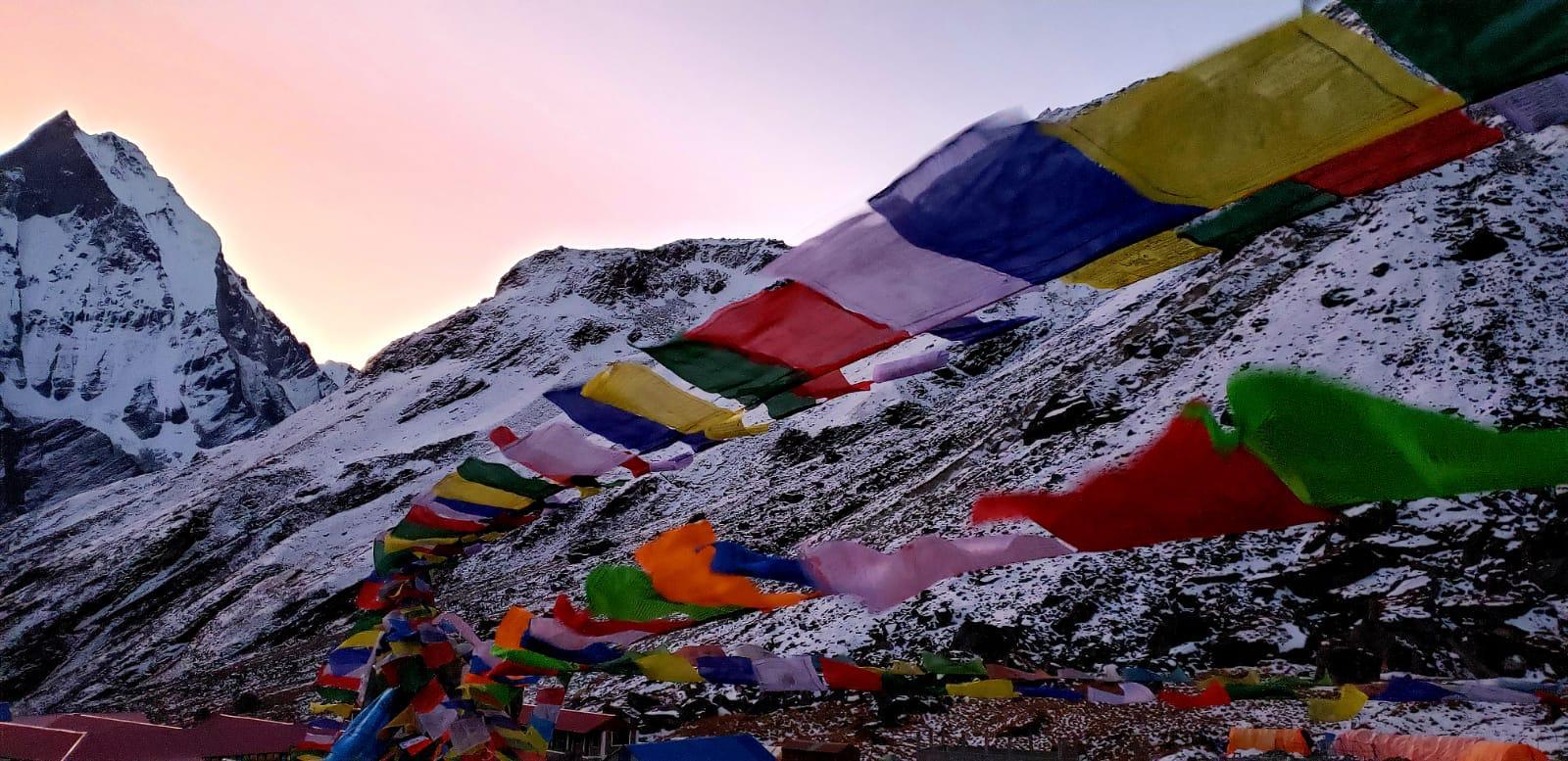
  • Ancient monasteries and prayer-flag-lined trails

From the summit, climbers are rewarded with a 360-degree panorama of some of the world’s highest mountains, making the effort more than worthwhile.

5. Suitable for a Wide Range of Adventurers

Island Peak is not just for climbers, it attracts people from diverse backgrounds.

Common successful climbers include:

  • Experienced trekkers
  • Marathon runners and endurance athletes
  • Rock climbers seeking altitude experience
  • Adventurous first-timers with good fitness

With proper preparation and mindset, Island Peak is achievable for anyone willing to train and commit.

6. Manageable Physical and Mental Challenge For Your First Himalayan Summit

While Island Peak is demanding, it’s not overwhelming for beginners. Summit day is long and strenuous, but the technical sections are short and well supported.

What makes it beginner-friendly:

  • Moderate slopes up to high camp
  • Steeper climbing limited to the final section
  • Professional guides managing ropes and pacing
  • Strong emphasis on safety and teamwork

This combination helps first-time climbers push their limits without feeling out of depth.

7. Rich Cultural Experience in the Everest Region

image
7 Powerful Reasons Why Island Peak Should Be Your First Himalayan Summit 12

Climbing Island Peak is not just about reaching the summit, it’s also a cultural journey. You’ll trek through the heartland of the Sherpa community, experiencing their traditions, hospitality, and Buddhist heritage.

Cultural highlights include:

  • Visits to Tengboche Monastery
  • Prayer wheels, mani walls, and chortens
  • Sherpa climbing stories and traditions
  • Local cuisine and mountain hospitality

This cultural immersion adds depth and meaning to the expedition.

8. Best Seasons Offer Stable Conditions

Island Peak is climbed mainly in two seasons:

  • Spring (April–May): Stable weather, warmer temperatures, excellent summit conditions
  • Autumn (September–November): Clear skies, crisp air, and outstanding mountain views

These windows offer predictable conditions, making planning easier for first-time climbers.

9. Strong Safety Record and High Success Rates

Thanks to its popularity and well-managed routes, Island Peak has one of the highest success rates among Nepal’s 6,000m peaks. Guided expeditions emphasize acclimatization, safety checks, and flexible summit windows.

For beginners, this balance of challenge and safety is extremely reassuring.

10. A Stepping Stone to Bigger Himalayan Goals

Island Peak is often the first summit in a longer mountaineering journey. Many climbers use it as preparation for:

The skills, confidence, and experience gained here are invaluable for future climbs.

Final Thoughts

Island Peak remains the gold standard for a first Himalayan summit. It offers the right mix of challenge, learning, safety, scenery, and cultural richness without the extreme risks of higher peaks.

If you’re ready to move from trekking trails to snow, ice, and ropes, Island Peak is not just a climb it’s your gateway into the Himalayas.

Contact Us

Island Peak Climb Explained: Route, Preparation, & Training

Island Peak Climb Explained

Island Peak Climb Explained: Route, Preparation, & Training. Island Peak (6,189m), locally known as Imja Tse, is one of Nepal’s most iconic trekking peaks—famous for its dramatic glacier approach, steep headwall, and unforgettable summit ridge overlooking Everest, Lhotse, Makalu, Ama Dablam, and Baruntse. For many climbers, Island Peak is the perfect stepping stone into the world of Himalayan mountaineering.

Whether you’re aiming for your first 6,000m summit or preparing for bigger expeditions in the future, this complete guide covers everything you need to know: routes, cost, itinerary, training, gear, preparation, and how difficult Island Peak truly is.

What Makes Island Peak Special: Island Peak Climb Explained

Island Peak stands in the Imja Valley, appearing like an “island” of ice between towering 8,000m giants. It combines:

  • A classic Everest Base Camp–style trek
  • Glacier training
  • A real mountaineering experience (ropes, crampons, ice axes)
  • A spectacular, narrow summit ridge
  • It is challenging but achievable for fit and determined trekkers with basic climbing preparation.

Island Peak Climbing Itinerary (Most Popular 17–18 Days Plan)

Here is the standard, well-paced itinerary recommended for safe acclimatization:

Day 1: Arrival in Kathmandu

Day 2: Gear check, permits, briefing

Day 3: Fly to Lukla (2,840m) – Trek to Phakding

Day 4: Trek to Namche Bazaar (3,440m)

Day 5: Acclimatization day in Namche

Day 6: Trek to Tengboche

Day 7: Trek to Dingboche

Day 8: Acclimatization hike to Nangkartshang Peak

Day 9: Trek to Chhukung (4,730m)

Day 10: Pre-climb training at Island Peak Base Camp

Day 11: Trek to Island Peak Base Camp (5,100m)

Day 12: Summit Day (6,189m) – Return to Chhukung

Day 13: Trek to Namche

Day 14: Trek to Lukla

Day 15: Fly back to Kathmandu

Day 16–17: Spare / departure day

Optional add-on:

Island Peak Climbing Route Explained

The climb has four main sections:

1. Base Camp to High Camp (optional)

Mostly rocky terrain. Some groups skip High Camp due to limited space.

2. High Camp to Crampon Point

  • Pre-dawn climb
  • Steep rocky trail
  • Scrambling on loose rock and sandy slopes
  • Requires helmets and harness

3. Glacier Section

At crampon point, you gear up with:

  • Crampons
  • Ice axe
  • Harness
  • Jumar / ascender
  • Carabiners

You walk across the glacier passing:

  • Crevasses (fixed ladders sometimes used)
  • Seracs – A gentle slope leading to the headwall

4. The Famous Island Peak Headwall

This is the most technical part:

  • 45–55° steep snow/ice slope
  • Fixed ropes used with ascenders
  • Hard physical push to reach the ridge

5. Final Summit Ridge

A knife-edge snow ridge with incredible views of:

  • Lhotse (8,516m)
  • Nuptse
  • Ama Dablam
  • Baruntse
  • Makalu

Short but exposed—one of the most iconic moments of the climb.

How Difficult Is Island Peak Climb Explained? (2025–2026 Difficulty Breakdown)

Island Peak is graded PD+ (Peu Difficile+) in the Alpine system.

Difficulty Factors

1. Altitude

6,189m is significantly high—thin air makes every step harder.

2. Technical skills

  • Basic mountaineering required:
  • Jumar/ascender use
  • Rappelling with figure-8 or ATC
  • Walking on fixed lines
  • Crampon footwork

3. Headwall & Summit Ridge

This section is physically demanding and the reason many people turn back.

4. Long Summit Day

10–14 hours of climbing.

Who Can Climb Island Peak?

You can do it if you:

  • Are fit (able to hike 6–7 hours/day)
  • Have basic climbing training
  • Are comfortable with exposure
  • Have completed high-altitude treks before (Everest region, Annapurna, etc.)

Ideal for:

  • Intermediate trekkers
  • Beginners with training
  • Climbers preparing for Lobuche, Ama Dablam, Aconcagua, or 7-summits

Training & Preparation for Island Peak

A 6–8 week training plan is recommended.

Training Components

1. Cardio (3–4 times/week)

Stair climbing, long hikes, running, cycling.

2. Strength Training

Focus on:

  • Legs
  • Core
  • Shoulders (rope work)

3. Altitude Preparation

Multi-day treks or sleeping at increasing altitude if possible.

4. Technical Training

Learn:

  • Jumar use
  • Fixed rope techniques
  • Crampon footwork
  • Rappelling

You can train in Nepal, Chamonix, Colorado, New Zealand, or local indoor climbing gyms.

Expert Tips for a Successful Summit

  • Choose late April–May or October–November for best weather
  • Avoid summiting right after reaching Base Camp, take your time
  • Hydrate well (3–4 liters/day)
  • Practice using your gear before the climb
  • Stay mentally strong on the headwall—slow and steady
  • Use layering to manage cold during the long pre-dawn ascent
  • Respect your guide’s instructions at all times

Final Thoughts

Island Peak is the perfect blend of trekking and mountaineering. It’s challenging but incredibly rewarding, offering a real glimpse of high-altitude climbing in the Himalayas without the extreme risks of major expeditions. With proper preparation, patience, and a skilled Sherpa guide, reaching the summit of Island Peak is absolutely achievable for motivated adventurers.