Why Island Peak Should Be Your First Himalayan Summit

Your First Himalayan Summit

Why Island Peak Should Be Your First Himalayan Summit. Standing at 6,189 meters (20,305 ft), Island Peak officially known as Imja Tse has earned its reputation as one of the best introductory Himalayan summits. Nestled in Nepal’s Everest region, this iconic peak offers aspiring mountaineers the rare opportunity to experience high-altitude climbing without the extreme technical demands of higher 7,000m or 8,000m giants. For many adventure lovers, the dream of climbing a Himalayan peak begins with one question: Where should I start? Among Nepal’s many trekking peaks, Island Peak (Imja Tse, 6,189m) stands out as the most popular and logical first choice. It offers a genuine Himalayan summit experience, technical skill development, and a gradual transition from trekking to mountaineering—all within one well-designed expedition.

If you’re looking for your first Himalayan summit that is challenging yet achievable, Island Peak deserves the top spot on your list.

1. Perfect Transition from Trekking to Mountaineering to Your First Himalayan Summit

Island Peak is often described as a trekking peak with real climbing elements. This makes it ideal for first-time climbers who want to move beyond trekking without stepping into overly technical terrain.

Key mountaineering elements include:

  • Walking on glaciers with crampons
  • Using an ice axe for balance and safety
  • Ascending fixed ropes on snow and ice
  • Basic rope and harness techniques

Most expeditions include a pre-climb training session at base camp, ensuring beginners feel confident before summit day.

2. Well-Established Route and Infrastructure for Your First Himalayan Summit

Unlike remote Himalayan peaks, Island Peak benefits from decades of climbing history. The route is clearly defined, and the logistics are highly organized.

Advantages include:

  • Reliable teahouses up to Chukhung
  • Designated base camp and high camp areas
  • Fixed ropes on the steep summit headwall
  • Easy access to rescue services if needed

This infrastructure significantly reduces risk for first-time climbers while maintaining the adventure factor.

3. Ideal Acclimatization Profile for Beginners for Your First Himalayan Summit

Altitude is often the biggest challenge in the Himalayas. Island Peak’s itinerary allows for slow, steady altitude gain, which is essential for beginners.

Typical acclimatization highlights:

  • Trekking through Namche Bazaar (3,440m)
  • Rest days with acclimatization hikes
  • Gradual ascent into the Imja Valley
  • Optional climbs of nearby hills like Chukhung Ri

This approach greatly reduces the chances of altitude sickness and improves summit success.

4. Breathtaking Himalayan Scenery from Start to Finish

image 1
Why Island Peak Should Be Your First Himalayan Summit 5

Island Peak delivers stunning views throughout the entire journey, not just from the summit. You’ll pass through:

  • Rhododendron forests and alpine landscapes
  • Sherpa villages such as Namche, Dingboche, and Chukhung
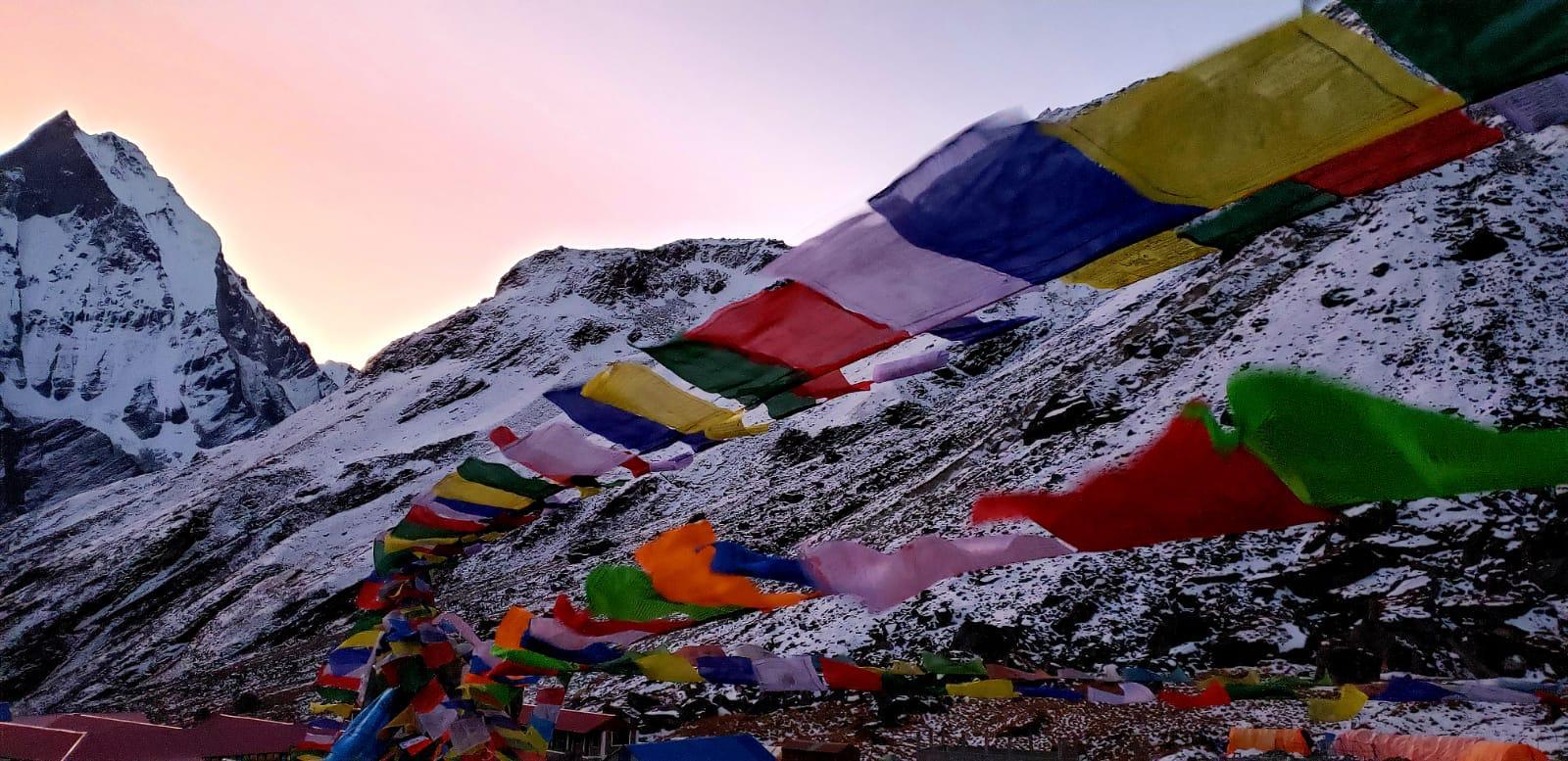
  • Ancient monasteries and prayer-flag-lined trails

From the summit, climbers are rewarded with a 360-degree panorama of some of the world’s highest mountains, making the effort more than worthwhile.

5. Suitable for a Wide Range of Adventurers

Island Peak is not just for climbers, it attracts people from diverse backgrounds.

Common successful climbers include:

  • Experienced trekkers
  • Marathon runners and endurance athletes
  • Rock climbers seeking altitude experience
  • Adventurous first-timers with good fitness

With proper preparation and mindset, Island Peak is achievable for anyone willing to train and commit.

6. Manageable Physical and Mental Challenge For Your First Himalayan Summit

While Island Peak is demanding, it’s not overwhelming for beginners. Summit day is long and strenuous, but the technical sections are short and well supported.

What makes it beginner-friendly:

  • Moderate slopes up to high camp
  • Steeper climbing limited to the final section
  • Professional guides managing ropes and pacing
  • Strong emphasis on safety and teamwork

This combination helps first-time climbers push their limits without feeling out of depth.

7. Rich Cultural Experience in the Everest Region

image
Why Island Peak Should Be Your First Himalayan Summit 6

Climbing Island Peak is not just about reaching the summit, it’s also a cultural journey. You’ll trek through the heartland of the Sherpa community, experiencing their traditions, hospitality, and Buddhist heritage.

Cultural highlights include:

  • Visits to Tengboche Monastery
  • Prayer wheels, mani walls, and chortens
  • Sherpa climbing stories and traditions
  • Local cuisine and mountain hospitality

This cultural immersion adds depth and meaning to the expedition.

8. Best Seasons Offer Stable Conditions

Island Peak is climbed mainly in two seasons:

  • Spring (April–May): Stable weather, warmer temperatures, excellent summit conditions
  • Autumn (September–November): Clear skies, crisp air, and outstanding mountain views

These windows offer predictable conditions, making planning easier for first-time climbers.

9. Strong Safety Record and High Success Rates

Thanks to its popularity and well-managed routes, Island Peak has one of the highest success rates among Nepal’s 6,000m peaks. Guided expeditions emphasize acclimatization, safety checks, and flexible summit windows.

For beginners, this balance of challenge and safety is extremely reassuring.

10. A Stepping Stone to Bigger Himalayan Goals

Island Peak is often the first summit in a longer mountaineering journey. Many climbers use it as preparation for:

The skills, confidence, and experience gained here are invaluable for future climbs.

Final Thoughts

Island Peak remains the gold standard for a first Himalayan summit. It offers the right mix of challenge, learning, safety, scenery, and cultural richness without the extreme risks of higher peaks.

If you’re ready to move from trekking trails to snow, ice, and ropes, Island Peak is not just a climb it’s your gateway into the Himalayas.

Contact Us

Island Peak Climb Explained: Route, Preparation, & Training

Island Peak Climb Explained

Island Peak Climb Explained: Route, Preparation, & Training. Island Peak (6,189m), locally known as Imja Tse, is one of Nepal’s most iconic trekking peaks—famous for its dramatic glacier approach, steep headwall, and unforgettable summit ridge overlooking Everest, Lhotse, Makalu, Ama Dablam, and Baruntse. For many climbers, Island Peak is the perfect stepping stone into the world of Himalayan mountaineering.

Whether you’re aiming for your first 6,000m summit or preparing for bigger expeditions in the future, this complete guide covers everything you need to know: routes, cost, itinerary, training, gear, preparation, and how difficult Island Peak truly is.

What Makes Island Peak Special: Island Peak Climb Explained

Island Peak stands in the Imja Valley, appearing like an “island” of ice between towering 8,000m giants. It combines:

  • A classic Everest Base Camp–style trek
  • Glacier training
  • A real mountaineering experience (ropes, crampons, ice axes)
  • A spectacular, narrow summit ridge
  • It is challenging but achievable for fit and determined trekkers with basic climbing preparation.

Island Peak Climbing Itinerary (Most Popular 17–18 Days Plan)

Here is the standard, well-paced itinerary recommended for safe acclimatization:

Day 1: Arrival in Kathmandu

Day 2: Gear check, permits, briefing

Day 3: Fly to Lukla (2,840m) – Trek to Phakding

Day 4: Trek to Namche Bazaar (3,440m)

Day 5: Acclimatization day in Namche

Day 6: Trek to Tengboche

Day 7: Trek to Dingboche

Day 8: Acclimatization hike to Nangkartshang Peak

Day 9: Trek to Chhukung (4,730m)

Day 10: Pre-climb training at Island Peak Base Camp

Day 11: Trek to Island Peak Base Camp (5,100m)

Day 12: Summit Day (6,189m) – Return to Chhukung

Day 13: Trek to Namche

Day 14: Trek to Lukla

Day 15: Fly back to Kathmandu

Day 16–17: Spare / departure day

Optional add-on:

Island Peak Climbing Route Explained

The climb has four main sections:

1. Base Camp to High Camp (optional)

Mostly rocky terrain. Some groups skip High Camp due to limited space.

2. High Camp to Crampon Point

  • Pre-dawn climb
  • Steep rocky trail
  • Scrambling on loose rock and sandy slopes
  • Requires helmets and harness

3. Glacier Section

At crampon point, you gear up with:

  • Crampons
  • Ice axe
  • Harness
  • Jumar / ascender
  • Carabiners

You walk across the glacier passing:

  • Crevasses (fixed ladders sometimes used)
  • Seracs – A gentle slope leading to the headwall

4. The Famous Island Peak Headwall

This is the most technical part:

  • 45–55° steep snow/ice slope
  • Fixed ropes used with ascenders
  • Hard physical push to reach the ridge

5. Final Summit Ridge

A knife-edge snow ridge with incredible views of:

  • Lhotse (8,516m)
  • Nuptse
  • Ama Dablam
  • Baruntse
  • Makalu

Short but exposed—one of the most iconic moments of the climb.

How Difficult Is Island Peak Climb Explained? (2025–2026 Difficulty Breakdown)

Island Peak is graded PD+ (Peu Difficile+) in the Alpine system.

Difficulty Factors

1. Altitude

6,189m is significantly high—thin air makes every step harder.

2. Technical skills

  • Basic mountaineering required:
  • Jumar/ascender use
  • Rappelling with figure-8 or ATC
  • Walking on fixed lines
  • Crampon footwork

3. Headwall & Summit Ridge

This section is physically demanding and the reason many people turn back.

4. Long Summit Day

10–14 hours of climbing.

Who Can Climb Island Peak?

You can do it if you:

  • Are fit (able to hike 6–7 hours/day)
  • Have basic climbing training
  • Are comfortable with exposure
  • Have completed high-altitude treks before (Everest region, Annapurna, etc.)

Ideal for:

  • Intermediate trekkers
  • Beginners with training
  • Climbers preparing for Lobuche, Ama Dablam, Aconcagua, or 7-summits

Training & Preparation for Island Peak

A 6–8 week training plan is recommended.

Training Components

1. Cardio (3–4 times/week)

Stair climbing, long hikes, running, cycling.

2. Strength Training

Focus on:

  • Legs
  • Core
  • Shoulders (rope work)

3. Altitude Preparation

Multi-day treks or sleeping at increasing altitude if possible.

4. Technical Training

Learn:

  • Jumar use
  • Fixed rope techniques
  • Crampon footwork
  • Rappelling

You can train in Nepal, Chamonix, Colorado, New Zealand, or local indoor climbing gyms.

Expert Tips for a Successful Summit

  • Choose late April–May or October–November for best weather
  • Avoid summiting right after reaching Base Camp, take your time
  • Hydrate well (3–4 liters/day)
  • Practice using your gear before the climb
  • Stay mentally strong on the headwall—slow and steady
  • Use layering to manage cold during the long pre-dawn ascent
  • Respect your guide’s instructions at all times

Final Thoughts

Island Peak is the perfect blend of trekking and mountaineering. It’s challenging but incredibly rewarding, offering a real glimpse of high-altitude climbing in the Himalayas without the extreme risks of major expeditions. With proper preparation, patience, and a skilled Sherpa guide, reaching the summit of Island Peak is absolutely achievable for motivated adventurers.

Essential gears for peak climbing in Nepal

Essential gears for peak climbing in Nepal 1

Every mountaineering expeditions, technical and non-technical demands assortments of climbing gears which acts as a life supporter to introduce hassle free and successful ascend. Featuring necessity numerous potential climbers arrive in Nepal with their bags full of climbing gears paying think bucks while it isn’t definitely a smart idea because entire essential powerful and famous Sherpa brand gears holding superb quality are accessible in Nepal at sensible cost. Remember, after concluding the climb, gears can be the best souvenir for climbers rather than anything else.

However, if you decide to collect by self than below we tend to share few requirements for encountering peak climbing in Nepal:

Ice axe

Ice axe is apparently a standout amongst the most imperative gears in your arsenal as a mountain dweller. The axe is essentially utilized both during the climb and drop down with snow or potentially ice conditions. Besides, it can likewise be utilized as an improvised anchor that includes steep climb, self-capturing tool in the event of an unexpected downhill slip or can be utilized basically as a strolling stick during uphill climb. Notice light and versatile ice axe at the moment of collecting gears.

Crampons

Crampons are mainly utilized for ice climbing however it can be helpful in numerous different circumstances including snow and ice such as crossing snowfields, ice fields and icy masses and scaling ice-spread rock. Crampons with semi-rigid development with even edges are an appropriate decision. However, crampons must fit boots flawlessly and steel crampons with anti-balling with capacity to toe point emphatically are securely into ice. The lighter the better, additional weight on your feet is substantially more strenuous than anyplace else on your body.

Harness

Harness ought to be an imperative demand among multiple gears and it is utilized for anchoring the climber to a rope or an anchor point. Obviously, you will require a well-fitting harness to ensure avoiding discomfort upper thigh and groin segment. A light climbing harness should be simple and easy to apply on and take off with gloves on holding secure locking features.

Mountaineering boots and helmet

Prefer safe before realization. The significance of head protector can’t be emphasized more with regards while scaling a peak. Appears to be unimportant but helmet must be a basic segment of your bundling list and would unquestionably guard you from any head injuries. Likewise, mountaineering boots are intended to be utilized with a crampon which is another fundamental gear. The boots not just allow moving over troublesome snowy and frosty landscape but in addition shields the wearer’s feet from components and maintain a strategic distance from any sort of feet inconveniences such as frostbite and many more issues.

Karabiners

Another must essential equipment to include in our gears packing rundown is karabiners besides this one is widely utilized as a part of wellbeing and safety frameworks like mountain or rock climbing. Karabiners go hand in hand with anything that involves rope intensive ascent. Likewise, minimum four karabiners, two locking and two opening, are suggested to collect.

Ascender and Descender

Ascender is utilized by mountain climbers to raise settled ropes along must be suitable to operate with even thick gloves. It is only a kind of mechanical ascender utilizing during ascend. Ascender can likewise play out the assignment of a braking part inside a rope pulling framework. In this way, eight figure/ descender works as a grinding brakes and permits unfaltering and controlled drop on a rope.

Ropes

Obviously, rope is identified as a vital piece of equipment in your mountaineering trip. Extensively, grappling ropes are delegated either static or dynamic. It is prescribed you to convey a couple of the two kinds. A static rope extends very low and is fundamentally intended for abseiling, and can likewise be utilized as settled ropes for ascenders. Dynamic ropes are stretchable and are utilized as belaying ropes to absorb the impact of a falling climber.

Ice screws

In fact, ice Screw is utilized as a part of handling steep ice surfaces. It can be utilized as a running belay or stay in the ice. Not all top in Nepal require the utilization of this pack, however you would at present need to keep it in your stock pile, contingent upon the pinnacle that you have picked. Hence, picking up this gear can be used according to territory and situation.

Hence, these are the foremost requirements to co-operate for encountering lofty sky rocketing peaks of Nepal. Normal and compact requirements can vary from one peak to another peak so discussing about requirements for customization before finalizing with trekking guide is really a brilliant idea.

Best season for climbing peaks in Nepal

Generally peak of Nepal can be climbed throughout the year except during the monsoon months (June to August) besides spring (March to May) and autumn (September to November) are considered as the perfect seasons to scale peaks. The clear sky with moderate temperature is the virtue of these months to succeed the summit. Likewise, winter season is also acceptable for those rare climbers who are experienced and can neglect cold too. Honestly, justifying views and comfortable climbing along capturing the clear sceneries are marvelous rewards of this Island peak, if ascended on spring.

Check Mera Peak Climbing Package

Trekking with us

Safety: The most engaged reason associating with us expressed by potential and expert climbers are profoundly anchored fruitful succeeds and safe steps till last step. In addition, associating with us can help to the pointed goals with real alteration.

Check Island Peak Climbing Package

Guide: Contribution of guide (characteristics holding powerful information of whole territory alongside fluent English speaking power) for establishing up trip more magnificent and marvelous along entire issues comprehensive of permits, charges, loyalties, tickets, licenses and whole others will be treated by the guide for trekkers likewise don’t risk yourself neglecting guide at the time of ascending to summit.

Information: Truth be told, there are innumerable concealed attractions in transit holding diverse actualities and incredible legends along missing them is completely dismissed while trekking with us.

P.S. FREE CLIMBING GEARS PROVIDED

Have Question ? Don’t Hesitate, Ask Us Now