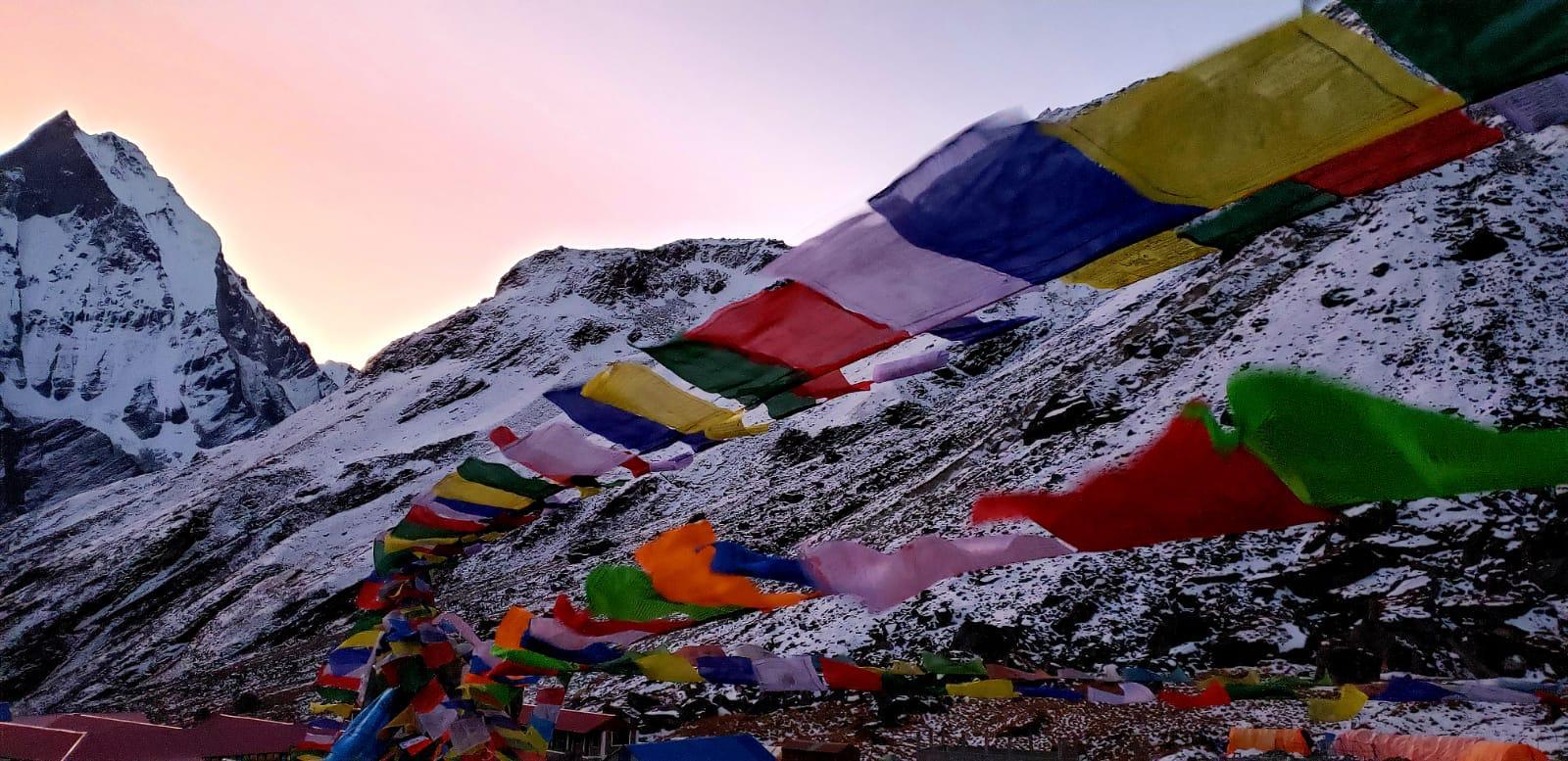


Can Beginners Climb Mera Peak? Full Preparation Breakdown: this is one of the most common questions asked by first-time mountaineers dreaming of standing on a Himalayan summit, and the short answer is yes, beginners can successfully do Mera Peak Climbing with the right preparation, mindset, and support.
Mera Peak Climbing is often described as Nepal’s best introduction to high-altitude mountaineering. While it is not technically difficult, it is still a serious expedition that demands respect, training, and planning. Below is a complete, honest, and beginner-focused preparation breakdown.
What Makes Mera Peak Climbing Suitable for Beginners?
Mera Peak (6,476 m) is classified as a trekking peak, not a technical alpine climb. This makes Mera Peak Climbing ideal for beginners who have strong trekking experience but limited or no mountaineering background.
Key beginner-friendly factors:
- No steep rock or ice walls
- Straightforward glacier travel
- Fixed rope only on the final summit section
- Gradual ascent profile allowing acclimatization
- Strong support infrastructure (lodges + high camps)
That said, altitude is the real challenge in Mera Peak Climbing, not technical skill.
Do You Need Previous Climbing Experience?
You do not need prior peak-climbing experience to attempt Mera Peak Climbing. However, beginners should ideally have:
- Multi-day trekking experience
- Comfort hiking 6–8 hours per day
- Mental resilience in cold and remote environments
Basic mountaineering skills—such as using crampons, ice axe, harness, and jumar—are usually taught during the expedition itself.
Mental Preparation: The Hidden Key to Mera Peak Climbing – Can Beginners Climb Mera Peak?
Physical training alone is not enough. Mental preparation is critical for beginners in Mera Peak Climbing.
Common mental challenges:
- Slow pace due to altitude
- Cold hands and feet
- Fear of the unknown on summit day
- Fatigue near high camp
How beginners can prepare mentally: Can Beginners Climb Mera Peak?
- Practice patience during training hikes
- Learn controlled breathing
- Accept slower progress at altitude
- Focus on process, not summit obsession
Strong mental resilience often matters more than raw fitness in Mera Peak Climbing.
Physical Fitness Required for Mera Peak Climbing – Can Beginners Climb Mera Peak?
While beginners can climb Mera Peak, poor fitness cannot be compensated by guides alone.
Recommended fitness baseline:
- Able to hike uphill with a 8–10 kg pack
- Strong legs and cardiovascular endurance
- Good balance and coordination
- Ability to recover well overnight
Ideal training timeline (8–12 weeks):
- Cardio: hiking, stair climbing, cycling, running (3–4x/week)
- Strength: squats, lunges, step-ups, core work
- Endurance hikes: progressively longer treks with elevation gain
Proper fitness dramatically increases your success rate in Mera Peak Climbing.
Altitude Acclimatization: The Biggest Factor – Can Beginners Climb Mera Peak?
For beginners, altitude is the single most important challenge in Mera Peak Climbing.
At over 6,000 meters:
- Oxygen levels drop by nearly 50%
- Simple movements feel exhausting
- Sleep and appetite are affected
How beginners acclimatize safely -Can Beginners Climb Mera Peak?
- Gradual ascent via the Hinku Valley
- Scheduled acclimatization days
- “Climb high, sleep low” strategy
- Strict hydration and pacing
A well-designed itinerary makes Mera Peak Climbing achievable even for first-timers.
Technical Skills Beginners Must Learn – Can Beginners Climb Mera Peak?
During Mera Peak Climbing, beginners will learn:
- Walking with crampons
- Using an ice axe for balance
- Clipping into fixed ropes
- Using a harness and safety system
- Basic glacier awareness
These skills are simple but essential. On guided Mera Peak Climbing trips, training is usually provided at base camp or high camp.
Best Season for Beginner – Friendly Mera Peak Climbing
Choosing the right season greatly affects beginner success.
Best seasons:
- Spring (March–May): stable weather, warmer nights
- Autumn (September–November): clear skies, colder but stable
Avoid winter and monsoon seasons if you are a beginner, as conditions become significantly more demanding.
Guided vs Independent: What Beginners Should Choose
For beginners, guided Mera Peak Climbing is strongly recommended.
Why guided Mera Peak Climbing is safer: Can Beginners Climb Mera Peak?
- Professional guides manage altitude and pace
- Fixed ropes and safety systems are handled
- Emergency response and evacuation planning
- Gear checks and technical instruction included
Independent Mera Peak Climbing is better suited for experienced alpinists, not first-time climbers.
Essential Gear for Beginners – Can Beginners Climb Mera Peak?
Having the right gear is critical in Mera Peak Climbing.
Must-have items:
- Double or high-altitude boots
- Crampons and ice axe
- Harness, helmet, and jumar
- Down jacket and insulated layers
- High-quality sleeping bag (-20°C or lower)
Most beginners rent technical gear in Kathmandu, which is perfectly acceptable for Mera Peak Climbing.
Common Beginner Mistakes to Avoid
Many beginners fail not because Mera Peak Climbing is too hard, but because of avoidable errors:
- Rushing the itinerary
- Ignoring early altitude symptoms
- Underestimating cold and wind
- Inadequate training before arrival
- Poor hydration and nutrition
Awareness and preparation prevent most problems.
Food, Hydration, and Energy Management
Nutrition plays a huge role in beginner success during Mera Peak Climbing.
What beginners eat on Mera Peak Climbing:
- Dal bhat (rice, lentils, vegetables)
- Pasta, noodles, soups
- Porridge, eggs, potatoes
- Tea, ginger drinks, electrolyte fluids
Hydration rules:
- 3–4 liters of water per day minimum
- Warm fluids preferred at altitude
- Avoid alcohol entirely during Mera Peak Climbing
Poor hydration is one of the top reasons beginners struggle with altitude.
Why Some Beginners Fail and How to Avoid It
Even though Mera Peak Climbing is beginner-friendly, not everyone reaches the summit.
Common reasons for turning back:
- Ignoring early altitude symptoms
- Overconfidence due to “easy peak” reputation
- Inadequate pre-trip training
- Poor pacing and exhaustion
Success Rate: Can Beginners Climb Mera Peak?
With proper planning and guidance, beginner success rates for Mera Peak Climbing are very high, often above 85–90% on well-run expeditions.
How beginners increase success rate:
- Choose longer itineraries
- Rest when advised by guides
- Train for endurance, not speed
- Listen to your body, not ego
Smart decisions matter more than strength in Mera Peak Climbing.
Final Verdict: Can Beginners Climb Mera Peak??
Yes, beginners can successfully complete Mera Peak Climbing, provided they:
- Prepare physically and mentally
- Choose a proper itinerary
- Climb with experienced guides
- Respect altitude and weather
- Invest in correct gear
Mera Peak Climbing is not a casual trek, but it is one of the most achievable Himalayan summits for motivated beginners. For many, it becomes the first step into a lifelong passion for mountaineering.
If you approach it with humility, preparation, and patience, Mera Peak Climbing can be your first true Himalayan summit and an unforgettable one.
