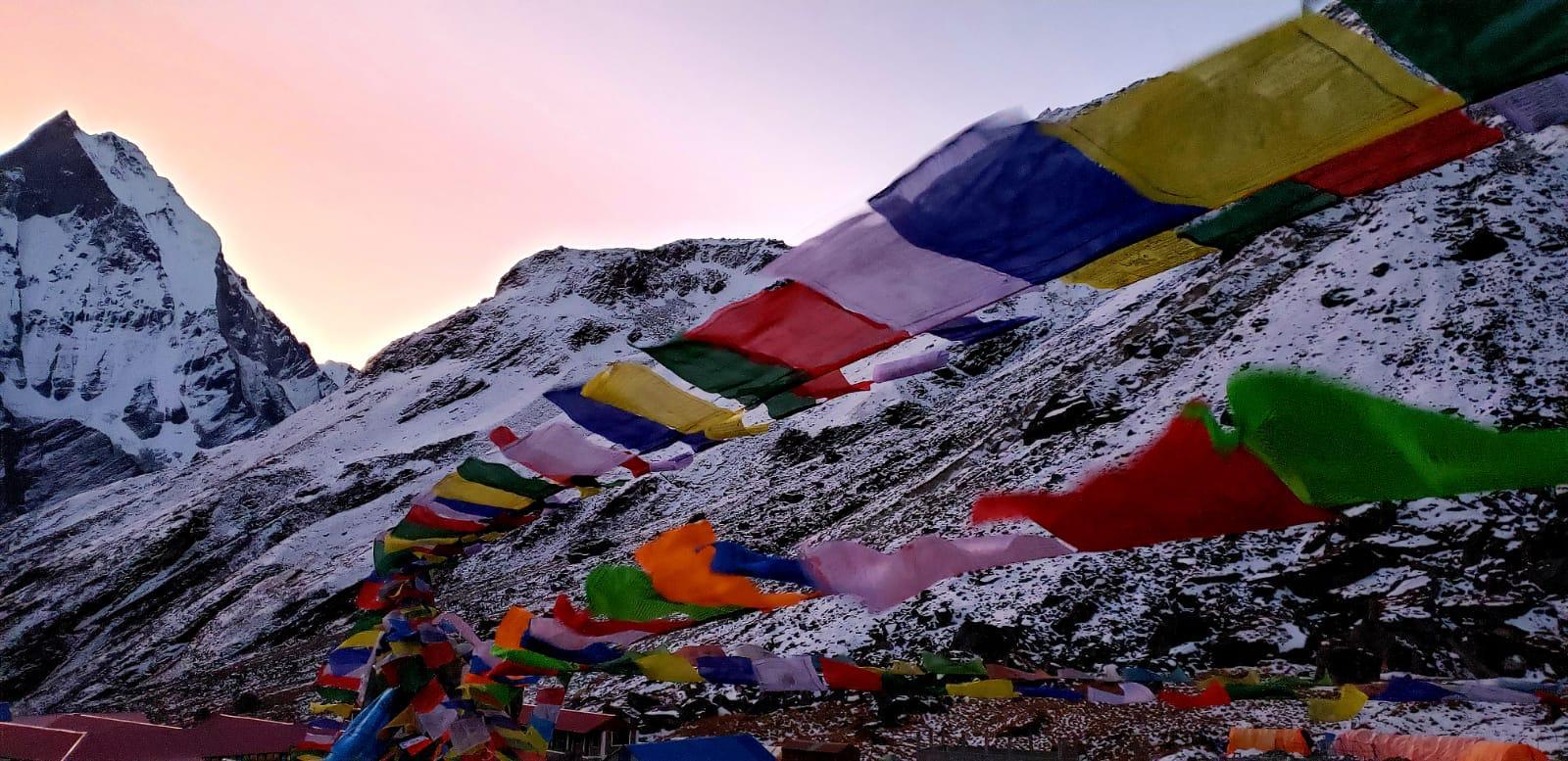


Ultimate Guide to the Manaslu Circuit Trek (2025 and 2026): Itinerary, Cost, Permits, Map & Insider Tips. If you’re looking for an off-the-beaten-path Himalayan experience filled with breathtaking scenery, rich culture, and fewer crowds, the Manaslu Circuit Trek is your perfect escape. Encircling the world’s 8th-highest peak — Mount Manaslu (8,163m) — this remote trail offers everything from snow-capped mountains and lush valleys to ancient Tibetan Buddhist villages and high-altitude passes.
Whether you’re comparing the Manaslu Circuit vs Annapurna Circuit, planning a budget Manaslu Circuit Trek, or wondering about the best time for the Manaslu Circuit Trek, this guide will help you plan every detail of your journey — including permits, costs, what to pack, and a detailed Manaslu Trek itinerary.
Table of Contents
Overview of the Manaslu Circuit Trek
Location: Gorkha District, Nepal (near Tibetan border)
Highest Point: Larkya La Pass (5,160 m / 16,930 ft)
Duration: 12–18 days (depending on side trips & pace)
Difficulty: Moderate to strenuous
Best Seasons:
Spring: March–May (clear skies, rhododendron blooms)
Autumn: September–November (best weather & visibility)
Trek Type: Tea house trek (basic lodges available, no camping required)
Highlights:
- Remote trails with fewer crowds than Everest/Annapurna
- Panoramic Himalayan views (Manaslu, Himlung, Annapurna II, Ganesh Himal)
- Cultural immersion with Tibetan-style villages
- Crossing the challenging Larkya La Pass
Why Choose the Manaslu Circuit Trek in Nepal?
Unlike the busy Everest or Annapurna trails, the Manaslu Circuit remains relatively untouched. The trail winds through remote mountain villages, lush forests, roaring rivers, and high mountain passes — giving you a rare glimpse into both Nepali and Tibetan-influenced cultures.
Crossing the challenging Larkya La Pass (5,160 m) is a major highlight, rewarding you with dramatic views of Manaslu, Himlung Himal, Annapurna II, Ganesh Himal, and more. This trek is ideal for those seeking raw beauty and adventure.
The Manaslu Circuit stands out because of its:
- Off-the-beaten-path charm – fewer crowds, untouched villages
- Spectacular mountain scenery – Manaslu, Himlung Himal, Annapurna II, Ganesh Himal
- Rich cultural experience – Tibetan Buddhist monasteries, chortens, and traditional stone houses
- Adventure element – crossing Larkya La Pass (5,160 m), one of Nepal’s most stunning high passes
Best Time for Manaslu Circuit Trek
Spring (March–May): Perfect weather, blooming rhododendrons, and clear skies.
Autumn (September–November): Stable conditions, crisp air, and outstanding mountain visibility.
Winter (Dec–Feb) can bring snow closures at high passes, while summer (June–August) has heavy monsoon rains.
Manaslu Circuit Permit Requirements
You cannot complete the Manaslu Circuit Trek without a guide due to its restricted zone status. Here’s what you need:
- Manaslu Restricted Area Permit (MRAP)
- Manaslu Conservation Area Permit (MCAP)
- Annapurna Conservation Area Permit (ACAP)
Permit costs vary by season, but expect to pay around $100–$150 in total. These are essential for trekking legally and protecting the Manaslu region trekking routes.
Manaslu Circuit Trek Cost Breakdown
Your Manaslu Circuit Trek cost depends on factors like group size, travel style, and duration:
| Expense | Approximate Cost (USD) |
|---|---|
| Permits | $100–$150 |
| Guide (mandatory) | $25–$35/day |
| Porter (optional) | $20–$25/day |
| Meals & Lodging | $25–$40/day |
| Transportation (round trip) | $40–$80 |
| Total (14 days) | $900–$1,600 |
Looking for a budget Manaslu Circuit Trek? Travel in a group, use local transport, and stay in tea houses.
Accommodation & Food
Expect simple tea houses with wooden beds, shared bathrooms, and dining halls heated by a central stove. Meals are basic but hearty:
- Dal Bhat (rice, lentils, vegetables – unlimited refills)
- Noodles, pasta, momos, soups, pancakes
- Limited snacks and drinks (higher prices at altitude)
Outline Itinerary:
| Day | Route | Altitude (m) | Highlights |
| DAY 01 | Drive: Kathmandu → Soti Khola | 710 | Scenic drive along the Budhi Gandaki River |
| DAY 02 | Soti Khola → Machha Khola | 900 | Forests, waterfalls, small villages |
| DAY 03 | Machha Khola → Jagat | 1,410 | Entry into restricted area |
| DAY 04 | Jagat → Deng | 1,804 | Tibetan influence begins |
| DAY 05 | Deng → Namrung | 2,630 | Mani walls, alpine landscapes |
| DAY 06 | Namrung → Lho | 3,180 | First views of Manaslu |
| DAY 07 | Lho → Samagaon | 3,530 | Monasteries, acclimatization spot |
| DAY 08 | Samagaon (Rest Day) | 3,530 | Hike to Manaslu Base Camp / Pungyen Gompa |
| DAY 09 | Samagaon → Samdo | 3,860 | Yak pastures, mountain panoramas |
| DAY 10 | Samdo → Dharmasala | 4,460 | Base before Larkya Pass |
| DAY 11 | Dharmasala → Larkya La Pass → Bimthang | 5,160 → 3,720 | Cross high pass, spectacular views |
| DAY 12 | Bimthang → Tilije | 2,300 | Descent through forests |
| DAY 13 | Tilije → Dharapani | 1,960 | Connects with Annapurna Circuit |
| DAY 14 | Drive: Dharapani → Kathmandu | Return to city |
Detailed 14-Day Manaslu Trek Itinerary
📌 Day 1: Kathmandu to Soti Khola (700m) – 8-9 hours drive
Scenic drive through hills and riverside villages to reach Soti Khola. Overnight at a teahouse.
📌 Day 2: Soti Khola to Machha Khola (930m) – 6-7 hours
Trek through sal forests, cross suspension bridges, and pass local settlements like Lapubesi.
📌 Day 3: Machha Khola to Jagat (1,410m) – 6-7 hours
Cross the Thado Khola and Tatopani (hot spring), then ascend to Jagat — the permit checkpoint.
📌 Day 4: Jagat to Deng (1,804m) – 6-7 hours
Pass through villages like Salleri and Philim, and enjoy bamboo forests and waterfalls.
📌 Day 5: Deng to Namrung (2,630m) – 6-7 hours
Ascend gradually along the Budhi Gandaki River, crossing bridges and gaining altitude.
📌 Day 6: Namrung to Lho (3,180m) – 4-5 hours
See spectacular views of Himalchuli and Ganesh Himal, with rich Tibetan culture en route.
📌 Day 7: Lho to Sama Gaun (3,520m) – 4-5 hours
Trek through lush forests and open fields to reach Sama Gaun — the cultural heart of the trek.
📌 Day 8: Acclimatization in Sama Gaun
Take a day hike to Manaslu Base Camp (4,800m) or explore Birendra Lake. Important for altitude adjustment.
📌 Day 9: Sama Gaun to Samdo (3,875m) – 3-4 hours
Short hike through yak pastures and alpine scrub to reach Samdo near the Tibetan border.
📌 Day 10: Samdo to Dharamsala (4,460m) – 3-4 hours
Reach Larkya Phedi (also called Dharamsala), the base for the high-altitude pass. Rest and prepare.
📌 Day 11: Cross Larkya La Pass (5,106m) to Bimthang (3,720m) – 8-10 hours
Early start to cross the pass — breathtaking views of Himlung, Annapurna II, and more.
📌 Day 12: Bimthang to Tilije (2,300m) – 6-7 hours
Descend through rhododendron forests and scenic valleys to Tilije.
📌 Day 13: Tilije to Dharapani (1,963m) – 4-5 hours
Rejoin the Annapurna trail. The trek ends in Dharapani.
📌 Day 14: Drive to Kathmandu – 9-10 hours
Return by jeep or bus. End of an unforgettable journey.
Manaslu Circuit Trek Altitude Chart

Manaslu Circuit vs Annapurna Circuit
When comparing the Manaslu Circuit vs the Annapurna Circuit, here are the main differences:
- Manaslu is more remote and less commercialized
- Annapurna offers more varied landscapes and better infrastructure
- Manaslu requires a guide; Annapurna doesn’t
- Manaslu is more culturally Tibetan
- Annapurna is better for first-time trekkers
Guided vs Solo Trekking in Manaslu Circuit
You cannot do the Manaslu Circuit Trek solo — it’s a restricted area. You must hire a registered guide and travel with at least one other person. If you’re alone, many companies can help you find a group
Difficulty & Preparation:
Difficulty: Moderate to challenging
Main Challenges: Long trekking days, high altitude, cold weather at higher elevations
- This trek is moderate to strenuous. The main challenge is altitude, especially at Larkya La Pass.
- Train with cardio, stamina, and strength workouts before your trek.
- Stay hydrated and allow proper acclimatization days.
- Previous trekking experience at high altitude is recommended but not mandatory.
Tips for a Successful Trek
- Acclimatize well in Samagaon and Samdo to prevent AMS.
- Drink at least 3–4 liters of water daily.
- Travel in peak seasons for the safest conditions.
- Respect local customs and monasteries along the way.
Health & Safety Tips Manaslu Circuit Trek
- Acclimatize properly to avoid altitude sickness.
- Drink plenty of water.
- Trek with a guide or porter (mandatory for the Manaslu Restricted Area).
- Inform someone about your itinerary.
- Purchase travel insurance covering high-altitude trekking and evacuation.
Responsible Trekking to Manaslu Circuit Trek
- Respect local customs and traditions.
- Avoid plastic waste; carry reusable water bottles.
- Use eco-friendly soaps and detergents.
- Support local communities by buying handmade crafts and hiring local guides.
Trekking in the Manaslu Region in 2025 and 2026
If you’re planning on trekking in the Manaslu region in 2025, expect more digital infrastructure (like Wi-Fi hotspots), eco-friendly lodging, and enhanced trail markings thanks to conservation efforts. Booking early is advised due to rising popularity.
Additional Tips for the Manaslu Circuit Trek
- Acclimatization: Spend extra days in Samagaon or Bimthang if feeling symptoms of altitude sickness.
- Permits: Trekking agencies arrange restricted area permits; you cannot enter the Manaslu Restricted Area without one and a guide.
- Guides & Porters: Hiring a guide is mandatory in this region. Porters help ease your load and support local employment.
- Cash: ATMs are not available after Arughat; carry sufficient cash.
- Communication: Limited phone and internet connectivity; some lodges have satellite WiFi at extra cost.
- Weather: Prepare for cold nights and possible snow near Larkya La Pass, even in spring and autumn.
Frequently Asked Questions (FAQs)
Can I trek the Manaslu Circuit solo?
No. Due to its restricted area status, solo trekking is not allowed. You must hire a licensed guide and trek with at least one companion.
How difficult is the Manaslu Circuit Trek?
Moderate to strenuous. The high altitude and long trekking days can be challenging, especially the Larkya La Pass at 5,106m.
What about altitude sickness?
Acclimatization days are built into the itinerary. Symptoms may occur above 3,500m. Hydrate well, ascend slowly, and consult your doctor before the trip.
How fit should I be?
You should be in good physical condition. Prepare with cardio and endurance training. Prior trekking experience is helpful but not essential.
What are the highlights?

Views of Mt. Manaslu (8,163m)
Tibetan Buddhist villages and monasteries
Crossing the Larkya La Pass
Visiting Manaslu Base Camp
Less crowded trails
How long is the Manaslu Circuit Trek?
Most itineraries range from 14 to 18 days depending on side trips and acclimatization needs.
Can I add Tsum Valley to my trek?
Yes. The Tsum Valley extension adds cultural depth and about 5–6 extra days. Additional permits required.
Best Time for Manaslu Circuit Trek
The best time for Manaslu Circuit Trek is during the spring (March to May) and autumn (September to November). If you’re planning a Manaslu Circuit Trek in October, expect clear skies, comfortable temperatures, and vibrant festivals along the way.
What is the Manaslu Circuit Trek?

The Manaslu Circuit Trek encircles Mount Manaslu (8,163m), the world’s 8th highest peak. The trail takes you through remote mountain villages, high alpine meadows, dense forests, and culminates in the dramatic crossing of the Larkya La Pass trek (5,106m), one of the most spectacular high passes in Nepal.
Compared to the Annapurna or Everest regions, the Manaslu Trek Nepal offers a quieter and more immersive trekking experience.
Best Time for Manaslu Circuit Trek
The best time for Manaslu Circuit Trek is during the spring (March to May) and autumn (September to November). If you’re planning a Manaslu Circuit Trek in October, expect clear skies, comfortable temperatures, and vibrant festivals along the way.
Manaslu Trek Itinerary
Day 1: Kathmandu to Soti Khola
Day 2–4: Trek to Namrung
Day 5–7: Explore Sama Gaun and optional Manaslu Base Camp trek
Day 8–10: Cross Larkya La Pass
Day 11–14: Descend to Dharapani, then return to Kathmandu
Manaslu Circuit Trek Cost
The total Manaslu Circuit Trek cost depends on your style — guided, independent, or fully organized. On average:
Guided package: $1,200 – $1,800
Solo budget trek: $25–$40 per day
Permits: Around $100–$150 depending on the season
Manaslu Circuit Permit Requirements
You cannot do the Manaslu Circuit Trek without a guide due to its restricted region status. Here are the permits you’ll need:
Manaslu Restricted Area Permit (MRAP)
Manaslu Conservation Area Permit (MCAP)
Annapurna Conservation Area Permit (ACAP)
These permits are necessary to trek legally in the Manaslu region trekking routes and protect its fragile ecosystem.
What to Pack: Manaslu Circuit Packing List
Your Manaslu Circuit packing list should include:
Warm layers (down jacket, thermal underwear)
Waterproof gear
Trekking poles
Sleeping bag (-10°C rating)
Altitude medication
Solar charger
Trek Difficulty and Preparation
The Manaslu Trek difficulty is rated as moderate to challenging. You’ll need to walk 6–8 hours per day, sometimes over steep terrain and snow-covered passes. Manaslu Circuit altitude sickness is a real concern, especially after 3,000m. Take acclimatization seriously and consider spending an extra night in Sama Gaun.
Here’s how to prepare for Manaslu Circuit:
Train with hikes involving elevation
Build stamina with cardio and leg workouts
Learn about AMS (Acute Mountain Sickness)
Manaslu Circuit Trek Distance and Duration
The Manaslu Circuit Trek distance is approximately 177 km (110 miles), depending on side trips and detours. The average Manaslu Circuit Trek duration is about 14–18 days.
Accommodation: Manaslu Circuit Tea House Trek
This is a classic Manaslu Circuit tea house trek — meaning you’ll stay in local lodges each night. Expect basic yet cozy rooms, traditional Nepali meals (like dal bhat), and warm hospitality. The infrastructure is growing, but it remains a remote trek with limited facilities in higher villages.
What kind of food is available?
Teahouses serve Nepali, Tibetan, and some Western food, such as:
Dal Bhat
Noodles, pasta, momo
Eggs, bread, porridge, and tea/coffee
Are there teahouses or do I need to camp?
There are basic teahouses along the entire route. Camping is only needed if you’re going off the beaten path or during the off-season.
Is acclimatization needed?
Yes. Most itineraries include 1–2 acclimatization days, typically at Sama Gaun or Samdo, to prepare for the Larkya La Pass.
Is altitude sickness a concern?
Yes. The trek exceeds 5,000 meters, so AMS (Acute Mountain Sickness) is a risk. Ascend gradually, stay hydrated, and watch for symptoms.