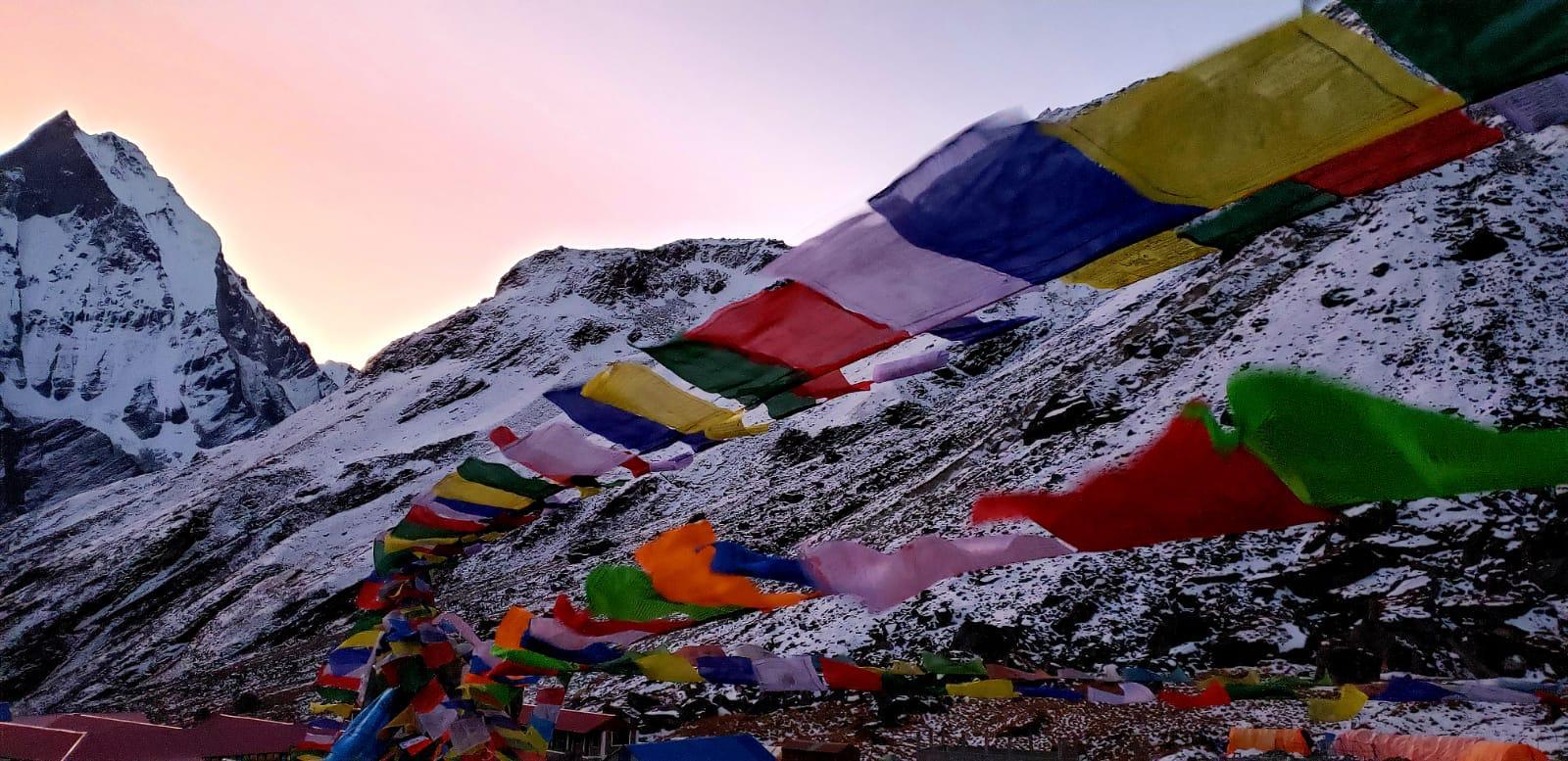


The Ideal Season to Visit Mount Kailash. The optimal window to explore Mount Kailash spans late spring through early autumn (May to September). Nestled in the remote Tibetan Plateau, this sacred peak enjoys stable weather and comfortable trekking conditions during these months. Daytime temperatures range between 10°C and 20°C (50°F–68°F), while nights cool to refreshing lows, making them perfect for pilgrims and adventurers alike.
Standing at 6,638 meters (21,778 feet), Mount Kailash is a spiritual beacon for Hindus, Buddhists, Jains, and followers of the Bon religion. Thousands embark on the Kailash Mansarovar Yatra annually, seeking enlightenment amidst its rugged trails. Beyond its religious significance, the mountain’s raw beauty and magnetic energy draw trekkers and explorers from across the globe.
Pro Tip: Visiting during peak season ensures safer trails, vibrant cultural exchanges, and the clearest views of Kailash’s snow-capped summit.
Table of Contents
Climate Overview:
Mount Kailash experiences four distinct seasons, each dramatically altering accessibility:
| Season | Months | Conditions |
| Winter | November–March | Sub-zero temperatures (–20°C/–4°F), heavy snow, and closed routes. Avoid travel. |
| Crisp air, golden landscapes, and fewer visitors. Early snowfall is possible. | April–May | Thawing snow reveals muddy trails. Fewer crowds but unpredictable weather. |
| Summer | June–August | Peak season: Mild days (up to 18°C/64°F), clear skies, and bustling pilgrim trails. |
| Autumn | September–October | Crisp air, golden landscapes, and fewer visitors. Early snowfall possible. |
Why Visit May–September?
- Safety & Comfort
- Snow-free paths reduce trekking risks.
- Lower chance of altitude sickness due to stable oxygen levels.
- Cultural Vibrancy
- Join pilgrims during Saga Dawa (May/June), when thousands circumambulate the mountain.
- Witness masked dances at the Tse Chu Festival (July/August).
- Logistical Ease
- More guesthouses and transport options.
- Longer daylight hours for extended exploration.
- Off-Season Warnings:
- Winter travel is not advised—extreme cold, avalanches, and shuttered lodges.
- Monsoon rains (July–August) may cause brief trail disruptions.
Challenges of Off-Season Travel for Kailash Mansarovar Yatra
The Kailash Mansarovar Yatra during the off-season (October to April) presents significant difficulties due to harsh weather and logistical limitations. Some key challenges include:
Harsh Weather Conditions
- Freezing temperatures (often below -20°C) make the journey extremely strenuous.
- Heavy snow accumulation can block trekking routes and increase risks like avalanches.
- Strong icy winds reduce visibility and intensify the cold.
Restricted Access and Infrastructure
- Closed mountain passes (such as Lipulekh in India or key routes in Tibet) may prevent entry.
- Unreliable transportation due to snowbound roads and flight cancellations.
- Limited accommodation and food supplies, as many guesthouses and shops shut down.
Fewer Support Services
- Scarce medical facilities, increasing risks for altitude sickness, frostbite, or hypothermia.
- Limited local guides and porters make navigation harder.
- Reduced emergency assistance due to fewer travelers and operational challenges.
Unpredictable Travel Disruptions
- Sudden blizzards or storms can halt progress for days.
- Permit and border restrictions may change unexpectedly.
- Increased Physical and Health Risks
- Higher chances of altitude sickness due to extreme cold and reduced acclimatization support.
- Danger of frostbite and slips/falls on icy, unstable terrain.
Planning Your Journey
- Health & Gear
- Acclimatize for 2–3 days in Tibet before ascending.
- Pack layered clothing—mountain weather shifts rapidly.
- Carry Diamox (for altitude) and a basic first-aid kit.
- Cultural Etiquette
- Walk clockwise around Kailash (Buddhist tradition).
- Ask permission before photographing monks or rituals.
Essential Travel Tips for a Successful Kailash Mansarovar Yatra
To ensure a smooth and fulfilling pilgrimage to Mount Kailash, proper preparation is key. Here are some practical tips to help you make the most of your journey:
Accommodation and Food Arrangements
- Book your stay in advance, especially during peak travel seasons.
- Many pilgrimage packages include hygienic, vegetarian Indian meals prepared by dedicated staff.
- If you’d like to try local flavors, Tibetan dishes are available at restaurants along the route.
- Drink plenty of water and maintain good hygiene to stay healthy throughout the trip.
Health and Safety Measures
- Allow time for proper acclimatization to avoid altitude sickness.
- Trek at a comfortable pace—don’t rush or overexert yourself.
- Get a medical check-up before departure and carry necessary medications.
- Pack appropriate clothing for sudden weather changes.
Choosing the Right Travel Operator
- Research and compare different travel agencies before making a decision.
- Select a reliable operator with well-planned, customized travel packages.
- Opt for experienced agencies with knowledgeable guides and support staff.
- Prioritize operators known for excellent customer service and round-the-clock assistance.
- Check the agency’s success rate and ensure they provide personalized attention to all travelers.
Choosing a Tour Operator: Look for:
✅ Local guides fluent in Tibetan and English.
✅ Small groups (better acclimatization support).
✅ Emergency evacuation plans.
Final Advice
While summer offers the smoothest journey, September’s golden hues and quieter trails appeal to solitude seekers. For a seamless trip, book permits and guides 6+ months ahead—China’s visa rules for Tibet are strict.